
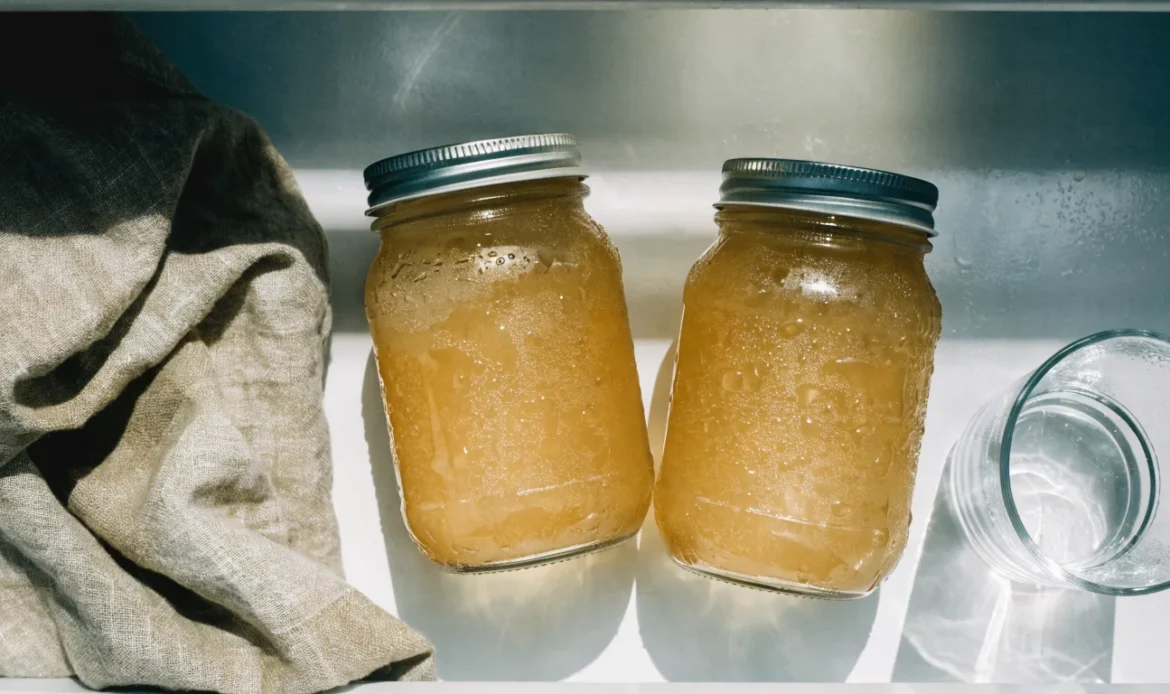
Short answer: Yes — sea moss can go bad. How fast it does depends on its form (dry, dried, or gel), how it was handled, and how you store it. You can check for spoilage by smell, color, texture, and mold. Use careful handling and simple storage steps to keep it fresh longer.
This guide explains what to watch, how to store sea moss in different formats, what you cannot prove just by looking, and a practical checklist to help you decide what to do next.
What “expire” means for sea moss
“Expire” can mean different things.
- For food safety, it means the product may no longer be safe to eat.
- For quality, it means the product may lose texture, flavor, or usefulness.
- For supplements, it can mean a change in nutrient levels or humidity that affects shelf stability.
You cannot tell everything by looking. Some changes, like shifts in mineral or iodine content, need lab tests. Others, like off smells or mold, are clear signs to throw the product out [1,2,5].
Which factors affect how fast sea moss goes bad
Several things change how long sea moss stays good:
- Format: dry sea moss, dried pieces, and prepared gel behave differently.
- Moisture at time of storage: moisture speeds up microbial growth.
- Cleanliness during handling: unclean utensils or hands can introduce bacteria.
- Temperature: cool is better; heat speeds spoilage.
- Salt or preservative use: salted or properly dried seaweed lasts longer than damp seaweed.
- Container and seal: airtight helps; open jars invite moisture and microbes.
- Time since harvest or processing: older material can be more fragile.
Because these factors vary widely, a safe rule is to check the product and err on the side of caution.
Forms of sea moss and what to expect
Dry sea moss (raw, air-dried pieces)
Dry sea moss is often sold as cleaned, dried branches or chips. When truly dry and stored correctly, dry sea moss resists spoilage because low moisture slows microbial growth. However, if it absorbs moisture, it can rehydrate and spoil.
What to watch:
- If the pieces feel damp or clump together, moisture has entered.
- A sour or musty smell is a red flag.
- Visible discoloration or fuzzy mold means discard.
Dried sea moss (low-moisture flakes or powder)
Dried, milled, or powdered sea moss can be stable in a sealed container. It is more prone to clumping if humid. Keep it sealed and dry.
Sea moss gel (reconstituted and blended)
Sea moss gel is water plus sea moss and is perishable. It needs refrigeration and clean handling. Gel can develop off odors, sliminess, or visible mold. These are signs it is no longer safe to use.
Note: The word “dried” may be used in different ways. Always check product labels and storage instructions from the seller.
What you can check at home — a practical inspection list
You can use your senses and simple steps to decide if sea moss is still okay. These checks do not replace lab testing but are useful and practical.
- Smell: Fresh sea moss has a mild sea or ocean scent. A sharp, sour, or rotten smell is a sign to discard.
- Look: Check for mold, unusual colors (bright orange, black fuzzy spots), or cloudy film in gels.
- Touch: Dry moss should be dry and brittle. Gel should be smooth and gelatinous. Sliminess or stringy separation in ways that feel wrong may mean spoilage.
- Taste: If everything else seems fine, only taste a tiny amount and spit it out if it tastes off. Do not swallow if in doubt.
- Container: Check the lid, seal, and jar for rust, bulging, or leaks. A bulging lid on a jar can indicate gas from spoilage.
- Date and source: Note when you opened or made the product. If you cannot confirm safe handling, discard.
These checks are practical. They cannot detect invisible microbes or changes in trace minerals. For those, lab tests are needed.
How to store each form safely
Below are practical steps you can take. These are conservative and meant to reduce risk. Exact times vary by product and handling.
Storing dry sea moss (pieces)
- Keep in an airtight container or a resealable bag.
- Store in a cool, dry place away from direct sunlight.
- Add a clean desiccant packet if you worry about humidity (food-grade silica gel).
- Avoid storing above a stove, drying rack, or in a warm pantry.
Why: Low moisture keeps microbes from growing. Air and humidity are the common risks.
Storing dried sea moss powder or flakes
- Use an airtight jar.
- Store in a cool, dark cupboard.
- Keep away from steam and heat (near kettles or dishwashers).
- Use a clean, dry spoon each time.
Why: Powder absorbs moisture easily. Keep it dry.
Storing sea moss gel
- Keep refrigerated at all times after making or opening.
- Use clean utensils and wash your hands before handling.
- Store in a clean, airtight container. Glass is preferred because it does not stain or leach.
- If you freeze gel, use a freezer-safe container and leave a small headspace for expansion.
Why: Gel has water and can feed microbial growth. Clean handling and cold slow this down.
Caveat: Refrigeration slows, but does not stop, microbial growth. Freezing greatly slows growth but does not sterilize.
How to extend freshness — safe, practical steps
- Work clean. Wash hands, utensils, and jars. Cleanliness reduces contamination risk.
- Chill quickly. After making gel, cool it in the refrigerator soon. Do not leave it at room temperature for long.
- Freeze portions. If you make a lot of gel, freeze it in small portions. Thaw only the portion you will use soon.
- Dry thoroughly before long-term dry storage. If you dry sea moss at home, make sure it is fully dry and brittle before storing.
- Use airtight packaging or vacuum sealing for dry forms. This limits humidity and insects.
- Label jars with date made or opened. That helps you track how long it has been stored.
These steps reduce risk. They do not guarantee safety. If you notice spoilage signs, discard the product.
What visual or lab checks cannot tell you at home
- You cannot tell precise iodine concentration by sight or smell. Seaweeds vary in iodine and mineral levels naturally [2,3,5].
- You cannot detect all microbes or pathogens without testing. Some bacteria do not change smell or appearance before causing illness.
- You cannot prove full shelf-life or stability without lab-based shelf-life studies.
If you need precise data (for example, iodine level or microbial counts), seek a lab test or contact the vendor for published testing information.
Decision guide: Which format should you buy or keep?
Use this short guide to match the form to your needs. These are practical trade-offs, not promises.
- You want long shelf-life and little fuss: choose well-dried pieces or powder. Store sealed and dry.
- You want immediate, ready-to-use gel: make small batches and refrigerate or freeze portions. Use clean utensils.
- You want a bulk supply for regular use: dry pieces are easier to portion and rehydrate as needed. Keep them dry.
- You need a travel-friendly form: dried and sealed products travel better than gel.
- You are unsure about storage conditions at home: buy small amounts that you can use quickly.
If you buy from a seller, ask how the product was processed and stored. Ask if they perform any microbial or iodine testing. Do not rely solely on marketing claims.
Practical checklist: Inspect, Store, and Act
Follow this step-by-step checklist when you receive, open, or prepare sea moss.
- Inspect before opening: Check package for tears, moisture, or bulging. If it looks damaged, do not use.
- Wash hands and tools: Use clean hands, spoons, and jars.
- For dry moss: Put into an airtight container. Add a desiccant if humid. Label with date. Store cool and dry.
- For powdered moss: Keep in sealed jar. Do not introduce moisture. Use a dry spoon.
- For gel: Cool quickly. Store in glass jars with tight lids in the refrigerator. Use clean utensils. Label with date made.
- Freeze extra gel in small portions for longer storage. Thaw in the fridge and use promptly.
- Daily check: Smell and look at your stored product before using. If anything seems off, discard.
- When in doubt, discard. Safety first.
Common mistakes and how to avoid them
- Mistake: Using wet hands or utensils in the gel jar.
Fix: Always use a dry, clean spoon and wash hands.
- Mistake: Leaving gel at room temperature after making it.
Fix: Chill the gel soon after preparation.
- Mistake: Storing dry moss where humidity is high.
Fix: Use airtight containers with desiccant packs.
- Mistake: Not labeling containers with dates.
Fix: Label every container when you open or make it.
What you can ask your seller
If you buy sea moss, good questions to ask include:
- How was it processed (air-dried, sun-dried, heat-dried, milled)?
- How was it stored and shipped?
- Do you test for microbial safety or iodine levels?
- Do you provide handling recommended use-by guidance?
Answers help you make safer choices.
Next useful question to ask yourself
After reading this, a practical next question is: “How much sea moss do I plan to use, and what storage will I actually maintain?” Match the quantity to how you store it. Buy smaller amounts if you will make gel you can’t freeze or if your home is humid.
If you have more questions about product handling or to arrange bulk purchases, contact us.
Conclusion
Sea moss does expire. The speed of change depends on its form, moisture, temperature, and handling. You can lower risk with clean handling, airtight storage, refrigeration for gels, and freezing for long-term gel storage. Use your senses to inspect the product and discard anything with off smells, mold, or strange texture. For specific tests—like iodine levels or microbial counts—ask the seller or seek lab testing. Careful handling and sensible storage choices help keep sea moss useful and safer to eat.
Explore more about storage and care at our learning pages. Learn storage best practices at /learn/storage/. Find product options at /shop/ or learn more about sea moss and safety at /learn/. For wholesale or larger orders, visit /wholesale/ and to reach our team, go to /contact/. Return to our home page at /.
Continue reading
Frequently asked questions
Does sea moss gel expire faster than dry sea moss?
Yes. Gel has water and is perishable. Dry sea moss (when kept dry) generally resists spoilage better. Always check gel for smell, texture, and mold before use.
Can I freeze sea moss gel?
Yes. Freezing is a common way to keep gel longer. Freeze in small portions so you thaw only what you need. Thaw in the refrigerator and use promptly.
How can I tell if dry sea moss has gone bad?
Signs include dampness, mold, a sour or musty smell, or dramatic color change. If any of those appear, discard the product.
Does cooking sea moss make spoiled product safe?
No. Cooking may not remove toxins or all pathogens. If the sea moss shows spoilage signs, do not try to salvage it by cooking.
Will vacuum sealing help?
Vacuum sealing reduces air and can slow quality loss for dry forms. It helps against insects and humidity. It is less useful for wet products unless frozen.
Should I be worried about iodine or mineral changes over time?
Seaweed naturally contains iodine and other minerals [1,2,3,5]. Storage and processing can affect levels, but you cannot tell changes by sight. For specific concerns, ask the seller for lab data or get a test.
References
- Harvard T.H. Chan School of Public Health, “Seaweed.” https://nutritionsource.hsph.harvard.edu/seaweed/
- Smyth PPA. “Iodine, Seaweed, and the Thyroid.” European Thyroid Journal, 2021. https://pmc.ncbi.nlm.nih.gov/articles/PMC8077470/
- Food Standards Australia New Zealand, “Survey of iodine levels in seaweed and seaweed containing products,” updated 2025. https://www.foodstandards.gov.au/science-data/monitoring-safety/surveyofiodinelevels
- Operation Supplement Safety, “Sea Moss in Dietary Supplements.” https://www.opss.org/article/sea-moss-dietary-supplements
- Blikra MJ et al. “Consequences of acute and long-term excessive iodine intake: A literature review focusing on seaweed as a potential dietary iodine source.” 2024. https://doi.org/10.1111/1541-4337.70037