
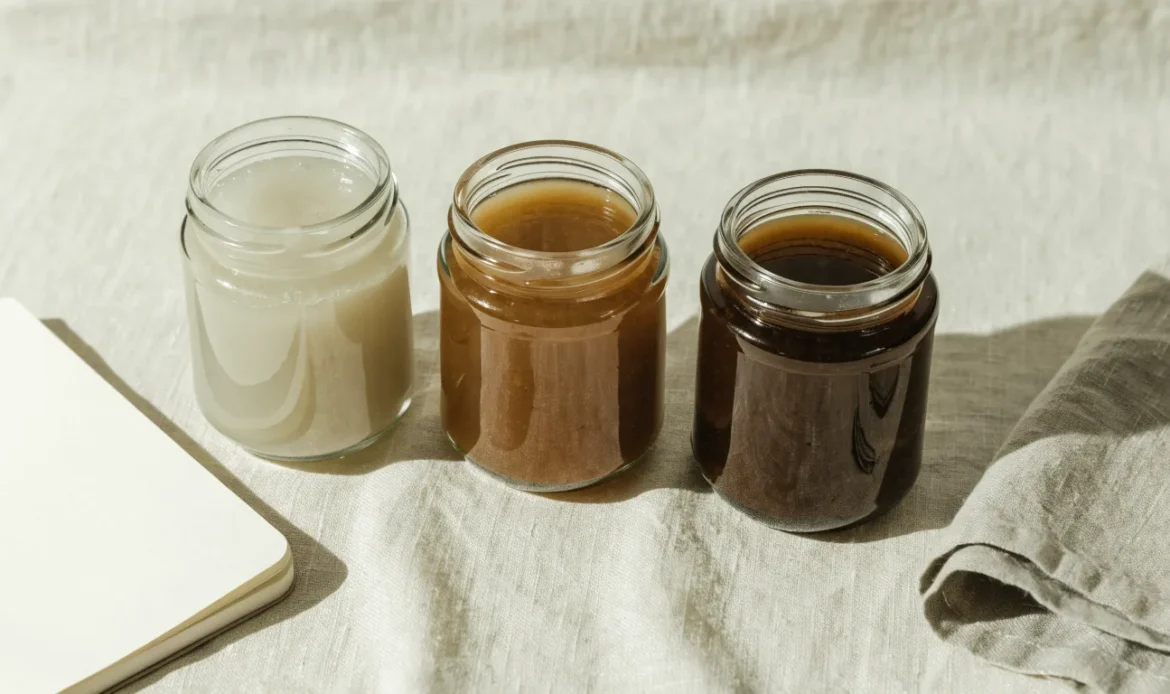
Short answer first: Sim Sima sea moss is a name used for sea moss products in some Caribbean markets. It refers to edible marine algae sold as a food or ingredient. The name does not guarantee a single species, processing method, or safety level. Check the product details and ask the seller for lab tests or source information before you buy.
Why start with that short answer? The term “Sim Sima” can appear on labels, menus, and marketplaces. But labels can mean different things in different places. This guide helps you know what to look for, what the labels cannot prove, and how to choose a format that fits your needs.
What “Sim Sima sea moss” usually means
- It is a commercial name. Sellers use local words and brand names to describe sea moss. Sim Sima is one of those names.
- It points to edible seaweed. Sea moss is a general term for several kinds of marine algae that people eat or turn into gels, powders, or supplements.
- It is not a guarantee of species or testing. A product called “Sim Sima” does not by itself tell you which algae species, how it was harvested, or whether it was tested for iodine, heavy metals, or microbes.
What you can check on a package or product page:
- The form (dried, gel, powder, capsule).
- Any lab test or certificate the seller provides.
- Harvest or processing information.
- Storage and preparation instructions.
What a name cannot prove:
- Exact iodine content or mineral levels.
- Absence of contaminants unless verified by testing.
- How the sea moss was handled after harvest.
Why check more than the name
Seaweed naturally contains minerals and iodine. The amount varies widely by species, location, and season [1]. Iodine levels in seaweed can be high enough to matter for people with thyroid conditions or those who are iodine sensitive [2][5]. Surveys show big differences in iodine across seaweed products and brands [3]. For these reasons, label names like “Sim Sima” are a starting point, not a safety certificate.
Operation Supplement Safety and other groups also warn that sea moss supplements and products can vary in quality and labeling [4]. That does not mean every product is bad. It means you should look for clear labeling and testing.
Common formats of sea moss you will see
Sea moss is sold in several main formats. Each has simple pros and cons.
- Dried whole or chopped
- What it is: Sea moss cleaned and air-dried or sun-dried into a shelf-stable form.
- Pros: Long shelf life when dry. You can rehydrate and use it in recipes.
- Cons: Needs soaking and rinsing. Quality varies by how well it was cleaned and dried.
- Raw cleaned (fresh or refrigerated)
- What it is: Freshly cleaned sea moss that is not dried. Often kept cold.
- Pros: Soft texture ready for immediate blending.
- Cons: Short shelf life; must be refrigerated.
- Gel (prepared sea moss gel)
- What it is: Rehydrated sea moss that is blended into a smooth gel and usually refrigerated.
- Pros: Convenient for smoothies and cooking.
- Cons: Shorter shelf life; must be stored cold. Gel recipes and water used for blending can affect safety if not handled well.
- Powder or flakes
- What it is: Dried sea moss ground into powder.
- Pros: Easy to measure, shelf-stable, simple to mix.
- Cons: Harder to check quality by eye. Look for lab testing.
- Capsules or tablets
- What it is: Powdered sea moss sold in dose form.
- Pros: Convenient for dosing.
- Cons: Same concerns as powder; check for added ingredients and testing.
- Bulk or wholesale lots
- What it is: Large quantities sold for resale or manufacturing.
- Pros: Cost-effective for businesses.
- Cons: Requires supplier verification, testing, and storage plans.
How to tell good product information from vague marketing
What good product information includes:
- Clear format (dried, gel, powder).
- Harvest or source region, when known.
- Processing steps (washed, sun-dried, air-dried, heat-treated).
- Storage instructions.
- Lab results or a certificate of analysis (COA) showing tests for iodine, heavy metals, and microbes where available.
- Contact information and reply options for more questions.
What vague marketing looks like:
- Only positive adjectives (pure, wild, natural) with no details.
- No contact info or no response to questions about testing.
- No clear storage or preparation instructions.
If a seller cannot or will not share basic test info, ask why. For wholesale purchases, request batch testing or the COA before buying.
Practical decision checklist: How to evaluate a Sim Sima sea moss product
Use this checklist before buying. Mark each item Yes/No/Unknown. A good product will have mostly Yes answers.
- Product form: Does the form match how you plan to use it? (dried / gel / powder / capsule / other)
- Seller transparency: Does the seller list harvest or processing details?
- Lab testing: Is there a COA or lab result for iodine, heavy metals, and microbes?
- Ingredient list: Are there any additives or fillers listed?
- Storage info: Are clear storage instructions provided?
- Appearance (for dried or raw): Is color natural and free of strong off-odors?
- Smell (for raw or gel): No chemical or rotten smell?
- Return policy: Is there a clear return or refund policy?
- Communication: Can you reach the seller with specific questions?
- Intended use: Does the product match your reason for buying (food, ingredient, or supplement)?
If several items are Unknown or No, consider another product or ask the seller for more proof.
Decision table: Which format suits your needs?
| Buying goal | Recommended formats | Quick checks |
|---|---|---|
| Use in cooking or smoothies at home | Gel or dried rehydrated | Check storage life on gel. For dried, follow soaking and rinsing steps. |
| Long-term pantry storage | Dried whole or powder | Ensure good packaging and moisture-free storage. Look for moisture control and sealed packaging. |
| Easy dosing for supplement use | Powder or capsules | Look for COAs and ingredient lists. Check capsule materials. |
| Business resale or recipes at scale | Bulk dried or wholesale gel | Request batch COAs, supply chain details, and storage requirements. |
| First-time buyer who wants to test gently | Small jar of gel or small dried pack | Check return policy and preparation notes. |
This table helps match a buyer goal to a format and the primary checks to make.
How to prepare and store different formats safely
General rules:
- Rinse dried sea moss well before use. Rinsing removes sand, salt, and debris.
- Soak dried sea moss in clean water before blending. Change water if it looks cloudy.
- Use clean utensils and containers. Contamination is possible when preparing gels at home.
- Keep gels and fresh products refrigerated. If you freeze gel or fresh sea moss, use airtight containers.
- Store dried sea moss in a cool, dry place in sealed packaging.
What labels can tell you that matters for storage:
- “Keep refrigerated” or “Freeze after opening.”
- “Shelf-stable” for dry sealed packs.
- “Use within X days after opening” (trust but verify by smell and appearance).
Avoid making exact shelf-life claims unless the seller provides stability testing for their product. The actual shelf life depends on how the product was processed and stored.
What testing is useful and what it can show
Useful tests to ask for or look for on a certificate:
- Iodine content. Helpful if you plan to eat sea moss often or have thyroid concerns [2][5].
- Heavy metals (lead, mercury, cadmium, arsenic). These can be present in marine environments.
- Microbial testing. Shows whether the product was processed and stored safely.
- Moisture content for dried products. High moisture can mean spoilage risk.
What testing cannot prove:
- Long-term consistency across every batch unless the seller tests each batch.
- Exact nutrient values for every serving without standardized lab analysis per batch.
If you have a health condition or take medications affected by iodine, ask your healthcare provider about seaweed use. The literature notes that iodine in seaweeds can be highly variable and, in some cases, high enough to affect thyroid function [2][5]. Population-level surveys find wide differences in iodine across seaweed products [3]. That is why lab testing matters.
What sellers can and cannot prove about “wild” or “natural” claims
Sellers may use words like “wild” or “hand-harvested.” These describe harvest method or origin. But these claims need context:
- “Wild” means not farmed. It does not mean contaminant-free.
- “Hand-harvested” describes technique, not processing hygiene.
- “Natural” is a marketing term without a legal standard in many places.
Ask sellers for specifics:
- Where and how was it harvested?
- How was it cleaned and dried?
- What tests were done and when?
Good sellers will provide clear answers or a lab report. If they cannot, treat the claim as a marketing term.
Safety notes and uncertainty
- Seaweed contains iodine and other minerals [1]. The amounts vary greatly.
- High iodine intake can affect thyroid function in some people [2][5]. If you have thyroid issues, discuss seaweed with a healthcare provider.
- Testing and labeling vary. A product name like “Sim Sima” is not a safety certificate.
- If you see unusual smell, mold, or discoloration, do not use the product.
These points reflect current public health guidance and reviews of seaweed as a food source [1][2][4][5].
Practical next steps before you buy
- Decide how you want to use the sea moss (cook, gel, supplement).
- Pick a format that fits that use (see decision table).
- Ask the seller for a COA that includes iodine and heavy metals, or for batch testing if buying wholesale.
- Check storage and prep instructions.
- Start with a small amount if you are new to the product.
- Watch for off smells or textures and stop use if you see signs of spoilage.
- If you have thyroid disease or take certain medications, consult your provider before adding seaweed regularly.
Where to go next on Zen Wholesalers
- Read general sea moss basics on our Learn page: /learn/
- Learn how to prepare sea moss gel and storage tips: /learn/
- Shop our current formats and small trial packs: /shop/
- If you buy for a business, see wholesale options and requirements: /wholesale/
- Need more information or to request a bulk COA? Contact us: /contact/
- Back to the home page: /
These links will help you move from reading to choosing.
Conclusion
Sim Sima sea moss is a commonly used product name in Caribbean markets. The name alone does not tell you the species, iodine level, or whether the product was tested. Start by deciding how you will use the sea moss. Then choose a format that fits that use. Ask sellers for clear processing details and lab results for iodine and contaminants when possible. Use the decision checklist and table above to compare options. If you have health concerns, especially related to the thyroid, check with a healthcare provider before adding seaweed regularly to your diet.
Continue reading
Frequently asked questions
Is Sim Sima sea moss a different species from other sea moss?
Not necessarily. “Sim Sima” is a product or local name. It can refer to different algae used as sea moss. The label alone does not identify the species. Ask the seller if species identification matters to you.
How can I check iodine levels?
Ask the seller for a certificate of analysis (COA) that shows iodine testing. If you cannot get a COA, the iodine content is unknown. Iodine varies by species and harvest location [2][5].
Is gel safer than dried sea moss?
Safety depends on handling. Gel is convenient but needs refrigeration and clean preparation. Dried sea moss is shelf-stable but must be cleaned and soaked. Both formats can be safe if handled and stored correctly.
Does “wild” mean safer?
“Wild” only means it was not farmed. It does not guarantee testing or freedom from contaminants. Ask for testing details.
What should I ask if I want to buy wholesale?
Request batch COAs, supply chain and processing details, storage requirements, minimum order quantities, and return or dispute policies. Verify timelines for testing and delivery.
Can I trust front-of-pack marketing words like “pure” and “natural”?
Use those words as a prompt to ask more questions. They are not proof of safety or purity. Look for lab tests and clear handling information.
References
- [1] Harvard T.H. Chan School of Public Health, “Seaweed.” https://nutritionsource.hsph.harvard.edu/seaweed/
- [2] Smyth PPA. “Iodine, Seaweed, and the Thyroid.” European Thyroid Journal, 2021. https://pmc.ncbi.nlm.nih.gov/articles/PMC8077470/
- [3] Food Standards Australia New Zealand, “Survey of iodine levels in seaweed and seaweed containing products,” updated 2025. https://www.foodstandards.gov.au/science-data/monitoring-safety/surveyofiodinelevels
- [4] Operation Supplement Safety, “Sea Moss in Dietary Supplements.” https://www.opss.org/article/sea-moss-dietary-supplements
- [5] Blikra MJ et al. “Consequences of acute and long-term excessive iodine intake: A literature review focusing on seaweed as a potential dietary iodine source.” 2024. https://doi.org/10.1111/1541-4337.70037