
Short answer
Yes — you can take too much sea moss. The main concern is that sea moss is a type of seaweed. Seaweed can contain high and very variable levels of iodine and other substances. That means a single serving of sea moss or a daily habit can sometimes raise iodine intake a lot. For some people, that could affect the thyroid or interact with medicines. You should check the product, your health risks, and talk with a clinician if you use sea moss regularly.
Why this is the short answer
- Sea moss is seaweed. Seaweed stores minerals from seawater. Iodine levels and other contents can vary widely by species and place of harvest [1][3].
- Excess iodine can change thyroid function in some people [2][5].
- Sea moss supplements and gels are not the same as whole food. Content and concentration vary. Some products lack clear testing or labels [4].
What follows is practical help. It tells you what to check. It states what you cannot know without testing. It gives a clear checklist so you can decide what to do next.
How “too much” is defined here
We use “too much” to mean a level of sea moss intake that may raise your risk profile. That can mean:
- raising your iodine intake above what your clinician thinks is safe for you, or
- increasing exposure to contaminants or microbes because of poor processing, or
- causing bothersome side effects (stomach upset, diarrhea, etc.).
We do not give a single safe number. Sea moss products vary a lot. Published surveys and reviews show wide differences in iodine and other contents between types and batches of seaweed [1][3][5]. That variability makes a single “one-size-fits-all” limit unreliable.
Main risks and how they happen
Iodine and the thyroid
Seaweed is a major source of iodine in many diets. Iodine is essential for thyroid function. But too much iodine can cause thyroid changes in some people. These changes can show up as an underactive or overactive thyroid depending on the person and the dose [2][5].
What we know:
- Seaweeds vary in iodine content by species, season, and where they were harvested [1][3].
- Excessive iodine intake has been linked to thyroid problems in the scientific literature, especially with high or prolonged exposure [5].
- People with existing thyroid disease, or people on thyroid medicine, can be more sensitive to changes in iodine input [2].
What we cannot prove from a label alone:
- How much iodine is in a single scoop or serving of your product without testing or lab results.
- How your body will respond, because individual responses differ.
Contaminants and quality concerns
Seaweed can also contain other elements from the sea, such as heavy metals or unwanted compounds. Processing, packaging, and storage affect the final product. Commercial supplements vary a lot in quality and testing [1][4].
Practical points:
- Some products provide third-party testing or a certificate of analysis (COA). That helps but does not remove all uncertainty.
- Lack of testing information on a label increases uncertainty about contents.
Digestive effects and interactions
Sea moss is a source of fiber and other plant materials. Some people may notice digestive changes when they start using it. Also, interactions with medicines are possible, especially drugs that affect thyroid function or those that change how your body absorbs iodine or minerals.
We do not claim specific interactions here. Ask a clinician if you take medicines.
Forms of sea moss and how that affects risk
Sea moss comes in many formats. Each format changes how concentrated the material is and how easy it is to control dose.
Table: common forms and what they mean for dose and uncertainty
| Form | What it is | How it affects dose and risk |
|---|---|---|
| Raw dried sea moss | Whole pieces dried | Variable weight per piece. Iodine and other contents depend on species and batch. Hard to estimate intake without testing. |
| Rehydrated/soaked sea moss | Dried rehydrated at home | Hydration changes weight. Serving size by volume is unreliable for dose estimation. |
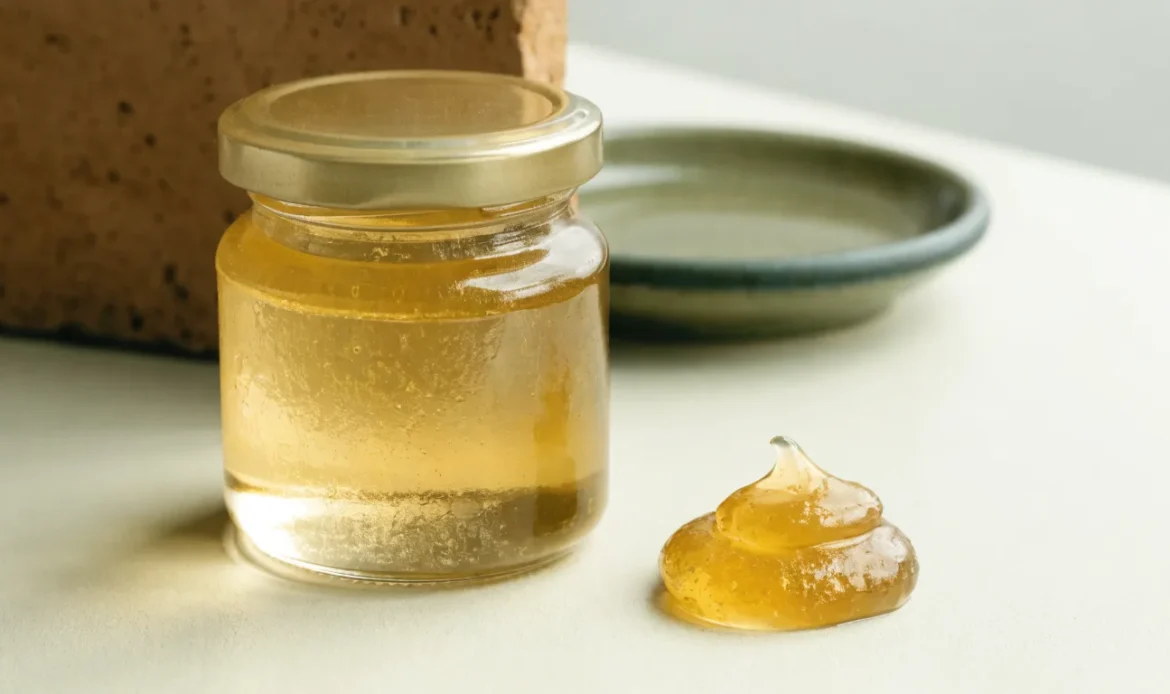
| Sea moss gel | Cooked and blended into gel | Often more concentrated per spoonful than raw, but concentration varies by recipe. Labels may not list nutrient levels. |
| Powder or extract | Ground or concentrated | Can be more concentrated than whole form. Dose per scoop can vary widely. |
| Capsules/tablets | Measured doses | More convenient; still depends on manufacturing and testing. Some have little public testing info. |
Why this matters
- If you use a product that concentrates sea moss, you may consume more of what it contains in a smaller volume.
- If the product lacks testing, you cannot know how concentrated iodine or contaminants are.
Citations: variability and labeling issues are discussed in surveys and reviews [1][3][4].
Practical decision checklist (use this before you take or keep taking sea moss)
This checklist helps you decide to start, stop, or change how you use sea moss. Treat it as a guide. It is not medical advice.
- Health status check
- Do you have a thyroid condition, or a history of thyroid problems? If yes, talk to your clinician before starting or increasing sea moss. [2][5]
- Are you pregnant, breastfeeding, or planning pregnancy? If yes, discuss with your clinician. Pregnancy changes iodine needs and is a time to be cautious. [2]
- Do you take thyroid medicines or other regular medications? If yes, consult a clinician about interactions.
- Product check
- Does the product label list the species or type of seaweed? Clear species helps estimate iodine variability. If not listed, uncertainty is higher. [1][3]
- Is there a Certificate of Analysis (COA) or third-party lab test available for the batch? Prefer products that share testing for iodine and metals. [4]
- Does the product list serving size and detailed nutrient information? If not, expect more uncertainty.
- Usage plan
- Start low and slow: use a small amount at first and watch how you feel. (Exact amounts vary by product.)
- Avoid taking multiple seaweed products at the same time (for example, sea moss plus another kelp supplement) unless advised by a clinician.
- Decide on a duration. If you plan daily use for weeks or months, plan to re-check your plan with a clinician.
- Monitoring
- Watch for new symptoms such as unexplained weight changes, palpitations, fatigue, or neck swelling. These can be signs of thyroid change but can also come from other causes. Report them to your clinician.
- For long-term or regular use, ask your clinician if thyroid testing or other tests are appropriate for you. Tests that measure thyroid function or iodine exposure may be relevant for some people. [2][5]
- Product safety follow-up
- If you find a product COA showing very high iodine or contaminants, stop or reduce use and talk to a clinician.
- If you do not find testing information and you plan frequent use, consider switching to a product with better transparency.
Use this checklist to make a clear, personal decision. If you are unsure at any point, consult a clinician.
Quick decision guide (one-line outcomes)
- If you have thyroid disease or take thyroid medicine → consult a clinician before use.
- If you are pregnant or breastfeeding → consult a clinician before use.
- If the product provides no testing and you plan daily use → consider switching or get clinical input.
- If you feel new symptoms after starting → stop and talk to your clinician.
How to lower risk if you already use sea moss
If you already use sea moss and worry you might be getting too much:
- Pause or reduce your intake for a short time. That removes ongoing exposure while you check.
- Gather product information: species name, batch number, COA or testing results, and serving recommendations.
- Ask your clinician whether thyroid blood tests or other checks are advisable for you. In some cases, a clinician may check thyroid function before you resume. [2][5]
- Consider switching to a product with clear testing and transparent sourcing. Third-party testing reduces uncertainty but does not remove all risk. [4]
- Avoid combining multiple iodine-rich foods or supplements until you know your total intake.
What you can check and what you cannot prove
What you can check
- Product label for species, serving size, and any testing or COA information. [1][4]
- Whether the product maker publishes third-party lab reports for each batch. [4]
- Your own symptoms and whether they change after starting or stopping sea moss.
- With a clinician, whether thyroid or other lab tests are appropriate for monitoring.
What you cannot prove from labels or ad copy alone
- The exact iodine content of your serving without a lab result for the batch. Surveys show wide batch-to-batch variation. [1][3]
- That any single serving is “safe” for you personally without accounting for your health, medicines, and total iodine intake. [2][5]
- Long-term safety in an individual without clinical monitoring if you take concentrated or daily doses.
Next useful question to ask
After you read this, a practical next question is: “What does my specific product contain?” To answer that, find the product’s COA or lab report. If you cannot find that, ask the seller to provide batch testing. If testing is unavailable, ask your clinician how to proceed given the uncertainty.
Useful internal links
- Learn more about our learning resources on sea moss: /learn/
- Browse product formats and descriptions: /shop/
- If you are a retailer or buyer, see our wholesale options: /wholesale/
- Contact us for product questions or COA requests: /contact/
- Return to our home page for general info: /
Conclusion
Too much sea moss is possible because sea moss is seaweed and seaweed contents vary a lot. The most important practical risk to watch for is excess iodine and variable product quality. You can reduce risk by checking product information, seeking third-party testing or COAs, starting with a small amount, and talking with a clinician—especially if you have thyroid issues, take thyroid medicine, or are pregnant.
This article helps you make a safer decision. It tells you what to check and what you cannot know from a label alone. The next useful step is to find your product’s lab report or ask the seller for it. If that is not available, consult your clinician before using sea moss regularly.
Continue reading
Frequently asked questions
Can sea moss give you too much iodine?
Yes, sea moss is a type of seaweed. Seaweed can contain high and variable iodine. Long-term or concentrated use can raise iodine intake enough to affect some people’s thyroids. If you are concerned, check product testing and talk with a clinician [1][2][5].
How much sea moss is safe per day?
There is no single safe number that applies to everyone. Sea moss products vary a lot in iodine and concentration. The safest approach is to check product testing, start with a small amount, and discuss ongoing use with a clinician [1][3][4].
Who should avoid sea moss?
People who should be cautious include those with thyroid disease, people taking thyroid medications, pregnant and breastfeeding people, and anyone taking multiple iodine-rich supplements. Talk with a clinician to decide for your situation [2][5].
Are sea moss supplements tested for safety?
Some are, and some are not. Reputable makers may publish third-party lab tests or COAs for batches. Lack of testing information increases uncertainty. Surveys and safety reviews stress the importance of batch testing because composition varies widely [4].
If I stop sea moss, how long until iodine returns to baseline?
Responses vary by person and by the amount of iodine you were exposed to. Removing the source reduces ongoing exposure quickly, but how quickly your body levels change depends on individual health and iodine stores. Discuss monitoring with your clinician [2][5].
Can children take sea moss?
Because iodine and other contents are variable, give sea moss to children only under clinician guidance. Children are more sensitive to excess iodine because of their smaller body size and development needs [2].
References
- Harvard T.H. Chan School of Public Health, “Seaweed.” https://nutritionsource.hsph.harvard.edu/seaweed/
- Smyth PPA. “Iodine, Seaweed, and the Thyroid.” European Thyroid Journal, 2021. https://pmc.ncbi.nlm.nih.gov/articles/PMC8077470/
- Food Standards Australia New Zealand, “Survey of iodine levels in seaweed and seaweed containing products,” updated 2025. https://www.foodstandards.gov.au/science-data/monitoring-safety/surveyofiodinelevels
- Operation Supplement Safety, “Sea Moss in Dietary Supplements.” https://www.opss.org/article/sea-moss-dietary-supplements
- Blikra MJ et al. “Consequences of acute and long-term excessive iodine intake: A literature review focusing on seaweed as a potential dietary iodine source.” 2024. https://doi.org/10.1111/1541-4337.70037