
Short answer
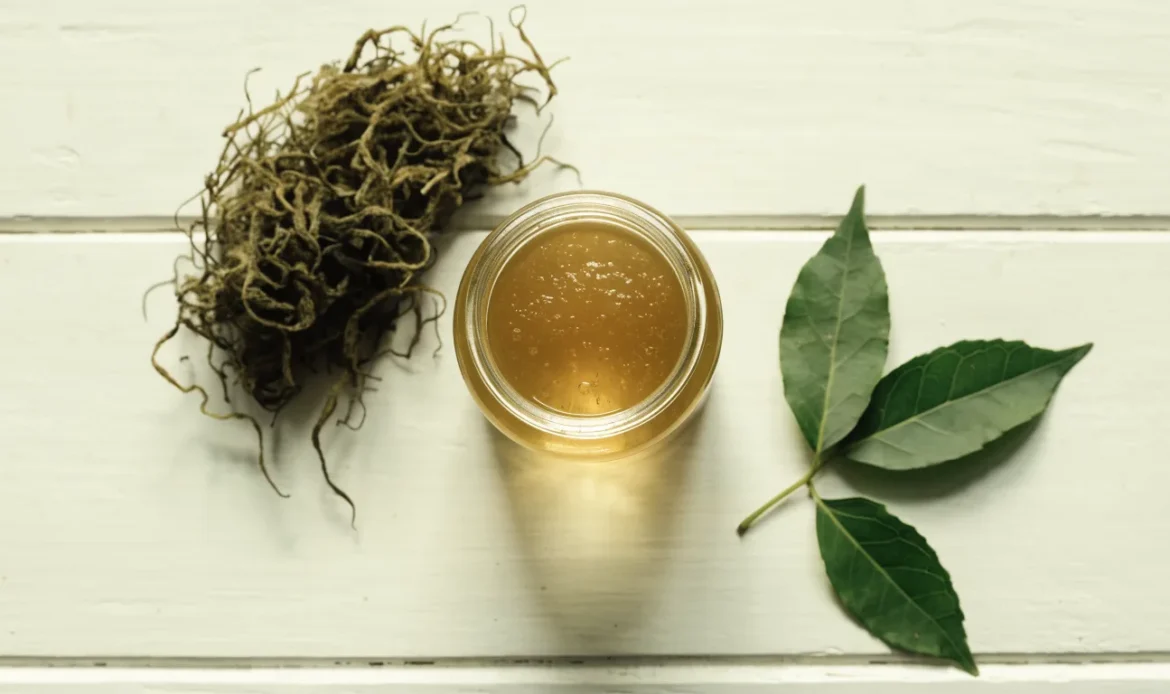
Sea moss is a type of edible seaweed people use as a food ingredient and as a food-style supplement. It adds texture to recipes. It can provide minerals found in seaweeds, including iodine. The exact mix of nutrients and risk factors changes by species and where it grew. Read on to learn what to check and how to choose a safe format.
What sea moss is
Sea moss is a common name for several red algae that people harvest from the ocean. It is eaten in different places around the world. People use it as a food, a thickener, or a dietary ingredient. The plant itself is a seaweed. Like other seaweeds, it contains fiber and compounds that give it a gel-like texture when soaked and cooked [1].
What it is not
Sea moss is not a medicine. It is not a guaranteed cure or treatment for any disease. It is also not a single, uniform product. Different species, harvest places, and preparation methods make very different results.
Common uses of sea moss
People use sea moss in several ways. Here are the main, practical uses:
- As a food ingredient: Soaked or cooked sea moss is added to smoothies, soups, and desserts. When prepared into a gel, it acts like a thickener.
- As a culinary thickener: The polysaccharides in many seaweeds help make a smooth, gelatin-like texture. That texture is useful in vegan cooking and for sauces.
- As an ingredient in supplements: Sea moss appears in dried, powdered, capsule, or gel forms sold as dietary supplements or food ingredients.
- In personal care: Some cosmetic products include seaweed extracts for texture or as a natural ingredient. Note: Inclusion in a product is not a claim of health benefit.
These uses rely on sea moss as a food or ingredient. They do not rely on proven medical effects.
What sea moss contains — and what we know for sure
Seaweeds can contain minerals, fiber, and complex carbohydrates. Sea moss, like other seaweeds, typically shows this pattern, but the amounts vary a lot by species, season, and where it was harvested [1].
Key points:
- Minerals and trace elements: Seaweeds can supply minerals that are present in seawater. One of the most important for people is iodine. Iodine levels in seaweeds are highly variable. Some seaweed can have high iodine, while others have lower amounts [1][2].
- Polysaccharides and fiber: Sea moss contains complex sugars that can form gels. These give it thickening properties.
- Variability: The species of seaweed and the place it was harvested affect what it contains. You cannot assume one package equals another.
What we do not have clear, consistent proof of
- Exact nutrient amounts for any single product without testing. Labels or origin notes may not tell the full story.
- Universal health effects for sea moss across all people and doses. Studies on seaweeds are mixed and depend on types and amounts eaten.
Iodine: useful but needs care
Iodine is an essential mineral for the human body. Seaweeds are a major dietary source of iodine worldwide. That makes seaweed potentially useful for supplying iodine. At the same time, some seaweed products can provide very large amounts of iodine. High iodine intake can cause thyroid problems for some people [2][5].
What the science and safety reviews say:
- Iodine levels vary greatly between seaweed types and products. Surveys show a wide range of iodine content in seaweed and seaweed-containing foods [3].
- Both low and very high iodine intakes can affect thyroid function. For specific groups—like people with existing thyroid conditions, pregnant people, or those on thyroid medicines—uncontrolled iodine intake can be risky. If you have thyroid disease, ask a healthcare provider before regularly consuming seaweed or concentrated seaweed products [2][5].
Safety and quality concerns
Sea moss harvested from the wild or sold as supplements can pose safety concerns if not handled or tested properly.
Common issues to watch for:
- Contaminants: Seaweeds can absorb elements from their environment. Depending on where they grow, they may contain heavy metals or other pollutants. Proper testing can identify these risks.
- Product identity and labeling: Some supplements are not what their labels claim. Organizations that study supplements have warned that ingredients and their levels may not match labels without third-party testing [4].
- Dosage and concentration: A small serving of a concentrated product may provide more iodine or other compounds than a person expects.
Given these uncertainties, look for testing and clear labels. If a seller cannot or will not share testing details, treat the product as higher risk.
Who should be cautious or ask a clinician first
Certain people should be careful with sea moss or high-dose seaweed supplements. That includes:
- People with existing thyroid disease.
- People on thyroid medication.
- Pregnant or breastfeeding people.
- Children.
- People with weakened immune systems or those on immune-affecting medicines.
If you fall into any of these groups, discuss sea moss use with a clinician. A medical professional can advise based on your health history and local iodine sources.
Formats and how they differ
Sea moss is sold in a few common formats. Each has trade-offs for convenience, texture, and risk.
Common formats
- Dried sea moss (raw): Whole pieces or strips that you rehydrate. Pros: longer shelf life, visible plant material. Cons: needs cleaning and soaking; iodine and contaminants depend on source.
- Sea moss gel: Prepared by soaking and blending sea moss into a gel. Pros: ready to add to smoothies or recipes. Cons: shorter fridge life; can vary by batch.
- Powder: Dried then ground. Pros: easy to add to foods and capsules. Cons: concentrated; label accuracy matters.
- Capsules/tablets: Powder placed in pill form. Pros: convenient dosing. Cons: hard to verify content without testing.
Remember: format does not prove safety. Testing and transparent sourcing matter.
Practical decision checklist
Use this checklist when you consider buying or using sea moss. Check items off as you go.
- Purpose: Why do I want sea moss? (texture for recipes, a dietary source of seaweed, or convenience)
- Form: Which format fits my kitchen/time? (dried for cooking, gel for smoothies, powder or capsules for convenience)
- Source information: Does the product say where it was harvested or farmed?
- Species ID: Does the label name the seaweed species? If not, ask the seller.
- Testing and certificates: Can the seller provide third-party lab results for iodine, heavy metals, and microbes?
- Label clarity: Does the label list ingredients, serving size, and suggested use?
- Serving guidance: Is there a clear suggestion for serving size? If not, be cautious and use small amounts.
- Storage instructions: Does the product explain how to store it (dry, cold, frozen) and how long it lasts?
- Allergies and interactions: Do I have a condition (thyroid, pregnancy, medication) that needs a clinician’s input?
- Vendor transparency: Can I contact the seller easily with questions? (If not, choose a different seller.)
This checklist helps you make a safer choice. It also helps you compare products.
A simple decision table: pick a format by need
Below is a brief table to help match common needs with a likely format. This is a practical guide, not a rule.
- Need: Cooking or long-term storage → Format: Dried sea moss. Note: Needs soaking and cleaning.
- Need: Quick use in smoothies → Format: Sea moss gel. Note: Shorter fridge life.
- Need: Easy measured addition to recipes → Format: Powder. Note: Can be concentrated.
- Need: Convenience for daily supplement use → Format: Capsules. Note: Check label accuracy.
If your top concern is precise iodine intake or contamination, favor sellers who provide lab tests regardless of format.
How to prepare and store basic dried sea moss (general steps)
If you buy dried sea moss, here are general steps people use to prepare it. These are common practices, not medical instructions.
- Inspect: Look for clean pieces without strange odors or heavy debris.
- Rinse: Rinse under cool running water to remove sand or salt.
- Soak: Soak in cool water for several hours until soft. The soaking time varies by product.
- Rinse again: After soaking, rinse to remove loosened debris.
- Blend into a gel: Some people blend soaked sea moss with fresh water to make a gel. Keep gel refrigerated and follow the product’s storage guidance.
- Freeze for longer storage: If you make a gel, many users freeze portions to extend use.
If a product has specific instructions, follow those.
How to evaluate product claims and labels
Product labels can be confusing. Here is what to check and what labels cannot prove without tests.
What a label can show:
- Ingredient names, species (if listed), and added ingredients.
- Storage and use instructions.
- Contact or company details.
What a label cannot prove without evidence:
- Actual iodine content or heavy metal levels.
- That the product matches the species claimed.
- That the product will be safe for every person.
Ask for third-party lab reports if you need evidence of iodine or contaminant levels. Independent testing is the most direct way to confirm what is inside a product [4].
Questions you can ask a seller
If you contact a seller, these are useful questions:
- Where was this sea moss harvested or grown?
- What species of seaweed is this?
- Do you have third-party lab tests for iodine and heavy metals?
- What is the shelf life after opening?
- Do you provide storage and preparation instructions?
A transparent seller should be able to answer some or all of these.
Practical notes on dosages and frequency
There is no single recommended dose of sea moss that fits everyone. Serving sizes on products vary. Because iodine and other components can vary widely, avoid taking large amounts of any concentrated seaweed product every day unless you have a reliable test of the product’s iodine content and have cleared it with a clinician if you have health concerns.
How research and regulation affect what you buy
Research on seaweeds shows patterns, not guarantees. Many safety reviews and surveys emphasize variability in nutrient content and the need for careful testing [1][3][5]. Regulatory and safety groups also warn about supplement quality issues [4].
This means:
- A product’s label is a starting point. Lab reports provide stronger evidence.
- National surveys and reviews show that some seaweeds can contain very high iodine. That does not mean every product is high. It does mean testing matters [3][5].
- If you buy a supplement or concentrated product, consider third-party testing.
Next steps and useful guides
If you want to learn more or buy:
- Read more background in our learning hub: Learn about sea moss.
- See preparation tips and recipes: Learn how to prepare sea moss.
- Browse available formats: Shop sea moss products.
- If you buy wholesale: Wholesale requests and info.
- Questions or custom orders: Contact us.
You can also return to our home page for general info: Home (/).
Conclusion
Sea moss is useful as a food ingredient and as a form of seaweed people add to recipes or supplements. It can supply minerals commonly found in seaweeds, like iodine. The main facts to remember: composition varies by species and place of harvest, iodine content can be high in some products, and testing and clear labeling matter. If you have thyroid disease, are pregnant, nursing, or take medicines, ask a clinician before regular use. Use the checklist above when you buy and consider asking sellers for third-party lab results.
For more guidance, check our learning pages and product selection: Learn (/learn/), Shop (/shop/), Wholesale (/wholesale/), or Contact (/contact/) us with questions.
Frequently asked questions
Is sea moss the same as Irish moss?
“Sea moss” and “Irish moss” are common names that can refer to several red algae species. Names vary by region. The species and properties can differ, so check the product for species or source details.
Will sea moss give me iodine?
Seaweeds can contain iodine. The amount varies a lot by species and source. Without a lab test, you cannot know the exact iodine in any product. If iodine is a concern for you, ask for test results or consult a clinician [1][2][3].
How much sea moss should I take each day?
There is no single dose that fits everyone. Follow the product label and start with small amounts. If you plan to use a concentrated product or take it every day, check iodine levels and ask a clinician if you have medical concerns.
Can children eat sea moss?
Many foods with seaweed are eaten by children in some cultures. If you consider giving sea moss to a child, check the product’s iodine and contaminant testing and talk with a pediatrician first.
Are supplements trustworthy?
Some supplements are well-made. Others are not. Organizations that study supplements note that ingredient identity and amounts can vary. Look for brands that share third-party lab tests and clear sourcing information [4].
Will cooking change the iodine in sea moss?
Heating can change some nutrients, but the exact effect on iodine depends on the method and the food. Because iodine levels vary in seaweed to start with, cooking does not remove the need to know the product’s iodine content.
References
- Harvard T.H. Chan School of Public Health, “Seaweed.” https://nutritionsource.hsph.harvard.edu/seaweed/
- Smyth PPA. “Iodine, Seaweed, and the Thyroid.” European Thyroid Journal, 2021. https://pmc.ncbi.nlm.nih.gov/articles/PMC8077470/
- Food Standards Australia New Zealand, “Survey of iodine levels in seaweed and seaweed containing products,” updated 2025. https://www.foodstandards.gov.au/science-data/monitoring-safety/surveyofiodinelevels
- Operation Supplement Safety, “Sea Moss in Dietary Supplements.” https://www.opss.org/article/sea-moss-dietary-supplements
- Blikra MJ et al. “Consequences of acute and long-term excessive iodine intake: A literature review focusing on seaweed as a potential dietary iodine source.” 2024. https://doi.org/10.1111/1541-4337.70037