
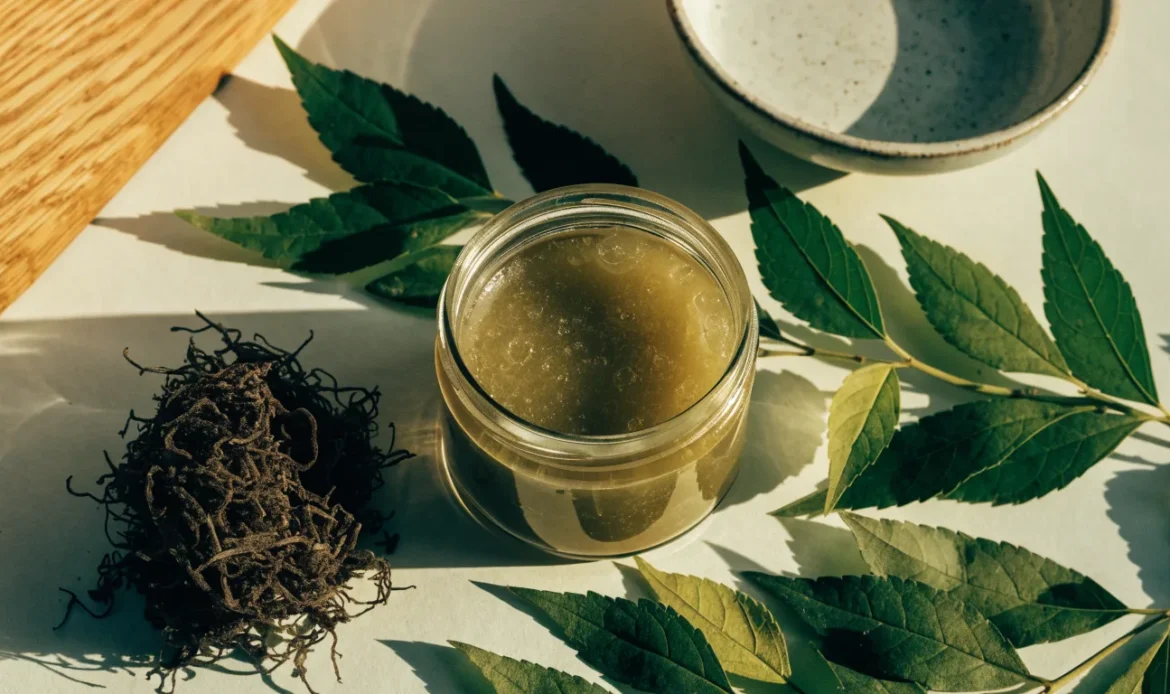
Short answer first: Sea moss is a type of edible seaweed people use as a food ingredient, a thickener, a topical ingredient, and a source of minerals that vary by species and harvest. It is not a guaranteed cure or a one-size-fits-all supplement. The benefits and risks depend on the sea moss type, how it was processed, and whether its iodine and contaminant levels were measured.
Why you can stop here or read on: This page gives a clear short answer, then shows how to check product details, compare forms, and pick a safe next step for buying or using sea moss.
What is sea moss?
Sea moss refers to several species of red seaweed that people harvest from coastal waters. It can be sold dried, powdered, in gel form, or processed into capsules and other products. Different species and growing conditions mean that the appearance and content can vary a lot.
Common uses people try
- Food thickener: Added to soups, sauces, smoothies, and desserts to add body.
- Culinary ingredient: Rehydrated and mixed into recipes in cultures that use seaweed.
- Gel: Made by soaking and blending dried pieces; some use this gel in smoothies or recipes.
- Powdered or capsule form: Sold as supplements for convenience.
- Topical uses: Sometimes included in skincare products as a moisturizing ingredient or texture agent.
These uses are about texture, flavor, and convenience. People also use sea moss because it is a natural ingredient that can replace animal-based thickeners or synthetic stabilizers.
What sea moss can contribute—what we know and what we don’t
Good things we can state:
- Sea moss is a seaweed. Like other seaweeds, it can contain a range of minerals. The amount and kind depend on species, water conditions, and harvest methods [1].
- Seaweed is a known source of iodine. Iodine levels in seaweed products vary widely. That means some sea moss can be a significant source of iodine, and others may contain much less [1][3].
- Because iodine affects the thyroid, large or unpredictable iodine intakes can matter for some people [2][5].
What we cannot prove from general product pages:
- You cannot assume any specific health outcome from eating sea moss. The nutrient content is variable. No single product can be said to give specific health results without lab data and clinical study evidence.
- You cannot assume a product is safe or free of contaminants without testing or reliable supplier information. Tests for iodine and contaminants are the only way to know the content of a given batch.
Sources that discuss these points include general seaweed nutrition reviews and reviews of iodine intake from seaweed. These show both potential nutrient contribution and the need for caution about iodine variability [1][2][3][5]. For consumer safety and supplement issues, see the supplement safety summary on sea moss [4].
How iodine makes sea moss different from many land foods
Iodine is a key example of why sea moss content varies. Seaweed often concentrates iodine from the seawater. Some seaweeds have low iodine; others can have very high iodine. This is important because:
- Iodine affects thyroid function.
- Both too little and too much iodine can be a problem for people with thyroid conditions or for people who are pregnant.
- Because seaweeds vary so much, you should not assume a serving contains a safe or standardized iodine dose unless the product gives a tested iodine value [2][3][5].
If you have thyroid disease, are pregnant, breastfeeding, or on medications that affect iodine/thyroid, check with a clinician before adding seaweed products to your diet. When possible, choose products that report iodine testing.
Evidence and uncertainty: what research shows
- Reviews and nutrition resources state that seaweeds are nutrient-rich in various minerals but also emphasize wide variation across species and batches [1].
- Medical and nutrition reviews point out that seaweed can be a major iodine source, and excessive iodine intake from seaweed is a documented concern in some cases [2][5].
- Survey studies have measured iodine levels across seaweed products and found a broad range of values, reinforcing the need for product-level testing [3].
- Consumer safety resources caution that some seaweed-based dietary supplements have inconsistent labeling or untested claims, so consumers should seek products with transparent testing and clear labeling [4].
Bottom line: the scientific literature supports both the potential of seaweeds to contribute minerals and the need for care because of variability and possible excess iodine.
Forms of sea moss and how people use them
- Dried sea moss (whole pieces): Rehydrate before use. Common in small-batch or artisan supply.
- Sea moss gel: Made by soaking dried sea moss, then blending with fresh water. Used as a food thickener or base for smoothies. Gel spoils faster and needs refrigeration.
- Powdered sea moss: Dried and ground. Easier to store and measure. Can be added to drinks and recipes.
- Capsules/tablets: For convenience. These are regulated as supplements in many markets and can vary in dose and concentration.
- Topical formulations: Creams, masks, and serums with seaweed extracts or sea moss gel as a component.
Each form has pros and cons. Gels are fresh and easy to use but perishable. Powders and dried forms store longer. Capsules are convenient but depend on the extraction and manufacturing process.
Safety checklist: what to check before buying or using sea moss
Practical checklist — use this when evaluating a sea moss product or supplier.
| Checkpoint | Why it matters | What to look for |
|---|---|---|
| Iodine testing reported | Iodine content can be high or low. Testing shows how much is in the product. | A clear statement on the label or product page with tested iodine (or how to request results). |
| Third-party lab reports | Independent lab testing can verify content and contaminants. | COA or lab report available on request or posted online. |
| Species identification | Different species have different nutrient profiles. | Botanical name or common species name on label. |
| Harvest or processing details | Where and how it was harvested affects composition. | Clear sourcing info and handling/processing methods. |
| Processing date / lot number | Gives traceability. | Batch or lot number and a pack date. |
| Storage instructions | Some forms are perishable. | Refrigeration need and recommended shelf handling. |
| Supplier transparency | A transparent seller answers questions and shares lab data. | Contact info and clear product pages. |
| Intended use instructions | Safety and use vary by form. | How to prepare, recommended serving context, and warnings. |
If a product lacks basic transparency, ask the seller for lab reports or harvest details. If they cannot provide them, treat the product as higher risk.
How to prepare and store common forms safely
Dried sea moss:
- Rinse under clean water to remove sand or debris.
- Soak in freshwater until it softens. Change water if it becomes cloudy.
- Use in cooking or make gel from the rehydrated pieces.
- Store dried product in a cool, dry place.
Sea moss gel:
- Make by blending rehydrated sea moss with water.
- Keep refrigerated. Use within the time recommended by the maker or make small batches if homemade.
- Discard if it smells off or shows mold.
Powder:
- Keep sealed in a dry container.
- Follow serving and storage guidance on the label.
Capsules/supplements:
- Follow the product label and a clinician’s advice, especially if you have thyroid issues or are pregnant.
Note about cooking and iodine: Some iodine can be lost when seaweed is cooked or soaked, because iodine can leach into water. The exact amount depends on species, cooking time, and water used [1]. Don’t assume cooking removes all iodine.
Comparing formats: decision guide
If you want to choose a format, consider these simple decision points.
- You want convenience and measured servings: Look at capsules or powders, but require lab-tested iodine and full ingredient lists.
- You want natural texture for smoothies or food: Try gel or rehydrated pieces. Be ready to store gel cold.
- You want a long shelf life: Dried pieces or powders store longer than gel.
- You need product-level safety: Ask for third-party lab testing regardless of format.
- You are buying wholesale for a business: Ask for batch testing, lot traceability, and handling specifications.
Use the checklist table above before you buy. If you still have doubts, request a certificate of analysis (COA) or lab report from the seller.
Buying sea moss: questions to ask a seller
- What species is this sea moss?
- Do you have a lab report that lists iodine and contaminant levels for this batch?
- Where and when was it harvested?
- How was it dried and processed?
- What are the storage and use instructions?
- Do you offer wholesale documentation if I need larger quantities?
If the seller hesitates or gives vague answers, ask for a written report. Transparent sellers usually provide clear answers.
Practical tips for people with thyroid concerns or pregnancy
- Iodine intake matters to thyroid health. Some seaweeds can contain large amounts of iodine. If you are pregnant, breastfeeding, or have a thyroid condition, talk with a clinician before using seaweed products [2][5].
- If possible, choose products with tested iodine amounts so decisions can be based on numbers rather than guesswork [3].
- Do not rely on sea moss as a primary source of any single nutrient without measured values.
Where to learn more or shop
- Read more about seaweed basics on our learning pages: Learn about sea moss.
- View available formats and product pages: Shop our products.
- If you are buying large quantities, see our wholesale information: Wholesale options.
- For general questions or reports, contact us: Contact Zen Wholesalers.
- Return to our home page for navigation: Zen Wholesalers home.
Conclusion
Sea moss is useful as a food ingredient, thickener, and source of minerals found in seaweed. Its value depends on species, harvest, and processing. The key steps for deciding whether and how to use sea moss are simple: check for species and batch testing, ask for iodine and contaminant results, choose a form that fits your use and storage needs, and consult a clinician if you have thyroid conditions, pregnancy, or other health concerns. Use the checklist and decision points above to compare products. These steps help you make a more informed, safer choice.
Frequently asked questions
Is sea moss good for the thyroid?
Sea moss can contain iodine, which affects the thyroid. Because iodine content varies widely in seaweed, you should not assume a safe or therapeutic dose without a lab-tested iodine value. If you have thyroid disease, discuss seaweed use with your clinician first [2][3][5].
How much sea moss should I take?
There is no universal dose that fits everyone. Safe intake depends on the product’s tested iodine level, your diet, and any medical conditions. If you are considering regular use, look for products with tested iodine values and consult a clinician [3][4].
Is sea moss safe during pregnancy?
Because iodine matters in pregnancy, and seaweed iodine is variable, people who are pregnant or breastfeeding should consult a clinician before using seaweed products. Choose products that provide tested iodine values if you plan to use them [2][3].
Can I make sea moss gel at home?
Yes. Typical steps are to rinse dried sea moss, soak in clean water until softened, blend with fresh water until smooth, and store the gel refrigerated. Make small batches and discard if the gel smells off or shows mold. If you plan regular use, consider having the dried material tested or buy from a seller who shares test results.
How do I know if a sea moss product is contaminated?
You cannot know just by looking. Ask the seller for recent third-party lab results or a certificate of analysis that tests for contaminants and iodine. If a seller cannot share testing information, treat the product as higher risk [4].
Does cooking sea moss remove iodine?
Cooking and soaking can reduce some iodine because iodine can leach into water, but the exact amount removed depends on species, time, and method. Do not assume cooking eliminates all iodine [1].
References
- Harvard T.H. Chan School of Public Health, “Seaweed.” https://nutritionsource.hsph.harvard.edu/seaweed/
- Smyth PPA. “Iodine, Seaweed, and the Thyroid.” European Thyroid Journal, 2021. https://pmc.ncbi.nlm.nih.gov/articles/PMC8077470/
- Food Standards Australia New Zealand, “Survey of iodine levels in seaweed and seaweed containing products,” updated 2025. https://www.foodstandards.gov.au/science-data/monitoring-safety/surveyofiodinelevels
- Operation Supplement Safety, “Sea Moss in Dietary Supplements.” https://www.opss.org/article/sea-moss-dietary-supplements
- Blikra MJ et al. “Consequences of acute and long-term excessive iodine intake: A literature review focusing on seaweed as a potential dietary iodine source.” 2024. https://doi.org/10.1111/1541-4337.70037