
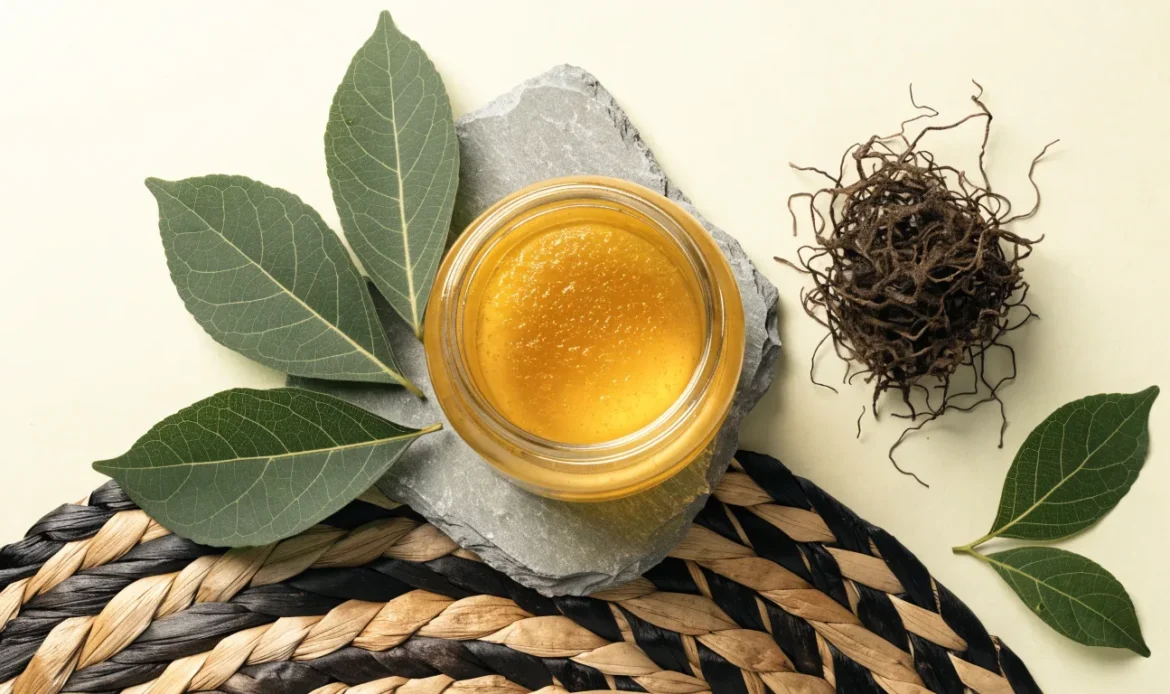
Short answer: Sea moss usually tastes mild, briny, and a little ocean-like. Texture matters more than flavor. How it was harvested, dried, or prepared changes what you notice on your tongue. Below is a clear guide to what sea moss can taste like, why it varies, and how to pick a form that fits your food and flavor preferences.
Why you’ll find the short answer useful first
- If you want sea moss in a smoothie, know if it will add a sea flavor.
- If you plan to cook with it, know how much taste to expect.
- If you are sensitive to salty or sea notes, you can choose a format that masks them.
If you want to skip to buying or formats, use these links:
- Home overview: Home
- Learn more guides: Learn
- Browse products: Shop
- Wholesale options: Wholesale
- Contact us: Contact
How to read this guide
- First, a plain description of common flavors and textures.
- Then a format-by-format taste and use guide.
- Next, practical checks to make before buying.
- Finally, a decision checklist and FAQ.
This helps you decide fast and safely.
What sea moss commonly tastes like
Sea moss flavor is not strong. Many people call it “mild” or “light.” The main notes you might notice are:
- Briny or ocean-like. This is a mild saltiness and a sea aroma.
- Slightly earthy or vegetal. Some batches have a faint plant taste.
- Neutral when well-rinsed or blended. Texture often stands out more than flavor.
- A slimy, gelatinous mouthfeel when it’s made into gel or cooked. That can feel slippery or smooth.
Taste depends on species, place of harvest, and how it was handled after harvest. This means two pieces of sea moss can taste different even if they look similar. You cannot tell everything about safety or nutrients just by taste.
Important safety note
Seaweeds, including sea moss, can contain variable iodine and other elements. Iodine levels vary by species and region. Some seaweed products have high iodine. If you plan to eat sea moss often, ask your supplier about testing and safe use. Research on seaweed and iodine shows variability and a need for caution [1][2][5]. The labels on supplements or foods may not tell the whole story, so look for testing information or contact the seller for details [4].
Why the taste varies
Four main reasons:
- Species and growing environment. Different seaweeds have different flavors. Water conditions, tides, and growth stage change taste.
- Harvesting and cleaning. Freshly cleaned sea moss tastes lighter. Poor rinsing can leave sand, salt, or a fishy smell.
- Drying and storage. Sun-dried and machine-dried sea moss can taste different. Long storage can mute flavor or add stale notes.
- Processing and added ingredients. Many gels, powders, and capsules include other ingredients. Those will change taste.
What you should not assume from taste
- Taste alone does not prove safety. You cannot taste iodine levels or certain contaminants.
- A pleasant smell does not mean a product was handled or tested properly.
- A neutral taste does not mean there are no additives. Read the label.
For nutrient and safety topics, reputable sources note the variability in seaweed content and urge testing and caution for regular consumers [1][2][3][5].
Common sea moss formats and how they taste and feel
Below are the most common product formats. Each has a short taste profile and common uses.
H3: Dried raw sea moss (whole/dore)
- Taste: Mildly briny, sometimes slightly earthy. Taste is often faint when dry.
- Texture: Hard and crisp when dry. After soaking, it becomes rubbery to tender.
- Use: Rehydrate, then cook or blend. Good for recipes where you will control flavor.
- Notes: Rinse well to remove sand and salt. Soaking reduces some sea aroma.
H3: Rehydrated fresh sea moss
- Taste: Stronger sea notes than dried. Fresher aroma and mild saltiness.
- Texture: Gelatinous and slippery, especially if simmered or blended.
- Use: Soups, stews, porridges, or straight into smoothies after blending.
- Notes: Rinsing and short soak time reduce brininess. Longer soaks soften texture further.
H3: Sea moss gel (prepared)
- Taste: Very mild sea flavor, often subtle. Texture dominates — smooth and slippery.
- Texture: Soft, thick gel. Adds body to drinks and foods.
- Use: Smoothies, sauces, puddings, topical uses. Gel is often chosen for convenience.
- Notes: Commercial gels may include flavorings or preservatives. Home-made gel flavor depends on water used and rinsing.
H3: Powdered sea moss
- Taste: Can be more concentrated in sea notes. Powder may show more plant flavor.
- Texture: Fine powder that blends or dissolves. In drinks, it can feel a bit gritty if not fully dissolved.
- Use: Mix into powders, smoothies, or capsules. Good when you want a dry shelf-stable form.
- Notes: Check for fillers or added ingredients that affect taste.
H3: Capsules and tablets (supplements)
- Taste: Mostly neutral, since you swallow them. If opened, powder inside tastes like powdered sea moss.
- Texture: Easy to take. No mouthfeel from gel.
- Use: For convenience and portion control.
- Notes: Capsules may hide flavor but can also hide other ingredients. Label review is important [4].
How preparation changes taste
Simple steps can reduce or change the sea flavor:
- Rinse thoroughly. Cold water rinses remove sand and surface salt.
- Soak in fresh water. Soaking softens the seaweed and can reduce strong ocean notes. Change the water if it darkens or smells strong.
- Simmer briefly. Cooking in other liquids mellows the sea flavor and softens texture. Avoid long boiling if you want a firmer texture.
- Blend with strong flavors. Citrus, berries, cocoa, vanilla, and spices reduce sea notes in smoothies and desserts.
- Use neutral bases. Milk, nut milk, and yogurt help mask taste and add creaminess.
What rinsing and cooking cannot guarantee
- These steps do not remove iodine to a predictable level. Iodine can be water-soluble, but results vary by species and how it was processed. If you need to limit iodine intake, seek product testing information or professional advice [2][5].
Practical comparison table (format, taste, texture, best uses)
| Format | Typical taste | Typical texture | Best uses |
|---|---|---|---|
| Dried raw | Mild, faintly briny | Crisp dry; rubbery when soaked | Rehydrate for cooking; long storage |
| Rehydrated fresh | Noticeable briny sea notes | Gelatinous, chewy | Soups, stews, blended recipes |
| Gel (prepared) | Mild sea notes | Smooth, thick gel | Smoothies, desserts, sauces |
| Powder | More concentrated sea notes | Fine; may feel slightly gritty | Mix in dry blends or formulas |
| Capsules/tablets | Neutral in mouth | Easy to swallow | Convenience; no taste impact |
Use this table to match your cooking and taste preferences.
How to reduce a “sea” taste if you don’t like it
- Start with a small amount. Add more after tasting.
- Rinse and soak the raw sea moss. Change the water once during soak.
- Blend into strong-flavored smoothies (bananas, berries, cocoa).
- Add citrus or vinegar to balance the ocean notes.
- Use sea moss in cooked sauces; long-cooked sauces dilute the sea flavor.
- Try powder or capsule forms if texture bothers you.
What you can check before buying
Buying smart matters because taste and content vary. Here’s what you can ask or look for.
Checklist: What to check before buying sea moss
- Product format: Do you want dried, gel, powder, or capsules?
- Ingredients list: Is it pure sea moss or are there added sweeteners, preservatives, or fillers?
- Processing and preparation instructions: Does the seller explain how to rinse and prepare?
- Source information: Does the supplier say where the sea moss was harvested? Note that location alone does not prove safety.
- Testing and lab results: Does the vendor provide tests for iodine or contaminants? Ask for lab reports if you plan regular use.
- Packaging and storage guidance: How long will it last once opened? How should you store it?
- Return and contact policy: Can you ask follow-up questions? Is there a way to contact the seller?
- Intended use: Is the product labeled for food use, topical use, or both? Labels should match your plan.
Why testing and clear labels matter
- Seaweed iodine and other elements vary. Independent testing can show levels. Public sources advise caution with iodine and highlight the variability in seaweed products [1][2][3][5].
- Supplement labels and product pages do not always show full testing details. If the information matters to you, request it from the seller [4].
Decision guide: Which format is right for you?
Use this simple guide to pick a format based on your taste and needs.
- You want the mildest taste and smooth texture: Choose gel.
- You want the least sea aroma and easy dosage: Choose capsules.
- You plan to cook and want to control flavor: Choose dried raw.
- You want a shelf-stable additive for mixes: Choose powder.
- You like fresh sea flavor and texture: Choose rehydrated fresh.
Also factor in:
- Convenience vs. control. Gels and capsules are convenient. Dried and powder give more control in recipes.
- Frequency of use. If you will use sea moss daily, prioritize suppliers with testing info and clear labels.
- Food versus topical use. Some products are sold for topical use only. Only use food-grade products in recipes.
What the available information cannot prove
- You cannot judge iodine levels, heavy metals, or microbiological safety only by taste or smell. Testing is the only reliable way to know these values [1][2][3][5].
- Product labels may not list all processing steps or all ingredients. Claims on product pages vary in detail. Ask for lab or processing documentation if a specific safety profile matters to you [4].
Next questions to ask your seller
- Do you provide recent lab tests for iodine or contaminants?
- What species of sea moss is this? (If they know.)
- How was this product dried and stored?
- Is this product food-grade or for topical use only?
- Do you recommend a serving size and frequency? (They should not give medical advice, but they can note typical culinary servings.)
Practical checklist to use right now
- Decide the format you want (gel, dried, powder, capsule).
- Read the ingredients list. Look for added sugars or preservatives if you want plain sea moss.
- Ask for lab reports or test summaries if you plan to use sea moss daily.
- Rinse and soak dried sea moss before use. Change the soak water once.
- Start with a small amount in recipes. Taste and adjust.
- Store opened products as the supplier recommends. If unsure, ask the seller.
Conclusion
Sea moss most often tastes mild and a little briny. Texture and format matter more than a strong flavor. You can make sea moss less noticeable with rinsing, soaking, cooking, or blending into bold flavors. Taste alone cannot tell you about iodine or other elements. If you plan regular use, ask the seller for testing and clear product details. Use the checklist above to pick a format that matches your food style and tolerance for sea notes.
If you want more reading on seaweed, safety, and iodine, see reputable sources and ask sellers for lab tests. For more on how to use sea moss in recipes or to browse product options, start here: Learn (/learn/), visit our Shop (/shop/), or contact us for questions at Contact (/contact/). For volume purchases, visit Wholesale (/wholesale/).
Frequently asked questions
Does sea moss taste salty?
Sea moss can have a mild salty or briny note. It is usually not as salty as table salt. Rinsing, soaking, and cooking reduce the salty taste.
Will sea moss make my food taste like the ocean?
Not usually. In many recipes, sea moss acts more as a texture agent than a flavor driver. If you use a lot of raw sea moss without rinsing, you may notice stronger ocean notes.
Does sea moss gel taste different from dried sea moss?
Yes. Gel tends to be milder and has a slick, smooth mouthfeel. Dried sea moss may have a slightly stronger sea aroma after rehydration.
Can I remove iodine by cooking or rinsing?
Rinsing and soaking may reduce some water-soluble compounds. However, iodine content varies by species and processing. These steps do not guarantee safe iodine levels. If iodine intake is a concern, seek supplier testing information and consult a professional [2][5].
How can I tell if my sea moss is pure or mixed with fillers?
Read the ingredients list. Pure sea moss should list only the seaweed (and possibly water for gels). If the label is unclear, ask the seller for details. Capsule and powder blends may include other botanical ingredients.
Is there a standard taste for sea moss?
No single standard exists. Taste varies by species, harvest site, and processing. Suppliers who test and describe their product handling are more likely to offer consistent flavor from batch to batch.
References
- Harvard T.H. Chan School of Public Health, “Seaweed.” https://nutritionsource.hsph.harvard.edu/seaweed/
- Smyth PPA. “Iodine, Seaweed, and the Thyroid.” European Thyroid Journal, 2021. https://pmc.ncbi.nlm.nih.gov/articles/PMC8077470/
- Food Standards Australia New Zealand, “Survey of iodine levels in seaweed and seaweed containing products,” updated 2025. https://www.foodstandards.gov.au/science-data/monitoring-safety/surveyofiodinelevels
- Operation Supplement Safety, “Sea Moss in Dietary Supplements.” https://www.opss.org/article/sea-moss-dietary-supplements
- Blikra MJ et al. “Consequences of acute and long-term excessive iodine intake: A literature review focusing on seaweed as a potential dietary iodine source.” 2024. https://doi.org/10.1111/1541-4337.70037