
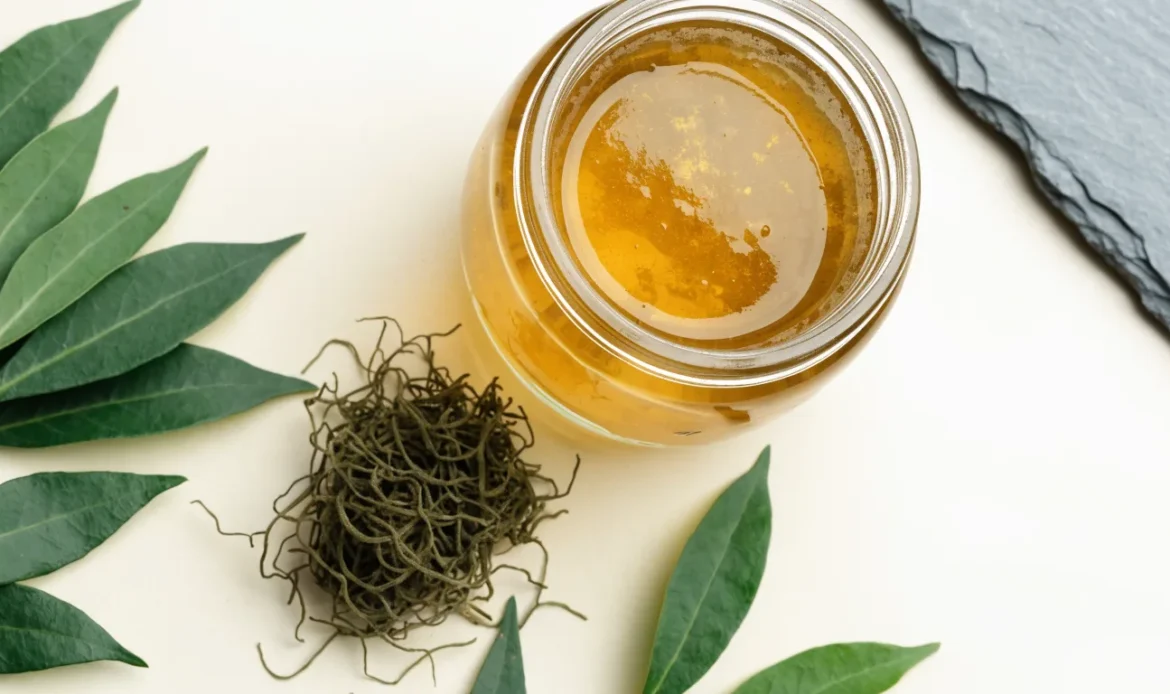
Short answer: Sea moss with spirulina is a product that mixes two different marine-sourced ingredients — sea moss (a red seaweed) and spirulina (a blue-green microalga). People buy blends in powders, gels, capsules, and raw forms. The mix is a culinary and supplement-style option, not a medical treatment. Read on to learn what each ingredient is, how formats differ, what to check for when buying, and practical safety questions to ask.
What are sea moss and spirulina?
- Sea moss: This is a general name for several species of red seaweed that grow in coastal waters. It is used as a food and ingredient in many cultures. Sea moss is a whole seaweed product when sold dried, and it is also used to make gels and powders.
- Spirulina: Spirulina is a blue-green microalga (often called blue-green algae). It grows in freshwater and is usually sold as a powder or tablet. It is biologically different from sea moss.
Both are sold as foods or dietary supplements. They come in mixes labeled as blends, powders, or combined capsules. That means the combination “sea moss with spirulina” can be a culinary ingredient, a ready-made gel, or a packaged supplement.
Why people combine them
People mix sea moss and spirulina for several practical reasons:
- Flavor and color: Spirulina adds a green or blue-green color and an earthy taste.
- Texture and handling: Sea moss forms a gel that some people like to use in smoothies or recipes. Adding spirulina changes texture and color.
- Convenience: A blended powder or capsule can be easier to store and use than separate products.
These are product and use reasons, not health claims. If you want a particular taste, texture, or format, a blend may be useful.
How sea moss with spirulina is sold (formats and pros/cons)
Products vary a lot. Below is a practical comparison you can use when deciding which format fits your needs.
| Format | What it is | Pros | Cons | Good if you want… |
|---|---|---|---|---|
| Dried sea moss + separate spirulina powder | Two separate dry items sold together or bought separately | Long shelf life; control over mix ratio | More prep; requires soaking/gel-making | Full control of strength and texture |
| Pre-mixed powder | Dried sea moss and spirulina ground together | Easy to add to smoothies; shelf-stable | May clump; hard to check ingredient quality | Quick mixing into drinks |
| Gel with spirulina | Sea moss prepared into a gel with spirulina blended in | Ready to use for recipes; smooth texture | Shorter fridge life; may have added water/preservatives | Smoothie-ready or dessert use |
| Capsules/tablets | Powdered blend in capsule form | Convenient dose; portable | Less flexible dosing; hard to test quality | On-the-go dosing or trials |
| Bulk or wholesale raw | Large quantities of dried sea moss and spirulina | Cost-effective for makers/retailers | Requires storage and prep | Small businesses or recipe makers |
This table is a practical guide. It does not guarantee product safety or quality. Always read labels and ask sellers for testing information if you have concerns.
Safety and variability: what we know and what we don’t
Seaweed and similar products vary a lot from batch to batch. Here are the key facts to keep in mind.
- Iodine can be high and variable in seaweeds. Different seaweeds and harvests have very different iodine content. This is a known issue with seaweed foods generally [1][2]. High iodine intake can matter for people with thyroid conditions. If you have a thyroid condition, ask your clinician before changing your diet or adding regular supplements [2].
- Surveys show that iodine levels in seaweed products vary across samples and brands. Authorities who test foods have found a wide range in iodine for seaweed-containing items [3].
- Excess intake of iodine from seaweed is a documented concern in the literature. Reviews note that both short-term and long-term excessive iodine exposure can affect the thyroid in some people [5].
- Sea products can also vary in other components because of where they were grown and how they were processed. This can affect mineral content and the presence of naturally occurring elements.
- Dietary supplements are not regulated the same way as prescription medicines. This means the label may not always match the actual content unless the maker obtains third-party testing or posts lab results. Operation Supplement Safety discusses these kinds of concerns for sea moss supplements [4].
What you can check:
- Ingredient list.
- Nutrition label and serving size.
- Any third-party lab tests or certificates of analysis (COAs) the seller provides.
- Harvest or processing location when provided (but note: a listed origin is not proof against contamination or variability).
- Storage and use instructions.
What is not proven by labels alone:
- Exact mineral levels in the product batch you buy.
- Absence of contaminants unless a recent test result for your batch is provided.
- Safety for specific medical conditions — this requires advice from a healthcare professional.
Practical decision checklist: should you buy sea moss with spirulina?
Use this checklist before you buy. Mark Yes/No and follow the action in the right column.
- Do you know why you want this product? Yes/No
Action: If “No,” pause. Choose a format by use (cooking vs. daily capsule). See format table.
- Is the product labeled as a food or a dietary supplement? Food / Supplement / Unsure
Action: If “Unsure,” ask the seller. Regulations differ and label affects claims and testing.
- Does the product show a full ingredient list? Yes/No
Action: If “No,” do not buy. You should know every ingredient, including any fillers.
- Is the source or harvest area listed? Yes/No
Action: If “Yes,” note it. This information helps you ask follow-up questions about testing.
- Are third-party lab results (COA) or testing data available for the batch? Yes/No
Action: If “No” and you have safety concerns, ask the seller to provide recent test results before buying.
- Does the product list iodine content or a warning about iodine? Yes/No
Action: If “No” and you are concerned about thyroid issues, consult a clinician before regular use.
- Is the seller transparent about processing (dried, heat-treated, freeze-dried)? Yes/No
Action: If “No,” ask how the product was processed and stored.
- Will you use the product daily or only occasionally? Daily / Occasional
Action: If Daily, be more cautious about iodine and source testing. If Occasional, single serving risk is different but still check labels.
- Are you buying bulk (wholesale)? Yes/No
Action: If Yes, ask about lot testing and shelf stability.
This checklist is practical. It helps you collect information sellers should be able to provide. It cannot prove safety on its own.
How to read labels and seller claims
- Ingredient list: Look for clear naming. If the product uses trade names or vague terms, ask for plain ingredient names.
- Serving size: Compare serving size to the form you will use. A small serving of powder can be more concentrated than expected.
- Nutrition panel: If a nutrition panel is provided, use it to compare products. But remember panels may not list all minerals or elements.
- Warnings: Look for any warnings about iodine or allergies.
- Batch testing: Prefer products where the seller supplies recent batch-specific test results or COAs. A generic statement that “we test” is not the same as a COA for the specific batch you receive.
- “Natural” or “wild” labels: These describe a sourcing approach but do not guarantee consistent composition or absence of contaminants.
If the seller cannot answer your questions, consider another product or ask for a return policy.
Preparation and basic handling guidance
Note: This is practical food handling and not medical advice.
- Dried sea moss: Typically needs rinsing to remove debris and sand. Then it is soaked in water until soft. People often make a gel by blending soaked sea moss with fresh water.
- Spirulina powder: Usually added directly to liquids or blended into smoothies. It does not require soaking.
- Pre-mixed powders: Mix into smoothies or water. Start with small serving sizes if you are trying a new flavor or product.
- Gel products: Keep refrigerated. Use within the timeline stated on the product label.
- Capsules/tablets: Follow the product label for serving guidance.
Storage: Keep dried products in a cool, dry place. Keep gels refrigerated. For bulk or wholesale purchases, ask about proper storage and typical shelf life from the seller.
Common quality questions to ask a seller
- Can you provide a batch-specific Certificate of Analysis (COA)?
- Was this product tested for iodine, heavy metals, and microbial contaminants?
- Where and when was the sea moss harvested and processed?
- What processing methods were used (air-dried, heat-treated, freeze-dried)?
- Are there any added ingredients, preservatives, or carriers?
- What is the recommended serving size and suggested use?
- What is the return policy if the product is not as described?
A clear seller will provide direct answers. If the seller gives vague replies, that is a caution sign.
Buying wholesale or for resale
If you are buying large quantities:
- Ask for lot-specific testing and the seller’s standard operating procedures.
- Confirm lead times, storage needs, and minimum order quantities.
- Ask if the seller can provide documentation you can show customers (e.g., COAs, ingredient lists).
- Consider purchasing a test from an independent lab for your first large lot.
Wholesale purchases increase your need for documentation because you may be reselling or preparing food products for others.
Things to watch for (risks and uncertainties)
- Iodine variability: Some seaweeds can be high in iodine. The level differs by species, harvest, and processing [1][2][3][5].
- Label vs. reality: Labels do not always reflect batch-specific content unless COAs are provided [4].
- Contamination risk: Location and handling affect the presence of unwanted elements. Testing is the only way to know for sure.
- Health context: People with thyroid conditions or those on certain medications should consult a clinician before adding regular servings of seaweed products [2][5].
These are not reasons to avoid sea moss with spirulina automatically. They are checkpoints to make an informed choice.
Next useful guides
- If you want to learn more about seaweed basics, see our learn hub: Learn.
- If you want shopping options or to view product formats, see our catalog: Shop.
- If you want bulk or wholesale information, see the wholesale page: Wholesale.
- If you have questions about our products or need COAs, contact us: Contact.
- Return to our home page for general info: Home.
Conclusion
Sea moss with spirulina is a mix of two distinct marine ingredients sold in many formats. It can be useful for cooking or as a convenient blend. The most important steps before buying are simple: know why you want it, read ingredient labels, ask for batch testing (COAs), and check storage and serving guidance. Be especially mindful of iodine variability in seaweed products and ask a clinician if you have thyroid or other health concerns. Use the checklist and format guide here to make a clear, practical choice.
Frequently asked questions
Is sea moss with spirulina the same as spirulina alone?
No. Spirulina is a freshwater microalga. Sea moss is a red seaweed. A blend combines two different kinds of ingredients in one product.
Will the label tell me how much iodine is in the product?
Not always. Some products list iodine content. Many do not. If iodine is not listed and you are concerned, ask the seller for test results for the specific batch [1][3].
Are there safety tests I should ask for?
Yes. Ask for a Certificate of Analysis (COA) that shows recent tests for iodine and, if relevant, heavy metals and microbes. A COA should match the batch you receive [4].
Can I make my own sea moss with spirulina at home?
Yes. You can soak and blend dried sea moss to make gel, then mix in spirulina powder. This gives you control over ratios and freshness. Follow basic food-safety steps: rinse, soak, store in clean containers, and refrigerate gels.
Is a gel safer than a powder?
Safety depends on testing and handling, not format alone. Gels have shorter shelf life, so storage and hygiene matter more. Powders can be shelf-stable but still vary in composition. Ask for testing and follow storage instructions.
What if I want to sell products made from sea moss with spirulina?
For resale, request lot testing and COAs. Know the storage rules and labeling requirements. Consider independent batch testing before you sell large quantities.
References
- Harvard T.H. Chan School of Public Health, “Seaweed.” https://nutritionsource.hsph.harvard.edu/seaweed/
- Smyth PPA. “Iodine, Seaweed, and the Thyroid.” European Thyroid Journal, 2021. https://pmc.ncbi.nlm.nih.gov/articles/PMC8077470/
- Food Standards Australia New Zealand, “Survey of iodine levels in seaweed and seaweed containing products,” updated 2025. https://www.foodstandards.gov.au/science-data/monitoring-safety/surveyofiodinelevels
- Operation Supplement Safety, “Sea Moss in Dietary Supplements.” https://www.opss.org/article/sea-moss-dietary-supplements
- Blikra MJ et al. “Consequences of acute and long-term excessive iodine intake: A literature review focusing on seaweed as a potential dietary iodine source.” 2024. https://doi.org/10.1111/1541-4337.70037