
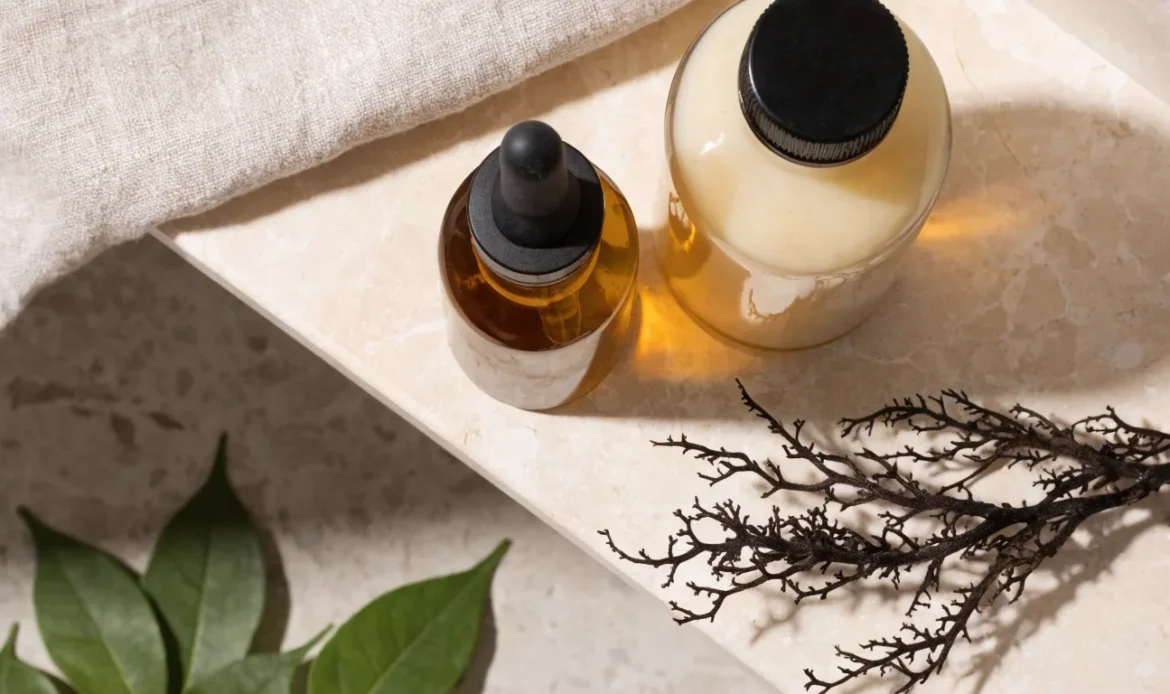
Short answer first: Sea moss shampoo is a hair-cleaning product that includes sea moss or sea-moss–derived ingredients. Makers add sea moss for texture, film-forming, or conditioning effects. It is not a medical treatment. If you want to try one, check the label for how sea moss is included, test it on your skin first, and pick a product that matches your hair needs.
Why this matters: seaweeds contain minerals and other components that vary a lot. That variability affects how a shampoo behaves and what risks exist. Below you will find clear steps to choose, use, or make a sea moss shampoo and a practical checklist to guide your decision.
What is sea moss shampoo?
Sea moss shampoo is a regular shampoo formula that lists sea moss, seaweed extract, carrageenan, or seaweed-derived ingredients in the ingredients list. Sea moss itself is a common name for several kinds of seaweed that people sometimes use for food and cosmetic products.
How sea moss shows up in products:
- As sea moss gel or powder added to a formula.
- As a botanical extract on the label.
- As carrageenan or other red-algae derivatives used as thickeners or film-formers.
- As part of a proprietary “marine complex” ingredient.
In a shampoo, the sea-moss component is usually one of several ingredients. Surfactants, humectants, preservatives, and fragrance may still make up most of the formula.
What people expect from sea moss shampoo
People try sea moss shampoo for everyday cosmetic reasons, such as:
- A smoother lather or thicker texture.
- A coating or light film that can make hair feel softer or easier to comb.
- Botanical marketing appeal for shoppers who prefer seaweed-based ingredients.
These are cosmetic effects, not health claims. How a product performs depends on the full formula, not only the sea moss. Two shampoos that both list sea moss can behave very differently.
What the science and guidance say — and what they don’t
What we know:
- Seaweeds contain minerals and bioactive molecules. The amounts vary by species, location, harvest time, and processing method [1].
- Iodine levels in seaweeds can be high and also vary widely. Studies and reviews note that iodine content can lead to excessive intake if used as food without caution [2][3][5].
- Commercial sea moss products and supplements can vary a lot in composition and labeling. Buyers should expect variability and limited standardization in many products on the market [4].
What we don’t know from current public sources:
- There are few controlled studies that test sea moss shampoo against non-seaweed shampoos for specific cosmetic outcomes.
- Public information rarely shows exact concentrations of seaweed-derived ingredients in shampoos. Labels often do not list percentages, so effects and exposure are hard to predict.
- The risk of iodine or other mineral transfer to the body from topical shampoo use has not been clearly established in typical consumer products. A conservative approach is to check labels and consult your clinician if you have a medical condition sensitive to iodine.
In short, sea moss can contribute texture and botanical appeal. But the real effect on hair and the safety profile depend on how it’s used and what else is in the product.
How sea moss is used in shampoo formulas
Common roles for sea-moss components:
- Thickener or stabilizer. Carrageenan and some extracts help create a thicker feel.
- Conditioning/film-forming agent. Some algal polysaccharides form a light coating on hair strands.
- Marketing/label appeal. “Sea moss” appears on labels to signal a natural or marine ingredient.
- Moisture-holding partners. Seaweed ingredients are often combined with glycerin or other humectants.
What else to expect in the same bottle:
- Surfactants to clean hair (these can be mild or stronger).
- Preservatives to stop microbial growth.
- Fragrance and colorants.
- Conditioning silicones or oils in some formulas.
Always read the whole ingredients list. Seaweed terms on the label do not tell you whether the shampoo contains sulfates, silicones, or strong preservatives.
Choosing a sea moss shampoo: a practical decision checklist
Use this checklist when you compare products. It helps you decide what matters and what to look for on the label.
| Criterion | What to check on the label or product page | Why it matters | Red flag |
|---|---|---|---|
| Sea moss ingredient form | Is it listed as “sea moss,” “seaweed extract,” “carrageenan,” or a trade name? | Different forms behave differently (gel vs. extract vs. thickener). | Ingredient only in marketing name without ingredient list. |
| Ingredient order | Are seaweed ingredients near the top (high amount) or near the end? | Ingredients are listed by amount. Top-listed ones are in higher amounts. | Sea moss listed far down but heavily marketed—may be minor. |
| Surfactant type | Does it name sulfates (SLS, SLES) or milder surfactants? | Affects foam and potential scalp dryness. | Only strong sulfates for sensitive scalps. |
| Preservatives and shelf life cues | Are preservatives listed? Is there storage advice? | Seaweed-based ingredients can spoil if not preserved. | No preservatives or storage info on a wet product. |
| pH information | Does the product list pH or say “balanced for hair”? | pH affects hair cuticle behavior. | No pH info if you are pH-sensitive. |
| Fragrance and irritants | Is fragrance or essential oil high on the list? | Fragrance can irritate scalps. | Multiple irritant ingredients if you have sensitive skin. |
| Transparency and testing | Does the brand list origin, lab testing, or safety checks? | Shows company transparency and quality control. | Vague claims like “pure” without support. |
| Suitability for hair type | Does the product specify fine, curly, oily, color-treated hair? | Helps match the formula to your hair needs. | No guidance and broad “for all hair” claims if you have special needs. |
| Price and size | Is price per ounce clear? | Helps compare value between products. | Very high price without ingredient details. |
| Allergy/medical notes | Any warnings for people with thyroid issues or allergies? | Some people may prefer caution for iodine exposure. | No warnings if product contains seaweed and you have a thyroid condition. |
Use this checklist as a shopping tool. If an ingredient or safety point matters to you, contact the seller or maker for details before you buy.
How to use sea moss shampoo safely
Basic usage tips:
- Wet hair thoroughly. Apply shampoo and massage the scalp gently.
- Work the product through from roots to ends. Rinse completely.
- Repeat if hair feels unclean. Follow with a conditioner if desired.
- If you have a sensitive scalp, rinse sooner and do a patch test first.
Patch test recommendation:
- Place a small drop of product on the inner forearm or behind the ear.
- Leave it 24–48 hours and watch for redness, itching, or irritation.
- If irritation appears, do not use the product on your scalp.
If you have a diagnosed thyroid condition or are concerned about mineral exposure, consult your healthcare provider. The iodine content of seaweed-based ingredients can vary [2][3][5].
DIY sea moss shampoo: basic guidance and safety
Some people make their own sea moss shampoo or add sea moss gel to a mild base. Here are safe, practical points to follow:
- Start with a mild, preserved shampoo base rather than plain water if you want to avoid quick spoilage.
- Add a small amount of sea moss gel or powdered extract to the base. Stir to distribute.
- Make small batches you can use quickly. Do not store homemade wet products for long without a preservative.
- Keep DIY products in clean containers. Use clean spoons or tools each time to avoid contamination.
- Store in a cool place and watch for any change in smell, color, or texture. Discard at the first sign of spoilage.
- If you plan to sell or share DIY cosmetics, learn cosmetic-preservative safety rules and local regulations. Unpreserved water-based products can grow microbes.
Note: The quality and composition of raw sea moss vary. If you want consistent results, a commercial product with clear labeling and preservatives is safer for long-term use.
Ingredient and label vocabulary that helps
Here are common terms you’ll see and what they generally mean for sea moss shampoo buyers:
- “Seaweed extract” or “algae extract”: Could be a water or alcohol extract. Concentration is rarely shown.
- “Sea moss gel”: A processed form of sea moss, often used as a thickener or conditioner.
- “Carrageenan”: A common red-algae polysaccharide used as a thickener. Not the same as whole sea moss.
- “Marine complex”: A marketing term. Check the actual ingredient list for specifics.
- “Hypoallergenic”: No regulated meaning; companies may use it without proof. Patch test anyway.
- “Sulfate-free”: Means certain strong surfactants are avoided, but milder cleaning agents will be present.
- “Preservative-free”: If a water-based product is preservative-free, it should be stored carefully and used rapidly.
Safety points and special cautions
Iodine and variability
- Seaweed iodine content varies widely. Some seaweeds have much higher iodine than others [1][2][3][5]. This is important mainly for edible seaweed, but the variability shows how different seaweed ingredients can be from batch to batch.
- If you have thyroid disease or are concerned about iodine exposure, talk to your healthcare professional before regular use of seaweed-containing products.
Contaminants
- Seaweed can pick up metals and other substances from its environment. Some regulatory or survey work has measured these elements in seaweed products [1][3]. The presence and level of any contaminant depend on where and how the seaweed was harvested and processed.
Label transparency
- Brands that share origin, testing, and extraction methods make it easier to judge safety. If a product does not list basic details, ask the company for more information.
Allergies and sensitivities
- Fragrances and essential oils in sea moss shampoos can cause irritation in some people. Patch-test before full use.
- If you have seafood or seaweed allergies, consult an allergist before trying seaweed-based cosmetics.
Decision guide: Should you buy, try, or DIY?
- Buy if:
- The product shows clear ingredient information.
- The formula matches your hair type (e.g., gentle surfactants for dry or colored hair).
- The brand gives storage and preservative info.
- You’re comfortable with the price and can return it if it doesn’t work.
- Try with caution if:
- The product lists seaweed but not the form or amount.
- You have sensitive skin or a thyroid condition—patch test and consult a clinician if needed.
- You want a short-term trial rather than a long-term switch.
- DIY if:
- You understand basic cosmetic safety and will make small batches.
- You will use preserved bases or plan to use the product quickly.
- You have access to lab-grade or high-quality sea moss ingredients and clean containers.
Next steps and useful guides
If you want practical next reading:
- Learn more about seaweed basics and nutrition at our site: Seaweed basics.
- Read our guide on choosing hair care products: Hair care choices.
- Browse sea moss products we offer: Shop sea moss products.
- Are you buying for a business? Learn wholesale options: Wholesale inquiries.
- For product or label questions, contact our team: Contact us.
- Visit our homepage to learn about our company and approach: Zen Wholesalers.
Conclusion
Sea moss shampoo is a cosmetic product that can change how a shampoo feels and behaves. It is not a medical product. The effects you get depend on how a manufacturer uses sea moss and what other ingredients are present. Because seaweed composition can vary, check the label, do a patch test, and if you have a medical condition that might be affected by iodine or seaweed exposure, consult your clinician. Use the checklist and decision guide above to pick a product that fits your hair and safety needs.
Frequently asked questions
Is sea moss shampoo good for all hair types?
It can work for many hair types, but performance depends on the whole formula. Look for mild surfactants for dry or color-treated hair, and stronger cleaning bases for oily hair. Do a patch test if you have a sensitive scalp.
Can sea moss shampoo cause hair loss?
There is no general proof that sea moss shampoo causes hair loss. Hair shedding has many causes. If you notice sudden or heavy hair loss after using any product, stop use and talk with a healthcare provider.
Will the iodine in seaweed from a shampoo affect my thyroid?
Iodine levels in seaweed vary widely [2][3][5]. Most shampoo use is topical and brief, but if you have a thyroid condition, talk with your clinician before regular use. The safest step is to check labels and consult a professional if you are concerned.
How should I store sea moss shampoo?
Store according to the product label. For homemade products, keep containers clean, make small batches, store in a cool place, and discard if smell, color, or texture changes.
Can I add sea moss gel to my regular shampoo?
Many people mix a small amount of sea moss gel into a mild shampoo. Use small amounts, make small batches, and watch for changes in feel and smell. Avoid prolonged storage without a preservative.
Are seaweed ingredients tested for safety?
Some brands provide third-party testing or certificates. Standards and testing vary by company and region. Ask the brand for test results or safety data if that is important to you.
References
- [1] Harvard T.H. Chan School of Public Health, “Seaweed.” https://nutritionsource.hsph.harvard.edu/seaweed/
- [2] Smyth PPA. “Iodine, Seaweed, and the Thyroid.” European Thyroid Journal, 2021. https://pmc.ncbi.nlm.nih.gov/articles/PMC8077470/
- [3] Food Standards Australia New Zealand, “Survey of iodine levels in seaweed and seaweed containing products,” updated 2025. https://www.foodstandards.gov.au/science-data/monitoring-safety/surveyofiodinelevels
- [4] Operation Supplement Safety, “Sea Moss in Dietary Supplements.” https://www.opss.org/article/sea-moss-dietary-supplements
- [5] Blikra MJ et al. “Consequences of acute and long-term excessive iodine intake: A literature review focusing on seaweed as a potential dietary iodine source.” 2024. https://doi.org/10.1111/1541-4337.70037