
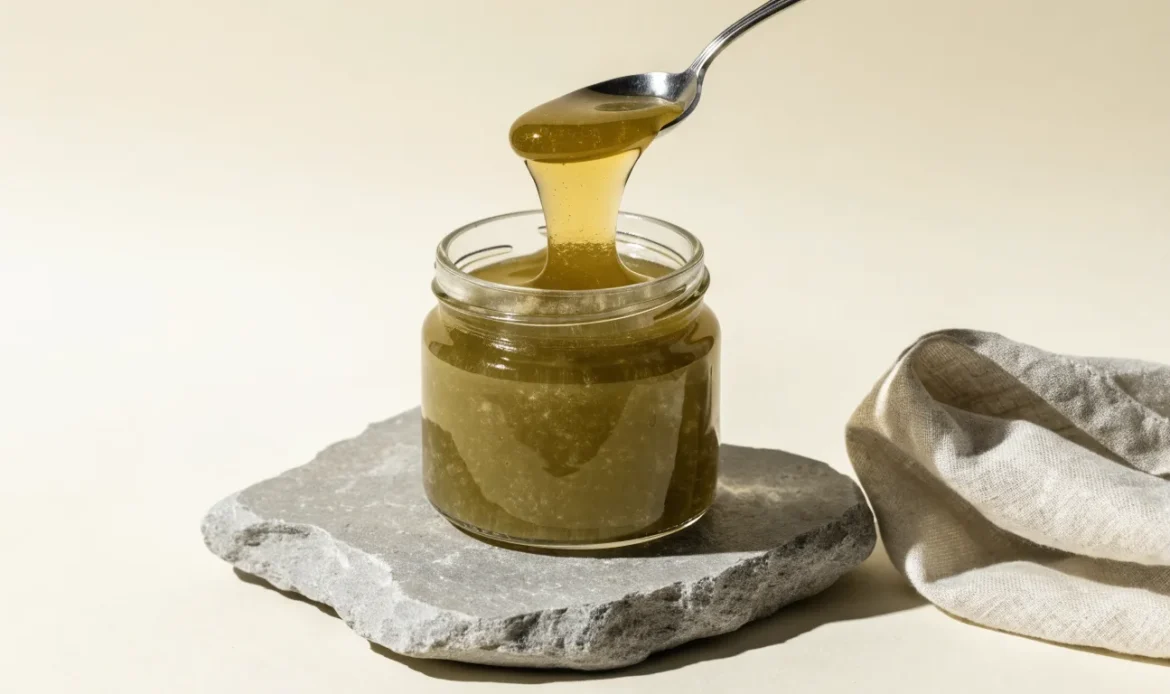
Short answer first: Sea moss gell is a homemade thickened seaweed blend made by soaking, rinsing, and blending raw sea moss with water. It sets into a soft, jelly-like paste you can add to smoothies, recipes, or keep refrigerated for later use. Make it with clean water, good rinsing, and simple food-safety care.
This guide gives a clear, step-by-step process. It also covers how to pick raw sea moss, what to check for safety, how to store the gell, a decision checklist, and useful next steps.
Why this guide
- It answers “how do I make sea moss gell?” right away.
- It explains safety checks you can do at home.
- It points out what you cannot prove from labels and what questions to ask sellers.
Note: Some people spell it “sea moss gel.” We follow the spelling “sea moss gell” here to match your search.
How to use this page
- If you want to make gell today, jump to “Step-by-step: Make sea moss gell.”
- If you want to decide whether to buy raw sea moss first, read “Choosing raw sea moss.”
- If you want food-safety and storage tips, go to “Storage and safety.”
What is sea moss gell?
Sea moss gell is a smooth, thick paste made by processing cleaned sea moss with water. When you blend sea moss after soaking, it becomes soft and holds water. The result is a spreadable, spoonable paste. People use it as an ingredient in drinks, desserts, or recipes that benefit from a thickener. Making it at home gives you control over water and texture.
What sea moss is
Sea moss refers to certain edible seaweeds that come from coastal areas. Seaweeds are a diverse group. Different types and harvest places can look and taste different. This matters for texture and iodine content. Because sea moss comes from the ocean, composition can vary by location and season (see iodine caution below).
What “gell” does not prove
- Making gell at home does not test for contaminants.
- A smooth gell does not guarantee a set nutrient profile.
- Labels or photos cannot prove harvest methods or lab tests unless the seller provides lab documentation.
If lab data matter to you, ask the seller for current third-party test results.
What you should check before buying raw sea moss
Buying good raw sea moss starts with a short checklist.
Quick buyer checklist (summary)
- Source information: Ask where it was harvested.
- Visuals: Look for clean, natural color and whole pieces.
- Odor: Fresh ocean scent is normal; strong rotten or chemical smells are not.
- Seller transparency: Ask about cleaning steps and testing.
- Packaging: Dry, sealed packaging is best for longer storage.
- Price and quantity: Compare similar products; very cheap options may cut corners.
Why these checks matter
Sea moss is harvested from seawater. That means iodine levels and any ocean contaminants can vary. Some seaweeds are higher in iodine than others. High iodine intake can matter for people with thyroid issues. Authoritative sources note that seaweed iodine content varies and can be high in some samples [1][2][3][5]. If you have thyroid concerns, consult a clinician before adding sea moss products to your diet.
Questions to ask a seller
- Where was this sea moss harvested?
- How was it cleaned and dried?
- Do you have lab testing for heavy metals, microbes, or iodide content?
- How do you store and ship raw sea moss?
If the seller cannot answer these, you can still buy for culinary use, but consider the uncertainty.
Step-by-step: Make sea moss gell
The following recipe is a practical home method. It focuses on cleanliness and simple ratios. Adjust texture by changing the water you use for blending.
You will need
- Raw dried sea moss (cleaned)
- Clean drinking water (filtered or bottled if tap is uncertain)
- A non-reactive bowl (glass or food-safe plastic)
- A blender (high-speed if you want very smooth gell)
- A fine strainer or rinsing sieve
- Airtight jar or container for storage
- Refrigerator space
Prep and safety notes
- Use clean utensils and a clean surface.
- If water quality is a concern, use filtered or bottled water for soaking and blending.
- Avoid metal bowls for long soaking. Glass or food-safe plastic is best.
Step 1 — Inspect and rinse
- Spread the dry sea moss on a clean tray.
- Pick out obvious debris: shells, sand, or dark spots.
- Rinse the sea moss under running water to remove surface salt and grit.
- Repeat until the rinsing water looks clear.
Step 2 — Soak
- Place rinsed sea moss in a bowl and cover with clean, cool water.
- Let it soak until it softens and expands. Typical home times range from several hours to overnight depending on the piece. Change the water once or twice if it is very sandy.
- Drain and rinse again after soaking.
Step 3 — Trim and prepare
- Trim any hardened bits, discolored patches, or unpleasant-smelling parts.
- If the sea moss pieces are large, cut them into smaller chunks for easier blending.
Step 4 — Blend to gell
- Add the soaked, drained sea moss to a blender.
- Add just enough cold, clean water to cover the sea moss. Start with a small amount if you want a thick gell; add more water for a thinner result.
- Blend until very smooth. Pause and scrape down the sides as needed.
- Taste a tiny amount to check for off-flavors. If it smells or tastes bad, discard.
Step 5 — Jar and chill
- Pour the blended mixture into a clean, airtight jar.
- Let it cool to room temperature, then place it in the refrigerator to thicken further.
- The texture firms as it cools. Stir before using if the texture separates slightly.
Tips on texture
- More water = thinner gell.
- Longer blending = smoother gell.
- Some people strain the blended mix through a fine sieve for an ultra-smooth result. This is optional.
Food-safety checks while making gell
- Do not use water that smells or tastes off.
- Discard the batch if it develops an unusual odor, color, or mold.
- Use clean jars and utensils to reduce contamination risk.
Choosing the water and ratios
Safe water selection
- Use potable water. Filtered or bottled water avoids some tap tastes.
- If you have soft water with sodium or unusual mineral taste, use filtered water.
Ratio guidance (practical, not prescriptive)
- Home cooks commonly use roughly equal parts soaked sea moss (by volume) to water, then adjust. This is a starting point for a medium-thick gell.
- For thicker gell: use less water and blend less.
- For thinner gell: use more water.
We avoid exact numeric promises because sea moss pieces vary widely in density and water-holding ability. Start with less water and add as needed.
Storage and safety guidance
Refrigeration and signs to watch
- Store sea moss gell in a sealed container in the refrigerator.
- Keep it cold and use clean spoons to remove portions.
- Watch for changes: strong unpleasant smell, slimy film, color change, or visible mold are signs to discard.
Typical home-use guidance
- Many people use refrigerated gell within days to a few weeks. That window depends on how clean the ingredients and containers were and refrigerator temperature. Because conditions vary, do a smell and visual check before use.
Freezing
- Freezing is an option to extend shelf life for home use. Freeze in small portions for convenience. Thawed gell may change texture slightly but is usually usable in blended recipes.
Food-safety tips
- Always use clean utensils.
- Do not leave gell at room temperature for long periods.
- If you are serving others, keep serving utensils clean and manage temperature to avoid bacterial growth.
What you cannot know at home
- Home prep cannot reveal heavy-metal levels or microbial lab results. If those tests matter, ask the seller for third-party lab certificates.
Uses and recipe ideas
How people commonly use sea moss gell
- Blend into smoothies or shakes.
- Stir into plant milks, coffee, or tea (avoid high heat that may thin gell).
- Add to cold desserts, puddings, or fruit mixes.
- Use as a thickener in soups or sauces (add toward end and adjust heat carefully).
Simple smoothie addition
- Start with 1–2 tablespoons of gell per serving, then adjust for texture and taste. Use a clean spoon. Blend until smooth.
Baking and cooking
- Gell can replace some thickeners in recipes. Test a small batch first. High heat may alter the texture.
Culinary note
- Gell has a light sea taste. Pair with flavors that complement it, such as tropical fruits, citrus, or mild spices.
Decision checklist: Should you make sea moss gell at home?
Use this checklist to decide if home gell is right for you.
| Question | Yes / No | Notes |
|---|---|---|
| Do you want control over ingredients and water? | Yes = make at home | Home prep lets you choose water and cleaning steps. |
| Do you need lab-tested results for iodine or metals? | No = make at home; Yes = ask seller for tests | Home prep won’t measure contaminants. |
| Are you comfortable with basic food prep and refrigeration? | Yes = make at home | Clean jars and utensils are key. |
| Do you need large, consistent batches for resale or retail? | No = make at home; Yes = consider buying from a supplier | Commercial supply may offer tested lots and consistency. |
| Are you sensitive to iodine or have thyroid concerns? | No = proceed; Yes = consult a clinician | Seaweed iodine content varies; clinical advice is safer [1][2][5]. |
How to use the checklist
- If most answers point toward making at home, the step-by-step above will help.
- If you need tested, consistent product, contact suppliers and ask for lab reports.
What information to ask sellers if you buy ready-made gell or raw sea moss
Key seller info to request
- Harvest location and harvest date.
- Drying and cleaning method.
- Any third-party lab tests for heavy metals, microbes, or iodine.
- Storage recommendations and best-before guidance based on lab data.
Why this matters
Sellers who can share lab tests and sourcing details reduce uncertainty. If they cannot share this, the product might still be fine for culinary uses, but you should proceed with caution if you have specific health or dietary concerns.
Next decision: make at home or buy?
If you want small amounts and control over cleaning and water, making your own sea moss gell is practical. If you need large, consistent, and tested batches for resale or have health concerns that require lab data, contact a supplier and ask for certificates. For home cooks, a short conversation with a seller about cleaning and source details can reduce uncertainty.
If you decide to buy:
- Ask for lab tests for heavy metals, microbes, and iodine.
- Compare storage instructions and ask about shipping conditions.
- Check return policies and customer-support contacts.
If you decide to make your own:
- Start small. Test the process once or twice.
- Keep jars and utensils clean.
- Label jars with date made and use-by guidance based on your own refrigeration practice.
Useful internal links
- Learn more about sea moss basics on our Learn hub: Learn
- See general company information: Home
- Browse products if you want to buy raw sea moss: Shop
- For bulk or wholesale inquiries: Wholesale
- Contact our team for product or sourcing questions: Contact
Conclusion
Sea moss gell is a simple, home-preparable paste made from soaked and blended sea moss. You can make it with basic kitchen tools, clean water, and careful rinsing. The most important parts are cleaning well, using safe water, and following food-safety steps when storing. Seaweed composition varies by harvest location, so if you have health conditions—especially thyroid issues—ask sellers for test data or speak with a clinician before regular use. Use the decision checklist and the step-by-step process here to get started or to decide whether to buy tested products instead.
Frequently asked questions
Is sea moss gell the same as fresh seaweed?
Not exactly. Sea moss gell is a processed paste made from soaked and blended dried sea moss. Fresh seaweed is the raw plant material. Gell has a softer, spreadable texture for cooking and blending.
How much sea moss gell should I add to a smoothie?
Start small. Many people begin with 1–2 tablespoons and increase if they want more thickness. Test a small amount first, especially if you are new to sea moss.
Can I heat sea moss gell?
You can warm gell in cooked recipes. High heat may thin the texture. Add gell near the end of cooking and stir to integrate. Avoid boiling for long periods if you want to preserve texture.
Is sea moss gell safe for people with thyroid problems?
Seaweed iodine content varies. Some seaweeds can be high in iodine. People with thyroid conditions should consult a healthcare provider before using sea moss products [1][2][5].
How can I tell if my gell has gone bad?
Signs include a sour or off smell, visible mold, foamy or slimy surface, or major color change. When in doubt, discard the batch.
Do I need a special blender to make a smooth gell?
A high-speed blender helps make a smoother gell, but a regular blender works too. Blend until smooth and scrape the jar as needed. Straining after blending can remove small bits if you want extra smoothness.
References
- Harvard T.H. Chan School of Public Health, “Seaweed.” https://nutritionsource.hsph.harvard.edu/seaweed/
- Smyth PPA. “Iodine, Seaweed, and the Thyroid.” European Thyroid Journal, 2021. https://pmc.ncbi.nlm.nih.gov/articles/PMC8077470/
- Food Standards Australia New Zealand, “Survey of iodine levels in seaweed and seaweed containing products,” updated 2025. https://www.foodstandards.gov.au/science-data/monitoring-safety/surveyofiodinelevels
- Operation Supplement Safety, “Sea Moss in Dietary Supplements.” https://www.opss.org/article/sea-moss-dietary-supplements
- Blikra MJ et al. “Consequences of acute and long-term excessive iodine intake: A literature review focusing on seaweed as a potential dietary iodine source.” 2024. https://doi.org/10.1111/1541-4337.70037