
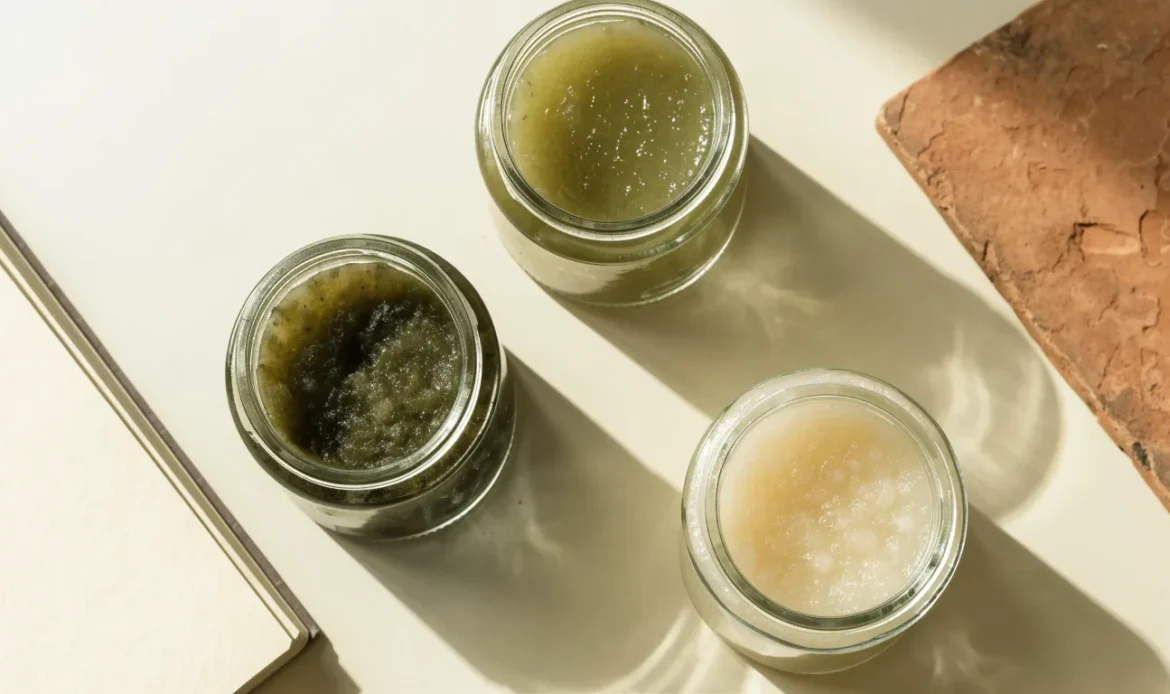
Short answer: If you searched for “Austin Sea Moss Co,” you are likely looking for a seller or brand that uses that name. I cannot confirm specific business details here. To learn more, look for the company’s website, contact info, product labels, and third‑party test results. Below you will find clear steps to check a sea moss seller, how to compare product formats, and a practical decision checklist to help you choose next steps.
Why this page helps: It tells you what to check, what those checks can and cannot prove, and what question to ask next.
What “Austin Sea Moss Co” likely means right away
- The phrase looks like a business or brand name that focuses on sea moss products.
- Many small sellers use a city name to show location or to suggest local service. That does not prove where sea moss was harvested or processed.
- The name alone cannot tell you the product type, the source of the seaweed, the safety testing done, or the business’s policies.
What you can check quickly:
- Does the business have a website or social page with an address and phone? That helps verify it exists.
- Do product pages or labels list the seaweed form (raw, dried, gel, powder, capsule)?
- Are there links or documents labeled “lab test,” “certificate of analysis (COA),” or “batch info”?
If you can find those items, you are in a better place to decide. If not, ask for them before you buy.
How to confirm a seller and a product (step-by-step)
- Find the seller’s official pages
- Look for an official website or a verified business profile.
- Check for a contact method: email, phone, or a physical address.
- If no contact method is listed, treat the seller as higher risk.
- Check the product listing or label
- Look for product form (raw sea moss, dried, gel, powder, capsule).
- Look for ingredient list and any added ingredients.
- Look for storage instructions (refrigeration, shelf storage, heat).
- Ask for testing and sourcing details
- Request a certificate of analysis (COA) or lab report for the batch you are buying.
- Ask where the seaweed was harvested and whether harvest location varies by batch.
- Ask whether the product was wild‑harvested or farmed. Each has tradeoffs; the label should say.
- Review third‑party testing
- A COA should come from an independent, accredited lab. Look for lab name and date.
- Useful tests include heavy metals, microbial safety, and iodine content.
- If the seller cannot or will not share lab results, that is a reason to pause.
- Read the return, shipping, and storage policy
- Gel products often need refrigeration for shipping.
- Know the seller’s return and refund terms before purchasing.
What these steps can and cannot prove:
- They can show transparency and documentation.
- They cannot guarantee every batch will be the same unless batch testing is performed and shared.
- They cannot guarantee health outcomes. Product testing shows what was measured at the time of testing only.
Sea moss forms: what they are and what to expect
Sea moss comes in several common formats. Each has pros and cons.
- Raw (wet or soaked)
- What it is: Whole seaweed that may still contain water.
- Use: Can be rehydrated and made into gel or cooked.
- Checks: Ask how it was cleaned, and whether it was rinsed and sun‑dried or packaged wet.
- Storage: Usually needs refrigeration if wet.
- Dried (whole or pieces)
- What it is: Seaweed dried to remove moisture.
- Use: Rehydrate for gel, steep in liquids, or cook.
- Checks: Look for harvest location and any drying method notes.
- Storage: Usually shelf‑stable if fully dry.
- Gel
- What it is: Sea moss blended into a thick, refrigerated gel.
- Use: Smoothies, toppings, or recipes where a thickener is wanted.
- Checks: Look at ingredients — some gels include added thickeners or sweeteners.
- Storage: Typically needs refrigeration.
- Powder
- What it is: Dried sea moss ground to powder.
- Use: Easier to mix into powders, shakes, or capsules.
- Checks: Fine powders can concentrate contaminants if present. Ask for lab results.
- Storage: Usually shelf stable if dry and sealed.
- Capsules or tablets
- What it is: Measured doses of powdered sea moss in a capsule.
- Use: Convenience and consistent measured serving.
- Checks: Look for supplement‑style labeling and any standardization claims.
- Storage: Shelf stable; follow label.
How to choose a format
- Pick gel or raw if you want to use sea moss in kitchen recipes and like a whole‑food form.
- Pick powder or capsules for convenience and easier dosing control.
- Remember: Convenience formats often go through more processing. Ask how that processing was done and whether tests are available.
Safety and testing: what to look for and why it matters
Seaweed is a mineral‑rich plant from the ocean. That means helpful minerals and also potential for variable iodine and contaminants.
What to look for:
- Iodine testing
- Seaweed can contain high iodine levels. Amounts vary by species and harvest site. High iodine can affect the thyroid for some people [1][2][5].
- Heavy metals and contaminants
- Seaweed can absorb metals from water. Testing for lead, arsenic, cadmium, and mercury is useful, especially for powders and concentrated products [1].
- Microbial testing
- Wet or gel products should be tested for microbial safety and shelf stability.
- Accredited lab COA
- The COA should include a lab name and date. An accredited lab is more reliable than unlisted testing.
- Batch‑specific results
- Batch or lot numbers linked to COAs show product traceability.
What testing can and cannot show:
- A COA shows what was measured for that batch on the testing date.
- It cannot guarantee future batches are identical.
- It cannot replace careful use and dosing decisions for people with health concerns.
Why iodine matters
- Iodine is a normal nutrient in seaweed. Levels vary.
- Excess iodine intake can cause thyroid problems in some people [2][5].
- Surveys of seaweed products show wide variation in iodine content [3].
A practical safety note
- If you have thyroid disease or take thyroid medication, talk with a healthcare professional before using seaweed products. Testing helps, but individual medical advice is needed.
Sources that explain these issues include nutrition researchers and regulatory surveys [1][2][3][4][5].
How to read a Certificate of Analysis (COA)
A clear COA makes product checks faster. Here are the parts to check on a COA and what they mean.
- Product name and batch/lot number
- Confirms which batch was tested.
- Test date and report date
- Shows when the sample was analyzed.
- Lab name and accreditation
- Look for lab contact info and any accreditation (e.g., ISO). An identified lab is better than an anonymous result.
- Tested items and units
- Look for iodine, heavy metals, microbial counts, and moisture content.
- Results and reference limits
- Results should be listed with units. Some COAs include accepted limits or methods.
- Signature or digital verification
- A signed or verifiable COA is more credible.
If you see only summary statements like “tested for heavy metals” without data, ask for the full COA.
Decision checklist: what to ask and how to judge answers
| Question to ask | Where to find it | Why it matters | Red flags |
|---|---|---|---|
| Where was the sea moss harvested? | Product page or ask seller | Harvest area affects trace contaminants and species | No answer or vague location |
| Is the product wild or farmed? | Label or seller reply | Farming and wild harvesting have different risks and reporting | Seller avoids the question |
| Can you provide a COA or lab report for my batch? | Seller or product page | Confirms testing for iodine, heavy metals, microbes | No COA or only generic claims |
| What species of seaweed is this? | Label or product page | Different species have different nutrient profiles and iodine levels | No species named |
| What is the product form and are there added ingredients? | Product label | Helps you plan use and storage | Hidden or unclear ingredients |
| How should this be stored and how long does it last? | Label or seller | Prevents spoilage and waste | No storage guidance or unrealistic claims |
| What is your return or refund policy? | Website policy | Gives risk protection if product arrives wrong | No return policy or only store credit |
| Do you ship refrigerated for gel products? | Shipping policy | Ensures product safety in transit | Gel shipped without cooling in hot weather |
Use this checklist when you contact a seller or before you click “buy.”
Choosing what to buy: practical tips
- Start small. Buy a small amount to check quality and fit with your uses.
- Use COAs to compare: If two sellers provide COAs, check iodine and heavy metal results and the lab names.
- Watch for added ingredients: Some gels have sugars, thickeners, or preservatives. Decide if you want that.
- Consider form and storage: If you travel or lack refrigerator space, powders or capsules may be easier.
- If you have health conditions: Talk with your clinician before adding a seaweed product regularly.
- Keep receipts and batch info: For safety and possible recalls, keep product labels and batch numbers.
How to prepare or use sea moss safely (basic steps)
If you buy raw or dried sea moss and plan to make gel or use it in recipes, here are general steps many people follow. These are not medical directions, just commonly used handling steps.
- Clean: Rinse to remove visible sand or debris.
- Soak: Soak in clean water until softened (time varies by product).
- Rinse again: Change water and rinse until clear.
- Blend: Blend with fresh water to make gel consistency.
- Store: Keep gel refrigerated and follow seller storage guidance.
Do not assume home preparation will remove contaminants like heavy metals. That is a lab matter. If testing shows concerns, avoid the product.
Useful next steps and links
- Learn more about seaweed basics at our learning hub: /learn/
- See product formats in our shop (compare labels before buying): /shop/
- If you are a retailer or buyer, check wholesale options and documentation needs: /wholesale/
- For direct questions or COA requests, contact the seller: /contact/
- Return to our home page to explore more topics: /
(These links point to internal resources to help you check product pages and ask the right questions.)
Conclusion
“Austin Sea Moss Co” sounds like a branded seller name. The name itself gives limited information. To decide whether to buy, ask for clear product labels and a batch COA from an accredited lab. Check the product form and storage needs. Consider your own health and, if needed, consult a healthcare professional about iodine or other concerns. Use the checklist above to guide a safe purchase or to compare sellers. If you want hands‑on guidance, ask the seller for batch details and lab reports before you buy.
Continue reading
Frequently asked questions
Is “Austin Sea Moss Co” safe to buy from?
The name alone does not prove safety. Check for clear contact info, labels, and a COA. If those are missing, ask and pause until you get answers.
How much sea moss should I take?
I cannot provide dosing advice. Talk to a healthcare professional for personalized guidance. Use product serving sizes on the label as a starting point.
Can sea moss cause harm?
Seaweed can contain high iodine and other minerals. High iodine can affect the thyroid for some people [2][5]. Test results and medical advice help manage risk.
Does “wild‑harvested” mean it is better?
“Wild‑harvested” is a harvesting method. It does not automatically mean safer or higher quality. The harvest location and testing matter more.
Should I always ask for a COA?
Yes. A COA from an independent lab is the best way to see what was measured in a batch. It helps you compare sellers.
What if a seller won’t share testing?
That is a red flag. You can choose another seller or request refundable purchase terms before committing.
References
- Harvard T.H. Chan School of Public Health, “Seaweed.” https://nutritionsource.hsph.harvard.edu/seaweed/
- Smyth PPA. “Iodine, Seaweed, and the Thyroid.” European Thyroid Journal, 2021. https://pmc.ncbi.nlm.nih.gov/articles/PMC8077470/
- Food Standards Australia New Zealand, “Survey of iodine levels in seaweed and seaweed containing products,” updated 2025. https://www.foodstandards.gov.au/science-data/monitoring-safety/surveyofiodinelevels
- Operation Supplement Safety, “Sea Moss in Dietary Supplements.” https://www.opss.org/article/sea-moss-dietary-supplements
- Blikra MJ et al. “Consequences of acute and long-term excessive iodine intake: A literature review focusing on seaweed as a potential dietary iodine source.” 2024. https://doi.org/10.1111/1541-4337.70037