
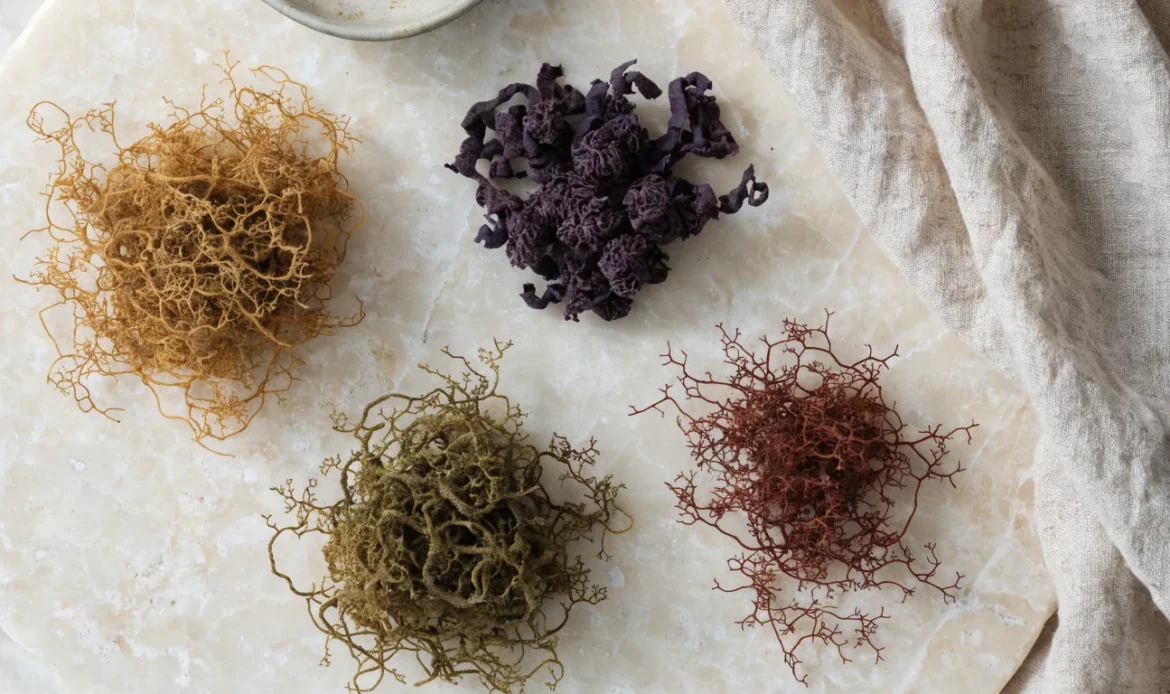
Short answer first: Yes, you can eat sea moss raw, but only when it is cleaned and prepared correctly. Raw sea moss is edible in its cleaned form. However, safety depends on where it came from, how it was handled, and your personal health needs.
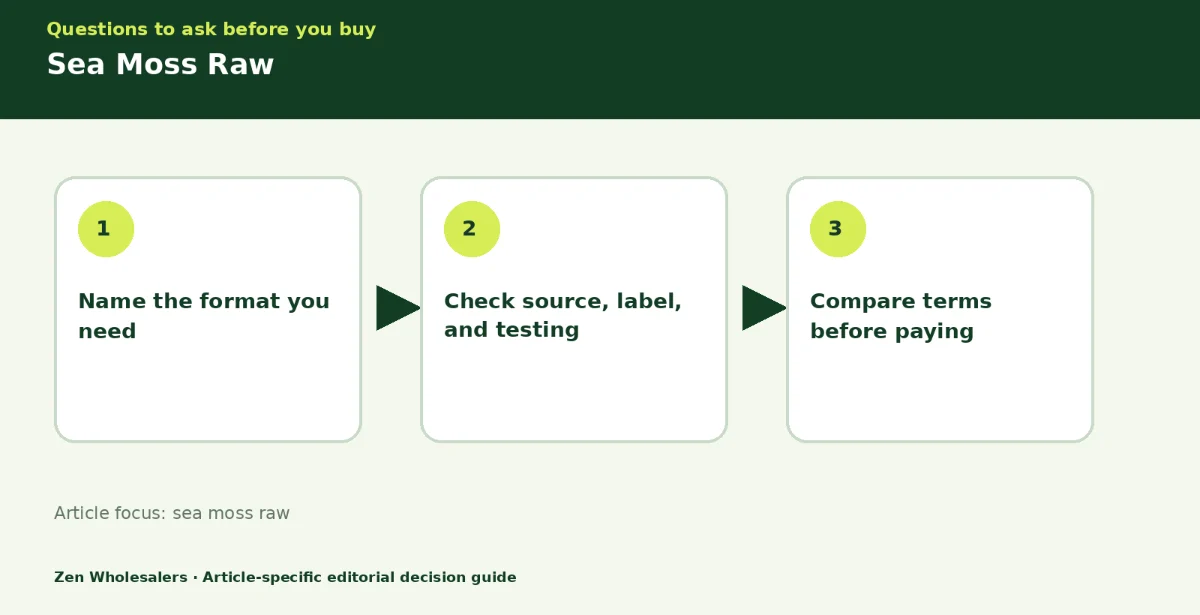
This guide answers the question “can you eat sea moss raw?” in plain language. It shows what to check, how to prepare raw sea moss safely, and which form may suit your needs next. Read the quick checklist or the more detailed sections below.
What “sea moss raw” means
Raw sea moss usually refers to whole, dried, or fresh sea moss that has not been cooked, processed into a gel, or put into supplements. It can come:
- Dried and loose in a bag.
- Fresh and still moist (less common for most buyers).
- Raw but cleaned and sold ready for soaking.
Raw sea moss often needs cleaning and soaking before you eat it or blend it into a gel. The word “raw” does not guarantee safety. It only describes the processing level.
Can you eat sea moss raw?
Short, direct answer: Yes — after cleaning and preparing it.
Why the caution: sea moss grows in the ocean where iodine levels, salts, and other elements vary. Seaweed can be a strong source of iodine and other minerals. Those amounts change with species and harvest site. Because of that variation, some people should be cautious before eating sea moss raw, especially without checking the source or talking with a healthcare provider (more on that below) [1][2][5].
Key takeaways:
- Clean and rinse raw sea moss before you eat it.
- Soak and remove visible debris.
- Know your supplier and the harvest area if possible.
- Check personal health factors such as thyroid conditions or pregnancy with a clinician.
Safety topics to consider
Below are the main safety points you should check before eating raw sea moss. Each point guides what you can verify and what you cannot prove from packaging alone.
Iodine and thyroid considerations
Seaweed is a known source of iodine. Iodine content varies widely by species and location. Very high or very low iodine can affect the thyroid. If you have a thyroid condition, are pregnant, or are breastfeeding, consult a healthcare professional before regularly eating sea moss or other seaweeds [1][2][5]. Surveys and reviews show variability in iodine levels across seaweed products; testing varies by region [3][5].
What you can check:
- Ask the seller if they test for iodine or provide guidance.
- If you have a diagnosed thyroid condition, get medical advice before adding sea moss to your diet.
What you cannot prove quickly:
- Exact iodine content from visual inspection alone. Only lab testing gives numbers.
Sources: Harvard School of Public Health on seaweed [1]; European thyroid review on iodine [2]; literature review on excess iodine [5]; surveys on seaweed iodine levels [3].
Contaminants, heavy metals, and harvesting environment
Sea plants can accumulate minerals and elements present in their environment. Harvest location matters. Products that are tested and show lab reports make it easier to judge safety. If a seller provides third-party testing for contaminants or heavy metals, that is useful information.
What you can check:
- Ask for lab test results or details about testing.
- Look for clear sourcing information (harvest region, wild vs. farmed).
- Inspect product for odd colors, strong fishy smells, or visible foreign material.
What you cannot prove on a label:
- Whether the sea moss was free of contaminants at harvest without test reports.
Microbial and cleaning risks
Raw sea moss can carry sand, small shell fragments, and naturally occurring microbes. Proper cleaning and soaking remove most debris and reduce risk. Some people heat or lightly boil sea moss as a personal safety choice.
Clean-up steps are practical (below in “How to inspect and prepare raw sea moss”).
Allergies and interactions
If you have seaweed allergy or sensitivity to iodine, do not eat raw sea moss without guidance. Also consider interactions with medications that affect thyroid function. Ask a clinician if you take prescription medicine.
How to inspect and prepare raw sea moss — practical steps
This section gives simple, practical steps many people use to prepare raw sea moss safely. These are common good-practice steps. They are not medical advice.
- Inspect the product on arrival
- Look for clean, intact pieces.
- Note color: natural colors vary by species; be wary of odd discoloration or slimy patches that suggest spoilage.
- Smell it: a mild ocean smell is normal. A very strong rotten smell is a red flag.
- Rinse well
- Rinse under cool running water to remove loose sand and grit.
- Rub pieces gently between your fingers while rinsing.
- Soak in fresh water
- Place rinsed sea moss in a bowl and cover with fresh, cold water. Let it soften and expand.
- During soaking, small bits of debris often come off and float to the surface. Drain and rinse again.
- Change the soak water once or twice until it clears.
- Inspect and trim
- Remove shells, rocks, or hard bits.
- Trim any dark, discolored sections you think are damaged.
- Make it into a texture you want
- Some eat small softened pieces raw after soaking. Others blend soaked sea moss into a smooth gel before using.
- If you prefer cooked textures, you can simmer the cleaned sea moss briefly and then use it in recipes.
- Store carefully
- Keep cleaned or prepared sea moss refrigerated. If you are buying bulk raw sea moss, follow seller guidance on storage. Avoid leaving raw sea moss at room temperature for long periods after soaking.
Remember: these steps reduce visible debris and help make the product palatable. They do not measure iodine or invisible contaminants. Lab testing is the only way to confirm those.
Raw sea moss vs. other common forms (decision table)
This short table helps you decide which form to choose based on common goals. It avoids claims about superiority and focuses on practical differences.
| Your priority | Raw sea moss (dried/fresh) | Sea moss gel (homemade or pre-made) | Processed supplements (capsules, powders) |
|---|---|---|---|
| Want whole seaweed to inspect and control prep | Good — you can clean and soak yourself | Less control — already blended | Least control — processed form |
| Want to eat it without cooking | Possible after cleaning and soaking | Ready to use | Usually swallowed, not eaten raw |
| Want a neutral, smooth texture for smoothies | Needs blending after soaking | Best — already gelled | Not suitable for texture use |
| Concern about iodine or contaminants | Requires sourcing/testing | Dependent on supplier testing | Dependent on supplier testing and dosage |
| Need convenience | Lower — requires prep | Medium — ready to use | High — easiest to consume |
How to use this table:
- If you want hands-on control and like preparing foods, raw sea moss gives that option.
- If you want convenience for smoothies and cooking, gel or processed forms may suit you more.
- Ask sellers for testing details if iodine or contaminants are a specific concern.
A practical decision checklist: Should I eat sea moss raw?
Use this checklist before you decide to eat raw sea moss.
- Source verification: Can the seller name the harvest region or production method?
- Testing transparency: Does the seller provide any third-party lab results for contaminants or iodine?
- Visual quality: Does the sea moss look intact and free of obvious rot or heavy foreign debris?
- Smell and texture: Does it have a normal ocean scent and expected firmness once soaked?
- Personal health: Do you have a thyroid condition, are you pregnant, or do you take thyroid-active medication? If yes, consult a clinician.
- Preparation plan: Are you willing to rinse, soak, and remove debris before eating?
- Intended use: Do you want to eat it raw as pieces, blend into gel, or cook it? Choose the form that matches your plan.
- Storage plan: Can you refrigerate or otherwise store cleaned/soaked sea moss safely until you use it?
If you answered “no” or “I don’t know” to several items, consider buying pre-cleaned gel or a processed product that lists testing and sourcing details.
How to ask a seller good questions
If you are buying raw sea moss, here are short, direct questions to ask a seller:
- Where was this harvested? Wild or farmed?
- Do you have third-party test results for contaminants or iodine levels?
- How was it cleaned and dried?
- Do you recommend any prep steps for safe eating?
- What packaging and storage do you use after harvest?
Sellers who answer these questions can help you make an informed choice. If a seller can’t provide sourcing or testing details, exercise caution. Lack of information is not proof of risk, but it does limit what you can verify.
Making raw sea moss palatable: simple uses
- Soaked pieces can be added to salads or blended into fruit smoothies.
- Blended gel can be stirred into beverages, used as a thickener in soups or desserts, or used in recipes that call for a neutral gel.
- If you’re unsure about raw consumption, lightly cooking the cleaned sea moss for a short time is an option some people prefer for texture and comfort.
Do not assume raw consumption is required for any nutritional benefit. The decision is often about texture, flavor, and convenience rather than essential nutrient differences.
Conclusion
You can eat sea moss raw after proper cleaning and preparation. The main steps are inspection, rinsing, soaking, and trimming. Safety questions you cannot answer by looking alone include iodine content and invisible contaminants. Those need testing or transparent seller information. If you have thyroid concerns, are pregnant, or take thyroid-related medication, discuss seaweed consumption with your clinician before regular use. Use the checklist and decision table above to choose the form of sea moss that fits your needs.
If you want to learn more about different sea moss forms and uses, visit our learning hub at Learn (/learn/). To browse products, see our shop (/shop/). For wholesale or bulk inquiries, see Wholesale (/wholesale/). If you’d like to contact us directly, use our contact (/contact/) page or return to our home page (/).
Frequently asked questions
Can I eat raw sea moss without soaking it first?
It is best to rinse and soak raw sea moss before eating. Soaking softens the sea moss and helps remove sand and debris. Eating unsoaked dried pieces may be unpleasant and harder to digest.
Does soaking sea moss reduce iodine?
Soaking may remove some surface salts and debris, but it does not reliably change total iodine content in a measurable way. Only lab testing can show iodine levels for a product [1][3][5].
Is raw sea moss safe for pregnant people?
People who are pregnant or breastfeeding should talk with their healthcare provider before adding seaweed products to their diet. Seaweed can vary in iodine content, which may be important during pregnancy [2][3][5].
How can I tell if raw sea moss is spoiled?
Signs to watch for include a very strong rotten or sour smell, slimy texture that feels unusually sticky, or visible mold. If you see these signs, do not eat it.
Is raw sea moss the same as Irish moss?
“Sea moss” and “Irish moss” are common names that can refer to different species of red algae. Names vary by region and seller. If species matters to you, ask the seller for the scientific or common name.
Are supplements safer than raw sea moss?
Supplements are a different product form. Safety depends on supplier testing and labeling. Supplements may include concentrated extracts and different dosages, which is why transparency and testing are important [4]. Consult product labels and ask sellers about testing.
References
- [1] Harvard T.H. Chan School of Public Health, “Seaweed.” https://nutritionsource.hsph.harvard.edu/seaweed/
- [2] Smyth PPA. “Iodine, Seaweed, and the Thyroid.” European Thyroid Journal, 2021. https://pmc.ncbi.nlm.nih.gov/articles/PMC8077470/
- [3] Food Standards Australia New Zealand, “Survey of iodine levels in seaweed and seaweed containing products,” updated 2025. https://www.foodstandards.gov.au/science-data/monitoring-safety/surveyofiodinelevels
- [4] Operation Supplement Safety, “Sea Moss in Dietary Supplements.” https://www.opss.org/article/sea-moss-dietary-supplements
- [5] Blikra MJ et al. “Consequences of acute and long-term excessive iodine intake: A literature review focusing on seaweed as a potential dietary iodine source.” 2024. https://doi.org/10.1111/1541-4337.70037