
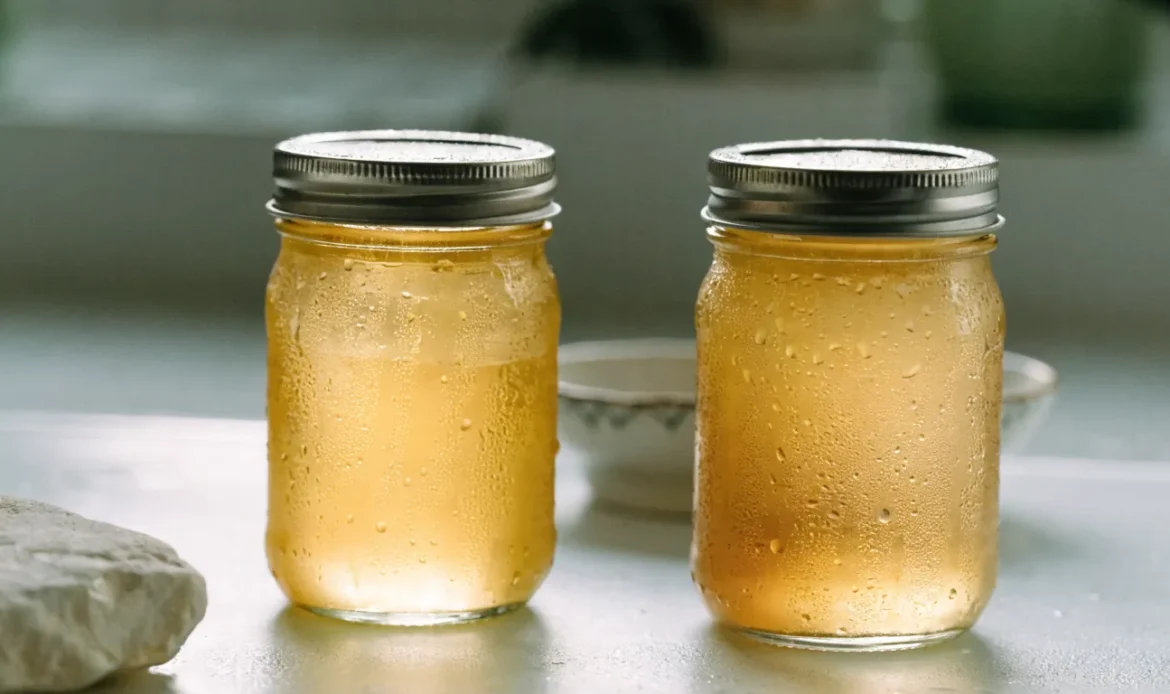
Short answer: Yes. Sea moss can go bad. Dried sea moss lasts much longer than wet or blended forms. Sea moss gel, soaked sea moss, and prepared products are more likely to spoil if they are left at warm temperatures or exposed to contamination. This guide shows what to check, how to decide, and which format might suit your needs.
Why this matters: sea moss comes in many forms. Each form needs different handling. Knowing what to look for helps you avoid waste and reduce the risk of eating spoiled food.
How sea moss can go bad: the basic reasons
Sea moss is a natural product. It can spoil for the same basic reasons as other foods:
- Moisture. Water helps bacteria and mold grow. Wet or rehydrated sea moss is more perishable than dry sea moss.
- Temperature. Warm conditions speed up microbial growth. Cold slows it down.
- Contamination. Dirty tools, containers, or hands can introduce microbes.
- Time. Even under good conditions, wet foods change over time and can develop off flavors or textures.
- Additives and pH. Some preparations change acidity or include preservatives. Those factors affect how long a product stays acceptable.
We cannot promise exact dates for safety or freshness without lab testing. Shelf life depends on the product, how it was handled, and storage conditions.
Different sea moss formats and their spoilage risk
Sea moss is sold in several common formats. Each has a different risk of going bad.
- Dried raw sea moss
- How it looks: firm, brittle or leathery pieces.
- Spoilage risk: lowest among common formats because of low moisture.
- What can go wrong: if dried sea moss gets wet, gets stored in a damp place, or is contaminated, it can grow mold or degrade in quality.
- Soaked or rehydrated sea moss
- How it looks: softened, expanded pieces after soaking.
- Spoilage risk: higher than dried. Once moist, it is like any other prepared food.
- What can go wrong: fermentation, off smell, slime, or visible mold.
- Sea moss gel (blended)
- How it looks: smooth, thick gel stored in jars or tubs.
- Spoilage risk: highest of the common home-use forms because it is wet, has a smooth texture that hides tiny mold spots, and may be handled often with spoons.
- What can go wrong: sour smell, color change, bubbling (sign of gas), or surface mold.
- Powdered or capsule products
- How it looks: dry powder or sealed capsules.
- Spoilage risk: low if kept dry and sealed.
- What can go wrong: moisture absorption makes powders clump and can allow mold growth.
If you buy sea moss as a dietary supplement, take care to review product labeling and storage instructions. Supplements and powders may also vary in iodine content; seaweed products can contain variable iodine levels [1][2][3][5]. For guidance on supplements and safety, see Operation Supplement Safety [4].
Signs that sea moss has gone bad
Use your senses. Look, smell, and check texture. Never taste a product you strongly suspect is spoiled.
Look for:
- Visible mold (fuzzy spots in white, green, blue, or black). If you see mold, throw the sea moss away.
- Color that looks wrong for that product. Example: a strong brown or darkening that was not present earlier.
- Bubbles or foaming in a sealed jar (sign of fermentation).
Smell for:
- Sour, putrid, or sharply acidic odors.
- Any smell clearly different from the product when fresh. Sea moss has a mild ocean-like scent when fresh; a strong sour or rotten smell is a red flag.
Feel/check texture:
- Excessive sliminess, especially if the gel was previously smooth and stable.
- A texture that shows separation with an off odor.
- For dried moss: any wet spots, stickiness, or softness where it should be dry.
Other signs:
- Gas in sealed jars (bulging lids). This can indicate fermentation or bacterial activity.
- Unusual taste. Only taste a very small amount if you are still unsure and it passes the look/smell test. If it tastes off, spit it out and discard.
If multiple signs are present, do not risk eating the product.
Practical checklist: Should I keep it or throw it out?
Use this short checklist to decide quickly.
- Is it dried and still dry?
- Yes → Keep if stored dry and no mold or off-odor.
- No → Continue checklist.
- Is it soaked, blended, or gel?
- Yes → Check next items.
- Any visible mold?
- Yes → Throw it out.
- Any really bad smell (sour, rotten)?
- Yes → Throw it out.
- Lid or container bloated or leaking?
- Yes → Throw it out.
- Texture slimy in a way that was not normal before?
- Yes → Throw it out.
- Only mild changes (slight odor, slight color shift) and you want to be cautious?
- If unsure, throw it out. When in doubt, discard it.
A plain rule: do not try to salvage wet or blended sea moss by scraping off mold. Mold can send threads and toxins beyond the visible spots.
How to store sea moss to reduce risk of spoilage
Good storage lowers the chance of spoilage. The following are general steps to help preserve quality. These are common-sense food safety practices, not guarantees.
For dried sea moss:
- Keep it dry. Store in an airtight container.
- Store in a cool, low-humidity place away from direct sunlight.
- Avoid storing above a stove or other heat source.
For soaked or rehydrated sea moss:
- Keep it in a clean, sealed container.
- Refrigerate after soaking and put it away promptly.
- Use clean utensils to avoid cross-contamination.
For sea moss gel:
- Store in a clean, airtight jar.
- Use a clean spoon each time. Avoid double-dipping.
- Keep refrigerated whenever not in use.
- If you need longer storage, freezing is an option for many gels. Freeze in small portions so you can thaw only what you need.
For powdered or capsule forms:
- Keep the container tightly closed.
- Store in a cool, dry place.
- If a powder becomes damp or strongly clumped, discard it.
Note on freezing: freezing slows microbial growth and can preserve texture for many wet foods. Freezing may alter texture slightly after thawing, but it can still be useful for portions of gel that you won’t use soon.
How to handle suspected spoiled sea moss
If you suspect spoilage:
- Do not taste large amounts. A tiny cautious taste after passing look/smell is a last resort, but if you have any doubt, throw it away.
- Dispose of it in a sealed bag to avoid spreading mold spores.
- Clean and sanitize containers or tools that contacted the suspected product.
- If you bought the product commercially, consider contacting the seller for guidance and to report a problem. Keep packaging and photos if you need to report it.
- If you experience an unexpected reaction after consuming a product, stop using it and contact a healthcare provider.
This guide does not replace professional advice. If you have specific health concerns after eating sea moss, talk to a healthcare professional.
Choosing the right format: a decision guide
Which sea moss format is best for you? Below is a decision guide to help match format to need and storage ability. This is practical guidance, not a guarantee of freshness.
Decision factors:
- How often will you use it?
- Do you have freezer space?
- Do you want minimal prep?
- Do you want a long-lasting pantry item?
Table: format comparison (quick overview)
- Dried sea moss
- Best if: you use it occasionally, want a long-lasting pantry item, and can rehydrate when needed.
- Storage: keep dry and sealed.
- Spoilage risk: low when dry. Risk rises if moisture enters.
- Soaked / rehydrated sea moss
- Best if: you make small batches and use within a short time.
- Storage: refrigerated in a clean jar.
- Spoilage risk: moderate; handle carefully.
- Sea moss gel
- Best if: you want a ready-to-use form for blending or recipes.
- Storage: refrigerated; freeze portions for longer holding.
- Spoilage risk: higher; avoid frequent dipping with unclean utensils.
- Powder / capsules
- Best if: you want convenience and longer dry storage.
- Storage: sealed, dry container.
- Spoilage risk: low if kept dry.
If you store large quantities, consider dried for bulk storage and making small gel batches when needed. If you buy pre-made gel, check handling and ask the seller for storage instructions.
If you are ordering wholesale or in bulk, think about shipping times and how quickly you can move product to proper storage when it arrives. See our wholesale page for contact and ordering: /wholesale/.
Buying tips and what to ask the seller
When you buy sea moss, some questions help you assess handling and storage:
- What format is it sold in? (dried, gel, powder)
- How was it packaged and sealed?
- What are the recommended storage instructions and best-by guidance?
- Can you provide handling or preparation directions?
- For supplements: what is the label information for iodine or other mineral content? Seaweed products can have variable iodine [1][2][3][5]. If you have concerns, consult a healthcare professional before use.
- If buying large amounts, ask about shipping speed and temperature control.
If you buy from us or any retailer, inspect items on arrival for wet spots, odd smells, damaged seals, or broken packaging. If anything looks off, contact the seller or the carrier. For general shopping, visit our shop: /shop/. For learning materials, see our learning hub: /learn/ and /learn/ (additional resources).
Useful next steps
- If you want to learn more about seaweed in general, read our learning hub: /learn/.
- If you plan to buy smaller or bulk quantities, compare formats on our shop: /shop/.
- If you are a business or retailer, contact our wholesale team: /wholesale/.
- For quick starter questions or specific product concerns, contact us directly: /contact/.
- Return to our home page for more resources: /.
Conclusion
Yes, sea moss can go bad. Moist forms like gel and soaked moss are more likely to spoil than dried or powdered forms. Use sight, smell, and texture to check for spoilage. Store products in clean, airtight containers and keep wet forms cold or frozen if you need longer storage. When unsure, it is safest to discard the product. If you want to reduce waste, buy the format that matches how you use sea moss and store it properly.
Continue reading
Frequently asked questions
Can dried sea moss go bad?
Yes. Dried sea moss is less likely to spoil when fully dry. It can still go bad if it gets wet, is stored in a damp place, or becomes contaminated.
Does sea moss gel ever last forever?
No. Sea moss gel is a perishable, wet product. Proper refrigeration or freezing slows spoilage, but gel will not last indefinitely.
How can I tell if my sea moss gel has fermented?
Signs of fermentation include a sour or yeasty smell, bubbles or gas in the jar, and a noticeably tangy taste. If these signs are present, discard the gel.
Is it safe to scrape mold off sea moss and keep the rest?
No. Mold can send invisible threads and spores into the food beyond visible spots. It’s safer to discard the product.
Do powdered sea moss products go bad?
Powders can remain stable if kept dry and sealed. If they absorb moisture, clump, or show signs of mold, they should be discarded.
Do I need to worry about iodine in sea moss?
Seaweed products can vary widely in iodine content. This guide does not provide iodine levels for specific products. If you are concerned about iodine intake or have thyroid issues, consult a healthcare provider. See sources on seaweed and iodine for more background [1][2][3][5].
References
- Harvard T.H. Chan School of Public Health, “Seaweed.” https://nutritionsource.hsph.harvard.edu/seaweed/
- Smyth PPA. “Iodine, Seaweed, and the Thyroid.” European Thyroid Journal, 2021. https://pmc.ncbi.nlm.nih.gov/articles/PMC8077470/
- Food Standards Australia New Zealand, “Survey of iodine levels in seaweed and seaweed containing products,” updated 2025. https://www.foodstandards.gov.au/science-data/monitoring-safety/surveyofiodinelevels
- Operation Supplement Safety, “Sea Moss in Dietary Supplements.” https://www.opss.org/article/sea-moss-dietary-supplements
- Blikra MJ et al. “Consequences of acute and long-term excessive iodine intake: A literature review focusing on seaweed as a potential dietary iodine source.” 2024. https://doi.org/10.1111/1541-4337.70037