
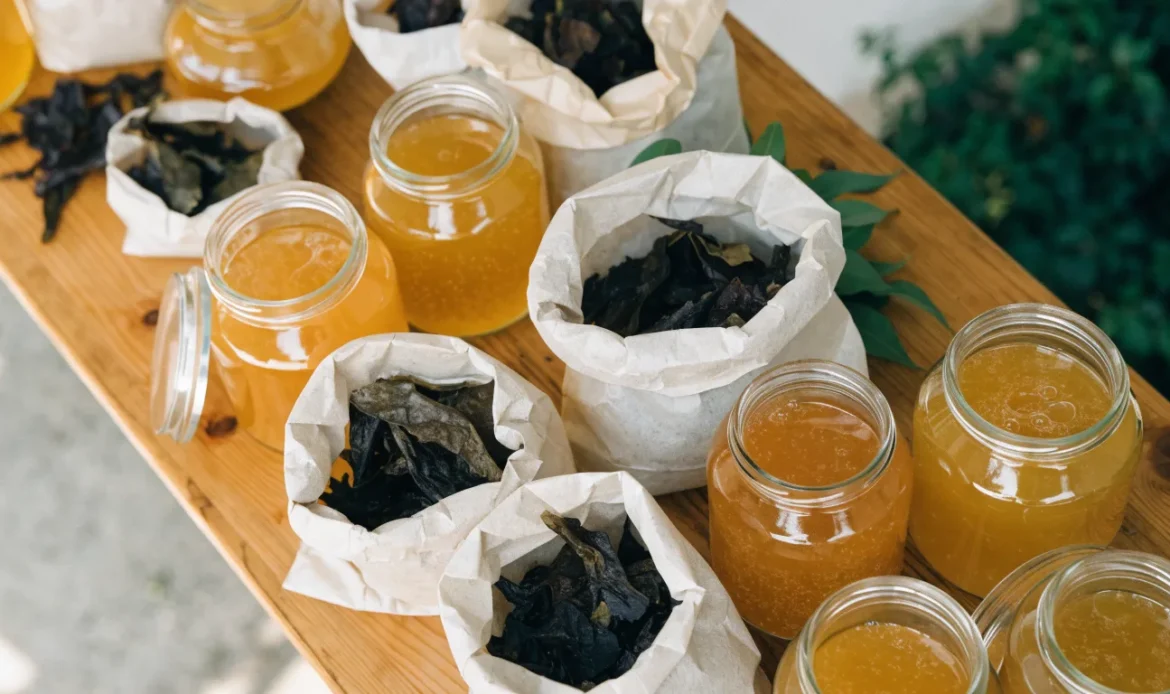
Short answer: You can find sea moss in several places — health stores, specialty Caribbean or Asian markets, farmers markets, online retailers and wholesalers. Each place sells different forms (raw, dried, gel, or capsules). Which one is best for you depends on how you plan to use it, how much you want to buy, and what product information the seller can give.
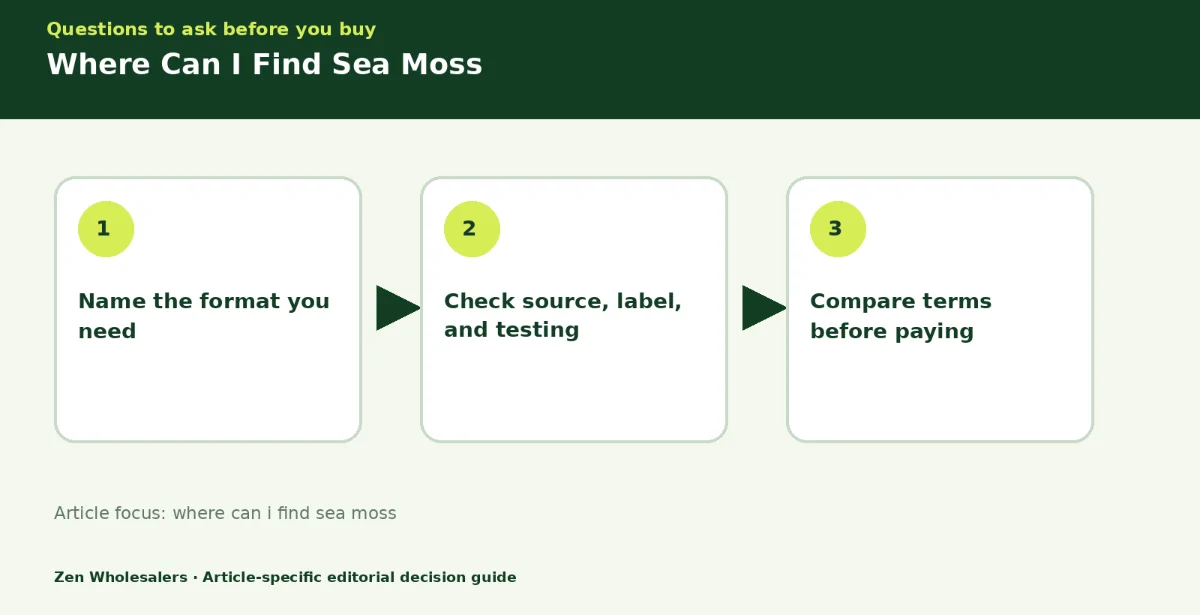
This guide answers where to find sea moss and how to choose a product you can trust. Read the short checklist and the comparison table to make a quick choice. Then use the links, safety notes, and FAQs to learn more.
What “sea moss” means and the forms you will find
Sea moss is a common name used for several red algae species sold as food or supplements. Sellers may call it sea moss, Irish moss, or seaweed. Forms you will see:
- Raw or wet sea moss — looks like damp, soft algae. Often sold where fresh seafood or specialty seaweeds are sold.
- Dried sea moss — dehydrated and lightweight. Common in bulk, shipped easily.
- Sea moss gel or puree — rehydrated and blended into a smooth gel. Often used in cooking or smoothies.
- Powder or capsule supplements — processed and packaged as dietary supplements.
The same seller may offer more than one form. Which form you need depends on how you want to use sea moss (food recipe, topical use, or supplement).
Where to find sea moss in person
If you prefer to see and smell a product before buying, start local.
- Health food stores and natural product shops
- Often stock dried seaweed, sea moss gels, or jars of prepared products.
- Staff may be able to tell you the brand and how to use it.
- Caribbean grocery stores and specialty markets
- These shops often focus on Caribbean cooking ingredients.
- You may find different colors or drying styles that are traditional in Caribbean cuisine.
- Asian grocery stores and markets
- Some Asian markets carry edible seaweeds and dried sea moss-like species.
- Labels and packaging may use different names. Ask staff if unsure.
- Farmers markets and food co-ops
- Small producers sometimes sell dried seaweed or ready-made gels.
- This is a chance to ask questions directly to the seller.
- Fish markets and coastal vendors
- In coastal areas, local harvesters or fish markets may sell fresh or dried seaweed.
- Availability varies by season and location.
When buying in person, ask to see the packaging or label. Look for an ingredient list and any supplier contact info. If the product has no label, ask the seller where it came from and how it was handled.
Where to find sea moss online
Online is the most common way to buy sea moss. You can find raw, dried, gel, and supplement forms.
- Brand websites and direct sellers
- Many brands sell straight from their own websites. These pages often include product photos and usage tips.
- Marketplaces and online retailers
- Large online marketplaces list many sellers and forms. Read seller descriptions and reviews.
- Specialty online stores for seaweed and marine foods
- These stores may list multiple seaweed species and give more product detail.
- Wholesale suppliers
- If you need large quantities, look for wholesale sellers. They often sell dried bulk sea moss.
Online buying lets you compare many sellers. But product photos and words do not prove safety or exact composition. Ask sellers for more details if needed.
What you can check before you buy
When you look for sea moss, check these items. They tell you what the seller reports, but they do not prove safety on their own.
- Product name and species listed
- An exact Latin name (e.g., Chondrus crispus) is better than only a common name. Many listings only use common names.
- Form (dried, raw, gel, powder)
- This affects how you will prepare and store the item.
- Ingredients list
- Pure sea moss should list only sea moss. If other ingredients appear, know what they are.
- Origin or source information
- Country or region listed on the label gives a lead, but it does not guarantee quality.
- Handling and storage instructions
- These tell you how sellers suggest keeping the product.
- Any test results or certificates the seller provides
- Some sellers share third-party lab results for microbes, heavy metals, or iodine. Ask for them if you want testing details.
- Batch or lot number and best-by date (if present)
- These help track the product if you need to contact the seller.
Checking these items helps you compare sellers. None of them alone proves safety or purity. Only independent lab testing can confirm levels of minerals or contaminants.
Safety notes: iodine and variable mineral levels
Seaweeds, including sea moss, can contain minerals like iodine. Iodine levels are variable across species, places, and processing methods. This means:
- Some seaweeds are high in iodine; others are lower.
- Labels rarely list exact iodine content unless a lab test is done.
- If you have a thyroid condition or take iodine-sensitive medicine, talk to a qualified health professional before changing your diet or supplement use.
Public health and research sources show that iodine in seaweed varies and can be high in some products (see References [1], [2], [3], [5]). Sellers may not have complete testing information. If iodine amount matters to you, ask the seller for third-party test results, or choose products that report tested iodine levels. For packaged supplements, check regulatory information and product labeling (see Ref [4]).
Practical checklist: What to ask or check before you buy
Use this short checklist when you are ready to buy. Check the items you can verify.
- Is the species or scientific name listed?
- What form is the product (raw, dried, gel, powder)?
- Is there an ingredients list? Is it only sea moss?
- Is a country or region of origin listed?
- Are storage and preparation instructions clear?
- Is there a lot or batch number and a date?
- Does the seller offer or share lab test results for heavy metals, microbes, or iodine?
- If buying online, are there clear seller contact details and a return policy?
- If buying wholesale, what are the minimum order and shipping terms?
- For supplements: does the product list a manufacturer or distributor and follow local supplement rules?
If the seller cannot answer many of these, treat the listing as having limited information. That does not prove a problem, but it means more uncertainty.
Quick comparison table: where to buy and what to expect
| Place to buy | What to expect | Best for | Questions to ask |
|---|---|---|---|
| Health food stores | Branded jars, gels, or dried packs. Some staff knowledge. | Small purchases, ready-to-use products | Is the product tested? Any prep needed? |
| Caribbean/Asian markets | Traditional forms and regional options. Often dried packs. | Cultural recipes, local varieties | What is the species and source? How stored? |
| Farmers markets & local vendors | Small batches, direct seller contact. | Low-quantity or trial buys | When harvested? Handling steps? |
| Online specialty sellers | Many forms, wholesale options, country details sometimes given. | Wide choice, bulk buying | Can you share lab results or batch info? |
| Wholesale suppliers | Bulk dried sea moss for businesses. | Buying large volumes | Minimums? Shipping? Traceability and testing? |
This table helps you match a buying place to your needs. It lists typical expectations, not promises.
Buying in bulk vs buying retail
Decide based on how much you need and how you will store it.
- Retail buyers often prefer ready-to-use gels or small dried packs.
- Businesses or heavy users may prefer dried bulk sea moss from wholesalers.
If you buy dried bulk, check handling and storage advice from the seller. Bulk buys may reduce per-unit cost, but they can require more space and care.
How to judge product descriptions and photos
Photos and ads can help but also mislead.
- Look for clear photos of the actual product, not only styled dishes.
- Check for ingredient lists in product photos or the description.
- Beware of vague claims like “pure” with no details. “Pure” does not mean tested.
- Product reviews can be helpful but may not cover safety details.
If a listing lacks basic information, ask the seller for details before buying.
Questions to ask a seller (exact phrasing)
Use these simple questions when contacting a seller:
- What species is this product?
- Is it wild-harvested or farmed? (If known.)
- What form is it sold in and how was it processed?
- Do you have lab tests for iodine, heavy metals, or microbes for this batch?
- Where was it harvested or produced?
- How should I store and prepare it?
A good seller will answer clearly or direct you to documentation.
Preparing and storing sea moss (brief)
General handling tips:
- Dried sea moss: rinse and soak before use. Soaking rehydrates and makes it easier to rinse debris.
- Sea moss gel: follow storage directions on the label. Refrigerate after opening.
- Raw sea moss: keep cool and use quickly, per the seller’s advice.
These are basic steps. Always follow the specific handling instructions the seller provides.
If you want tested iodine or contaminants
Testing requires lab analysis. A few points:
- Sellers sometimes share third-party lab reports. Ask for them.
- A report tied to a specific batch or lot is more useful than a generic report.
- If a seller cannot provide tests, you can consider a different supplier or a product that does share test data.
Tests can reduce uncertainty, but a test is valid only for the item and batch it covers. Tests are not a guarantee of ongoing quality.
(For background on variability of iodine and why testing matters, see References [1], [2], [3], [5].)
When to choose a supplement instead of whole sea moss
Some people choose products labeled as supplements (capsules or powders). Keep in mind:
- Supplements are processed and may standardize dose or serving size.
- Supplement labeling and regulation vary by country. Check local rules and the product label.
- Supplements still may not list exact iodine amounts unless tested.
Do not assume a supplement is safer or more consistent unless the label and documentation show testing or clear manufacturing processes. For supplement safety issues and guidance, see Ref [4].
How to find a reliable wholesale source
If you are buying for resale or business use:
- Search for wholesalers who list minimum order quantities and terms.
- Ask for packing lists, shipping methods, and batch traceability.
- Request third-party lab results tied to the batches you will buy.
- Ask about lead times, returns, and quality assurance procedures.
Wholesale suppliers differ widely. Clear paperwork and batch details lower risk.
Useful next guides and pages
If you want to learn more after you find a seller, these pages are helpful:
- For general sea moss info and prep: check our Learn hub: Learn
- To browse products and forms: visit our store: Shop
- If you want bulk options: see our wholesale page: Wholesale
- For company info or direct questions: Contact
- Start at our homepage to explore other topics: Home
Conclusion
Where you can find sea moss depends on what you need. For small, ready-to-use amounts, try health stores or specialty markets. For wide choice and bulk, look online or contact wholesalers. Always check product details: the species, form, ingredient list, origin info, and any lab reports a seller can share. These checks lower uncertainty but do not replace independent testing. If mineral levels like iodine matter to you, ask for batch-specific test results or consult a qualified professional.
If you want a next step, use the checklist above and decide if you need small retail amounts or a wholesale source. For help comparing specific products or ordering, visit our Shop (/shop/) or reach out via Contact (/contact/). Learn more background or prepping tips on our Learn (/learn/) pages or start at Home (/).
Frequently asked questions
Where is sea moss usually sold in stores?
Look in health food stores, Caribbean or Asian groceries, and some farmers markets. Ask staff if you do not see it.
How can I tell if sea moss is real?
Real sea moss is sold as algae and lists an ingredient name. Ask the seller for the species and any test results. Visual signs alone do not prove authenticity.
Is sea moss safe for everyone?
Sea moss contains minerals that vary by species and source. If you have health concerns or are on medication, check with a qualified health professional before adding a new food or supplement.
Can I buy fresh sea moss?
In coastal areas or specialty markets you may find fresh or wet sea moss. Availability depends on season and local supply.
How do I buy sea moss in bulk?
Contact wholesale suppliers or online bulk sellers. Ask about minimums, packaging, shipping, and batch testing.
Should I trust online reviews?
Reviews help with user experience. They do not replace product labels, batch details, or lab testing for safety information.
References
- Harvard T.H. Chan School of Public Health, “Seaweed.” https://nutritionsource.hsph.harvard.edu/seaweed/
- Smyth PPA. “Iodine, Seaweed, and the Thyroid.” European Thyroid Journal, 2021. https://pmc.ncbi.nlm.nih.gov/articles/PMC8077470/
- Food Standards Australia New Zealand, “Survey of iodine levels in seaweed and seaweed containing products,” updated 2025. https://www.foodstandards.gov.au/science-data/monitoring-safety/surveyofiodinelevels
- Operation Supplement Safety, “Sea Moss in Dietary Supplements.” https://www.opss.org/article/sea-moss-dietary-supplements
- Blikra MJ et al. “Consequences of acute and long-term excessive iodine intake: A literature review focusing on seaweed as a potential dietary iodine source.” 2024. https://doi.org/10.1111/1541-4337.70037