
Short answer first: To prepare seamoss for eating, rinse well, soak in clean water until soft, blend with fresh water into a smooth gel, and keep it chilled. Use clean tools and jars. Check smell and color before using. Read more below for exact steps, safety checks, and choices for how to use seamoss.
What this guide covers
- How to prepare dried and fresh seamoss (Irish sea moss) for consumption.
- A clear step-by-step gel method most people use.
- Safety checks and what you can test or ask your seller.
- A decision checklist to pick the right form and storage.
- Practical tips for using seamoss in recipes.
- Where to go next if you need wholesale or a shop.
This guide is educational. It does not promise medical results or product specifics. If you have a thyroid condition or take thyroid medicine, check with a health professional before adding seaweed regularly. Seaweed can be high in iodine [2][5].
Quick overview: one-line process
Rinse → Soak until soft → Blend into a gel → Store properly → Add to recipes.
H2: What is seamoss and why people prepare it
Seamoss is a name for several seaweeds people use as food or an ingredient. “Irish sea moss” often refers to red algae like Chondrus crispus or similar species. It may be sold dried, raw, powdered, or as a ready-made gel. Preparing seamoss usually means turning the dried or raw plant into a soft gel that mixes easily into drinks and recipes.
What you can check:
- Look at color and smell. Natural seaweed is usually mild and ocean-like. A strong rotten or sour smell is a red flag.
- Ask your seller for source and any lab reports. Iodine and mineral content vary by species and location [2][3][5].
- If you are concerned about supplements or concentrated products, read guidance from Operation Supplement Safety [4].
What this guide cannot prove:
- How much iodine or other minerals your jar will contain. Iodine content varies widely by species and harvest location. Tests are needed for precise values [2][3][5].
- Claims that seamoss cures or prevents disease. This guide explains safe prep and use, not medical outcomes.
H2: Forms of seamoss and which prep you need
- Dried seamoss (most common): Hard and brittle. Needs rinsing and soaking. Best for making gel.
- Fresh seamoss: Softer and may only need a short rinse and chop. Still recommended to soak and blend if making gel.
- Powdered seamoss: Already ground. Often used like a thickener. Check label and handling instructions.
- Ready-made gel: Use cold. Check storage info on the jar.
Choose based on how you plan to use seamoss:
- Want a neutral, easy-to-mix ingredient for smoothies? Make or buy gel.
- Want a powder for mixing into dry blends? Use powdered seamoss.
- Want to cook with it? Soften and add, or use gel depending on recipe.
H2: Safety first — what to check before you prepare
- Visual check: Look for foreign objects (sand, shells), unusual bright colors, or mold. Natural seamoss has a range of browns, greens, and reds.
- Smell check: A fresh sea scent is normal. A strong rotten or chemical smell is not.
- Clean tools: Use clean sinks, bowls, and blenders. Contamination introduces bacteria.
- Water: Use safe, filtered or potable water for soaking and blending.
- Health checks: If you have thyroid problems or are pregnant, ask a health professional about regular seaweed use. Seaweed can contain significant iodine and other minerals [2][3][5].
- Supplier transparency: Ask sellers about origin, harvest methods, and any lab testing for contaminants or heavy metals. If they cannot answer, treat the product with caution.
References that explain iodine and seaweed safety: Harvard School of Public Health on seaweed [1], and iodine reviews [2][5]. Operation Supplement Safety covers supplement use and caution [4].
H2: How to prepare seamoss gel — step-by-step (most common method)
This is the standard method people use to make seamoss easy to add to recipes.
Materials:
- Clean bowl
- Filtered water
- Clean jar with lid
- Blender or food processor
- Spoon and strainer (optional)
Steps:
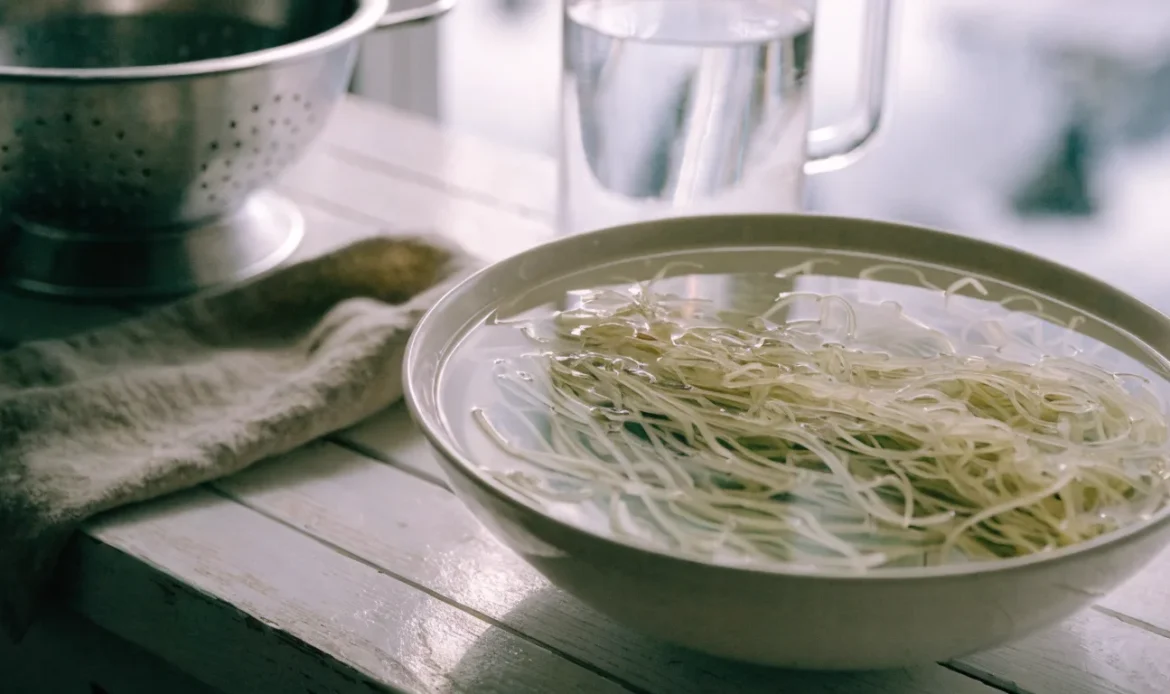
- Rinse the seamoss well. Hold the pieces under running water and move them with your hands. Remove sand, small shells, and debris.
- Soak the seamoss in clean water until soft. Timing varies by type and how dry it is. Soak for several hours to overnight. Change the water at least once if it gets cloudy.
- Inspect again. Pick out anything that looks wrong.
- Transfer soaked seamoss to a blender. Add fresh, clean water. Use enough water to cover and enable blending. Start with a small amount and add more until the texture is smooth.
- Blend on medium-high until smooth. Scrape down sides and blend again if needed. The result should be a silky gel.
- Pour the gel into a clean jar. Seal the jar and chill in the refrigerator.
- When using, scoop out the amount the recipe needs. Keep the rest chilled.
Notes:
- Texture: Some people prefer a firmer gel (less water) or a thinner gel (more water). Adjust water to your taste and recipe needs.
- Use clean utensils and jars. Label the jar with the prep date.
H3: Tips for blending and consistency
- If the blender struggles, use less seaweed and more water at first. Add more seaweed for firmer gel later.
- Small blenders can handle portions. Blend in batches if needed.
- Use chilled water if you want a cooler gel. Warm water can help blending but may change texture.
H2: How to prepare fresh Irish sea moss
If you have fresh Irish sea moss (not dried), the steps are similar but often faster.
Steps:
- Rinse thoroughly to remove grit and salt. Do this under running water.
- Trim any tough stems or brown bits you don’t want.
- Soak briefly (a short soak is often enough).
- Blend with fresh water until smooth.
- Store chilled.
Fresh sea moss may hold more water naturally and may need less soak time than dried seamoss.
H2: Using seamoss gel — ways to add it to food and drink
Seamoss gel is a neutral thickener. Use small amounts at first and increase as you like.
Common uses:
- Smoothies: Add a scoop to boost texture.
- Soups and stews: Stir in near the end to thicken.
- Baked goods: Add to batters for moisture and texture.
- Sauces and dressings: Use as a binder or thickener.
- Cold drinks: Stir into juices or iced tea.
Practical note: Heat can change texture. If you add seamoss to hot liquids, stir well and check texture after cooling.
H2: Storage and practical limits (food-safety focused)
- Short-term storage: Keep seamoss gel refrigerated in a clean, airtight jar. Check for off smells, mold, or sliminess before each use.
- Longer storage: Freeze portions in ice cube trays or small containers for extended time. Thawed seamoss may change texture.
- Labeling: Note prep date and ingredients on the jar. This helps track freshness.
- No universal shelf-life: Storage life depends on cleanliness, ingredients mixed into the gel (fresh fruit or dairy shorten it), and fridge temperature. Use the “smell, look, texture” checks before use.
Food-safety tips:
- Always use clean hands and utensils.
- If the gel smells sour, shows mold, or has an unusual color, discard it.
- Do not taste small amounts to check if you suspect spoilage. Throw it out instead.
H2: Iodine and mineral caution — what to know
Seaweed can contain variable and sometimes high levels of iodine. This depends on species, harvest site, and processing [2][3][5]. High or regular intake of iodine can affect thyroid function in some people.
What you can do:
- If you use seamoss often, ask your supplier for testing results if you are worried about iodine or contaminants.
- If you have thyroid disease, are pregnant, or take thyroid medicine, discuss regular seaweed use with a health professional before making it part of your routine [2][5].
- Remember that different seaweeds and the same species from different locations can vary in iodine and mineral content [3].
H2: What to ask a seller before buying seamoss
- Where was this seamoss harvested?
- Is it wild-harvested or farmed?
- Do you have lab tests for iodine, heavy metals, or contaminants?
- When was it harvested or processed?
- How should I store it once I get it?
A seller who provides clear answers and testing information helps you make a safer choice. If a seller cannot answer basic questions, weigh that in your buying decision.
H2: Decision checklist — pick the right prep path
Use this table to choose your next step based on what you want.
| Your goal | Best starting form | Key prep step | Storage tip |
|---|---|---|---|
| Easy to mix into smoothies | Seamoss gel (or make gel from dried) | Blend soaked seamoss into smooth gel | Keep chilled; freeze portions for long-term |
| Bake or cook with seamoss | Dried or gel | Soak dried then blend, or add gel to batter | Use chilled gel or add directly to hot mix |
| Add to dry mixes | Powdered seamoss | Use powdered seamoss or dehydrate gel and grind | Store sealed and dry |
| Buy in bulk / business use | Dried or bulk gel | Inspect sample, request lab results | Plan to freeze portions or store in cool area; confirm supplier storage guidance |
| Quick use without blending | Fresh seamoss | Rinse well and chop | Use soon after prep |
This checklist helps you match the product form with how you want to use seamoss.
H2: Common problems and fixes
- Problem: Gel is lumpy. Fix: Blend longer and add a bit more water.
- Problem: Gel smells sour. Fix: Discard and sanitize containers. Rinse hands and tools. Consider where contamination started.
- Problem: Sandy texture. Fix: Rinse more thoroughly and inspect for trapped sand before soaking.
- Problem: Gel too thin. Fix: Add more soaked seamoss or reduce water and re-blend.
H2: Where to go next — useful next guides
If you want more:
- Recipes: Look for smoothie, soup, and sauce guides that show how much seamoss to add.
- Sourcing: Learn how to read lab reports or how harvest location affects content.
- Buying in bulk: If you need wholesale options, contact suppliers who can share testing and storage details.
Helpful internal links:
Conclusion
Preparing seamoss is a simple kitchen process: rinse, soak, blend, and store. The gel form makes seaweed easy to add to drinks, soups, and recipes. Safety steps matter: clean tools, safe water, and visual and smell checks will lower risk. If you plan regular use, especially with health conditions like thyroid disease, ask your supplier for testing or talk with a clinician. Use the decision checklist to pick the right form and storage for your needs.
For more on seamoss and related guides, visit our Sea Moss Learning Hub (/learn/). If you want to buy products or explore bulk buying, see our Shop (/shop/) and Wholesale (/wholesale/) pages. Questions? Contact us (/contact/).
Frequently asked questions
How long should I soak dried seamoss?
Soak until pieces are soft and pliable. Timing varies by how dry it is. A few hours to overnight is common. Change cloudy water if needed.
Can I cook seamoss directly without making gel?
Yes. You can soften by soaking and add directly to soups or stews. Gel is often used because it mixes easily in cold drinks.
Does cooking seamoss destroy nutrients?
Heat can change some nutrients and the texture. This guide does not make claims about nutrient levels. If you have concerns about nutrient intake, ask a health professional.
How can I tell if seamoss has gone bad?
Look for off smells, visible mold, or a slimy texture. If you see these signs, discard the product and sanitize containers.
Is seamoss the same as Irish moss?
Often people use the terms interchangeably, especially when referring to Chondrus crispus or similar red algae. Species and local names can vary by region.
Should I test seamoss for iodine or heavy metals?
If you plan to use seaweed regularly or buy large amounts, asking for lab tests from the seller can help you understand iodine and contaminant levels. Tests are the only way to know exact amounts [2][3][5].
References
- Harvard T.H. Chan School of Public Health, “Seaweed.” https://nutritionsource.hsph.harvard.edu/seaweed/
- Smyth PPA. “Iodine, Seaweed, and the Thyroid.” European Thyroid Journal, 2021. https://pmc.ncbi.nlm.nih.gov/articles/PMC8077470/
- Food Standards Australia New Zealand, “Survey of iodine levels in seaweed and seaweed containing products,” updated 2025. https://www.foodstandards.gov.au/science-data/monitoring-safety/surveyofiodinelevels
- Operation Supplement Safety, “Sea Moss in Dietary Supplements.” https://www.opss.org/article/sea-moss-dietary-supplements
- Blikra MJ et al. “Consequences of acute and long-term excessive iodine intake: A literature review focusing on seaweed as a potential dietary iodine source.” 2024. https://doi.org/10.1111/1541-4337.70037