
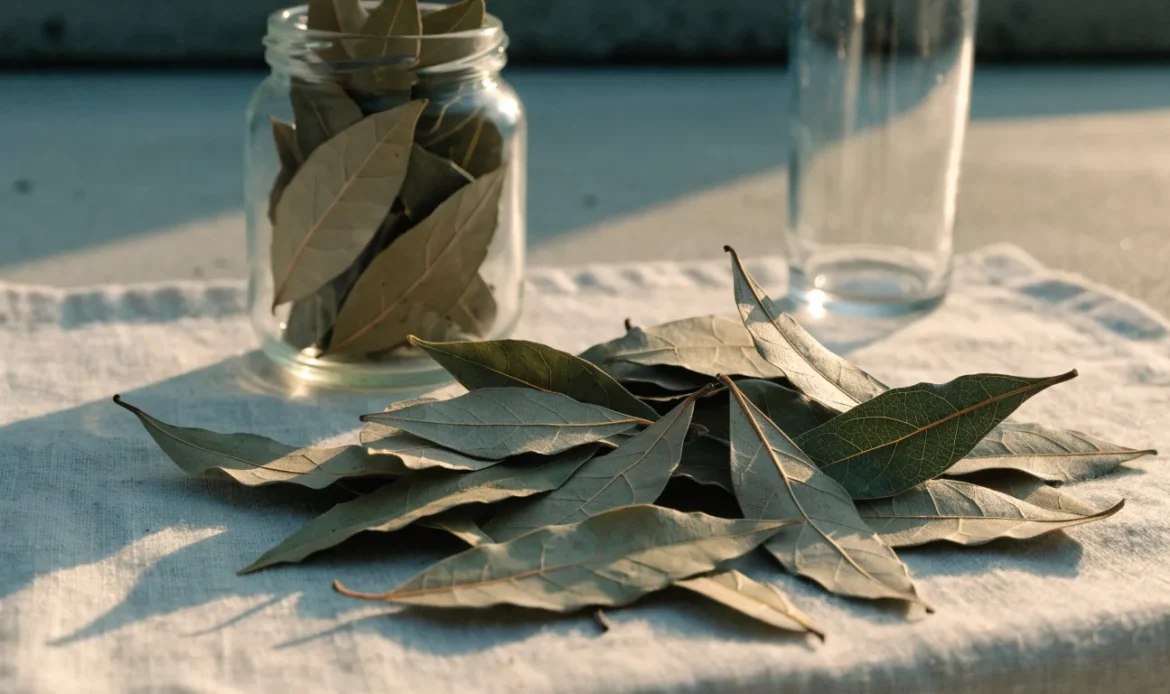
Short answer: Bay leaf tea bags are single-serving tea bags filled with dried bay leaves. They make a quick, aromatic cup. Use them for a warm, savory infusion or to add flavor to broths and recipes. This guide explains what to expect, how to brew them, what to check when you buy, and how bay leaves differ from seaweeds like sea moss.
What are bay leaves used for in tea and cooking?
Bay leaves most often come from the bay laurel tree (Laurus nobilis). People use bay leaves whole or crushed. In cooking, bay leaves are added to soups, stews, sauces, and marinades for aroma. In tea form, dried bay leaves release a mild, herbal, slightly bitter flavor and a warm scent.
Bay leaf tea bags are a convenient way to brew bay leaf infusion without straining loose leaves. They are usually single-use paper or mesh sachets. Some bags may contain whole crumbled bay leaves, while others hold powdered leaf.
Types of bay leaf and labeling to watch for
“Bay leaf” can mean different plants in different places. Common labels you might see:
- Laurus nobilis — the Mediterranean bay laurel. This is the classic culinary bay leaf.
- Indian bay/tejpat — leaves from Cinnamomum species. These taste different and are common in South Asian cooking.
- Other regional “bay” leaves — sometimes labeled only as “bay” without a Latin name.
What to check on the package:
- Ingredient list with a botanical or Latin name, if possible. Laurus nobilis is common on food labels.
- Whether the product is whole leaf, crumbled, or powdered.
- Any added ingredients (flavorings, other herbs) if you want pure bay leaf.
A label gives some information but cannot prove the actual field practices used in growing the leaf. For pesticide or residue limits, look for independent test results or supplier documentation.
How bay leaf tea bags are made
Most bay leaf tea bags are made in one of these ways:
- Whole or broken dried bay leaves placed inside a paper or mesh tea sachet.
- Crushed or powdered bay leaf packed into a teabag for faster infusion.
- Blended with other dried herbs (e.g., cinnamon, ginger, or chamomile) in a flavored tea bag.
Packaging varies. Some bags are string-and-tag paper. Others use sealed pyramid sachets or biodegradable materials. Packaging affects brew speed and convenience, not the leaf itself.
How to brew bay leaf tea — a clear method
Bay leaf tea is simple to brew. Here is a basic method and a few variations.
Basic brew (single tea bag):
- Bring water to a near boil.
- Pour 8–10 ounces (about 240–300 mL) of hot water over the tea bag in a cup.
- Steep 5–10 minutes, depending on how strong you like it.
- Remove the tea bag. Taste. Add a little honey, lemon, or milk if you wish.
Notes and variations:
- Longer steep times yield a stronger, more bitter cup. Start with 5 minutes and increase slowly.
- To make a simmered herbal infusion for cooking, simmer 1–2 bags in a pot of stock for 10–20 minutes and discard before serving.
- For a spiced blend, brew a bay leaf bag with a small stick of cinnamon or a slice of fresh ginger.
Do not microwave a teabag in water for extended periods. For best flavor, use fresh hot water and clean cups.
Taste and culinary uses for brewed bay leaf
Bay leaf tea is earthy and aromatic. It can be savory more than sweet. People often drink it plain or with a touch of sweetener or citrus. Chefs also use bay leaf tea as a light stock substitute or aromatic in sauces. Because the tea is mostly about aroma, many cooks prefer to use whole leaves in long-simmer recipes and tea bags for quick flavor.
Cultural context and traditions
Bay leaves appear in many kitchens around the world. In Mediterranean cooking, the bay laurel leaf is common. In South Asia, related leaves are used too, sometimes under different names. Some cultures prepare bay leaf infusions as a warm, calming drink. Others use the leaf for ceremonial or aromatic purposes. The form — loose leaf versus tea bag — often follows convenience and local habit.
Buying guide: what to check and what the label cannot prove
When you buy bay leaf tea bags, you can check certain facts on the package. Other claims require additional proof.
What you can check on the label:
- Ingredient list and botanical name (e.g., Laurus nobilis).
- Weight or number of bags.
- Whether the bags are whole-leaf, broken, or powdered.
- Any added flavors or herbs.
- Packaging materials (paper, compostable, nylon, etc.).
What the label cannot prove on its own:
- The exact field origin and growing practices.
- Whether pesticide residues are below any particular limit. That requires third-party lab testing.
- Exact nutrient or contaminant levels without certificates or tests.
- That the product is free from cross-contact with allergens unless backed by testing and certification.
Useful next questions to ask a seller:
- Can you provide a Certificate of Analysis (COA) or lab test for pesticide residues?
- What is the botanical name and harvest year?
- Are the tea bags compostable or made from synthetic materials?
If you want more product details, ask the supplier directly. Retail packaging can only show what the manufacturer chooses to print.
Bay leaf tea bags versus seaweed and sea moss — key differences
Bay leaves come from trees (terrestrial plants). Sea moss and other seaweeds are marine algae. They are very different products.
Important differences:
- Source: Bay leaf = land plant (Laurus nobilis or similar). Sea moss = marine seaweed.
- Typical uses: Bay leaf = cooking/infusion for flavor. Sea moss = food ingredient, supplement, or ingredient in gels and recipes.
- Iodine and mineral content: Seaweeds can be high in iodine and other minerals because they grow in the ocean. If you are concerned about iodine intake or mineral content, reliable sources of information on seaweed iodine are useful (see References [1], [2], and [5]). Bay leaves do not share the typical mineral profile of seaweeds.
- Labeling and testing considerations differ because seaweed may be tested for iodine and contaminants. Bay leaf testing focuses more on pesticide residues, identity, and microbial safety.
If you also buy sea moss or seaweed products, read their separate labels and supplier tests. For general information on seaweed and iodine, see the Harvard Nutrition Source and the European Thyroid Journal listed in References.
(For related product categories at our store, see our Caribbean botanicals collection: Caribbean Botanicals (/shop/caribbean-botanicals/).)
A practical decision guide: table to choose the right bay leaf tea bag
| What matters most | Choose this type | What to check on label |
|---|---|---|
| Convenience | Pre-packed paper tea bags | Number of bags per pack; packaging type |
| Strongest flavor fast | Powder or crushed leaf in sachet | “Powdered” or “crushed” on label |
| More subtle, aromatic cup | Whole leaf in mesh sachet | “Whole leaf” or “broken leaf” |
| Eco concerns | Compostable paper or biodegradable sachet | Packaging material described on pack |
| Pure bay flavor | Single-ingredient bay leaf bags | Ingredient list shows only bay leaf and botanical name |
| Blended taste | Bay leaf mixed with spices or herbs | Read full ingredient list for other herbs |
Use the table above to match the product to your needs. If label info is missing, contact the seller for clarification.
Quick buying checklist
- Read the ingredient line for botanical name.
- Check if the bags are whole, broken, or powdered.
- Note packaging type if compostability matters.
- See if other herbs or flavors are included.
- Ask the seller for COAs or test info if you are worried about residues.
- Verify storage suggestions and expiration date on the pack.
Storage and shelf life tips
Store unopened bay leaf tea bags in a cool, dry place away from direct sunlight. Once opened, keep bags in a sealed container to protect aroma. Dried herbs do not go “bad” quickly, but they lose aroma and flavor over time. When tea tastes flat or has little scent, replace it.
Safety and labeling — what you can expect and what to verify
Bay leaves are a food-grade herb but can be brittle. Whole bay leaves are often removed from cooked dishes because they can be a choking hazard or sharp. Bay leaf tea bags usually contain small leaf fragments that do not pose the same hazard as whole, stiff leaves.
If you have allergies, check labels for cross-contact warnings. If you take medicines or have medical concerns, talk with a qualified health professional before changing your diet. This guide does not offer medical advice.
Conclusion
Bay leaf tea bags are a handy way to brew a warm, aromatic infusion. They come in whole-leaf, crushed, and blended forms. Read labels for botanical names and ingredient lists. If you need proof about residues or origin, ask sellers for lab reports. Remember that bay leaves are plant leaves, not seaweed — so they differ from sea moss and other marine products in composition and labeling needs.
If you want to explore related botanicals or herbs, check our collections and resources:
- Home: Zen Wholesalers
- Caribbean botanicals: Caribbean Botanicals
- Learn more about our articles: Learn
- Shop our range: Shop
- Wholesale options: Wholesale
If you have product questions, contact the seller or supplier directly for specifics about testing, sourcing, and packaging.
Frequently asked questions
Are bay leaf tea bags the same as herbal tea bags?
Bay leaf tea bags are a type of herbal tea bag. They contain dried bay leaves rather than true tea leaves from Camellia sinensis.
How long should I steep a bay leaf tea bag?
Start with 5 minutes for a mild cup. Increase up to 10 minutes if you prefer a stronger flavor. Taste as you go.
Can I use bay leaf tea bags for cooking?
Yes. You can steep one or more bags in broths or sauces to add aroma. Remove the bags before serving.
Do bay leaf tea bags have iodine like seaweed?
No. Bay leaves are land plant leaves. Seaweeds can be high in iodine because they grow in the ocean. If iodine content is a concern, check seaweed-specific sources and tests (see References [1], [2], [5]).
Are tea bag materials safe to boil?
Check the packaging. Most food-grade paper or mesh sachets are fine in hot water. Avoid nylon or non-food plastics if you prefer not to heat them.
How can I verify a product’s pesticide or residue levels?
Ask the supplier for a Certificate of Analysis (COA) or independent lab test. Labels alone cannot prove residue levels.
References
- [1] Harvard T.H. Chan School of Public Health, “Seaweed.” https://nutritionsource.hsph.harvard.edu/seaweed/
- [2] Smyth PPA. “Iodine, Seaweed, and the Thyroid.” European Thyroid Journal, 2021. https://pmc.ncbi.nlm.nih.gov/articles/PMC8077470/
- [4] Operation Supplement Safety, “Sea Moss in Dietary Supplements.” https://www.opss.org/article/sea-moss-dietary-supplements
- [5] Blikra MJ et al. “Consequences of acute and long-term excessive iodine intake: A literature review focusing on seaweed as a potential dietary iodine source.” 2024. https://doi.org/10.1111/1541-4337.70037