
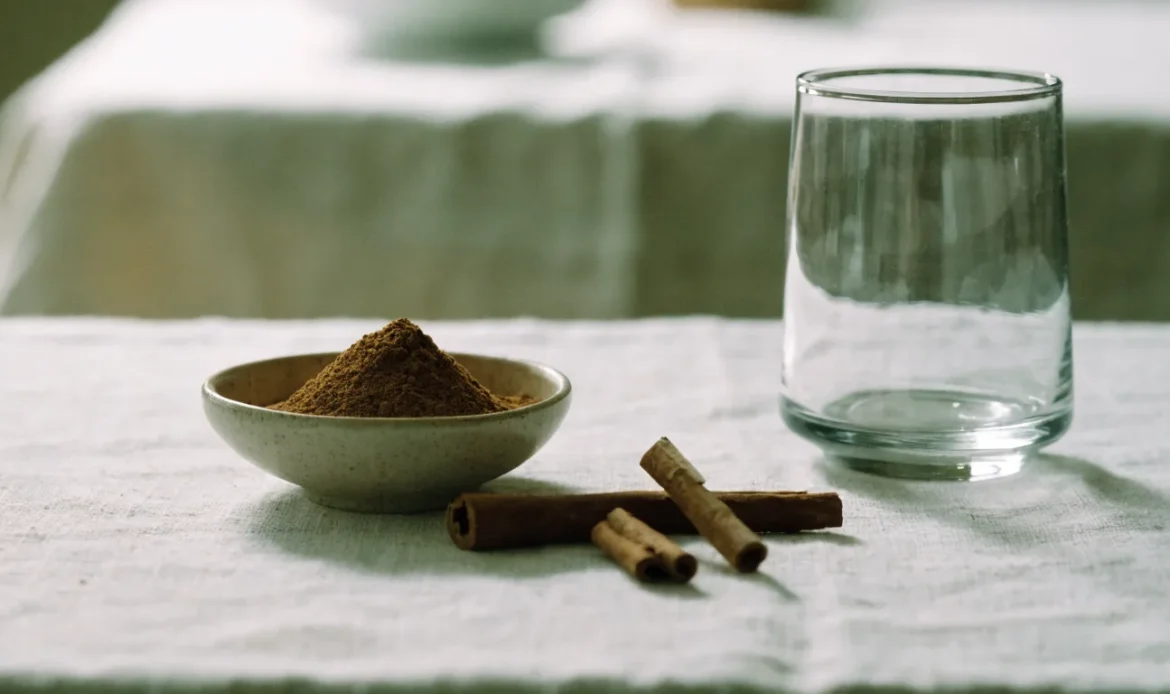
Short answer: Powdered cinnamon is a finely ground spice made from the inner bark of cinnamon trees. It adds warm, sweet, and woody notes to many dishes. Choose the type and grind that fits your recipe, store it away from heat and light, and check the label for purity.
What powdered cinnamon is — a plain definition first
Powdered cinnamon is the dry, ground form of cinnamon bark. Bakers and cooks use it because it blends easily. It comes from the inner bark of trees in the Cinnamomum group. The bark is dried and then ground into a fine powder. That powder is what you see on spice racks and in jars labeled “cinnamon.”
Types of cinnamon you will meet
Cinnamon in stores usually comes from two main groups. These groups taste different and have different textures.
- Ceylon cinnamon (Cinnamomum verum)
- Light brown color.
- Delicate, mildly sweet taste.
- Thin, fragile bark when whole.
- Cassia cinnamon (Cinnamomum cassia and related species)
- Darker color.
- Stronger, more pungent flavor.
- Thicker bark when whole.
Labels sometimes say “true cinnamon” for Ceylon, but not always. Many commercial powdered cinnamons are cassia. If the label names the species, that tells you which type it is. If it does not, the spice may be a blend.
How powdered cinnamon is made (simple steps)
- Harvest: Workers strip the inner bark from young branches.
- Dry: The bark dries and curls into sticks or quills.
- Grind: Dry sticks are ground to make powder.
- Pack: The powder is sieved and packaged for sale.
Different makers may use different grinding settings. Finer grinds dissolve faster. Coarser grinds give more texture.
How to read labels and what to check
When you look at a jar, check these things:
- Ingredient list: A single ingredient labeled “cinnamon” is simplest. If there are other spices or fillers, those will be listed.
- Type or species: Some labels say Ceylon or cassia. That helps you pick a flavor profile.
- “Ground” vs “powdered”: These words usually mean the same thing for cinnamon.
- Organic or conventional: This tells you how the plant was grown. It is not a safety or flavor guarantee.
- Country or region: Some packs list origin. Origin can affect aroma. But a label alone does not prove consistent quality.
What labels cannot prove by themselves:
- Exact chemical makeup. A label won’t tell you how much of any compound is in the spice.
- Safety testing for contaminants unless the brand provides test data.
- Precise flavor intensity for every batch.
If you need more detail, ask the seller to share lab tests or a product facts sheet.
Culinary uses: where powdered cinnamon shines
Powdered cinnamon is very versatile. Here are common uses:
- Baking: Cookies, cakes, muffins, and quick breads.
- Breakfast: Sprinkled on oatmeal or mixed into pancake batter.
- Drinks: Stirred into coffee, tea, or hot chocolate.
- Savory cooking: Used in some stews, curries, and rice dishes for warm notes.
- Spice blends: Part of mixes like pumpkin spice, garam masala, and berbere.
Tip: Powdered cinnamon blends evenly in liquids and batters. If a recipe calls for whole cinnamon sticks, powdered cinnamon will give the flavor faster. Use a small amount and taste as you go.
Measuring and swapping powdered cinnamon
Common guidance for home cooking:
- For baked goods, many recipes use cinnamon by the teaspoon or tablespoon.
- When swapping whole cinnamon for powdered, start with less powdered cinnamon than the recipe lists in sticks and adjust by taste.
- If you need a brighter, fresher flavor, toast the powder lightly in a dry pan for a few seconds and cool before using. Test with a pinch first.
If you are changing from cassia to Ceylon or the other way around:
- Cassia often tastes stronger. You may want a little less cassia powder.
- Ceylon is milder and more delicate. You may use slightly more for the same warmth.
Avoid making exact swap math claims from one type to another without tasting. Flavor intensity varies by brand and batch.
Flavor and aroma notes to expect
- Powdered cinnamon ranges from sweet and floral (Ceylon) to spicy and bold (cassia).
- Freshness matters. Old cinnamon can lose aroma and taste flat.
- Store-bought blends can include other spices that change the aroma.
Storage tips that keep powder fresh
- Keep cinnamon in an airtight container.
- Store it away from heat, steam, and direct sunlight.
- Use dry spoons. Moisture can clump the powder and speed loss of aroma.
- If a label gives a “best by” date, treat it as a freshness guide, not a safety deadline.
Do not rely on a single number for how long cinnamon stays flavorful. Use smell and taste: if the spice smells weak, replace it.
Buying tips: what to look for and questions to ask
When you buy powdered cinnamon, either in a store or online, look for:
- Clear ingredient labeling.
- Type or species stated on the label.
- A sealed package to reduce exposure to air.
- A description of grind size if texture matters to you.
Questions to ask the seller or brand:
- Which species is this powder from?
- Is it pure cinnamon or a spice blend?
- How and where was it processed?
- Can you share a product fact sheet or test results?
A good seller will answer plainly. If a product page lacks details and you need them, contact the seller before you buy.
Choosing between Ceylon and cassia — a decision guide
Use this short guide to pick the right powdered cinnamon for your use.
| Choose if… | Ceylon cinnamon | Cassia cinnamon |
|---|---|---|
| You want a delicate, mildly sweet note | Yes | No |
| You want a bold, spicy warmth | No | Yes |
| You use cinnamon in desserts that need subtlety | Yes | Maybe |
| You want a strong, recognizable cinnamon flavor | Maybe | Yes |
| You prefer a light-colored powder | Yes | No |
Notes:
- “Maybe” means personal taste matters.
- Both types work well in many recipes. Try small amounts first.
Comparing powdered cinnamon to cinnamon sticks and pastes
- Powdered: Easy to mix, quick to use, good for batters and drinks.
- Sticks: Great for infusing liquids and long cooks. Remove before serving or serve as garnish.
- Pastes or concentrates: Used where liquid-ready cinnamon is needed, like some drinks or sauces.
Each format has pros and cons for texture, convenience, and flavor release. Keep a jar of powder for everyday use and sticks for slow-cooked dishes.
Culinary tips and simple recipes ideas
- Cinnamon sugar: Mix cinnamon with sugar to sprinkle on toast or fruit.
- Spice rub: Combine cinnamon with salt, pepper, and other spices for a meat or vegetable rub.
- Morning oats: Stir a little cinnamon into hot oats for flavor without added sugar.
- Baked fruit: Toss sliced fruit with a touch of cinnamon and a squeeze of lemon, then roast.
Start with a small amount. Add more if needed. Taste as you cook.
Safety and general cautions (no medical claims)
- Cinnamon is a food spice. Use it as directed in recipes.
- Some people may dislike the strong taste of certain types.
- If you are allergic to cinnamon, avoid it and read labels carefully.
If you use cinnamon in large amounts in supplements or concentrated forms, consult a qualified professional. This article does not provide medical advice.
Cinnamon and sea moss — clear differences
Zen Wholesalers sells sea moss products and botanical spices in different parts of the site. Cinnamon and sea moss are very different:
- Cinnamon is a dried, ground tree bark spice.
- Sea moss is a marine algae product. It is harvested from the ocean and processed differently.
If you are researching sea moss rather than cinnamon, note that seaweeds can contain significant iodine and other minerals. If you need details about seaweed or sea moss safety and composition, see reputable sources (see References). For example, scientific reviews and public health sites discuss iodine levels in seaweed and the need to check product information. These points are about seaweed only and do not apply to cinnamon. (See References.)
Where powdered cinnamon fits on our site
- Browse related botanical spices in our Caribbean botanicals section: Caribbean Botanicals.
- See other available products at our main Shop.
- If you are buying for a business or bulk use, learn about our Wholesale options.
- For questions about sourcing or products, use our Contact page.
- Return to our home page for more categories: Home.
Practical checklist: buying powdered cinnamon
Use this checklist when you compare powdered cinnamon options.
- [ ] Ingredient list: Single ingredient “cinnamon” or more items?
- [ ] Species listed: Does label say Ceylon or cassia?
- [ ] Packaging sealed and opaque or dark to limit light?
- [ ] Grind description: Fine or coarse for your recipe?
- [ ] Purity: Any fillers or anti-caking agents listed?
- [ ] Seller answers questions about processing when asked?
- [ ] Product facts or testing information available on request?
- [ ] Price seems reasonable for the package size and type?
- [ ] Return or contact options clear if you are not satisfied?
This checklist helps you compare products without requiring lab data. If you need lab data for contaminants, ask the seller directly.
Buying for bulk or business use
If you plan to buy large amounts:
- Ask about consistent supply and lot-to-lot uniformity.
- Verify packaging options for storage and resale.
- Request technical or handling information from the supplier.
If a seller cannot answer these practical questions, consider more transparent suppliers.
What this article can and cannot prove
What you can check from a product label:
- Ingredient list.
- Whether the product claims Ceylon or cassia.
- Packaging and storage direction.
What a label alone cannot prove:
- The exact chemical levels or contaminants.
- How a specific batch will taste.
- Safety testing unless the brand provides that data.
If you need testing or lab reports, ask the seller. If they cannot provide them, consider a different product.
Next useful question to ask after reading this
If you still need help, ask the seller: “Can you tell me which Cinnamomum species this powder comes from, and can you share any recent quality or purity testing?” That question focuses on facts a seller can answer.
Conclusion
Powdered cinnamon is a simple, useful spice. It is made from the inner bark of cinnamon trees and comes in different types, most commonly Ceylon and cassia. Pick the type that fits your recipe, check the label for species and ingredients, store it in a cool, dry place, and ask sellers for more details when you need them. If you also buy sea moss products, remember cinnamon and sea moss are different and have different handling and labeling needs.
Explore more botanicals and shop options here:
Frequently asked questions
Is powdered cinnamon the same as cinnamon bark?
Yes. Powdered cinnamon is simply cinnamon bark that has been dried and ground to a fine form.
Which cinnamon is better for sweet baking: Ceylon or cassia?
Many bakers choose Ceylon for a delicate, mild note and cassia for a stronger, spicier taste. Which is “better” depends on the flavor you want.
Can I substitute powdered cinnamon for a cinnamon stick?
Yes. Powdered cinnamon blends into liquids and batters faster. Use a bit less powdered cinnamon than the recipe suggests for sticks, then taste and adjust.
How can I tell if powdered cinnamon is fresh?
Fresh cinnamon smells strong and warm. If it smells weak or flat, it has likely lost much of its aroma and flavor.
Is powdered cinnamon the same thing as cassia?
Not always. Powdered cinnamon can be cassia, Ceylon, or a blend. Check the label for species if you need one type.
Is powdered cinnamon related to sea moss?
No. Cinnamon is a tree bark spice. Sea moss is a marine algae product. They are different products and have different uses. See our References for seaweed information.
References
- Harvard T.H. Chan School of Public Health, “Seaweed.” https://nutritionsource.hsph.harvard.edu/seaweed/
- Smyth PPA. “Iodine, Seaweed, and the Thyroid.” European Thyroid Journal, 2021. https://pmc.ncbi.nlm.nih.gov/articles/PMC8077470/
- Food Standards Australia New Zealand, “Survey of iodine levels in seaweed and seaweed containing products,” updated 2025. https://www.foodstandards.gov.au/science-data/monitoring-safety/surveyofiodinelevels
- Operation Supplement Safety, “Sea Moss in Dietary Supplements.” https://www.opss.org/article/sea-moss-dietary-supplements
- Blikra MJ et al. “Consequences of acute and long-term excessive iodine intake: A literature review focusing on seaweed as a potential dietary iodine source.” 2024. https://doi.org/10.1111/1541-4337.70037