
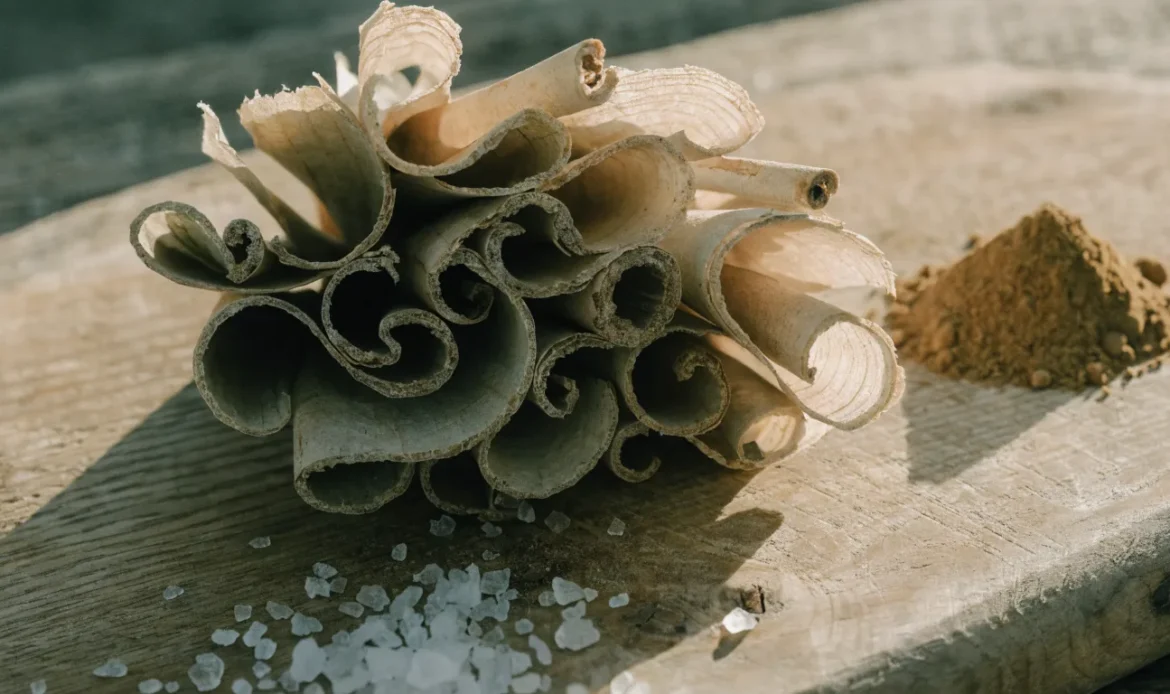
Short answer: “Celon cinnamon” is most likely a misspelling of Ceylon cinnamon — the spice made from the inner bark of Cinnamomum verum, often called “true cinnamon.” It looks and smells different from common cassia cinnamon. Below you will find clear ID tips, culinary notes, buying and storage advice, a decision checklist, and practical next steps. (Note: cinnamon is a spice, not a seaweed. For information about sea moss and seaweed safety, see the References.)
Quick definition and confirmation
- “Celon” is likely a typo. The usual and widely accepted name is Ceylon cinnamon (Latin: Cinnamomum verum), historically linked to Sri Lanka. (kew.org)
Why this matters for buyers and cooks
Different cinnamon species look, taste, and behave differently in recipes. They also have different chemical profiles; one key difference is coumarin, a plant compound that is typically much lower in true Ceylon cinnamon than in many cassia varieties. If you care about flavor, texture, or ingredient transparency, it helps to know which kind you are buying.
H2: What is Ceylon (Celon) cinnamon?
Ceylon cinnamon comes from the inner bark of the small evergreen tree Cinnamomum verum. The tree is native to Sri Lanka and nearby regions. The bark peels into thin, fragile layers that roll into many-paper thin quills when dried. For centuries it has been prized for its delicate, sweet aroma and mild flavor.
H3: Common names and spelling notes
- Ceylon cinnamon — common English name.
- True cinnamon — used to distinguish Ceylon from cassia.
- Botanical name — Cinnamomum verum (synonym: C. zeylanicum). (en.wikipedia.org)
Note: The user keyword “celon cinnamon” appears to be a misspelling. Sellers and labels sometimes reproduce typos; use the tips below to confirm the product.
H2: How Ceylon (Celon) cinnamon differs from cassia
Below are practical, observable differences that matter to cooks and buyers.
- Appearance of sticks (quills):
- Ceylon: thin, tan-to-light-brown, many concentric layers, fragile; looks like a cigar with many paper-thin layers.
- Cassia: thicker, darker reddish-brown, usually a single thick curled bark (looks like a single tube). (kew.org)
- Texture when ground:
- Ceylon: fine, light texture with a mild, sweet aroma.
- Cassia: coarser and darker; scent is stronger and more astringent. (healthline.com)
- Flavor and aroma:
- Ceylon: delicate, floral, slightly sweet.
- Cassia: warm, strong, somewhat bitter or spicy in comparison. (healthline.com)
- Chemical note (coumarin):
- Ceylon typically contains only trace amounts of coumarin. Many cassia varieties contain significantly higher coumarin. High intakes of coumarin have been linked to liver effects in some studies; regulators and researchers note the difference and recommend that people who eat very large amounts of cinnamon take species into account. This is a reason some consumers prefer Ceylon when they plan heavy or frequent use. (pmc.ncbi.nlm.nih.gov)
- Price and market presence:
- Ceylon is generally more costly and is less common in commodity cinnamon products. Cassia dominates much of international commerce. (en.wikipedia.org)
H2: Culinary and cultural context
Ceylon cinnamon is used worldwide. It is important in Sri Lankan cooking, in many South Asian spice blends, and in baked goods and drinks in Europe and the Americas. In the Caribbean, cinnamon appears in cakes, stews, and spice mixes; both Ceylon and cassia styles are used depending on tradition and cost.
Practical cooking notes:
- Use whole quills in simmered drinks, stews, or rice puddings. The delicate Ceylon quill softens quickly and releases a gentle aroma.
- Ground cinnamon is convenient for baking and spice rubs. Ground Ceylon gives a milder warmth; you may need slightly more to match the punch of cassia.
- Because flavor intensity differs, adjust amounts by taste rather than fixed measurements when swapping species.
Cultural note: “Ceylon” reflects the island name Sri Lanka used historically. Quality, craft, and local traditions around cinnamon processing vary by region and producer.
H2: How to check a product label and what to ask the seller
Sellers do not always spell species correctly. When you see “celon cinnamon” or “Ceylon” on a label, you can check these items:
- Look for a botanical name on the label: Cinnamomum verum (or C. zeylanicum). That indicates true Ceylon cinnamon. If no botanical name is given, the product may be cassia or a mix. (dsld.od.nih.gov)
- Check format: whole quills vs ground. Whole quills allow you to inspect layers and color.
- Ingredient list: single-ingredient (just cinnamon) is clearer than “spice blend” or “cinnamon flavor.”
- Country of origin: “Sri Lanka” or “Ceylon” suggests a Ceylon source, but country alone does not guarantee species if supply chains are mixed.
- Certifications to look for (optional): organic, fair trade, or single-origin labeling can signal greater transparency, but certification does not change botanical identity by itself.
If you buy online or from a market stall, ask the seller: “Is this Cinnamomum verum (Ceylon) or cassia?” Request photos of whole quills if possible.
H2: Safety and coumarin — what we can and cannot say
- What we can say: Scientific analyses consistently show that many cassia cinnamons contain much higher levels of coumarin than Ceylon cinnamon. Regulators and food safety bodies have discussed coumarin exposure as a food-safety consideration. (pmc.ncbi.nlm.nih.gov)
- What we cannot say here: Specific health outcomes for an individual, or guaranteed safe daily limits for everyone. Personal health factors and total diet matter. If you have liver disease, take medicines, or plan to consume large amounts of cinnamon regularly, ask a healthcare professional. The National Center for Complementary and Integrative Health and other health authorities note that cinnamon products can vary and that people should seek medical advice when needed. (nccih.nih.gov)
H2: Buying guide — powdered vs sticks, price, and transparency
- Whole sticks (quills): Best for inspection. Look for multi-layered, fragile, light-tan quills to identify Ceylon. Sticks keep aroma longer and are easy to split or grind at home.
- Ground cinnamon: Convenient but harder to verify. Buy from reputable sellers that list Cinnamomum verum if you want Ceylon. Freshly ground at home from whole quills has better aroma.
- Price: Ceylon is often pricier. Price alone is not proof of identity.
- Packaging: Airtight, opaque packaging reduces aroma loss. Small-batch sealed packaging can indicate fresher product.
- Seller transparency: Sellers that list botanical name, origin, and clear photos are easier to verify.
H3: Storage tips (simple, practical)
- Keep cinnamon in a cool, dry place away from sunlight.
- Use small, airtight jars for ground spice to slow aroma loss.
- Whole quills retain aroma longer than ground.
- Replace ground spice when aroma and flavor diminish (judge by smell and taste rather than a fixed date).
Decision guide: When to choose Ceylon (Celon) vs Cassia
Use this short decision checklist to choose:
| Your priority | Choose Ceylon (Cinnamomum verum) if… | Choose Cassia if… |
|---|---|---|
| Mild, delicate flavor | You want a softer, floral cinnamon for desserts and delicate dishes. (healthline.com) | You prefer a strong, warm cinnamon flavor in bold dishes or spice blends. (healthline.com) |
| Ingredient transparency | You need low-coumarin or species-identified cinnamon; label lists C. verum. (dsld.od.nih.gov) | You need an economical, widely available spice and species is not critical. (en.wikipedia.org) |
| Whole quill use | You plan to steep sticks in drinks or syrups and want fragile, multi-layer quills. (kew.org) | You want thick, hard sticks for slow simmering or easy matching to certain recipes. (pmc.ncbi.nlm.nih.gov) |
| Frequent, high-volume use | You want lower coumarin content for frequent use—Ceylon tends to have lower coumarin. (pmc.ncbi.nlm.nih.gov) | You use cinnamon rarely or in very small amounts and prioritize cost. |
Use the checklist to match purchase choices to your kitchen habits.
H2: Practical checklist — Inspect before you buy
- If buying whole sticks:
- [ ] Can you see many thin layers (Ceylon) or a single thick layer (cassia)? (kew.org)
- [ ] Color: light tan = likely Ceylon; darker reddish-brown = likely cassia. (healthline.com)
- [ ] Does the stick snap easily or is it hard and thick? (Ceylon snaps; cassia is tougher.)
- If buying ground:
- [ ] Is the botanical name Cinnamomum verum listed? (dsld.od.nih.gov)
- [ ] Does the vendor provide origin info or photos of whole quills?
- [ ] Is the product single-ingredient cinnamon, not a blend?
- General:
- [ ] Is price consistent with specialty spice pricing (very cheap may mean cassia)? (en.wikipedia.org)
- [ ] Is packaging airtight and opaque?
- [ ] Do you have access to seller contact / return options if the product is not as advertised?
H2: How cinnamon relates to sea moss and why we mention seaweed references
Zen Wholesalers focuses on sea moss. Cinnamon is a spice and is botanically unrelated to seaweed products. People sometimes ask about cinnamon together with sea moss because both appear in recipes and wellness discussions. It is important to treat them separately:
- Seaweed (including sea moss) can contain iodine and other minerals; safety and intake considerations differ from spices. For guidance on seaweed safety and iodine, see the seaweed references in the References section. (kew.org) [See References: Harvard, Smyth, FSANZ, OPSS, Blikra et al.]
Do not assume statements about seaweed (iodine content or labeling rules) apply to cinnamon.
H2: What a seller should be able to prove (and what they cannot)
Ask for the following from a seller if species matters to you:
- Botanical name (Cinnamomum verum) and country of origin. This is verifiable on good labels or product pages. (dsld.od.nih.gov)
- Photographs of whole quills if the sale is for ground cinnamon and identity matters to you. (kew.org)
- Batch or lot information for traceability. This helps if there are questions later.
- Certificates (organic, fair trade) if those attributes are important to you. Certification does not prove species identity by itself but can indicate supply-chain transparency.
What sellers cannot reliably prove without lab testing:
- Exact coumarin concentration in a given batch (requires laboratory analysis). General species-level expectations are known (Ceylon lower, cassia higher), but batch variation exists. (pmc.ncbi.nlm.nih.gov)
H2: Simple home tests and sensory checks
- Break a stick: Ceylon will flake into thin layers; cassia will be tougher and one solid curl. (kew.org)
- Smell a pinch: Ceylon is milder; cassia stronger and spicier. Use a small taste to compare if you are comfortable.
- If you buy ground cinnamon and are unsure, request photos of whole quills or buy a small amount from a seller who is willing to answer species questions.
H2: Where to buy and how to order (practical next steps)
- If you want Ceylon specifically, look for the botanical name on the product page or label. If the seller lists “Cinnamomum verum” or “Ceylon (Sri Lanka),” that supports the claim, but you may still request photos or ask about traceability. (dsld.od.nih.gov)
- For small purchases or to test a supplier, buy a small amount first. Check smell, texture, and how the spice behaves in your recipes.
- If you source for retail or wholesale, ask for lot traceability, sample testing options, and clear labeling before committing to large orders.
Explore related Zen Wholesalers pages:
- Shop Caribbean botanicals: /shop/caribbean-botanicals/
- General shop: /shop/
- Learn more about sea moss and seaweed safety: /learn/
- Wholesale inquiries: /wholesale/
- Contact us for product questions: /contact/
- Home: /
Conclusion
“Celon cinnamon” most often refers to Ceylon cinnamon, the so-called true cinnamon from Cinnamomum verum. It has distinct visual and flavor traits that you can check in whole sticks or via clear labeling. If species matters to you — for flavor, repeated use, or dietary concerns related to coumarin — buy from sellers who list the botanical name and provide photos or traceability. For sea moss and seaweed safety issues, refer to reputable seaweed sources (listed below). If you want help choosing a cinnamon product for cooking or for resale, contact us via /contact/ or browse our Caribbean botanicals at /shop/caribbean-botanicals/.
Continue reading
Frequently asked questions
Is “Celon cinnamon” the same as Ceylon cinnamon?
Most likely yes — “Celon” is usually a misspelling of “Ceylon.” The accepted name for true cinnamon is Ceylon cinnamon (Cinnamomum verum). Check the label for the botanical name to confirm.
How can I tell Ceylon cinnamon from cassia at the store?
Inspect whole sticks: Ceylon has many thin layers and is light-colored and fragile. Cassia is thicker, darker, and has a single hard curl. Ground spice is harder to verify without seller transparency.
Is one type safer than the other?
Ceylon generally contains much lower levels of the compound coumarin than many cassia varieties. High consumption of coumarin has raised food-safety questions in some studies. If you consume large amounts of cinnamon often, check species and consult a professional if you have health concerns.
Can I use Ceylon cinnamon in the same recipes as cassia?
Yes. Ceylon and cassia are interchangeable in most recipes, but Ceylon is milder. Taste and adjust amounts to match your desired flavor.
Does “Ceylon” on a label guarantee the spice is from Sri Lanka?
“Ceylon” suggests a Sri Lankan origin, but labels can vary. The most reliable proof is a botanical name plus origin claim and transparent seller information. If origin or species is important, ask the seller for details or photos.
References
- Royal Botanic Gardens, Kew. “Cinnamon – Cinnamomum verum.” https://www.kew.org/plants/cinnamon
- Healthline. “Ceylon vs. Cassia — Not All Cinnamon Is Created Equal.” (overview of differences). https://www.healthline.com/nutrition/ceylon-vs-cassia-cinnamon
- North Carolina Extension Gardener Plant Toolbox. “Cinnamomum verum.” https://plants.ces.ncsu.edu/plants/cinnamomum-verum/
- National Center for Complementary and Integrative Health (NCCIH). “Cinnamon: Usefulness and Safety.” https://www.nccih.nih.gov/health/cinnamon
- PubMed Central (PMC). “Coumarins in Food and Methods of Their Determination.” https://pmc.ncbi.nlm.nih.gov/articles/PMC7278589/
- PMC article: “Assessment of Coumarin Levels in Ground Cinnamon…” https://pmc.ncbi.nlm.nih.gov/articles/PMC3385612/
- Department of Cinnamon Development (Sri Lanka). “History.” https://cinnamon.gov.lk/about-cinnamon/history/
- Harvard T.H. Chan School of Public Health, “Seaweed.” https://nutritionsource.hsph.harvard.edu/seaweed/
- Smyth PPA. “Iodine, Seaweed, and the Thyroid.” European Thyroid Journal, 2021. https://pmc.ncbi.nlm.nih.gov/articles/PMC8077470/
- Food Standards Australia New Zealand, “Survey of iodine levels in seaweed and seaweed containing products,” updated 2025. https://www.foodstandards.gov.au/science-data/monitoring-safety/surveyofiodinelevels
- Operation Supplement Safety, “Sea Moss in Dietary Supplements.” https://www.opss.org/article/sea-moss-dietary-supplements
- Blikra MJ et al. “Consequences of acute and long-term excessive iodine intake: A literature review focusing on seaweed as a potential dietary iodine source.” 2024. https://doi.org/10.1111/1541-4337.70037