
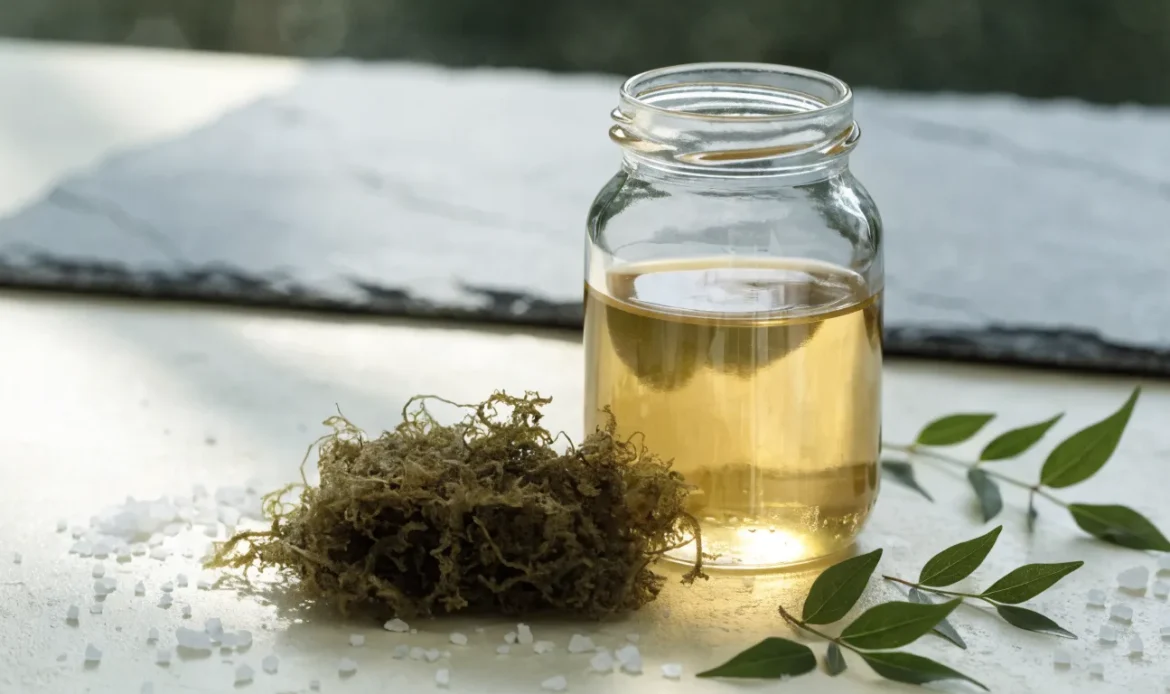
Short answer: A sea moss website is a web page or site that shows products, product details, and buying options for sea moss. A clear site lists where the sea moss comes from, how it was processed, what form it is (raw, gel, powder), lab test information if available, and how to contact the seller. Good sites help you compare products and ask the right questions before you buy or wholesale.
What a sea moss website does and why it matters
A sea moss website is more than a shop window. It is a tool for learning and a record of what the brand offers. For buyers, the website should reduce guesswork. For sellers, it must present accurate product facts and clear buying steps.
Why details matter:
- Sea moss is a natural product. Its composition can vary by location and processing.
- Some compounds, like iodine, can be high in some seaweeds. That makes clear testing and label information useful. (See References [1], [2], [3], [5].)
- If you are buying in bulk, you need clear wholesale terms, lead times, and sample options.
What a website cannot prove by itself:
- A website cannot prove lab results unless it posts verifiable test reports.
- A site cannot guarantee consistent nutrient levels across different harvests unless ongoing testing is shown.
- A web page cannot replace direct questions to the seller about storage, shipping, or return policies.
Core pages every good sea moss website should have
A well-built site will have distinct pages for product facts, sourcing, safety, buying, and contact details. Below are the pages and the key facts each should show.
Product pages (individual product listings)
What to expect on a product page:
- Clear product name (e.g., Raw Sea Moss, Sea Moss Gel, Sea Moss Powder).
- Net weight and package size.
- Format (raw/dried, gel, powder, capsules).
- Basic use or prep notes (how to rehydrate dried moss, how to use gel).
- Photos that show the actual product, not just stock images.
- Price per unit and how many units are in a pack.
Why it matters:
- You can compare pack sizes and intended use.
- Photos and clear format notes reduce surprises at delivery.
Sourcing and origin
What to expect:
- General origin statements (region or coast).
- Harvest method overview (wild-harvested vs. cultivated) if known.
- Any local handling or processing steps described.
What it does and does not prove:
- A region name shows where the product was collected, but it does not prove the exact harvest site or any test results by itself.
- Specific harvest methods can tell you how the moss was handled, but method claims are only as reliable as the seller’s records.
Processing and formats
Key points to list:
- Was the sea moss sun-dried, air-dried, or machine-dried?
- Is the product raw, heat-treated, or blended into a gel?
- If gel or powder, what fillers or carriers are used? (List all ingredients.)
Why list this:
- Processing can affect texture and storage needs.
- Ingredient lists reveal additives or preservatives, if any.
Lab testing and safety information
What an honest site should show:
- Whether the product has been lab tested.
- Copies or summaries of lab reports when available (e.g., heavy metals, microbiology, iodine).
- Dates of testing and the lab name.
What lab reports prove and what they do not:
- A lab report proves the product lot tested met the values listed on that certificate at the time of testing.
- A single report cannot guarantee every future batch will match unless the seller does routine batch testing.
- If no lab report is posted, you cannot assume testing has occurred. (See References [4], [1], [2].)
Nutrition, allergens, and safety notices
Good site items:
- Ingredient label and allergen statements.
- Cautions about iodine variability and the need to check with a health professional if you have thyroid issues. (See References [2], [5].)
- Clear advice on who should consult a professional (e.g., people with medical conditions, pregnant or breastfeeding individuals).
Remember:
- Do not expect a website to give medical advice. It can and should point you to tests and professionals.
Preparation and storage guides
Useful content:
- How to rehydrate dried sea moss and how to make gel.
- Refrigerator and freezer guidelines for gel and raw moss.
- Typical shelf handling advice (e.g., keep sealed, refrigerate after opening).
Why this helps:
- Proper prep extends the usefulness of the product and reduces waste.
Pricing and buying options
Things to look for:
- Price per weight or unit.
- Bulk pricing or tiered discounts.
- Shipping costs and return policy.
Why sites should be clear:
- Price per ounce or per gram helps you compare items.
- Wholesale terms should state minimum orders and lead times.
Wholesale page specifics
A wholesale page should include:
- Minimum order quantities.
- Price tiers or a note that prices are available on request.
- Lead times, packing options, and sample policy.
- Shipping and freight options.
If a wholesale page is thin:
- Ask for a sample and a formal quote.
- Confirm who handles export/import paperwork if buying across borders.
Contact and customer service
Good contact info:
- A business email.
- Phone number or messaging option.
- A clear returns policy or FAQ for shipping problems.
Why this matters:
- Fast contact helps when you need a lab report, a sample, or a refund.
How to read lab reports and safety claims on a sea moss website
Lab reports can be helpful. But you must read them carefully.
What to check in a lab report:
- The lab’s name and accreditation. Accredited labs follow certain standards.
- The date of testing and the batch number tested. This ties the report to actual product lots.
- The analytes tested (for example, heavy metals, iodine, microbiology). Not all reports test the same things.
- Units and limits shown. Know whether the numbers are for the dry or wet product.
What a lab report cannot show:
- Consistency across batches unless the seller posts repeated, dated reports.
- Safe daily intake for everyone. Individual health needs vary. (See References [4], [2], [5].)
Iodine notes (important):
- Seaweeds vary a lot in iodine content. Some can be a rich source of iodine and that may matter for people with thyroid conditions. (See References [2], [5], [3].)
- A product label or website that lists iodine should link that number to a lab report and state whether the number is per serving or per 100 g.
Sea moss forms and what to list on a product page
Different buyers want different formats. A website should clearly name the format and list what that means.
Raw/dried sea moss:
- Look for weight, dryness level, and prep notes.
- Expect rehydration instructions and suggested yield (e.g., how much gel a quantity will make).
Sea moss gel:
- The ingredient list and storage notes.
- Refrigeration and freezing guidance.
- How much sea moss was used to make a jar of gel (if the seller tests or tracks that).
Powder or capsules:
- Ingredient list, concentration, and suggested serving size.
- Any carriers or excipients used in the powder or capsule.
Pre-made blended products:
- Full ingredient list and date made.
- Whether a blend dilutes the sea moss percentage and how to interpret serving size.
A buyer decision checklist
Use this checklist when you land on a sea moss website or product page. Mark each item Yes/No and add notes.
| Item to check | What to look for | Why it matters |
|---|---|---|
| Product format & weight | Clear label: weight, form (dried, gel, powder) | Helps compare price and expected yield |
| Ingredient list | Full list, no hidden fillers | Shows purity and possible allergens |
| Sourcing info | Region and harvest method noted | Gives context; not a claim of safety by itself |
| Lab reports posted | PDF or linked report with lab name and date | Shows tested values and limits; ties to batch |
| Test items listed | Heavy metals, microbiology, iodine noted | Helps assess specific safety concerns |
| Date stamps | Production or test date available | Shows how recent the info is |
| Storage & prep instructions | How to store and prepare product | Reduces spoilage and waste |
| Wholesale terms | MOQ, price tiers, lead time, samples | Essential if buying bulk |
| Shipping & returns | Clear costs, timelines, refund policy | Reduces risk of surprises |
| Contact details | Email and phone or contact form | Needed for follow-up questions |
| Photos & packaging | Real product photos and packaging | Helps validate the listing |
| Reviews or testimonials | Dated and specific buyer notes | Gives social proof; confirm authenticity |
Use the checklist to decide whether to continue the purchase or to ask the seller more questions.
How to ask sellers useful follow-up questions
If the website leaves gaps, use these direct questions:
- Can you provide a Certificate of Analysis (CoA) for the lot or a recent batch?
- What date was the product harvested/produced?
- How do you store and ship the product for freshness?
- Do you offer samples and what is the cost?
- What is your minimum order and lead time for wholesale orders?
- Which lab did you use and is the lab accredited?
A seller who can answer quickly and provide documents is easier to trust.
Practical steps for preparing sea moss safely (what a website can show)
A good website should show safe prep steps. These are common, general steps a site can include. This is not medical advice.
- Rinse raw/dried sea moss under cold water to remove sand or debris.
- Rehydrate in clean water until softened. Change the water if it looks cloudy.
- Blend rehydrated moss with clean water to make gel if desired. Freeze or refrigerate gel according to given storage notes.
- Follow storage timelines shown by the seller; when in doubt, use freezer storage for longer keeping.
Common site features that deserve skepticism
Watch for these red flags:
- Vague origin claims like “pure island sea moss” without any region or harvest detail.
- No contact information or only a contact form with no other details.
- Claims about curing or preventing health conditions. Reputable sites avoid medical promises.
- No lab test mention but big safety claims.
Next steps and what to ask yourself before buying
- Do I need lab-tested product? If yes, find products with posted CoAs.
- Am I buying retail or wholesale? Check the wholesale page for minimums and lead times.
- Do I know how to store and prepare the format I will buy? Read the prep and storage notes.
- Do I have a contact person to ask if something is unclear? Use the contact page before purchase.
- Do I need a sample before placing a bulk order? Ask for one.
If you want to learn more about sea moss basics and safe use, visit our Learn section. If you are ready to browse options, go to our Shop page. For wholesale inquiries, check our Wholesale page or Contact us directly.
Useful links:
- Home: Zen Wholesalers Home
- Learn: Learn more about sea moss
- Shop: Shop sea moss products
- Wholesale: Wholesale information
- Contact: Contact us
Conclusion
A useful sea moss website gives clear product facts, lists formats, and shows sourcing and lab information when available. It also tells you how to prepare and store the product, and it provides clear wholesale and contact details. Use the decision checklist above to spot gaps. If a site cannot provide basic facts or test reports on request, ask direct questions or look for a seller that shares more documentation.
Frequently asked questions
How can I tell if a sea moss website is trustworthy?
Look for clear product pages, ingredient lists, sourcing info, and contact details. Trust increases if the site links to recent lab reports and names the testing lab. If many items are missing, ask the seller for documents before buying.
Does a lab report guarantee safety?
A lab report shows the tested lot met the reported values on that test date. It does not guarantee future batches unless the seller does ongoing testing and posts those reports. Also check what was tested (e.g., heavy metals, iodine, microbes).
Why is iodine mentioned on some sea moss sites?
Iodine levels vary widely in seaweeds. For some people, high iodine matters. Websites should be transparent about any iodine testing and suggest people with thyroid conditions consult a professional. (See References [2], [5].)
Can I buy sea moss wholesale from an online site?
Many sellers offer wholesale. A good wholesale page will state minimum order sizes, pricing tiers, lead times, sample options, and shipping terms. If that info is missing, ask the seller directly.
What should I do if a product page omits lab data?
Ask the seller for a Certificate of Analysis (CoA) for the batch you plan to buy. If they cannot provide tests and you need tested product, consider looking elsewhere.
Are product photos important?
Yes. Photos that show actual product details—size, texture, and packaging—help you compare and reduce surprises at delivery.
References
- [1] Harvard T.H. Chan School of Public Health, “Seaweed.” https://nutritionsource.hsph.harvard.edu/seaweed/
- [2] Smyth PPA. “Iodine, Seaweed, and the Thyroid.” European Thyroid Journal, 2021. https://pmc.ncbi.nlm.nih.gov/articles/PMC8077470/
- [3] Food Standards Australia New Zealand, “Survey of iodine levels in seaweed and seaweed containing products,” updated 2025. https://www.foodstandards.gov.au/science-data/monitoring-safety/surveyofiodinelevels
- [4] Operation Supplement Safety, “Sea Moss in Dietary Supplements.” https://www.opss.org/article/sea-moss-dietary-supplements
- [5] Blikra MJ et al. “Consequences of acute and long-term excessive iodine intake: A literature review focusing on seaweed as a potential dietary iodine source.” 2024. https://doi.org/10.1111/1541-4337.70037