
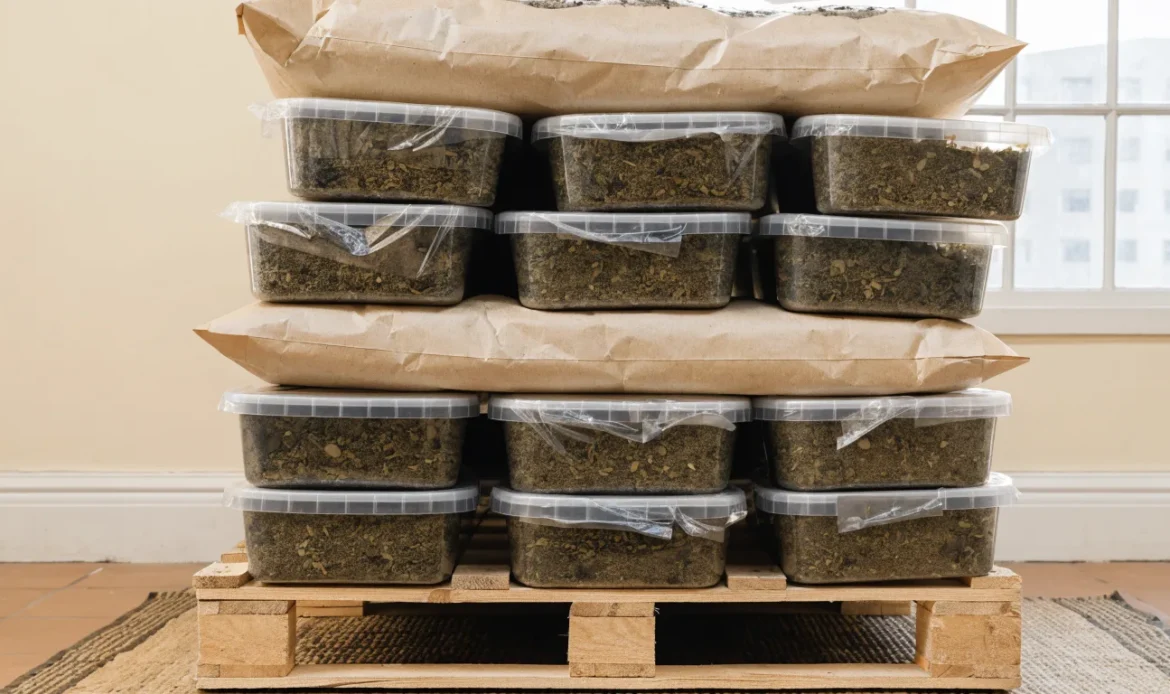
Short answer: Sea moss companies harvest, process, and sell sea moss products. To pick a reliable company, check their source information, product format, testing or lab reports, clear labels, and return or contact policies. Use a checklist and ask for proof of testing when you need it.
This guide explains what sea moss companies do. It shows what to check on labels and websites. It lists practical questions to ask. It also explains what tests and documents prove — and what they cannot prove.
What sea moss companies do
Sea moss companies handle several steps. Not every company does all steps. Typical roles are:
- Harvesting or buying raw seaweed.
- Drying, washing, and processing.
- Turning sea moss into dried pieces, gels, powders, or capsules.
- Packaging and labeling products.
- Selling retail and wholesale.
- Providing customer service and after-sales support.
Some companies harvest their own sea moss. Others buy from local harvesters or brokers. Few companies do independent lab testing on every batch. That is why a buyer should look for clear information.
Why format and processing matter
Sea moss appears in many formats. Each format has trade-offs. Formats affect storage, use, and shelf life.
Harmful substances can be present in seaweed. Levels of iodine and other minerals vary by species and location. That variation can be large enough to matter for people with thyroid concerns [1][2]. For safety, look for clear labels and test reports.
Common formats
- Dried raw sea moss: Whole pieces or chips. They need washing and soaking before use. Pros: longer shelf life, minimal processing. Cons: needs prep, variable texture.
- Sea moss gel: Rehydrated and blended into a gel. Pros: ready to use. Cons: shorter shelf life; may include added water or preservatives.
- Powder: Dried and milled sea moss. Pros: easy to add to recipes and supplements. Cons: particle size, mixing issues, and possible added ingredients.
- Capsules: Powdered sea moss in pills. Pros: convenient dosing. Cons: less flexible for recipes.
- Blends and mixed supplements: Sea moss combined with other botanicals or vitamins. Pros: tailored products. Cons: harder to know sea moss percentage and interactions.
For each format, ask about processing steps, added ingredients, and storage recommendations.
How to evaluate a sea moss company
Here are the strongest checks to do. These steps help you judge a company and the product.
- Source details: Does the company state where the sea moss was harvested? Is the harvest location precise (region/island) or vague?
- Species identification: Does the product list the species or common name? Different species look and taste different.
- Processing steps: Do they explain how sea moss is cleaned, dried, and processed?
- Ingredient list: Is the product single-ingredient sea moss, or does it include preservatives, flavorings, or stabilizers?
- Batch testing and COA: Does the company show third-party lab reports or Certificates of Analysis (COAs) for contaminants like heavy metals, microbes, and iodine?
- Lab report date and batch match: Is each COA tied to a production lot or batch number?
- Label transparency: Nutrition facts, net weight, storage instructions, and best-by date should be clear.
- Return, refund, and contact info: Is it easy to contact the company? Is there a clear return policy?
- Wholesale and business terms: For bulk buyers, check minimum orders, lead time, and logistic support.
- Sustainability and permits: Does the company describe harvest permits or sustainable practices? This is useful but not a guarantee of sustainability.
Be careful: a COA or label only proves the product tested at that time. It does not prove every future batch matches those results. A visible COA is better than none. Reputable companies will tie COAs to lot numbers and dates.
Decision checklist
Use this checklist when you compare sea moss companies. The table shows what each check proves and what it cannot prove. Use the “Questions to ask” line when you contact a seller.
| Check | Why it matters | What it can prove | What it cannot prove | Questions to ask |
|---|---|---|---|---|
| Harvest location | Source affects composition and contaminants | Company knows where product came from | That the site is always the same or that future batches match | “Where was this batch harvested? Can you name the region?” |
| Species name | Different species behave differently in recipes | Product contains the listed species for that lot | That species labeling is accurate without a lab ID test | “What species is this? Do you use ID or local names?” |
| Processing steps | Changes texture, shelf life, and safety | How product was cleaned, dried, or preserved | Exact microbial risk unless tested | “How do you wash and dry sea moss? Any additives?” |
| Ingredients list | Reveals fillers or preservatives | What is in the sealed package | Amounts of individual minerals unless listed | “Is this pure sea moss or a blend? Any preservatives?” |
| Third-party COA | Shows tested contaminants or iodine for that batch | Results for that sample (heavy metals, microbes, iodine) | That all batches have the same levels | “Can I see a COA tied to the lot number?” |
| Lot number and date | Traceability if problems arise | Ties COA to a specific batch | That older or different batches match | “What lot is this and when was it packaged?” |
| Storage and shelf life | Affects safety and quality | How to store and how long product lasts unopened | Actual shelf life under poor storage conditions | “How should I store this and what is the best-by date?” |
| Contact and return policy | Helps if product is defective | How to return or replace items | That the company will always honor returns quickly | “Who is the customer contact for issues?” |
This table gives you a focused way to compare sellers. Keep copies of COAs and labels for the batch you buy.
What tests should I expect to see?
Common tests that provide useful information include:
- Heavy metals screening (lead, cadmium, mercury, arsenic).
- Iodine level reporting.
- Microbial testing (total plate count, yeast, mold, pathogens).
- Pesticide screening (if relevant).
A COA from an accredited third-party lab is best. If a company posts a COA, confirm the COA lists a batch number that matches your purchase. A single COA cannot guarantee future batches. It only reports results for the sample tested.
Iodine can vary widely across seaweed. High or low iodine can affect people with thyroid conditions [1][2]. Because of this, several public health groups recommend awareness of iodine in seaweed products [1][2][3]. If you have thyroid concerns, ask a clinician before adding seaweed to your diet.
Questions to ask a sea moss company
Use these short, direct questions when you talk to a seller:
- Where was this sea moss harvested? Please name the region or island.
- What species is this product? Do you use a scientific name?
- Is there a COA or third-party lab report for this lot? Can you share it?
- Are there any added ingredients or preservatives?
- How should I store this product and how long will it stay good?
- What is your return or refund policy?
- For wholesale: what are minimum orders, lead times, and shipping terms?
Record names and dates for replies. Keep copies of lab reports and invoices.
Buying for resale or wholesale
If you buy sea moss for your shop or brand, expect additional checks.
- Ask for lot-specific COAs and certificates of origin.
- Ask about batch traceability and shelf-life dating.
- Request a product specification sheet with declared moisture, particle size (for powder), and processing details.
- Confirm packing options, inner cartons, and labeling support.
- Clarify lead times and minimum order quantities.
- Verify any claims you plan to make on your label with test evidence.
Wholesale buyers should agree on sample testing before large orders. Make sure the supplier can provide repeatable documentation for future shipments.
What a test result does — and does not — prove
Be precise when you read lab reports.
- A COA shows results for the specific sample tested.
- A COA does not prove that every item from a supplier meets those same numbers.
- Dates and lot numbers matter. A COA without this information is less useful.
- Look at the methods used and the lab accreditation. Accredited labs follow standard methods.
Public health reports have found that iodine and other mineral levels in seaweed products can vary a lot. This variation is why testing and clear labeling are important [1][2][3][5].
Preparing and storing sea moss safely
Follow label instructions. For dried sea moss, cleaning and soaking steps matter to remove sediments. For gels and fresh products, refrigeration and use-by dates are important. If a product includes added water, preservative steps and temperature control become more important.
If you have a medical condition, especially thyroid disease, check with a clinician before changing your diet to include seaweed. Health agencies note that iodine intake from seaweed can be high and variable for some people [2][3][5].
Red flags to watch for
- No source information. If a company gives only general statements and no region, be cautious.
- No ingredient list. All packaged foods should list ingredients.
- No lab tests or COAs when asked. Lack of testing is a risk signal.
- Vague returns policy. A clear path to return or refund is important.
- Overblown health claims. Sellers should not claim cures or guaranteed medical outcomes.
A clear, factual company will answer specific questions about testing, sources, and processing.
Next steps and useful links
If you want more background on sea moss, visit our learning pages:
- Learn about sea moss basics: /learn/
- Browse our product formats: /shop/
- Learn wholesale options: /wholesale/
- Contact us with questions: /contact/
- Back to home: /
These pages include format guides, product lists, and wholesale info if you decide to buy.
Conclusion
Sea moss companies do many things: sourcing, processing, testing, and selling. A few simple checks will help you pick a supplier you can trust. Ask for specific harvest and species details. Request COAs tied to lot numbers. Read labels for ingredients and storage instructions. If you sell or buy in bulk, require lot traceability and specification sheets. When in doubt, ask direct questions and keep records of responses.
If you want a step-by-step next action: pick one seller, ask for the lot-specific COA, and compare their answer to the checklist above. That gives you concrete information to decide.
Continue reading
Frequently asked questions
How can I tell if a sea moss company is trustworthy?
Look for clear source info, species names, processing details, and batch COAs. Check contact details and return policy. Ask direct questions and keep records of answers.
Do I need to see a lab report before buying?
Seeing a COA is helpful, especially for tests like iodine or heavy metals. A COA tied to your lot is best. If no COA is available, ask why and consider another supplier.
Are all sea moss products the same?
No. Sea moss differs by species, harvest area, and processing. Different formats (dried, gel, powder) also behave differently in recipes and storage.
Can I rely on company claims about iodine or minerals?
Company claims may be accurate, but the only reliable proof is a lab report for the specific batch. Mineral content can vary across batches [1][2][3].
Is fresh better than dried?
“Better” depends on use. Fresh gels are convenient but have shorter shelf life. Dried pieces last longer but need prep. Choose based on your needs and how soon you will use the product.
What if I have thyroid disease?
Seaweed can contain iodine and may affect thyroid conditions. Ask your clinician before adding seaweed products. Public health literature notes variable iodine levels in seaweed [1][2][5].
References
- [1] Harvard T.H. Chan School of Public Health, “Seaweed.” https://nutritionsource.hsph.harvard.edu/seaweed/
- [2] Smyth PPA. “Iodine, Seaweed, and the Thyroid.” European Thyroid Journal, 2021. https://pmc.ncbi.nlm.nih.gov/articles/PMC8077470/
- [3] Food Standards Australia New Zealand, “Survey of iodine levels in seaweed and seaweed containing products,” updated 2025. https://www.foodstandards.gov.au/science-data/monitoring-safety/surveyofiodinelevels
- [4] Operation Supplement Safety, “Sea Moss in Dietary Supplements.” https://www.opss.org/article/sea-moss-dietary-supplements
- [5] Blikra MJ et al. “Consequences of acute and long-term excessive iodine intake: A literature review focusing on seaweed as a potential dietary iodine source.” 2024. https://doi.org/10.1111/1541-4337.70037