
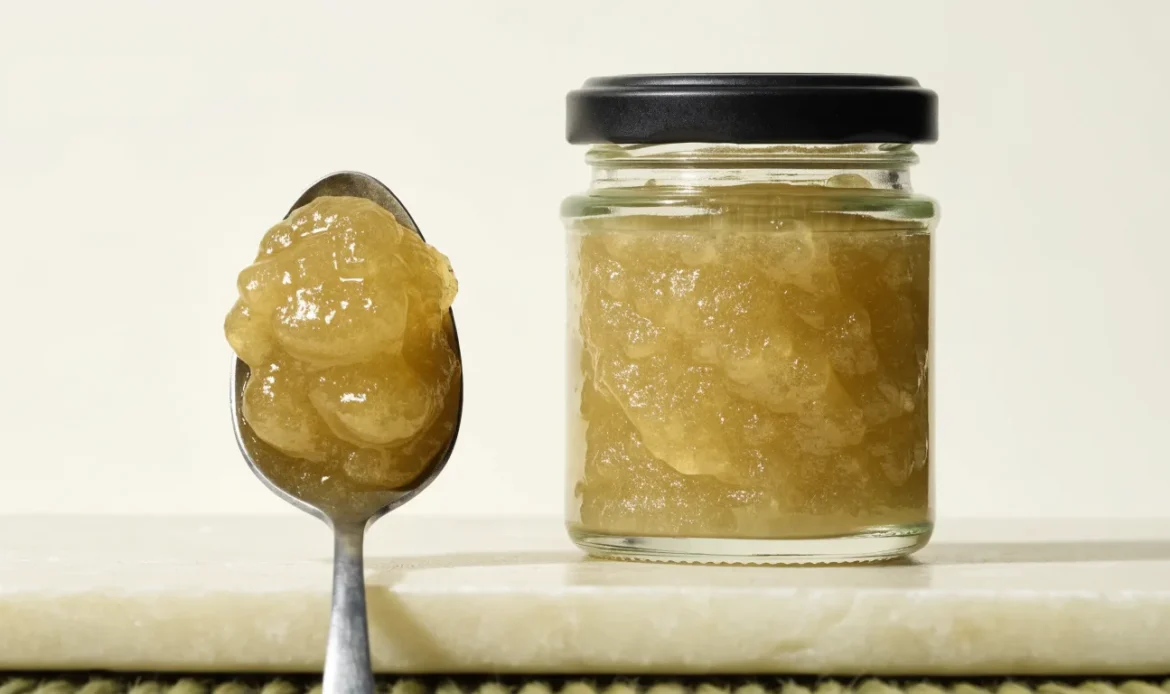
Short answer: Sea moss can cause side effects for some people. The main risks come from high iodine, variable product quality, and contaminants in some harvests or supplements. Most people who eat sea moss as a food have no serious problems. But people with thyroid conditions, pregnant people, young children, and those on certain medicines should be cautious and talk with a clinician first. [2] [4]
What sea moss is and how people use it
Sea moss is a name for several types of edible seaweed. People eat it fresh, cooked, or as a gel. It is also sold as powders, capsules, and other supplements.
As a food, seaweed supplies minerals and fiber. As a concentrated supplement, it can pack much more of those minerals in a small serving. Labels and processing affect what is in the final product. [4]
Main side effects to watch for
Below are the side effects reported or expected with sea moss. The strength of evidence varies. We separate what is well-supported from what is uncertain.
Iodine-related effects and the thyroid
Seaweeds, including some sea moss species, can contain high and variable iodine amounts. Too much iodine can upset thyroid function. That can lead to either an overactive thyroid (hyperthyroidism) or an underactive thyroid (hypothyroidism) in some people. People with existing thyroid disease are most at risk. [2] [5]
- Why this matters: The thyroid uses iodine to make hormones. Sudden large changes in iodine intake can change hormone levels and symptoms. [2] [5]
- What is uncertain: The exact amount of iodine in a serving of sea moss is often not listed. Product tests show wide variability between brands and batches. This makes it hard to say which products are safe without a test. [3] [4]
Contaminants and heavy metals
Seaweed grows in water. It can absorb metals and other contaminants from the environment. Some harvests and poor manufacturing can lead to unsafe levels of arsenic, lead, mercury, or other pollutants. That risk depends on where the sea moss was harvested and how the product was processed and tested. [4]
- What we know: Some surveys of seaweed products have found high iodine or other surprising contents. This shows testing and source control matter. [3] [4]
- What we do not know: Not all brands test for every contaminant. Some products sold as “natural” lack independent lab results.
Digestive upset and allergies
Seaweed is high in fiber and polysaccharides (the gels some people like). For some people, this can cause bloating, gas, or loose stools, especially when they start using it or take concentrated forms. Rarely, people have allergic reactions to seaweed or to impurities in processed products.
Interactions with medicines and labs
Because seaweed can change iodine intake, it may affect how thyroid medicines work or how blood tests look. If you take prescription thyroid medicine, your clinician may need to adjust your dose if you start or stop regular seaweed supplements. Always tell your clinician about seaweed supplements. [2]
Evidence, uncertainty, and what each source can (and cannot) prove
It helps to separate four types of information:
- Food composition and surveys. These measure what’s in seaweed and products. They show that iodine and other elements vary a lot by species and source. This evidence is specific and measurable. [3] [4]
- Lab and clinical literature about iodine and the thyroid. Studies show that excess iodine can cause thyroid problems in sensitive people. This connection is well documented. [2] [5]
- Traditional use and small studies. Seaweed has a long history as a food in many cultures. Small clinical studies and early lab work study possible benefits. These do not prove broad health claims. They are only preliminary.
- Product-level and supplement quality evidence. Investigations of supplements show that some products vary widely in content and in whether they disclose contaminants. This raises safety and quality concerns for untested supplements. [4]
Put simply: we can measure composition and show biologic mechanisms for iodine effects. We cannot, from current evidence, support broad health claims or universal safety for all sea moss products. Product testing is the missing piece for many specific safety questions. [2] [4] [5]
How to reduce the risk: practical checklist
Use the checklist below before you eat sea moss regularly or try a concentrated product. This is a safety-first guide. It does not give doses or medical advice.
- Check your personal risk:
- Do you have a thyroid condition, are you pregnant, breastfeeding, or a child? If yes, talk to a clinician before regular use. [2]
- Do you take thyroid medicine? Tell your clinician before starting sea moss. [2]
- Check the product:
- Prefer products with a Certificate of Analysis (COA) from an independent lab.
- Look for listed iodine content. If it’s missing, be cautious. [3] [4]
- Avoid brands that do not show a harvest source or testing information. [4]
- Start slow:
- Use sea moss as a food first (small amounts). Watch how you feel.
- If you try a supplement, begin with one short trial period and stop if you have symptoms.
- Watch for symptoms:
- New fatigue, weight changes, hair loss, rapid heartbeat, tremor, or neck swelling are reasons to stop and call a clinician.
- Digestive upset that is new or severe is another reason to stop.
- Ask questions:
- Where was the sea moss harvested?
- Has the product been tested for heavy metals, arsenic, and iodine?
- Can the seller provide third-party lab results? [4]
- For clinicians and testing:
- If you plan long-term use and have risk factors, ask your clinician about baseline thyroid tests and a monitoring plan. [2] [5]
Below is a simple decision table to help you choose whether to proceed with a product.
| If you are… | Consider… | Why this matters |
|---|---|---|
| Pregnant, breastfeeding, child, or have thyroid disease | Avoid high-concentration products until cleared by clinician | Iodine changes can affect fetal and child thyroid function and worsen thyroid disease. [2] |
| Taking thyroid medication | Talk to your clinician and monitor thyroid tests | Seaweed can change iodine intake and medicine needs. [2] |
| Buying a supplement | Pick brands with third-party lab reports and clear source info | Testing lowers the chance of contaminants and unknown iodine levels. [4] |
| Eating sea moss as a food occasionally | Continue, but prefer trusted sources and rinse well | Food use is lower risk than untested concentrates. [3] |
| New to sea moss | Start with small amounts and watch symptoms | Helps spot sensitivity or digestive reactions early. |
Quality and labeling problems in supplements
Dietary supplements are not regulated like medicines. Some sea moss supplements vary in what they contain. Tests and inspections have found products with inconsistent iodine levels and missing safety data. A credible supplier will publish independent test results and give clear harvest or processing information. [4] [3]
- What suppliers should show: harvest location, species name, heavy metal testing, and iodine content.
- What to avoid: vague “proprietary blends,” no lab results, or claims that sound too good to be true.
Safety and when to ask a clinician
Sea moss can be safe for many people when used as food from reliable sources. But certain people should get medical advice before using it as a supplement or in large amounts.
Talk to a clinician sooner if you:
- Have a known thyroid disorder (Hashimoto’s, Graves’, nodules). [2]
- Take thyroid medication or other endocrine medicines. [2]
- Are pregnant, trying to conceive, or breastfeeding. [2]
- Are a child or elderly person with fragile health.
- Have a weakened immune system or serious chronic illness.
- Start to have new symptoms after taking sea moss (weakness, fast heartbeat, weight change, new swelling, severe digestive upset).
Clinicians can:
- Order baseline or follow-up blood tests for thyroid hormones and antibodies.
- Help interpret lab results alongside diet and supplements.
- Recommend safe alternatives if you need to avoid high-iodine foods.
Choosing a safer product: what to look for
- Transparent sourcing: country, region, and seaweed species.
- Third-party testing: COA for iodine and heavy metals.
- Clear ingredient lists and no hidden additives.
- Good manufacturing practices (GMP) or similar quality signals.
- Retailers who answer questions and provide test results. [4] [3]
If a retailer cannot provide test results or source details, treat the product as higher risk.
Practical scenarios and what to do
- You have normal thyroid tests and want to try sea moss as a food: start small, choose a reputable source, and watch how you feel.
- You take levothyroxine or other thyroid drugs: talk to your prescriber before starting sea moss regularly. Your dose may need review. [2]
- You find a product with no lab testing: avoid or ask for COA. Better-tested products reduce uncertainty. [4]
- You are pregnant or feeding a baby: consult a clinician first. Iodine affects fetal and infant thyroid function. [2]
Conclusion
Sea moss is a real food with a long history. It can contain high levels of iodine and, depending on source and processing, other contaminants. These features make it potentially harmful for some people, especially those with thyroid conditions, pregnant people, children, and those on thyroid medicines. Product quality varies. If you plan to use sea moss regularly or as a concentrated supplement, look for tested products and talk with a clinician when you have risk factors.
If you want practical next steps: pick a product with lab testing, start with food uses first, and discuss with a clinician if you have thyroid concerns. For more on sea moss uses and how the product range differs, see our pages: Benefits of sea moss (/learn/benefits/), more learning resources at Learn (/learn/), browse our Shop (/shop/), or contact us with product questions Contact (/contact/). If you are buying in bulk, visit our Wholesale (/wholesale/) page.
Frequently asked questions
Can sea moss give me a thyroid problem?
Sea moss can add iodine. Too much iodine can change thyroid function in some people. People with thyroid disorders are most at risk and should speak with a clinician before regular use. [2] [5]
Does cooking sea moss reduce iodine or contaminants?
Cooking and rinsing can lower some surface contaminants. But iodine and bound metals are not always removed by simple cooking. Testing of the final product is the only way to know exact content. [3] [4]
Is sea moss safe in pregnancy?
Pregnancy is a time to be cautious. Iodine affects fetal thyroid development. Talk with your clinician before using sea moss supplements or concentrated products. [2]
How do I find a safe sea moss supplement?
Look for a brand that lists species and harvest origin and that provides an independent Certificate of Analysis for iodine and heavy metals. If a seller cannot show testing, be cautious. [4]
If I already take thyroid medication, can I eat sea moss?
Tell your prescriber before you start sea moss regularly. Seaweed can change iodine intake and may affect your medication needs. Your clinician may suggest baseline tests and follow-up. [2]
Are there benefits that are proven?
Seaweed has nutrients and fiber. Some small studies suggest possible effects, but high-quality clinical trials on sea moss supplements are limited. Do not expect a guaranteed medical benefit from a product without strong evidence. [4]
References
- Smyth PPA. “Iodine, Seaweed, and the Thyroid.” European Thyroid Journal, 2021. https://pmc.ncbi.nlm.nih.gov/articles/PMC8077470/
- Blikra MJ et al. “Consequences of acute and long-term excessive iodine intake: A literature review focusing on seaweed as a potential dietary iodine source.” 2024. https://doi.org/10.1111/1541-4337.70037
- Food Standards Australia New Zealand, “Survey of iodine levels in seaweed and seaweed containing products,” updated 2025. https://www.foodstandards.gov.au/science-data/monitoring-safety/surveyofiodinelevels
- Operation Supplement Safety, “Sea Moss in Dietary Supplements.” https://www.opss.org/article/sea-moss-dietary-supplements