
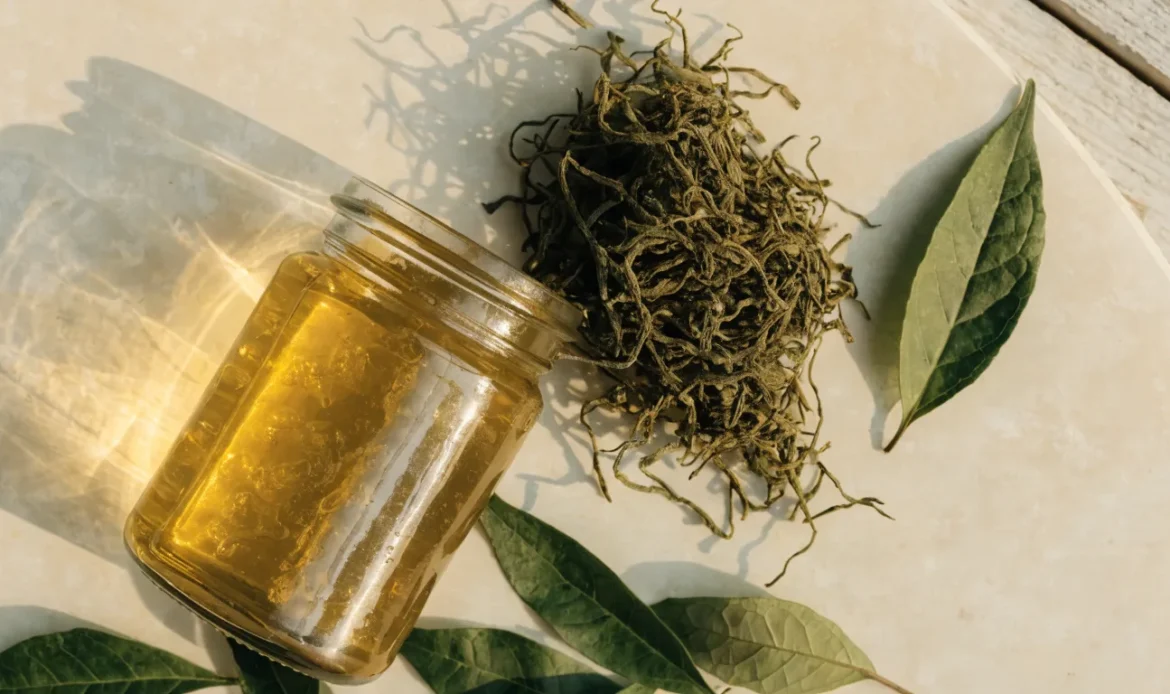
Short answer: High quality sea moss is seaweed that is clean, properly handled, and transparently tested. It should show clear information about where and how it was harvested, how it was processed, and what lab tests were done. No single label proves quality, so look for multiple checks and clear answers from the seller.
Why this matters: sea moss comes from the ocean. Its content and safety can vary. Good sellers give plain facts you can check. This guide shows what to look for and what questions to ask next.
What sea moss is — simple facts
Sea moss is a type of seaweed that people use as food or ingredient. Seaweed can hold minerals from seawater and also iodine. The amount of nutrients and iodine can change a lot by species, where it grew, and how it was processed [1]. That is why “high quality” depends on more than just a pretty package.
Seaweed products range from raw dried pieces to gels, powders, and capsules. Each format needs different care. Processing, drying, and testing affect safety and shelf life.
Key signs of high quality sea moss
High quality sea moss is not a single stamp. It is a set of checks you can run on a product and the seller. Use these checks together. No single item guarantees safety or value.
- Clear origin and harvest info. Good sellers can tell you where the sea moss was harvested and whether it was wild or farmed. Exact GPS or general region and a harvest date are even better.
- Transparent processing details. Ask how it was cleaned and dried. Low-heat drying or air drying is common. Some sellers use sun-drying or mechanical dryers. Each method affects moisture and shelf life.
- Lab testing available. A high-quality product will have a batch Certificate of Analysis (COA) or lab report. The COA should show tests for heavy metals, microbes, and iodine when possible. Make sure the COA has a date and batch number.
- Sensory checks. Dried sea moss should smell like the sea, not rotten. Normal colors vary by species and origin. Look for signs of mold, strong sour smells, or slimy residue on dried pieces.
- Packaging and labeling. Proper labels list weight, batch or lot number, and basic handling instructions. Sealed packaging helps keep moisture out.
- Supplier transparency and contact. Sellers that answer questions directly and provide COAs on request show better transparency.
- Consistent sampling and testing. Quality sellers test regularly and sample different batches. Ask how often they test and whether tests cover iodine and heavy metals.
All these checks matter because sea moss can have variable iodine and other elements. Too much iodine can be harmful for some people. Studies and reviews note that iodine content in seaweed varies greatly and can sometimes be high enough to cause concern if consumed often [2][3][5]. That is why testing for iodine and clear serving guidance are important.
What tests to ask for and why
When you ask a seller for lab tests, here are the common ones to request and why they matter.
- Heavy metals (lead, arsenic, cadmium, mercury): Ocean plants can concentrate metals. Testing helps show the product meets safety limits.
- Microbial tests (total plate count, yeast/mold, E. coli, Salmonella): These show if processing and handling were sanitary.
- Iodine level: Seaweed can be a major source of iodine. Knowing the iodine level helps you manage how much you consume, especially if you have thyroid issues [2][5].
- Moisture content and water activity: High moisture can lead to spoilage or mold. Low moisture helps shelf life.
- Pesticide residues or algal toxins (if relevant): Some regions test for pesticide traces or harmful algal toxins.
- Sulfite or preservative testing: Some processors use sulfites; people with sensitivities may want to know.
- Identity testing (species verification): Confirms the seaweed is the species claimed.
Important limits of lab tests:
- A COA covers the batch tested, not every package. Ask which batch the COA covers and whether it matches the lot you will receive.
- Labs vary. Check that the lab is accredited and that the report shows methods and limits of detection.
- Tests don’t prove ongoing quality. Regular testing over time is better than a single report.
For general safety information about sea moss in supplements, see Operation Supplement Safety [4]. Reviews on iodine show possible risks from excess intake and point out the need for measured consumption [5].
Formats and how format affects quality and use
Different formats suit different uses. Each format has different quality and safety checks.
- Dried whole sea moss
- Pros: Longest shelf life if fully dry; you can wash and make your own gel. Easier to verify smell and appearance.
- Checks: Look for clean aroma, no mold, COA for batch, harvest info, properly sealed packaging.
- Sea moss gel (homemade or sold)
- Pros: Ready to use for foods and smoothies.
- Checks: Check production date, refrigeration or frozen storage, short “use by” guidance, microbial test if sold commercially.
- Powder or extract
- Pros: Convenient for dosing and mixing.
- Checks: Ask for tests for heavy metals, microbial safety, and iodine. Check for fillers or added ingredients.
- Capsules or tablets
- Pros: Easy dosing.
- Checks: Look for label transparency on ingredients and serving size. Ask for COA and supplement facts.
- Bulk or wholesale raw material
- Pros: Cost-effective for businesses.
- Checks: Batch COAs, supplier audit info, storage conditions, and traceability.
Use the format that fits your plan. If you plan to consume sea moss daily, knowing the iodine level becomes more important. If you plan to use it occasionally in recipes, the risks are lower, but basic safety checks remain important.
Quick buyer’s checklist
Use this checklist before you buy. Mark each item as Yes or No. If several items are No, ask more questions or choose another seller.
| Check | Yes | No | What to look for |
|---|---|---|---|
| Origin provided | ☐ | ☐ | Region, wild vs farmed, harvest date |
| Batch number / lot ID | ☐ | ☐ | Matches COA and package |
| COA or lab report available | ☐ | ☐ | Shows tests, lab name, date |
| Tests include heavy metals | ☐ | ☐ | Lead/arsenic/cadmium/mercury |
| Tests include iodine | ☐ | ☐ | Especially for frequent use |
| Microbial testing shown (if processed) | ☐ | ☐ | Plate counts, Salmonella, E. coli |
| Clean look and smell | ☐ | ☐ | No rotten or moldy odor |
| Proper packaging (sealed/dry) | ☐ | ☐ | Moisture protection |
| Clear storage and use instructions | ☐ | ☐ | Refrigeration for gel, dry storage for dried |
| Seller answers questions quickly | ☐ | ☐ | Transparent and helpful replies |
If a product fails several key checks (no COA, no origin info, strong off-odor), treat it as higher risk.
How to check a COA and what to look for
A Certificate of Analysis should be readable and include:
- Product name and batch/lot number.
- Date of sampling and date of test.
- Lab name and accreditation status.
- Test methods used.
- Results with units and limits of detection.
- Signature or verification.
Things that raise questions:
- Vague test names (e.g., “metals” without specification).
- No batch number or mismatch between COA and package.
- No lab contact info or no method details.
Remember: a COA is useful, but it is not a global guarantee. Ask follow-up questions if anything looks unclear.
Handling, storage, and simple safety tips
- Store dried sea moss in a cool, dry place. Keep it sealed from moisture.
- Store ready-made gel in the refrigerator and follow “use by” advice. If the gel smells sour or looks cloudy, do not use.
- If you make gel at home, rinse the dried pieces to remove sand and debris. Use clean water and a clean container. Refrigerate and use within a short time. If you have a health condition, consult a healthcare provider before making regular use.
- For powders and capsules, follow the seller’s storage advice. Heat and humidity can affect quality.
- If you are pregnant, breastfeeding, or have thyroid issues, check iodine content and talk with a healthcare professional. Seaweed products can be high in iodine and may affect thyroid function [2][5].
Practical decision guide: Should you buy this sea moss?
Answer these three quick questions before you buy:
- Can the seller show a recent COA that matches the batch? (Yes → proceed; No → ask for it)
- Does the product list harvest info and clear handling/storage steps? (Yes → proceed; No → ask)
- Will you use it often enough that iodine content matters? (If yes → ensure iodine test; if no → basic testing still matters)
If you answered No to two or more, consider a different seller or ask detailed questions and wait for clear answers.
What seller answers are reasonable to expect
Good sellers will:
- Provide harvest location and approximate date.
- Share a batch COA or at least a lab summary.
- Explain how the sea moss was dried, packed, and stored.
- Tell you about their testing frequency and lab name.
- Offer clear storage and use advice.
If a seller refuses to provide basic testing or origin information, treat that as a red flag.
What testing and labels cannot prove
- A single COA does not guarantee every package is identical.
- Labels like “natural” or “wild” do not prove safety or testing.
- Country of origin doesn’t prove low contamination; testing does.
- An absence of contaminants on a COA does not mean other untested contaminants are absent.
Understand what you want to know and ask for tests that answer that question.
Next useful question to ask a seller right now
“Can you send a Certificate of Analysis for the lot number on the package, and tell me the harvest date and drying method used for that lot?”
This question is specific. It ties the COA to the actual product. It forces a clear answer rather than a generic statement.
Conclusion
“High quality sea moss” means transparency and checks, not just a label. Look for origin info, batch COAs, clear processing notes, and good packaging. Ask for iodine and heavy metals testing if you will use the product often. Use the buyer checklist and decision guide here to decide quickly and safely.
If you want more on how to use sea moss or how formats compare, see our beginner guides and product pages:
- Learn more about sea moss basics: /learn/
- Browse product formats and options: /shop/
- If you are buying in bulk, see wholesale info: /wholesale/
- For questions or COA requests, contact us: /contact/
- Visit our home page for general info: /
Continue reading
Frequently asked questions
How can I tell if sea moss is safe to eat?
Look for clear origin info, a matching COA, no off smells, and proper packaging. Ask the seller about testing for heavy metals, microbes, and iodine. If many of these items are missing, be cautious.
Is dried sea moss safer than gel or powder?
Dried sea moss is less likely to spoil if fully dried and stored well. Gel and powder have different risks and need microbial and moisture control. No format is intrinsically “safe” without proper handling and testing.
How important is iodine testing?
Very important if you plan to use sea moss frequently. Iodine in seaweed can vary widely and may be high enough to affect thyroid function in some people [2][5]. Ask for iodine results if you will consume it often.
Can a COA be faked?
In rare cases, documents can be misleading. Verify that the COA includes a batch number, lab name, dates, and contact info. If possible, contact the lab to confirm accreditation and the test. Ask for a COA that matches the lot number on your package.
Should I trust “wild-harvested” or “organic” claims?
These labels are not a substitute for testing and traceability. “Wild” or “organic” describes method but does not prove low contaminants. Always ask for lab results and harvest details.
Can I make sea moss gel at home from dried sea moss?
Yes, many people do. Rinse the dried pieces, soak them, blend with clean water, and keep the gel refrigerated. Use common-sense food safety: work with clean utensils, use clean water, and follow short refrigerator times. If you have health concerns, consult a healthcare professional.
References
- [1] Harvard T.H. Chan School of Public Health, “Seaweed.” https://nutritionsource.hsph.harvard.edu/seaweed/
- [2] Smyth PPA. “Iodine, Seaweed, and the Thyroid.” European Thyroid Journal, 2021. https://pmc.ncbi.nlm.nih.gov/articles/PMC8077470/
- [3] Food Standards Australia New Zealand, “Survey of iodine levels in seaweed and seaweed containing products,” updated 2025. https://www.foodstandards.gov.au/science-data/monitoring-safety/surveyofiodinelevels
- [4] Operation Supplement Safety, “Sea Moss in Dietary Supplements.” https://www.opss.org/article/sea-moss-dietary-supplements
- [5] Blikra MJ et al. “Consequences of acute and long-term excessive iodine intake: A literature review focusing on seaweed as a potential dietary iodine source.” 2024. https://doi.org/10.1111/1541-4337.70037