
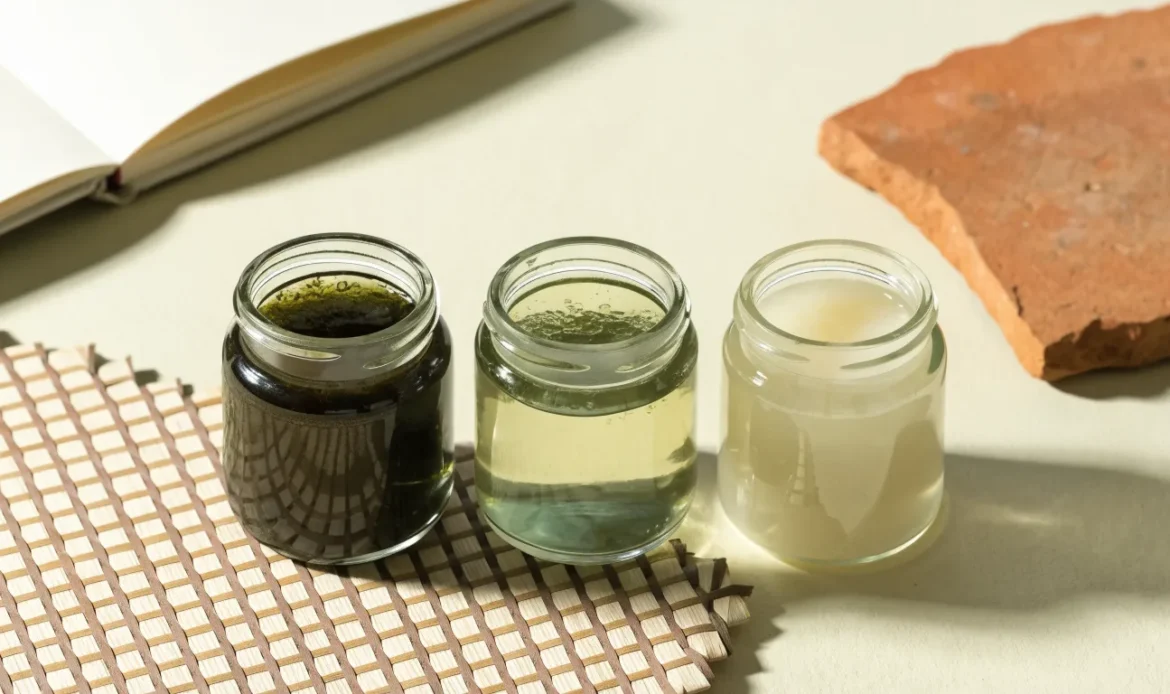
Short answer: A “sea moss target” is the specific goal you have when buying or selling sea moss. It describes the format, use, and quality level you want. Pick a clear target first — for example “raw dried for small-batch gel making” or “powder for a capsule product.” Then use testing, labeling, and storage checks to match products to that target.
This guide answers that question first. Then it walks through formats, safety checks, a decision checklist, and suggested next steps. Use this to make choices whether you are a home user, a retailer, or a wholesale buyer.
What people mean by “sea moss target”
“Sea moss target” usually includes three parts:
- The intended use. Are you buying for food, a home remedy, a commercial product, skincare, or resale?
- The preferred format. Raw and dried, gel, powder, capsule, or extract?
- The quality and safety level you need. Do you require testing for iodine, heavy metals, microbes, or allergen statements?
Say this out loud before shopping: “My sea moss target is [use] + [format] + [safety/quality].” That simple sentence makes choices easier.
Why setting a clear target matters
If you don’t set a target, you may buy the wrong form. For example, dried sea moss is cheaper per pound but needs soaking and cleaning. Gel saves prep time but may have added ingredients. Powder and capsules are convenient but are often more processed.
A clear target helps you compare suppliers. It guides what questions to ask about testing, labeling, and shipping. It can also save time and money.
Common sea moss formats and who they’re for
Below are common formats. Each entry says what the format is useful for and what to check.
Dried (raw) sea moss
- What it is: Sea moss cleaned and dried. Sold in bags or bulk.
- Who it’s for: People who want full control of preparation. Small processors and chefs.
- Pros: Long shelf life when kept dry. Lower processing.
- Cons: Needs soaking and rinsing. Texture varies by species and drying method.
- What to check: Cleanliness, visible debris, clear labeling, and whether the supplier offers testing or a certificate of analysis.
Fresh or wet sea moss (rehydrated)
- What it is: Sea moss kept moist or sold packed in liquid.
- Who it’s for: Cooks or makers who want ready-to-soak material.
- Pros: Short prep time.
- Cons: Short shelf life and needs refrigeration. Check handling and shipping conditions.
Gel
- What it is: Sea moss that has been soaked, blended, and refrigerated or preserved.
- Who it’s for: Home users who want ready-to-use product for smoothies or topical use.
- Pros: Ready to use; easy for non-kitchen users.
- Cons: Often perishable. Some gels include additives or preservatives. Check ingredients.
Powder
- What it is: Dried sea moss milled into powder.
- Who it’s for: People who want to mix sea moss into powders, teas, or capsules.
- Pros: Easy to dose and mix. Longer shelf life than gels.
- Cons: Less texture and different handling. Check for fillers or anti-caking agents.
Capsules and tablets
- What it is: Powdered sea moss in pill form.
- Who it’s for: People who prefer measured doses and convenience.
- Pros: Easy to take, no prep.
- Cons: More processed. Check label for other ingredients and serving size. Verify manufacturer practices.
Extracts and tinctures
- What it is: Concentrated liquid made by extracting substances from sea moss.
- Who it’s for: Small-batch makers, formulators.
- Pros: Concentrated; can be easier to add into formulas.
- Cons: Processing methods vary. Check extraction solvent and ratio. Ask for details.
Topical products (soaps, creams)
- What it is: Sea moss included in skin products.
- Who it’s for: Skincare formulators and users.
- Pros: Can be formulated for skin use.
- Cons: Different regulatory and labeling needs. Check preservative systems and claims on the label.
What you can check — and what you usually can’t — before buying
When you evaluate a product, some things are easy to check. Others require testing or supplier transparency.
What you can check:
- Label details: ingredients list, net weight, lot code, contact info.
- Format and handling instructions.
- Supplier claims about testing and where to get documents.
- Visible quality in photos or a sample (color, debris, odor).
What you usually cannot prove from a label alone:
- Exact iodine or mineral levels. These vary widely by species, harvest location, and processing [1][3][5].
- Presence or absence of heavy metals, unless independent lab tests are provided.
- Microbial safety for perishable products without test results.
Always ask the supplier for a certificate of analysis (COA). If none is available, assume you need to test or pick a different supplier.
Safety notes and testing priorities
Seaweeds, including some sea moss, can contain variable levels of iodine and other minerals. The iodine content can be high in some samples and low in others. That variability means people who must monitor iodine intake should be cautious and look for testing information [1][2][3][5].
Key testing priorities to ask about:
- Iodine levels. Levels are variable and can be high in some seaweeds [1][2][3][5].
- Heavy metals (lead, cadmium, mercury). Ask for lab tests if this matters for your target market.
- Microbial tests for perishable formats like gels.
- Residual solvents or additives for extracts and powders.
- Authenticity testing if species identification is important.
Operation Supplement Safety recommends caution with sea moss used in dietary supplement products and suggests checking for testing and good manufacturing practices [4].
Decision checklist: pick your sea moss target
Use this checklist to move from a vague idea to a clear buying target.
- Purpose: What will you use the sea moss for?
- Food or beverage? → Consider dried, gel, or powder.
- Capsules or supplements? → Choose powder or finished capsules and check supplement regulations.
- Skincare? → Check preservatives and topical safety.
- Resale or wholesale? → Look for consistent batches and COAs.
- Format preference: Do you want ready-to-use or to process yourself?
- Ready-to-use → Gel, capsules, finished products.
- Process yourself → Dried or powder.
- Shelf-life and storage: Can you store perishable items?
- No refrigeration → Choose dried or powder.
- Refrigeration available → Gel may be okay.
- Labeling and testing needs:
- Do you require iodine or heavy metal testing? Request COAs.
- Do you need lot tracking for traceability? Ask suppliers.
- Volume and price sensitivity:
- Small volume → Look for consumer-sized packs.
- Large volume/wholesale → Ask about consistency, lead time, and minimum orders.
- Regulatory and safety standards:
- Selling as a supplement or food requires adherence to local rules. Ask the supplier how the product is intended to be sold.
- Supplier transparency:
- Can they provide test results on request?
- Do they offer samples before bulk purchase?
Decision table (quick guide)
| Your target use | Recommended format | Top checks before buying | Next step |
|---|---|---|---|
| Home gel for smoothies | Dried or pre-made gel | Ingredient list; refrigeration and shelf life | Buy small batch; test prep at home |
| Powder for recipes or capsules | Powder | Filler list; COA for iodine/heavy metals | Request COA; compare suppliers |
| Retail capsules | Finished capsules | GMP info; label compliance; COAs | Request samples and packaging specs |
| Skincare product | Extract or gel | Preservative system; microbial tests | Get formulation sheet; test stability |
| Wholesale resale | Dried bulk | Lot consistency; test reports; lead times | Ask for samples and long-term terms |
How to evaluate suppliers and samples
If you are buying for resale or large-scale use, follow these steps:
- Ask for samples. Test handling, smell, and prep time.
- Ask for COAs and know what tests you need.
- Request the supplier’s contact and facility information.
- For food or supplements, ask about manufacturing standards and whether the supplier can meet your labeling needs.
- Negotiate a small first order with clear return terms.
If a supplier resists providing basic testing or avoids questions about handling, consider other options. Transparency reduces risk.
Preparing and storing common formats (practical tips)
These are general tips, not recipes or medical advice.
Dried sea moss:
- Rinse under cool water to remove sand or residue.
- Soak in clean water until it rehydrates.
- Use within a few days after making gel, and refrigerate.
Gel:
- Keep refrigerated.
- Check ingredients for added sugars or preservatives.
- Use within the supplier’s recommended time frame.
Powder:
- Store in a dry, cool place in an airtight container.
- Avoid moisture exposure.
Capsules and tablets:
- Store as labeled.
- Check the manufacturer’s expiration date and lot code.
Always follow supplier storage guidance.
Buying for wholesale: extra checkpoints
Wholesale purchases need more checks:
- Minimum order quantities, lead times, and packing options.
- Batch consistency and sample-to-batch matching.
- Traceability: lot codes and harvest dates.
- Shipping conditions for perishable items.
- Contract terms for returns and quality disputes.
If you plan to resell, factor in labeling, local regulations, and shelf-life management. Contact the supplier early to confirm they can meet these needs. For wholesale inquiries, see our wholesale page or reach out via /contact/.
What you can’t rely on without testing
- Labels alone do not prove mineral content. Iodine and heavy metal levels vary by harvest and processing [1][3][5].
- Photos alone do not guarantee microbial safety for perishable items.
- Marketing language cannot replace a COA or third-party test.
If you need precise information, request laboratory results.
Next steps and useful guides
- Learn more about seaweed basics on our learn pages: /learn/
- Explore product options in our shop: /shop/
- If you plan to buy in volume, see wholesale details at /wholesale/ and contact us at /contact/.
- Return to our homepage for other resources: /
Conclusion
“Sea moss target” is a simple but powerful idea. Start by naming your purpose, format, and safety level. Use the decision checklist to narrow options. Ask suppliers for samples and tests. Remember that labels and photos are helpful but not proof of mineral content or microbial safety. Request COAs when you need precise information. If you are buying for resale or wholesale, add checks for batch consistency, lead times, and contract terms.
If you want help turning your target into a short list of products, we can help. Visit our /learn/ pages to read more, browse products at /shop/, or inquire about volume orders at /wholesale/. Reach out via /contact/ for specific sourcing questions.
Continue reading
Frequently asked questions
What does “sea moss target” mean in one sentence?
It means the exact use, format, and quality level you want when buying or selling sea moss.
How do I know if a sea moss product is safe?
Check labels, ask the supplier for a certificate of analysis (COA), and confirm storage and handling. For perishable items, ask for microbial tests. For mineral concerns, ask for iodine and heavy metal tests [1][3][5][4].
Are some sea moss formats better for beginners?
Many beginners find pre-made gel or small packs of dried sea moss easier. Ready-made formats reduce prep work. Always check ingredient lists and shelf instructions.
Should I worry about iodine with sea moss?
Iodine levels in seaweed can vary widely. Some seaweeds have high iodine levels. If iodine is a concern, ask for test results and consult public health guidance [1][2][3][5].
Can I buy sea moss in bulk for resale?
Yes, but check batch consistency, COAs, lead times, and contract terms. Ask for samples before committing to a large order.
What tests matter most for sea moss?
Commonly requested tests include iodine, heavy metals, and microbial tests for perishable formats. The specific tests you need depend on your target and regulations in your market [4][5].
References
- Harvard T.H. Chan School of Public Health, “Seaweed.” https://nutritionsource.hsph.harvard.edu/seaweed/
- Smyth PPA. “Iodine, Seaweed, and the Thyroid.” European Thyroid Journal, 2021. https://pmc.ncbi.nlm.nih.gov/articles/PMC8077470/
- Food Standards Australia New Zealand, “Survey of iodine levels in seaweed and seaweed containing products,” updated 2025. https://www.foodstandards.gov.au/science-data/monitoring-safety/surveyofiodinelevels
- Operation Supplement Safety, “Sea Moss in Dietary Supplements.” https://www.opss.org/article/sea-moss-dietary-supplements
- Blikra MJ et al. “Consequences of acute and long-term excessive iodine intake: A literature review focusing on seaweed as a potential dietary iodine source.” 2024. https://doi.org/10.1111/1541-4337.70037