
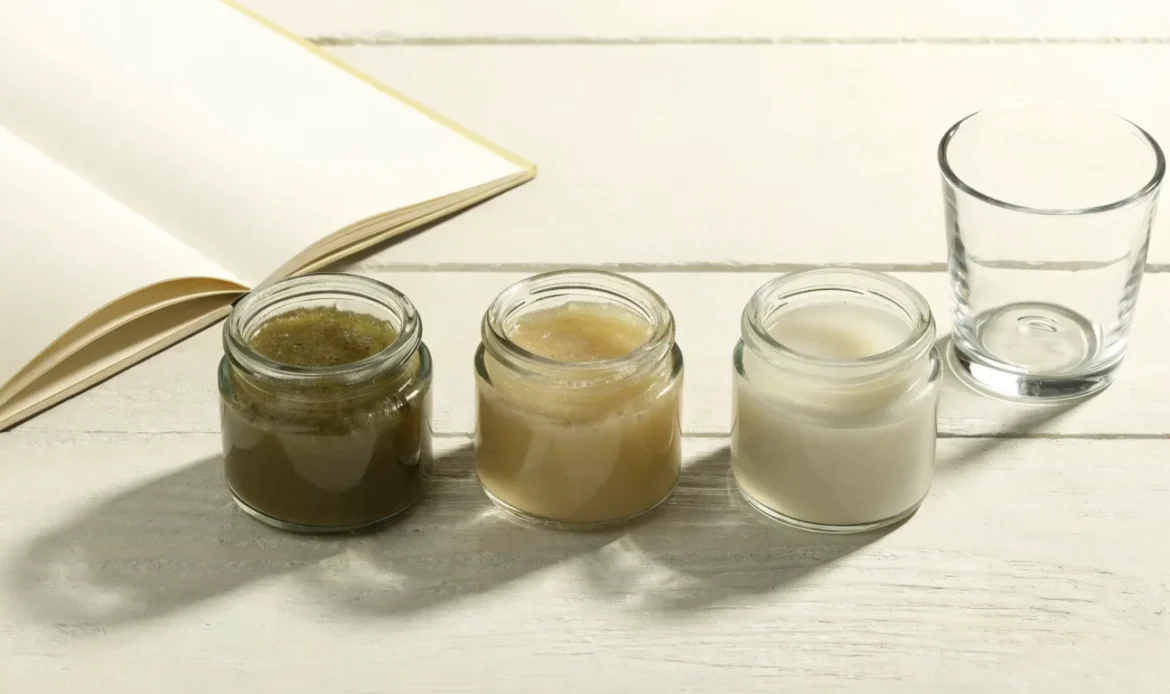
Short answer: “Black owned sea moss” names sea moss products sold by businesses owned by Black entrepreneurs. The phrase does not describe a single product or a single seaweed species. If you want to support Black-owned sea moss sellers, you can. This guide shows how to check ownership, what product details to ask for, and how to choose a format that fits your needs.
Why this short answer first: many people ask “is true sea moss black owned?” They may mean “Can I find authentic sea moss from Black-owned businesses?” Yes — many businesses of many backgrounds sell sea moss. Ownership and product quality are separate things. Below you will find clear steps to verify ownership and practical checks to make a safe, useful purchase.
What “Black owned sea moss” actually means
- “Black owned” refers to business ownership. The owner or majority of owners identify as Black.
- “Sea moss” is an informal name for several red algae. Sellers use the same name for different species and products.
- The term does not change the species, safety, or biology of the seaweed. Ownership is about who runs the business, not the plant itself.
If you want to support Black entrepreneurs, look for sellers who say they are Black-owned and who provide proof or clear contact details. If the seller does not say so, you can ask.
Is “true sea moss” the same as “black owned sea moss”?
People sometimes use “true sea moss” to mean a particular species or a less-processed product. That phrase is not a standard scientific term. It can cause confusion.
- Species: Many sellers call multiple algae “sea moss.” Names vary by region. Ownership does not change species.
- Authenticity: A product can be authentic and still not be Black-owned. Likewise, a Black-owned product may be blended, powdered, or processed.
Bottom line: “True sea moss” and “Black owned” are different questions. One is about the product. The other is about the business. Ask both questions separately.
Why buyers look for Black-owned sea moss
People choose Black-owned sellers for many reasons:
- To support Black entrepreneurship and local economies.
- To buy from brands that reflect their culture or community.
- Because they value small or independent sellers.
These reasons are valid. Choosing a Black-owned business is a social and economic choice. It should be paired with product checks for safety and transparency.
How to verify a seller is Black-owned
Business pages and product listings may not always show ownership clearly. Here are practical steps to verify ownership before you buy:
- Read the About page. Many owners write brief bios and company stories.
- Check social media profiles. Owners sometimes introduce themselves there.
- Look for press, interviews, or local business listings that mention ownership.
- Ask the seller directly. Send a message asking who owns the company.
- Check directories. Some local Black business directories list verified businesses.
- Ask for a business name and registration if needed. You can then search public records where available.
What you can check and what you cannot prove easily:
- You can confirm a claim when an owner shows their profile, public articles, or a business registration.
- You cannot know private ownership arrangements from a label alone. If there is doubt, ask.
If a seller avoids ownership questions, consider buying elsewhere.
What to check about the sea moss product
Ownership is one factor. Product details matter too. Sea moss products vary a lot. Here are the practical checks you should do for safety and fit.
- Product format: dried, raw, gel, powder, capsule, or blended product? Each has different handling and shelf life.
- Ingredient list: Does the product contain only seaweed, or are there added ingredients (preservatives, sweeteners, or fillers)?
- Origin and harvest info: Does the seller say where the seaweed was harvested or grown? Some sellers list a region or country.
- Processing and handling: Was the seaweed rinsed, dried, cooked, or blended? How was it processed?
- Batch number and harvest date: These help with traceability.
- Lab testing: Ask for third-party lab reports for contaminants and iodine when available.
- Storage and shelf life: How should you store the product? How long does gel or powder last?
- Shipping and packaging: Ask how the product is packed for transit.
- Return policy: What happens if the product arrives spoiled or mislabeled?
Why lab testing matters: Seaweeds vary in iodine and in possible contaminants. These levels depend on species, where they were harvested, and how they were processed. Reliable sellers may share lab test results or summaries. Sources such as food safety and scientific reviews discuss variability in iodine and the need to track levels in seaweed [1][2][5].
Useful questions to ask the seller:
- Which species of algae is this?
- Where and when was it harvested?
- Do you have third-party lab test results? Can I see them?
- What processing steps were used?
- Is the product raw, blanched, dried, or preserved?
- Do you sell a wholesale option? (If you need bulk, ask about minimums and lead times.)
Formats explained: pros and practical notes
Sea moss comes in many formats. Below are common ones and what to look for.
- Dried sea moss (whole or broken)
- Pros: Long shelf life when dry. You can make gels or use it in recipes.
- Check: Clean appearance, no off odor, clear origin info.
- Prep tip: Soak and rinse before use. Follow seller prep instructions.
- Sea moss gel (ready-to-use, may be vacuum-packed)
- Pros: Convenient for immediate use in recipes.
- Check: Ingredient list (is it pure sea moss and water or are there additives?). Shelf storage and expiration date.
- Powdered sea moss (dried and ground)
- Pros: Easy to add to drinks and foods.
- Check: Look for binding agents, fillers, or added vitamins on the label.
- Capsules or supplements
- Pros: Standardized serving sizes.
- Check: Label accuracy, manufacturer notes, and any disclaimers. Supplement labeling is regulated differently than foods. Operation Supplement Safety discusses variability in supplement labeling and risks [4].
- Blends (sea moss mixed with other herbs or botanicals)
- Pros: Flavored or targeted use.
- Check: Each ingredient should be listed with amounts if possible.
Always avoid assumptions about processing or purity. Ask sellers for clear ingredient lists and handling instructions.
Safety notes about iodine and testing
Seaweed species and locations vary in iodine content. High iodine intake can affect thyroid function in some people. Scientific reviews and food-safety agencies discuss the variability of iodine in seaweed and the need for monitoring [2][3][5]. Practical steps:
- Ask the seller for any iodine testing they have conducted.
- If you have thyroid conditions or take medications, speak with a healthcare professional before changing iodine intake.
- Recognize that labels on supplements or foods may not always report iodine unless tested. Operation Supplement Safety highlights the importance of careful labeling in dietary products [4].
These are general safety pointers, not medical advice. If you have medical questions, consult a licensed clinician.
Decision checklist: Buying Black-owned sea moss
Use this checklist before you buy. Mark each item as Yes or No.
| Checklist item | Why it matters | Action if No |
|---|---|---|
| Seller states they are Black-owned | Confirms ownership claim | Ask the seller or look for public proof |
| Owner or team listed on the About page | Shows transparency | Request owner bio or contact |
| Clear product format (dried, gel, powder) listed | Helps you choose and prepare | Ask what format you will receive |
| Species or botanical name provided | Helps with expectations | Ask which algae species it is |
| Harvest origin or region given | Affects traceability | Ask for the harvest location |
| Batch or lot number shown | Helps with recalls or issues | Ask for batch tracking |
| Third-party lab reports offered | Shows safety testing | Request lab report or summary |
| Ingredient list is complete | Avoid unwanted additives | Ask for full ingredient list |
| Shelf life and storage info provided | Prevents spoilage | Ask for storage instructions |
| Clear return policy | Protects your purchase | Review returns before buying |
| Wholesale terms (if buying bulk) | Needed for resellers | Ask for minimums, pricing, lead time |
If several critical items are missing (owner verification, lab tests, product origin), consider choosing another seller.
Wholesale vs retail with Black-owned sellers
If you want to stock sea moss or buy in bulk, ask about wholesale options. Practical considerations:
- Minimum order sizes and lead times.
- Labeling and ingredient disclosure for resale.
- Ability to supply consistent batches or repeat orders.
- Pricing, shipping, and returns for bulk orders.
- Any reseller agreements or private-label options.
Ask the seller for a wholesale packet or catalog. If you plan to resell, verify labeling requirements in your area. See our wholesale page for contact and next steps: Wholesale info (/wholesale/).
If you need a single jar or a small bag, buy retail on the seller’s shop page: Shop sea moss (/shop/).
How to decide quickly: a short decision guide
- I want to support Black-owned businesses and need small amounts:
- Look for a retail product with clear owner info and ingredient list.
- Buy a small package or gel to test quality.
- I want to use sea moss in recipes and want control:
- Buy dried sea moss with origin and species info.
- Confirm prep instructions from the seller.
- I want a ready-to-use product:
- Buy gel or powder with full labeling and storage guidance.
- I want a steady supply for resale:
- Contact the seller about wholesale terms and lab testing.
- Ask for certifications, batch tracking, and lead times.
If you need more learning before buying, our guides explain formats and preparation: Learn more (/learn/).
Questions to ask before you buy
- Are you Black-owned? How can I confirm that?
- What species of seaweed is this?
- Where and when was it harvested?
- Do you have third-party lab results for contaminants and iodine?
- What processing steps were used?
- What are the storage instructions and shelf life?
- Do you offer bulk pricing or wholesale terms?
- What is your return policy?
Asking these questions helps you make a clear choice. A transparent seller will answer most of them.
Conclusion
“Black owned sea moss” simply means the business selling sea moss is owned by Black entrepreneurs. If you want to support Black-owned brands, look for clear owner info and ask questions. At the same time, check product details: species, format, origin, processing, and lab testing. Use the decision checklist above to make a safe choice that fits your needs.
If you want to learn more about seaweed types and product formats, visit our learning section: Learn more (/learn/). Ready to buy small amounts or test products? See our shop: Shop sea moss (/shop/). Interested in larger orders or recurring supplies? Check wholesale options: Wholesale info (/wholesale/). For general company questions, go to our homepage: [/]. For direct questions about ownership or sourcing, please contact the seller or supplier you are considering.
Frequently asked questions
Can a product be both Black-owned and lab-tested?
Yes. Ownership and testing are separate. A Black-owned company can share lab results. Ask the seller for test documents.
How do I know what species of seaweed I’m buying?
The seller should list a species name or a regional name. If they do not, ask directly which algae it is.
Are labels reliable for sea moss products?
Labels vary. Some sellers list full info. Others do not. Ask for ingredient lists, batch numbers, and test results if you need them.
Is it safe to eat sea moss every day?
Safety depends on iodine and other factors. Seaweed iodine content can vary. If you have thyroid issues or take medicines, consult a healthcare professional before daily use.
Where can I find Black-owned sea moss sellers?
Look on seller About pages, social media, local business directories, or ask in community groups. You can also contact sellers directly and ask about ownership.
What if the seller won’t share lab results?
If testing is important to you, consider another seller who is transparent. Trust and traceability are key in food products.
References
- Harvard T.H. Chan School of Public Health, “Seaweed.” https://nutritionsource.hsph.harvard.edu/seaweed/
- Smyth PPA. “Iodine, Seaweed, and the Thyroid.” European Thyroid Journal, 2021. https://pmc.ncbi.nlm.nih.gov/articles/PMC8077470/
- Food Standards Australia New Zealand, “Survey of iodine levels in seaweed and seaweed containing products,” updated 2025. https://www.foodstandards.gov.au/science-data/monitoring-safety/surveyofiodinelevels
- Operation Supplement Safety, “Sea Moss in Dietary Supplements.” https://www.opss.org/article/sea-moss-dietary-supplements
- Blikra MJ et al. “Consequences of acute and long-term excessive iodine intake: A literature review focusing on seaweed as a potential dietary iodine source.” 2024. https://doi.org/10.1111/1541-4337.70037