
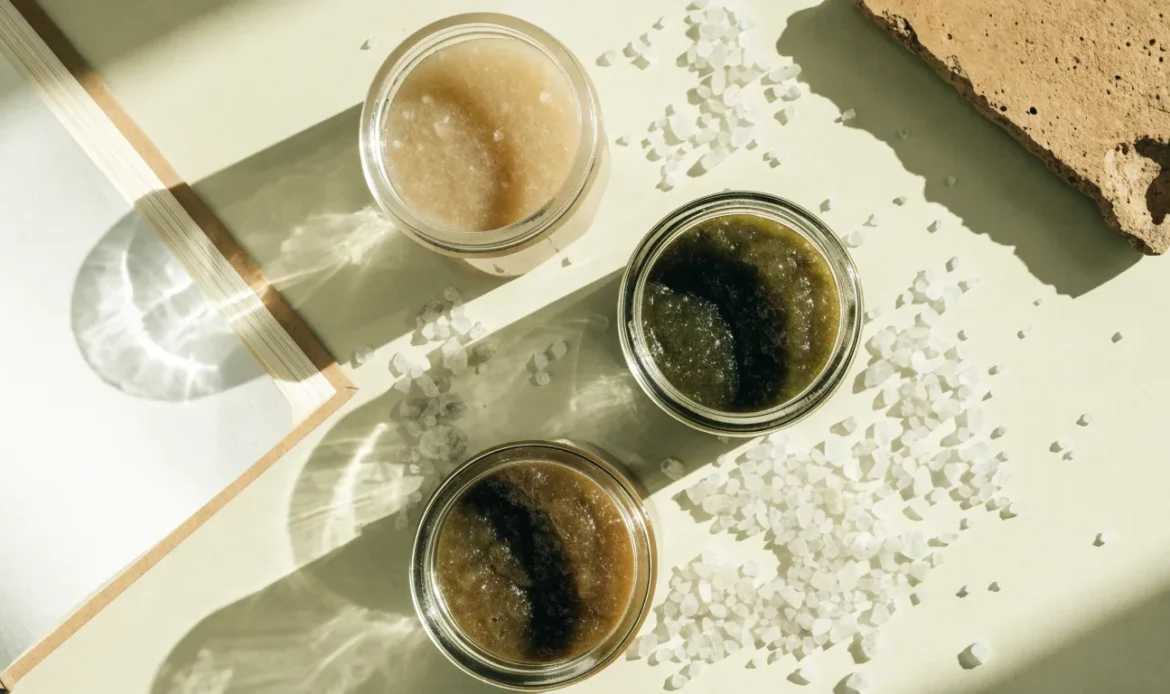
Short answer: “Lemme Sea Moss” is not a scientific term. People use it as a product name or a shorthand for sea moss in a specific form (gel, powder, dried, or fresh). If you want to buy or use something labeled this way, check its format, how it was processed, and what testing the seller can show.
This guide gives a clear definition first. Then it shows what to check, how to prepare common formats, and a practical decision checklist you can use when buying. The aim is to help you ask the right questions and make a safe choice.
What people mean by “Lemme Sea Moss”
Searches or labels that say “Lemme Sea Moss” typically point to one of three things:
- A brand or seller name that uses “lemme” as part of its product name.
- A casual shorthand in posts or listings—someone saying “lemme sea moss” to mean “let me show you my sea moss” or “give me sea moss.”
- A product format where the seller uses a catchy word rather than a technical name.
Because the phrase is informal, it does not tell you the product’s form, source, or quality. You need other labels and documents to know what you are actually buying.
Common sea moss formats and what “lemme sea moss” might be
Below are the most common sea moss formats you will encounter. For each, I explain what it is, how people use it, and what to check before buying.
Raw dried sea moss (whole or cut)
- What it is: Sun- or heat-dried seaweed pieces. Often sold in bags.
- Common uses: Rehydrated and blended into gels, cooked into foods, or steeped for broth.
- What to check: Species name or botanical name, country or region of harvest, drying method (sun vs. low-heat), and whether the seller provides lab testing for contaminants.
Fresh or soaked sea moss
- What it is: Sea moss sold pre-washed and rehydrated, sometimes packed in water.
- Common uses: Ready to blend into a gel or use in recipes.
- What to check: Date prepared, refrigeration needs, and microbial testing if sold as a ready-to-eat wet product.
Sea moss gel
- What it is: Rehydrated, blended sea moss kept as a thick gel. Often refrigerated.
- Common uses: A convenience form for smoothies, recipes, or topical use.
- What to check: Ingredients list (sometimes other herbs or sweeteners are added), storage instructions, and recommended use period after opening.
Powdered sea moss
- What it is: Dried sea moss ground into a powder.
- Common uses: Easy dosing in drinks, baking, or supplements.
- What to check: Milling and drying methods, particle size, and whether it has any carriers or fillers.
Capsules, pills, or blended supplements
- What it is: Processed sea moss in standard supplement formats.
- Common uses: Standardized dosing and convenience.
- What to check: Supplement facts, serving size, other ingredients, and third-party testing for purity.
Knowing the format helps you decide how to store and use the product. It also guides what tests and labels to look for.
Why testing and labels matter
Seaweed can contain high levels of iodine. Iodine amounts vary a lot by species, location, and processing. Because iodine affects the thyroid, sellers should be able to show tests or clear guidance for consumption [1][2][5]. Different seaweeds and batches can also carry heavy metals or microbes depending on where and how they were harvested and processed. For supplement-style products, consumer-safety organizations recommend asking for testing and clear labeling [4].
What testing to ask for
- Iodine content (if you plan to use it regularly).
- Heavy metals (lead, arsenic, cadmium, mercury).
- Microbial tests for ready-to-eat or wet products.
- A Certificate of Analysis (CoA) from a testing lab and the date of testing.
- If the seller uses “wild-harvested” or “hand-harvested,” ask what that means and whether it was near industrial or agricultural runoff.
A test report that is recent and from a recognized lab offers concrete information. Marketing claims or vague statements do not replace lab results.
References for testing concerns: Harvard’s nutrition guidance on seaweed points to nutrient variability and the need to be careful with iodine [1]. Reviews and surveys also document large variability in iodine and possible risks from excess intake [2][3][5]. Consumer-safety groups note issues with untested sea moss products sold as supplements [4].
How to read product labels and seller information
Labels can be helpful if they include:
- Scientific name or species of the seaweed.
- Country or region of harvest.
- Processing method (dried, freeze-dried, heat-dried).
- Ingredient list and any added substances.
- Storage and use instructions.
- Batch number and date of packaging.
- Links or attachments to third-party lab tests (CoA).
What labels cannot prove
- A label cannot prove the product is contaminant-free unless it links to a test for the specific batch.
- Claims like “pure,” “detox,” or “superfood” are marketing terms and do not provide safety or nutrient guarantees.
- Origin statements without traceable batch data do not prove environmental conditions at harvest.
If a seller cannot provide a CoA or at least clear answers on testing, consider that an information gap. You can choose a product with better documentation or ask follow-up questions.
Simple, safe preparation steps (format-by-format)
I describe common, cautious steps. These are general methods, not medical advice.
Raw dried sea moss (to make gel)
- Inspect the dried pieces. Remove obvious debris.
- Rinse under cold running water to remove sand and salt.
- Soak in clean water for several hours until rehydrated. Replace the water if it looks cloudy.
- Rinse again and put the hydrated sea moss in a blender with fresh water.
- Blend until smooth. Store the gel refrigerated and use within the time the seller recommends.
Fresh or pre-soaked sea moss
- Check the sell-by or prep date.
- Rinse and smell. If it smells off or looks cloudy, discard.
- Follow seller instructions for refrigeration and time-to-use.
Powder
- Use as directed on the label.
- Keep the package sealed and dry.
- If the powder smells odd, do not use.
Gels and ready-to-eat wet products
- Refrigerate immediately.
- Follow “use by” guidance on the label.
- Avoid leaving opened gel at room temperature.
These steps reduce obvious food-safety risks. They do not reduce chemical contaminants (iodine or heavy metals). For those, testing is the only reliable check.
Practical buying decision checklist
Use this one-page checklist when you evaluate a seller or product. It helps you compare items quickly.
| Question to ask or check | Why it matters | What to look for |
|---|---|---|
| What is the product format? (dried, gel, powder, capsule) | Determines storage, use, and testing needs | Clear format on label |
| What species is it? (scientific or common name) | Iodine and other content vary by species | Scientific name or clear common name |
| Where and how was it harvested? | Pollution risk depends on location and method | Region, near industrial areas? Harvest method |
| Is there a recent Certificate of Analysis (CoA)? | Lab tests give concrete safety data | CoA with date and contact info for lab |
| What tests were done? | You may need iodine, heavy metals, microbial tests | Iodine, metals, microbes listed on CoA |
| Are any other ingredients added? | Additives change usage and storage | Full ingredient list on label |
| How should I store and how long after opening? | Food-safety and quality depend on storage | Clear storage instructions and shelf life |
| Does the seller offer batch numbers and traceability? | Traceability improves accountability | Batch number on package and records |
| For wholesale: what are lead times and minimums? | Matches supply needs | Clear terms and timelines |
| If I have thyroid or pregnancy concerns, who should I ask? | Medical conditions need clinician input | Seller advises consulting a clinician and offers CoA |
Use this checklist as a conversation starter with a seller. If they can answer most items clearly, you have more information to make a choice.
Wholesale and bulk buying: key questions
If you are buying for resale or a business:
- Can the supplier provide batch-level CoAs for each shipment?
- What is the stated shelf life and how should shipments be stored in transit?
- What are the minimum order sizes and lead times?
- Who is responsible for label claims and regulatory compliance in your market?
- Does the supplier offer traceability documents (harvest records, harvest area coordinates, or disinfection logs if processed)?
For wholesale, documentation matters more. Buyers often need to demonstrate due diligence for regulatory or retail partners. Keep clear records of CoAs, invoices, and storage conditions.
What marketing cannot prove (and what to ask instead)
Marketing claims to watch out for:
- “All-natural” or “wild” without harvest details.
- “Balanced iodine” or “detox” without test data.
- Broad health claims linking sea moss to cures or disease prevention.
Ask instead:
- Can you show the CoA for the batch?
- What exact tests were run and when?
- Where was this harvested (region, coordinates, or at least the country)?
- How was it processed and packaged?
If the seller refuses to provide test data or basic sourcing details, treat that as a red flag.
Conclusion — next steps you can take right now
If you saw “Lemme Sea Moss” and want to proceed:
- Identify the product format (dried, gel, powder, capsule).
- Ask the seller for species name and a recent CoA showing iodine and heavy metals.
- Use the buying checklist above when comparing options.
- If you have a thyroid condition, pregnancy, or other medical concerns, show any CoA to your clinician before regular use.
If you want more background on seaweed and safety, start at our Learn hub. If you are ready to compare products, visit our Shop or contact a supplier for wholesale options.
Helpful links:
- Home: /
- Learn more: /learn/
- Browse products: /shop/
- Wholesale inquiries: /wholesale/
- Contact us: /contact/
Continue reading
Frequently asked questions
Is “Lemme Sea Moss” a specific type of seaweed?
No. The phrase is usually a brand or shorthand. It does not identify the species or quality. Always look for species and testing details.
How can I tell if sea moss is safe for thyroid issues?
The key is iodine content. Ask for a CoA that lists iodine for the specific batch. Then share that data with a clinician. Seaweed iodine varies widely, so test results matter [1][2][5].
Can I make sea moss gel at home from dried sea moss?
Yes. The basic steps are rinse, soak, rinse again, then blend with fresh water to a smooth gel. Store the gel in the fridge and follow any use-by guidance from the seller.
What tests should a reputable seller provide?
Request tests for iodine, heavy metals, and microbes (especially for wet products). Ask that the CoA show the batch number and test date [4].
How long does sea moss gel last?
Shelf life depends on how it was made and stored. Follow seller guidance. If the product smells off or shows mold, do not use.
Is third-party testing required by law?
Regulations vary by country and product type. For supplements and foods, testing helps meet safety expectations, but legal requirements depend on local rules. Request CoAs to reduce uncertainty.
References
- Harvard T.H. Chan School of Public Health, “Seaweed.” https://nutritionsource.hsph.harvard.edu/seaweed/
- Smyth PPA. “Iodine, Seaweed, and the Thyroid.” European Thyroid Journal, 2021. https://pmc.ncbi.nlm.nih.gov/articles/PMC8077470/
- Food Standards Australia New Zealand, “Survey of iodine levels in seaweed and seaweed containing products,” updated 2025. https://www.foodstandards.gov.au/science-data/monitoring-safety/surveyofiodinelevels
- Operation Supplement Safety, “Sea Moss in Dietary Supplements.” https://www.opss.org/article/sea-moss-dietary-supplements
- Blikra MJ et al. “Consequences of acute and long-term excessive iodine intake: A literature review focusing on seaweed as a potential dietary iodine source.” 2024. https://doi.org/10.1111/1541-4337.70037