
Short answer: “Force Factor Sea Moss” is a product name or search phrase you may see for sea moss supplements or foods. It does not have a single, regulated meaning. When you find a product with that phrase, check the label, format, ingredient list, test results, dosage, and seller information before deciding. This guide explains what the name can mean, how sea moss is commonly sold, safety points (especially iodine), and a practical checklist to help you choose a format.
What people mean by “Force Factor Sea Moss”
- It could be a brand name or a product line that uses sea moss as an ingredient.
- It might refer to a blended supplement that contains sea moss plus other ingredients.
- It could also be a web search term used by buyers looking for sea moss products from a maker named “Force Factor” or similar.
Because product names are not standardized, the phrase alone does not tell you:
- how much sea moss is in the product,
- whether it is raw sea moss or a processed extract,
- if third-party testing was done,
- or where the sea moss was harvested and processed.
Always read the product label and any public testing information. If the label or seller does not answer the questions below, you should treat the product as having unknown content.
Why format and labeling matter
Sea moss is sold in many forms. The form affects:
- how you use it,
- how much you get per serving,
- how it stores,
- and what tests you should ask for.
Labels give key facts. A clear label should list:
- the ingredient(s) and their amounts per serving,
- other added ingredients (fillers, sweeteners, carriers),
- serving size,
- recommended use,
- manufacturer or distributor contact info,
- lot or batch number and a best-by date or manufacturing date,
- any third-party test or certificate claims and how to verify them.
If a label lacks these items, you should be cautious.
Common sea moss formats and what to check
Below are common formats you will see for sea moss. Each format has different practical points to check.
- Raw/dried whole sea moss
- What it is: Pieces of dried seaweed that you rehydrate and make into gel or cook.
- Check: origin or harvest region if given, drying method, cleaning instructions, allergen statements, and any test results for contaminants.
- Use: rehydrate, rinse, and make a gel or add to recipes.
- Sea moss gel (fresh or shelf-stable)
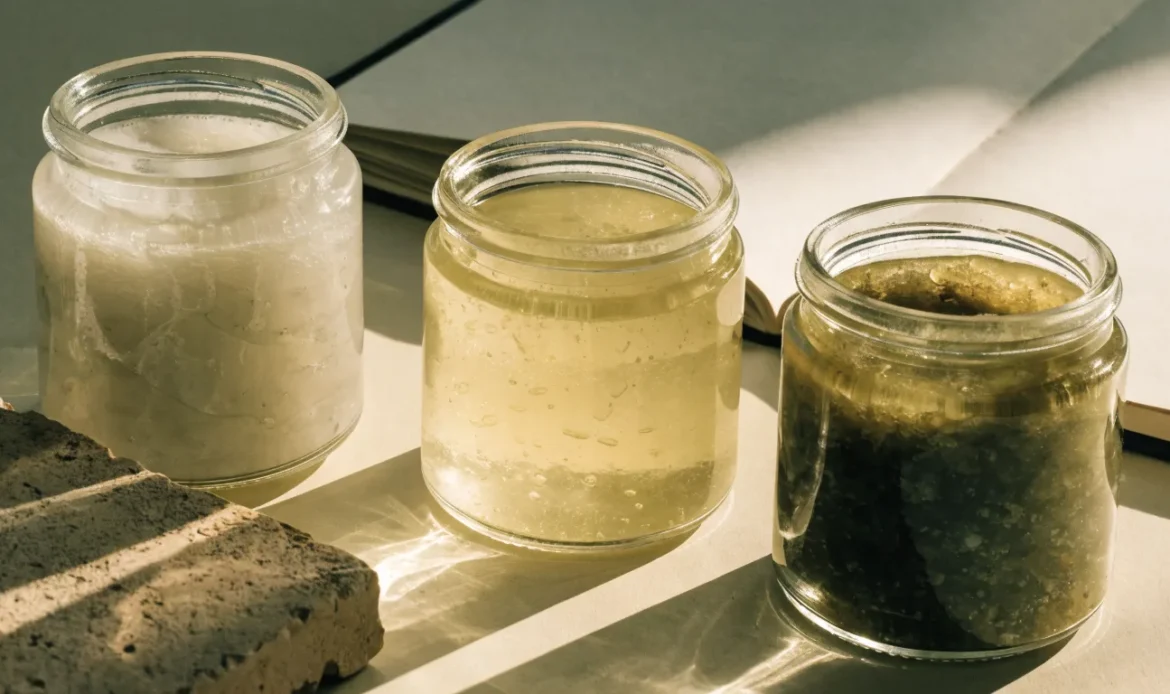
- What it is: Rehydrated sea moss blended with water and sometimes other ingredients.
- Check: ingredient list (watch for added sugars or preservatives), refrigeration needs, shelf life, and batch or lot number.
- Use: often mixed into drinks or recipes.
- Sea moss powder
- What it is: Dried sea moss that is milled into a powder.
- Check: whether the product is pure sea moss or blended with other powders, the particle size, and recommended dose. Ask about testing for contaminants.
- Use: easier to add to smoothies or capsules.
- Capsules or softgels
- What it is: Sea moss powder or extract placed in capsules.
- Check: total mass per capsule, number of capsules per serving, added ingredients (capsule material, fillers), and testing/certification claims.
- Use: convenient dosing and no taste.
- Blends or gummies
- What it is: Sea moss combined with other supplements, herbs, or flavors.
- Check: full ingredient list, sugar or sweetener content, other active ingredients and their amounts, and possible interactions.
- Use: marketed for convenience or flavor; dosing of sea moss may be lower per serving.
Important safety points — iodine and testing
Seaweed species and batches can vary in their iodine content. Iodine is a nutrient that the body needs in moderate amounts, but too much can cause problems for some people. Scientific reviews note that seaweed can be a source of high iodine and that iodine intake from seaweed is variable and sometimes high enough to be a concern [2][5]. Government surveys also find wide iodine variation across seaweed products [3].
What to check and why:
- Does the product show an iodine amount per serving? Some products list it; many do not. If it is not listed, you cannot tell how much iodine you will get from a serving.
- Has the product been tested by a third-party lab for iodine and contaminants? Third-party testing provides independent data you can verify.
- Are there batch or lot numbers and a way to contact the manufacturer? Good traceability lets you ask for test reports.
- Is there a warning for people with thyroid conditions or those on iodine-related medication? Some sellers include safety notes; others do not.
Regulatory and quality context:
- Dietary supplements and many sea moss products are not regulated to the same standard as prescription medicines. Testing and labeling quality can vary by maker. Independent safety groups note that consumers should seek products that share testing information [4].
How to compare formats: a practical decision table
Use this table to choose a format. It lists common buyer priorities and how each format typically scores. Note: “typical” does not mean all products match these scores. Always check the label and ask the seller.
| Priority | Raw/Dried | Gel | Powder | Capsules | Blended products (gummies, mixes) |
|---|---|---|---|---|---|
| Ease of use | Low — needs prep | Medium — ready if refrigerated | High — easy to mix | High — swallow | Medium — tasty but check dose |
| Dose control | Medium — varies by prep | Medium — serving size matters | High — grams per scoop | High — mg per capsule | Low — sea moss per serving often lower |
| Shelf life | Long if dry | Short if fresh; some shelf-stable | Long if dry | Long | Varies (often shorter) |
| Taste | Strong | Mild to neutral | Mild | No taste | Flavored |
| Need to test (iodine/contaminants) | High | High | High | High | High |
| Best for | DIY cooks | smoothies & recipes | accurate mixing/capsules | travel & dosing | flavored options |
How to use the table:
- Pick your top two priorities (for example, “dose control” and “ease of use”).
- Look for the formats that score best for those priorities.
- Then check labels and test info for the specific product.
Practical checklist to evaluate any “Force Factor Sea Moss” product
Use this step-by-step checklist before you buy.
- Label basics
- Is the ingredient list full and clear?
- Is the serving size shown?
- Are other additives (flavors, sweeteners, carriers) listed?
- Product format and dose
- What format is it (raw, gel, powder, capsule, blend)?
- How much sea moss is in one serving (in weight or percent)?
- Manufacturer details and traceability
- Is there a company name and contact info?
- Is there a lot or batch number and a best-by or manufacture date?
- Testing and claims
- Does the label claim third-party testing or certification?
- Is there a way to view test results (link or certificate)?
- Specifically look for test results for iodine and contaminants.
- Storage and handling
- Does the product require refrigeration?
- Are storage instructions clear?
- Safety warnings
- Is there advice for pregnant people, nursing people, or those with thyroid disease?
- Are potential allergens declared?
- Reviews and seller history
- Does the seller answer safety and testing questions?
- Do reviews mention product quality issues? (Reviews are useful but not a substitute for test data.)
- If you rely on sea moss for a specific nutrient
- Ask the seller for lab data showing the nutrient per serving. Without data, you cannot know typical nutrient amounts.
If the seller cannot answer these points, consider a different product or format.
Questions to ask a seller or label to confirm safety
- Can you provide a recent third-party lab report for the lot I would get?
- Does the report include iodine level and tests for heavy metals or microbial contamination?
- What species of seaweed is used and how was it processed (dried, heat-treated, water-extracted)?
- Where was it harvested and where was it processed?
- What are the storage recommendations and expected shelf life?
Sellers may or may not share these answers. If they do share lab reports, check the lab name and date on the report.
Preparing raw sea moss safely (short guide)
If you buy raw/dried sea moss and plan to make gel:
- Rinse thoroughly under cool running water to remove sand and visible debris.
- Soak in clean water until fully rehydrated. Change the water at least once while soaking.
- Blend the rehydrated sea moss with clean water until you get the desired gel texture.
- Store fresh gel in the refrigerator and follow the seller’s recommended shelf life.
- If the product label or seller gives different prep steps, follow those instructions.
Even with careful prep, you will not change inherent mineral content such as iodine. If iodine level is a concern, ask for lab results.
What the science and safety reviews say
- Seaweeds can supply minerals and nutrients, and their composition varies by species and batch. For general facts about seaweed and nutrients, see a nutrition source overview [1].
- Iodine content is variable and can be high enough to pose a risk of excessive iodine intake for some people. Reviews highlight iodine-related concerns when people use seaweed regularly without monitoring [2][5].
- National surveys find wide variation in iodine levels across seaweed products, underlining the need for testing when iodine intake is a concern [3].
- Independent safety groups advise consumers to look for testing and clear labeling when buying seaweed-based dietary supplements [4].
These sources do not rate individual products. They explain why you should look for data and why unspecified labeling leaves uncertainty.
How to compare price versus testing value
Price alone is not a reliable indicator of quality. A low price may reflect minimal testing or uncertain sourcing. A higher price can reflect testing and better traceability, but not always. Use the checklist above to judge value:
- If a product shows test reports and clear batch data, that raises confidence.
- If you cannot get testing information, consider choosing a product that does provide it even if it costs more.
Next steps and useful links
If you want to learn basic sea moss facts or explore formats and products:
- Learn sea moss basics: Sea Moss Learn Center
- Browse our shop for format choices (compare labels and testing info): Shop sea moss formats
- If you are a retailer or need bulk options: Wholesale inquiries
- Questions or need more product details? Contact us
- Back to our main site: Zen Wholesalers home
Conclusion
“Force Factor Sea Moss” is a product name you may find, but the name alone does not tell you what is in the package. Sea moss comes in many formats, and each requires different checks. The most important steps are to read the label, ask for third-party test results (especially for iodine and contaminants), and choose a format that fits your dose control and storage needs. If a seller cannot provide clear answers, look for another product that offers traceability and lab data. These steps help you make a safer, clearer choice without depending on promises or unclear claims.
Frequently asked questions
Is “Force Factor Sea Moss” a standard product?
No. The phrase is a product or search name. It does not mean a single standard product or amount of sea moss. Always read the specific product label.
How can I know how much iodine is in one serving?
Only if the product lists iodine per serving or provides a third-party lab report. If the label does not list iodine, ask the seller for a recent test result for the lot.
Are sea moss supplements regulated?
Dietary supplements and many seaweed products are regulated less strictly than medicines. This means quality and testing can vary. Independent test results are the best way to verify content and safety [4].
Which format lasts the longest?
Dried and powdered forms generally have the longest shelf lives when stored properly. Gels and fresh products often need refrigeration and have shorter shelf life.
Should people with thyroid problems avoid sea moss?
Because seaweed can contain variable iodine levels, people with thyroid conditions should be cautious and consult a health professional before using seaweed products. Asking for iodine testing is a good step [2][5].
What should I do if a seller refuses to provide testing information?
Consider choosing a different seller that provides testing or clear traceability. Lack of testing information leaves uncertainty about iodine and contaminants.
References
- Harvard T.H. Chan School of Public Health, “Seaweed.” https://nutritionsource.hsph.harvard.edu/seaweed/
- Smyth PPA. “Iodine, Seaweed, and the Thyroid.” European Thyroid Journal, 2021. https://pmc.ncbi.nlm.nih.gov/articles/PMC8077470/
- Food Standards Australia New Zealand, “Survey of iodine levels in seaweed and seaweed containing products,” updated 2025. https://www.foodstandards.gov.au/science-data/monitoring-safety/surveyofiodinelevels
- Operation Supplement Safety, “Sea Moss in Dietary Supplements.” https://www.opss.org/article/sea-moss-dietary-supplements
- Blikra MJ et al. “Consequences of acute and long-term excessive iodine intake: A literature review focusing on seaweed as a potential dietary iodine source.” 2024. https://doi.org/10.1111/1541-4337.70037