
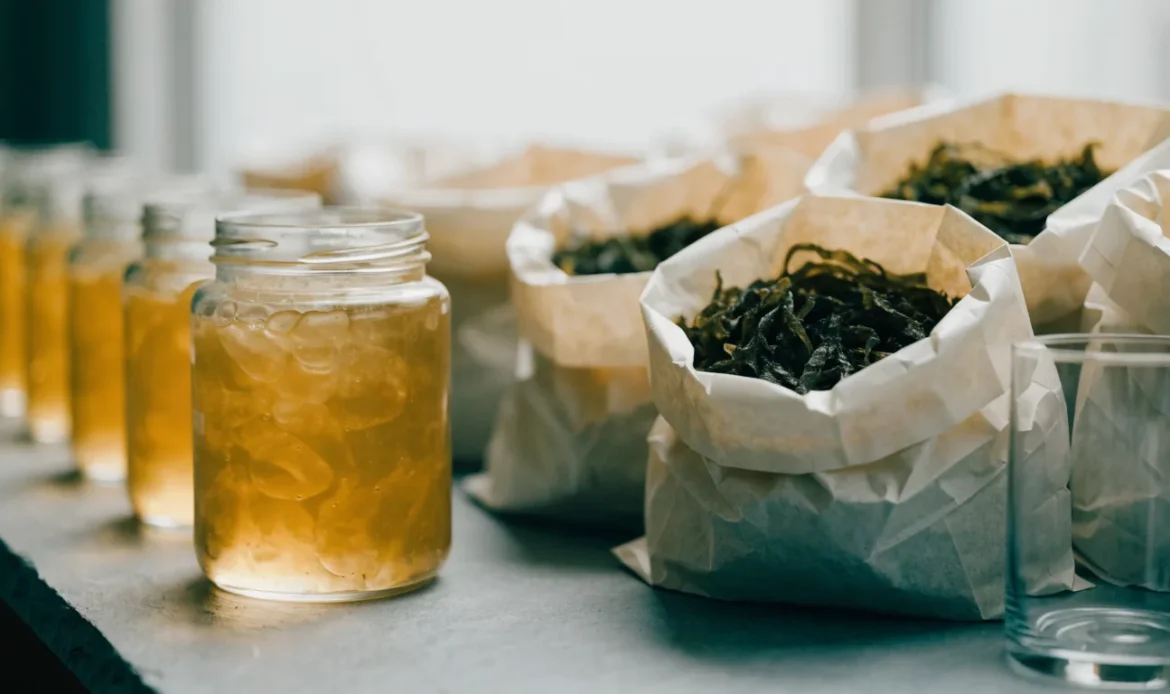
Short answer: “Seamoss for sale” usually means seaweed sold for food, cooking, or resale. Sellers offer many formats: dried, wet (raw), gel, powder, and capsules. Quality and testing vary. Ask clear questions before you buy. Read the checklist below to pick the right product for your needs.
What “seamoss for sale” means right now
People type “seamoss for sale” when they want to buy sea moss. That search can mean:
- A single jar of gel for home use.
- Dried sea moss by the pound.
- Bulk sea moss for stores or food makers.
- Powdered sea moss or capsules sold as supplements.
Different sellers use different names. You may also see:
- “sea moss for sale near me”
- “chondrus crispus sea moss for sale”
- “organic sea moss for sale”
- “real sea moss for sale”
Each name points to different buyer needs. The core step is to match the format and information you want to the seller’s answers and documents.
Common sea moss species and labels to know
Sellers may list species or common names. These help you decide what you want:
- Chondrus crispus (often called Irish moss). It is a well-known species. If a seller lists “chondrus crispus sea moss for sale,” it means that species is being offered.
- Gracilaria and Eucheuma. These are other common groups sold as sea moss in some markets.
Note: Species names help buyers know texture and uses. They do not prove safety or testing. Always ask for lab results or test reports if safety is important to you.
Formats and how they differ
Here are the main formats you will see when searching for seamoss for sale.
- Dried sea moss
- What it is: Sea moss that has been washed and dried.
- How buyers use it: Rehydrate for recipes or make gel.
- Pros: Easier to ship and store. Good for bulk buyers.
- Cons: Needs cleaning and soaking before use.
- Raw (wet) sea moss
- What it is: Fresh or recently harvested sea moss kept moist.
- How buyers use it: Make gel or cook fresh.
- Pros: Fresh texture and color.
- Cons: Shorter shelf life. Harder to ship long distances.
- Sea moss gel
- What it is: Rehydrated and blended sea moss kept as a gel.
- How buyers use it: Add to drinks, smoothies, recipes.
- Pros: Ready to use.
- Cons: Perishable. Check storage and handling.
- Powdered sea moss
- What it is: Dried sea moss ground to a powder.
- How buyers use it: Add powder to shakes or recipes.
- Pros: Easy dosing.
- Cons: Processing can hide low-quality inputs.
- Capsules and supplements
- What it is: Powdered sea moss in capsule form or as part of a supplement mix.
- How buyers use it: For convenience.
- Pros: Easy to consume and transport.
- Cons: Treat like supplements. Verify source and testing.
How to compare “real sea moss for sale” vs lower-quality products
“Real sea moss for sale” is a claim some sellers use. It can mean different things. Use this quick guide to judge claims.
- Photos: Ask for current photos of the actual batch, not stock images.
- Smell: Fresh sea moss usually smells of the sea, not strong rot or chemicals.
- Texture: Dried sea moss should be leathery and not crumble to powder.
- Labeling: Look for species names and processing steps.
- Testing: Ask for test reports for heavy metals, microbial contamination, and iodine. A seller who can’t or won’t provide any lab data may be risky for bulk or repeated purchase.
No single sign proves a product is “real” or “safe.” Testing is the most reliable proof a buyer can get.
Safety notes: what the science says and what we don’t know
Seaweeds, including sea moss, can contain minerals and elements the body uses. They can also contain higher levels of iodine or contaminants in some cases. Key points from reliable sources:
- Seaweeds commonly contain iodine, and levels can vary widely by species, location, and processing. That means a product labeled “sea moss” may have very different iodine content than another product. [1][2]
- Some reports and reviews show that acute or long-term excessive iodine intake can cause thyroid issues. Because iodine in seaweed varies, testing matters. [2][5]
- National food safety agencies have surveyed iodine in seaweed products and recommend monitoring and testing because of this variability. [3]
- Dietary supplements and sea moss products are sold in many forms. Product testing and clear labeling are not the same across all sellers. It is reasonable to ask a seller for test results and product details. [4]
What we do not know from a label alone:
- Exact iodine content.
- Whether the product was tested for heavy metals or microbes.
- How the sea moss was harvested and handled before processing.
Ask the seller for test results. If a seller provides third-party lab reports, those reports are more useful than simple label claims.
How to buy: practical decision checklist
Use this checklist when you look for seamoss for sale. Ask for these items before you buy, especially for larger orders.
Checklist to request or verify:
- Species name (for example, Chondrus crispus) and photo of the batch.
- Format (dried, raw, gel, powder, capsules).
- Harvest or processing dates, and basic handling steps (how it was washed and dried).
- Storage and shipping method (refrigerated, frozen, ambient).
- Any testing done: heavy metals, microbial limits, and iodine. Ask if tests are third-party.
- Certificate or claim details (for example, “organic sea moss for sale” — ask to see the organic certificate and what it covers).
- Minimum order quantity and sample options.
- Return and refund policy.
- For wholesale orders: lead times, packing, and logistics.
If you get only partial answers, take a sample order first. For bulk buying, insist on lab documents before placing large orders.
Quick format decision guide
If you want a short rule of thumb, use this guide.
- You want ready-to-use product for smoothies or home use: choose gel.
- You want longer shelf life and bulk: choose dried sea moss.
- You want a travel-friendly option: choose powder or capsules.
- You plan to make your own products: choose dried sea moss or raw sea moss.
- You want certified processing or “organic sea moss for sale”: ask for the certificate and read what it actually covers.
Price and value: what to watch for
Price varies by format, species, quantity, and seller. Low price can be a red flag if the seller cannot show basic testing or batch photos. Higher price may reflect better handling, testing, or certified processing. But price alone does not guarantee safety or quality.
When you compare offers:
- Compare the items you will actually receive: format, net weight after drying, and processing.
- Ask if sample orders are available.
- For commercial use, ask about consistent supply and batch testing.
How sellers label “organic sea moss for sale”
“Organic” is a regulated claim in many countries. But the ocean is not the same as agricultural land. Some suppliers will offer “organic” labeling for processed products or for farmed seaweed that was grown under specific standards. If a seller claims “organic sea moss for sale”:
- Ask to see the organic certificate and read which steps are certified (farming, processing, packing).
- Check the certifier’s name and whether that certifier is recognized in your market.
If a seller cannot show a certificate, treat the “organic” claim as unverified.
Buying locally vs online
- Local (“sea moss for sale near me”)
- Pros: You can inspect the product. You can ask to see it up close. Local sellers may help with use and storage tips.
- Cons: Local stores may have limited selection and may not have lab tests on hand.
- Online
- Pros: Wider choice of species and formats. Easier to find wholesale lots.
- Cons: Photos may be stock images. Shipping can affect product condition. Ask for batch photos and test reports.
Both routes can work. For bulk or repeat buying, insist on batch testing and clear contract terms.
Red flags and things to avoid
- No photos of the actual batch you will receive.
- Seller refuses to discuss testing or cannot produce test reports for heavy metals, microbes, or iodine.
- Vague origin claims like “wild harvested” without details.
- No clear return or refund policy for large orders.
How to store different formats (basic guidance)
- Dried: Store in a cool, dry place. Keep sealed from moisture.
- Gel: Keep refrigerated. Ask seller about expected shelf life and when to use after opening.
- Powder: Keep sealed and dry.
- Raw (wet): Use quickly or freeze if the seller provides freezing guidance.
Ask the seller for more specific storage guidance for the batch you buy.
Sample questions to ask any seller
- What species is this product? Can you provide batch photos?
- What format is it sold in and how was it processed?
- Do you have third-party lab reports for heavy metals, microbes, and iodine?
- Do you have an organic certificate if you claim “organic sea moss for sale”?
- What are your sample and return policies?
- For wholesale: what are lead times and minimum order quantities?
Get answers in writing before you place large orders.
Decision table: which format suits which buyer
| Buyer type | Recommended format | Why |
|---|---|---|
| Home user who wants convenience | Gel | Ready to use in recipes and drinks |
| Home user who wants long shelf life | Dried | Stores easily and makes gel when needed |
| Small food manufacturer | Powder or dried | Easy to dose or rehydrate in recipes |
| Retailer or supplement maker | Powder or bulk dried | Easier to package and test in bulk |
| Reseller looking for supply | Bulk dried with lab reports | Easier shipping and consistent batches |
(Use this table with seller answers and lab reports to compare offers side-by-side.)
Where to go next on our site
- Learn more about sea moss formats and uses on our learning pages: Learn sea moss basics.
- If you want to compare formats before buying, start here: Learn about formats.
- Ready to buy single jars or small packs? Visit our store: Shop sea moss.
- Interested in bulk orders or business pricing? See information for buyers: Wholesale seamoss.
- Have questions or need a product sheet? Contact us: Contact Zen Wholesalers.
- Or return to the home page for more options: Home.
Conclusion
Searching for “seamoss for sale” brings many choices. Your best path starts with deciding the format you need. Then ask clear, written questions about species, batch, processing, and testing. If you plan to use sea moss regularly or sell it to others, ask for third-party lab reports. Use the checklist in this guide to compare offers. If you want step-by-step help choosing a format, start with our learning pages or contact us for product details.
Frequently asked questions
What does “seamoss for sale” mean?
It means seaweed products are being sold. It can be dried, wet, gel, powder, or capsules. The term does not guarantee species, testing, or safety. Ask the seller for details.
How do I know if sea moss is real?
Ask the seller for photos of the actual batch, the species name, and any lab tests. Look for reasonable handling steps on the label. Testing is the best proof.
Is “organic sea moss for sale” the same everywhere?
No. “Organic” can cover different parts of the process. Ask to see the organic certificate and read what it covers: farming, processing, or packaging.
Why are lab reports important?
Lab reports show measured levels of heavy metals, microbes, or iodine for a batch. Seaweed can vary by location and processing. Reports give you data to compare.
Can I buy seamoss for sale near me?
Yes, local shops may carry sea moss. Buying local lets you inspect the product. For bulk or certified products, you may need to ask for test reports or buy online from sellers who provide them.
What should I ask for when buying wholesale?
Ask about minimum order, lead times, batch photos, and third-party lab results. Request a sample and get the seller’s return policy in writing.
References
- [1] Harvard T.H. Chan School of Public Health, “Seaweed.” https://nutritionsource.hsph.harvard.edu/seaweed/
- [2] Smyth PPA. “Iodine, Seaweed, and the Thyroid.” European Thyroid Journal, 2021. https://pmc.ncbi.nlm.nih.gov/articles/PMC8077470/
- [3] Food Standards Australia New Zealand, “Survey of iodine levels in seaweed and seaweed containing products,” updated 2025. https://www.foodstandards.gov.au/science-data/monitoring-safety/surveyofiodinelevels
- [4] Operation Supplement Safety, “Sea Moss in Dietary Supplements.” https://www.opss.org/article/sea-moss-dietary-supplements
- [5] Blikra MJ et al. “Consequences of acute and long-term excessive iodine intake: A literature review focusing on seaweed as a potential dietary iodine source.” 2024. https://doi.org/10.1111/1541-4337.70037