
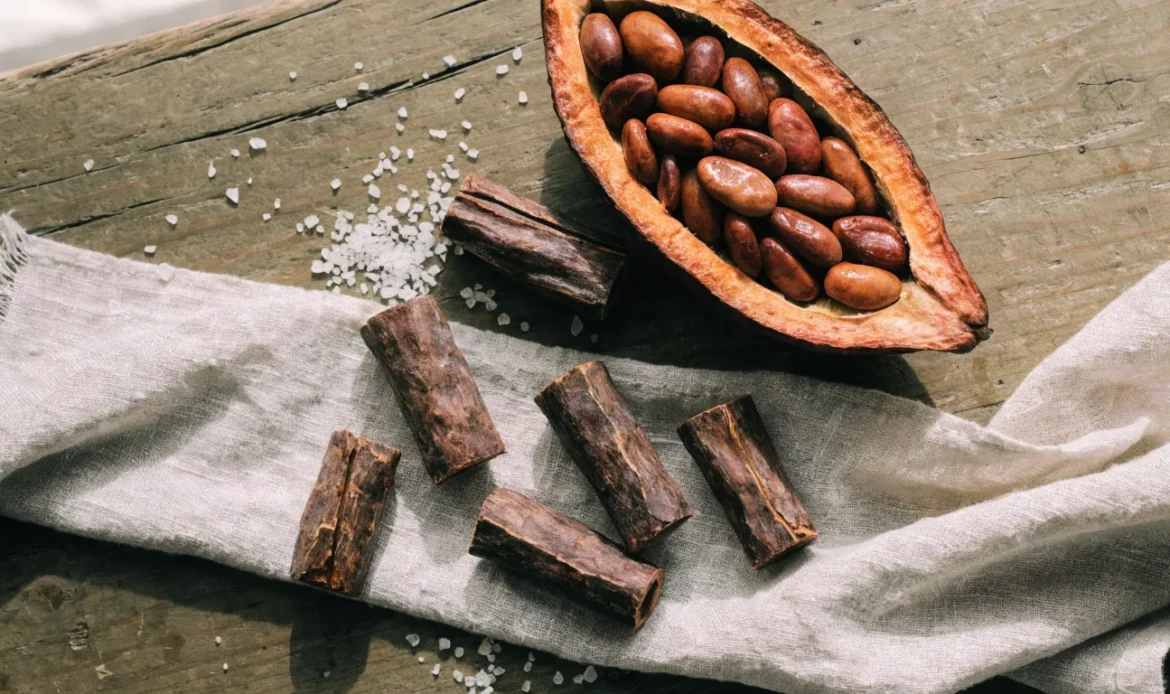
Short answer: Cocoa de is a Caribbean-style cocoa product you can use for hot chocolate, baking, or sweets. It usually comes as a paste, block, or round cake made from ground cacao plus sugar and spices. Labels and form vary by maker, so check ingredients and handling tips before you buy.
Why this matters: The name “cocoa de” appears on many Caribbean products and can mean different things in different shops. This guide explains common forms, how to prepare them, how to read labels, and what to check for safety. It also explains how cocoa products differ from sea moss and other botanical ingredients.
What is cocoa de?
Cocoa de refers to a family of cocoa preparations found in Caribbean and Latin markets. The phrase is not a single, regulated product name. Sellers may use it to describe:
- A molded block or ball of sweetened cocoa paste.
- A firm cake made from ground cacao nibs mixed with sugar and spices.
- A dense, flavored cocoa bar used to make hot chocolate or to bake with.
Cocoa comes from the cacao tree (Theobroma cacao). The basic raw step is simple: cacao beans are fermented, dried, and roasted. Then they are cracked and ground to make nibs. The nibs melt into a thick paste. Makers add sugar, spices (like cinnamon or nutmeg), and sometimes milk powder or other ingredients. The paste is then shaped or pressed.
Common synonyms you will see in shops include cocoa cake, cocoa ball, cocoa block, or cacao paste. The product can be darker and rich, or lighter and very sweet. The texture and strength depend on how much sugar, cocoa butter, or other ingredients were added.
How cocoa de is made — a simple overview
Below is a basic flow that producers typically use. Specific steps and ingredients vary by region and brand.
- Harvest and ferment cacao beans. Fermentation starts flavor development.
- Dry and roast the beans. Roasting changes aroma and makes shells easier to remove.
- Crack shells to get cacao nibs.
- Grind nibs into a paste. This paste contains cocoa solids and cocoa butter.
- Add sugar, spices, and any other flavorings. Some makers add milk powder or vegetable fats.
- Press or shape the paste into blocks, balls, or cakes.
- Cool and package.
This outline is generic. Your brand may use extra steps like tempering, conching (further grinding for smoothness), or additional flavoring.
Common forms of cocoa de and how to use each
H3 Powder (cocoa powder)
- What it is: The fat (cocoa butter) is mostly removed. Powder is dry and easy to mix.
- How to use: Good for baking and making quick hot chocolate mixes. Use warm liquid to dissolve.
H3 Paste, block, or cake
- What it is: The whole paste, with cocoa butter, sugars, and spices. It’s often molded into a round or disk.
- How to use: Grate, chop, or melt into milk or water for rich hot chocolate. Use in recipes where you want the cocoa butter too—chocolates and fudge.
H3 Balls or loaves
- What it is: Portioned rounds or loaves of firm sweetened cocoa. Often used to make beverages; one piece dissolves into a pot.
- How to use: Drop into hot milk or water and stir until dissolved. Some people simmer it to extract flavor.
H3 Chips or small pieces
- What it is: Small, ready-to-use pieces. They might be dry or slightly soft.
- How to use: Melt for dipping, baking, or making ganache.
General prep tips:
- Use low, steady heat to melt block or paste. Stir to prevent sticking.
- If using milk, warm the milk first. Then whisk in grated cocoa de for smoothness.
- For baking, grate or chop solid forms so they melt quickly.
- If the product contains sugar and spices, reduce any extra sugar in your recipe.
How to read the label: what to check before buying
Look closely at labels. Cocoa de products vary. Below is a practical checklist you can use in store or online.
Checklist — What to check and why it matters
- Ingredients list: Shows what is actually in the product.
- Why: Some versions contain milk powder, palm oil, or added flavors. Others are just cocoa and sugar.
- Order of ingredients: Ingredients are listed by weight.
- Why: The first few items tell you what dominates the product (more sugar or more cocoa).
- Allergen warnings: Milk, soy, tree nuts, etc.
- Why: Chocolate products often share equipment with allergens.
- Additives and emulsifiers: Look for lecithin, stabilizers, or salts.
- Why: These affect texture and melting behavior.
- Presence of seaweed or “sea” ingredients: carrageenan, sea moss, agar, or red algae.
- Why: Some botanical blends include seaweed. Seaweed can add iodine. If a product lists these, check the amount and consult label advice. See References for information about iodine and seaweed sources.
- Percentage or statement of cacao/cocoa: Some labels give percent cacao or cocoa solids.
- Why: This helps you judge intensity; not all labels show this.
- Packaging date, batch code, or “best by” statement.
- Why: These are helpful for freshness questions and for tracing a product if you have a problem.
- Manufacturer contact info.
- Why: Good brands give a phone, email, or website for questions.
- Storage instructions.
- Why: Some forms store better at room temp; others prefer refrigeration once opened.
If the label is missing or vague, ask the seller for details before buying.
Safety, allergens, and sea moss — what to watch for
Allergen basics:
- Cocoa products often come in facilities that also process milk, nuts, or soy. Look for cross-contact warnings.
- If you have allergies, choose a product with clear allergen labeling.
Sea moss and seaweed in cocoa products:
- Some botanical blends and specialty sweets may include seaweed or sea moss as an ingredient.
- Seaweed can contain iodine. High iodine intake can affect the thyroid in some people. Sources on seaweed and iodine explain where caution is needed (see References).
- If your cocoa de product lists carrageenan, seaweed, or related algae ingredients, read that label carefully. If you are concerned, contact the maker for details or choose a product without those ingredients.
Regulatory and supplement notes:
- Sea moss sold as a dietary supplement has raised safety and labeling concerns in some markets. A resource for product safety in supplements can help you decide how much information to expect from a seller (see References).
What the label cannot prove
- A label cannot prove the exact level of any mineral (like iodine) unless a tested value is provided. If a seller claims lab-tested values, ask to see the report or certificate from an accredited lab.
- Labels may not show country of origin in detail. If origin matters to you, ask the vendor.
How to choose cocoa de for different uses — a decision guide
Table: Choosing cocoa de by use
| Use | Best form | What to check | Quick prep tip |
|---|---|---|---|
| Rich hot chocolate for 2–4 people | Block/paste or ball | Look for paste with cocoa butter; check sugar level | Grate or chop; melt into warm milk while whisking |
| Baking (cakes, brownies) | Powder or grated paste | Check cacao percentage or cocoa solids; watch added sugar | Use powder for ease; grate paste for deeper chocolate fat |
| Candy or truffles | Paste or chips | Look for pure paste with cocoa butter | Temper or melt slowly; add sugar as needed |
| Quick mixes for travel | Powder | Check for fillers or powdered milk | Mix with hot water first, then add milk if needed |
| Specialty flavored drinks | Balls with spices | Read spice and sugar list | Simmer gently to extract spices; strain if needed |
Use this guide to match the product form to your recipe. If you want less sugar, choose a product with fewer added sweeteners or lower placement of sugar on the ingredient list.
Storage and handling
General guidelines:
- Keep cocoa de in a cool, dry place away from direct sunlight.
- Powdered cocoa usually keeps well in an airtight container.
- Paste or blocks may soften in warm temperatures. Store in a cool cupboard. If room heat is high, refrigeration can help firm them, but watch for condensation when you open the container.
- After opening, reseal tightly or transfer to an airtight container.
- Avoid strong odors near your stored cocoa. Cocoa can absorb smells.
Labels sometimes give the best storage advice. If you buy from a vendor, ask about recommended storage for that product form.
Flavor and quality checks — what signals to look for
Before you buy, smell and inspect the product when possible.
What to look for:
- Aroma: Cocoa products should smell of warm chocolate and cocoa notes. Off or sour smells may show poor storage.
- Color and texture: Color varies with roast and sugar. Paste should be smooth, not crumbly or separated. Powder should be free-flowing.
- Taste (if sampling is allowed): Expect cocoa bitterness balanced by any added sugar or spices. An overly metallic or chemical taste may indicate a quality or storage problem.
- Clean packaging and intact seals: Broken or torn packaging may expose the product to moisture and contamination.
What you cannot tell by sight alone:
- Exact cocoa percentage or precise levels of trace minerals. For those details, rely on label claims or vendor testing.
Culinary tips and basic recipes
Simple hot chocolate (for one mug)
- Grate 1 tablespoon of cocoa paste or 2 teaspoons of a strong cocoa ball.
- Warm 8–10 oz of milk or a milk alternative.
- Whisk in cocoa until dissolved. Add sweetener to taste.
- Strain if spices or solids remain.
Baking with paste
- Replace part of the fat in a recipe with grated cocoa paste to add cocoa butter and flavor.
- Reduce added sugar if your paste is already sweetened.
Melt and mix technique
- Use a double boiler or a heatproof bowl over simmering water.
- Stir often for smooth melting.
- Avoid direct high heat.
These are starting points. Adjust amounts based on product intensity and personal taste.
When to ask the seller questions
Ask sellers:
- What is in this product? (Ask for a full ingredient list.)
- Is it pure cocoa paste or does it contain milk, oils, or other fillers?
- How should I store it at home?
- Do you have allergen handling information?
- Does this product include any seaweed or sea moss? If yes, how much and why?
- Can you provide batch or origin information?
Good sellers will give clear answers or point you to a product page with full details.
Next steps and buying pointers
- Read the ingredient list and allergen warnings carefully.
- Match the product form to your intended use (see decision guide).
- If you need origin, testing, or allergen-control details, ask the seller before you buy.
- If the label lists sea moss or seaweed, and you have health concerns about iodine or other minerals, ask for more information or choose a product without those ingredients.
- If you want to explore Caribbean botanical goods, see our curated selection on our product page.
Useful links:
- Browse Caribbean botanical products: /shop/caribbean-botanicals/
- Learn more about sea moss and safety: /learn/
- See our shop catalog: /shop/
- Interested in bulk buying? Visit /wholesale/
- Have questions? Reach out: /contact/
- Back to the home page: /
Conclusion
Cocoa de covers several types of cocoa products you will find in Caribbean markets. It usually means a paste, block, or molded cocoa used for drinks and sweets. Labels vary, so read ingredients and allergen statements. If an item lists seaweed, check that label carefully because seaweed can add iodine. Use the decision guide and checklist to pick the right form for your recipes. When in doubt, ask the seller for clear ingredient and storage information.
Continue reading
Frequently asked questions
Is cocoa de the same as cocoa powder?
Not usually. Cocoa powder has most fat removed. Cocoa de often means a paste or block that contains cocoa butter and added ingredients.
Is cocoa de the same as cacao?
They come from the same plant, Theobroma cacao. “Cacao” often refers to less-processed forms. “Cocoa” can refer to roasted or processed products. The terms are used in different ways by different sellers.
Can cocoa de contain sea moss or seaweed?
Some specialty blends or botanical mixes may include seaweed or sea moss. Always read the ingredient list. If seaweed is listed, that can affect iodine content. For information about iodine in seaweed, see the References.
How can I tell if a cocoa de product is high quality?
Look for clear labels, clean packaging, good aroma, and a short, recognizable ingredient list. If you value origin or processing methods, ask the seller for details.
Should people with thyroid issues avoid products with seaweed?
If a product contains seaweed or sea moss, check with your healthcare advisor. Seaweed can be a source of iodine and may matter for some people. See the References for sources on iodine and seaweed.
How long does cocoa de last?
Shelf life varies by form and ingredients. Powder lasts longer than paste. Follow the product label and keep it sealed and dry. If in doubt, contact the seller.
References
- Harvard T.H. Chan School of Public Health, “Seaweed.” https://nutritionsource.hsph.harvard.edu/seaweed/
- Smyth PPA. “Iodine, Seaweed, and the Thyroid.” European Thyroid Journal, 2021. https://pmc.ncbi.nlm.nih.gov/articles/PMC8077470/
- Food Standards Australia New Zealand, “Survey of iodine levels in seaweed and seaweed containing products,” updated 2025. https://www.foodstandards.gov.au/science-data/monitoring-safety/surveyofiodinelevels
- Operation Supplement Safety, “Sea Moss in Dietary Supplements.” https://www.opss.org/article/sea-moss-dietary-supplements
- Blikra MJ et al. “Consequences of acute and long-term excessive iodine intake: A literature review focusing on seaweed as a potential dietary iodine source.” 2024. https://doi.org/10.1111/1541-4337.70037