
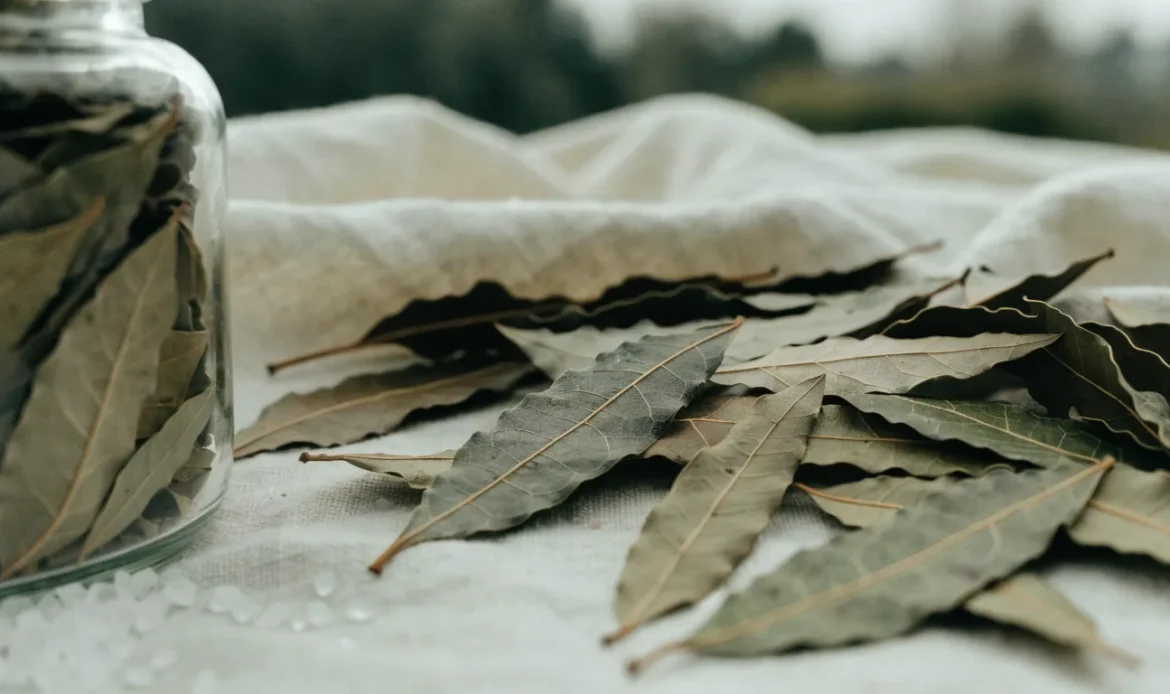
Short answer first: West Indian bay leaf is the aromatic leaf used in many Caribbean kitchens. It comes from a tree in the myrtle family. Its scent and flavor are not the same as Mediterranean bay (Laurus nobilis). Chefs use it whole in soups, stews, and marinades. Buyers should check leaf type, form (fresh or dried), appearance, and how it was packaged.
This guide explains what the leaf is. It shows how to tell types apart. It covers cooking uses, buying tips, storage, and cultural notes. It also points out what you cannot know from a label. Links to related pages are below so you can learn or shop next.
What is West Indian bay leaf?
West Indian bay leaf usually refers to the leaves of Pimenta racemosa or related species in the Caribbean myrtle family. The tree is often called the West Indian bay tree or bay rum tree. The leaves are aromatic. They have a warm, slightly spicy scent. People use them to flavor meat, fish, soups, and pickles.
Important: West Indian bay leaf is not the same plant as Mediterranean bay leaf (Laurus nobilis). They taste different. They come from different plant families. Recipes that call for “bay leaf” may mean either type depending on the region. When a recipe is Caribbean, it often means the West Indian type.
Note on sea moss: West Indian bay leaf is a land plant. It is not sea moss or any seaweed. If you are buying sea moss or other seaweeds, those are different products with different food-safety questions. For general information on seaweed and iodine, see reputable sources listed in References [1–5].
How to identify West Indian bay leaf
- Shape: Leaves tend to be oval to lance-shaped. They are usually thinner than Mediterranean bay leaves.
- Color: Fresh leaves are bright green. Dried leaves often go olive-brown.
- Size: Leaves can vary. Regional growing conditions change size.
- Aroma: Rub a leaf. You should smell warm, sweet, and slightly spicy notes. The scent is different from the camphor-like scent of Mediterranean bay.
- Stem and texture: Leaves often have a single main vein and a smooth edge.
How sure can you be from sight alone? Not 100%. Dried leaves can look similar across species. Smell and source information help. If a seller lists a botanical name, that gives more certainty.
Culinary uses and formats
Common formats:
- Fresh leaves: Used when available. They add a greener, fresher note.
- Dried whole leaves: Most common for shelf storage. They last longer and are easy to remove after cooking.
- Powdered: Ground leaves are used in rubs or mixes. Powder is more concentrated by volume.
- Crushed: Coarser than powder. Good for marinades or seasonings.
Typical uses:
- Stews and soups. Add early to simmered dishes.
- Meat and poultry marinades. Pair with allspice, thyme, and garlic.
- Pickling or brines. Leaves add aroma during long infusions.
- Rice and bean dishes. One or two leaves give background aroma.
Cooking tip: Use whole leaves for longer cooks. Remove them before serving. Crushed or powdered leaves release flavor faster. Use less by volume if substituting ground for whole.
How West Indian bay leaf differs from other “bay” leaves
Here is a simple comparison table to show how the main bay leaves commonly found in kitchens differ.
| Feature | West Indian Bay (Pimenta racemosa and similar) | Mediterranean Bay (Laurus nobilis) | California Bay (Umbellularia californica) |
|---|---|---|---|
| Family | Myrtle family (Myrtaceae) | Laurel family (Lauraceae) | Laurel family (Lauraceae) |
| Typical scent | Warm, spicy, slightly sweet | Herbal, piney, mild | Strong, sharp, camphor-like |
| Common use region | Caribbean | Europe, US, global | West coast North America |
| Typical form sold | Fresh or dried whole leaves | Dried whole leaves | Dried whole leaves |
| Substitution note | Often not 1:1 with Mediterranean bay | Often considered the “standard” bay | Much stronger — use very sparingly |
Note: Botanical names and local usage can vary by island and vendor. If a recipe depends on a precise flavor, check which bay leaf the recipe writer used.
Cultural context
West Indian bay leaf is part of many Caribbean food traditions. It appears in Creole, Jamaican, and other island recipes. People use it in home cooking and in special dishes for gatherings.
Beyond the kitchen, the tree has been used historically in local markets and crafts. In some places, leaves are used in scent mixes or traditional products. Cultural practices vary by island and community.
Buying guide: what to check and what you cannot assume
When you buy West Indian bay leaf, use this checklist. It will help you make a clear choice and reduce surprises.
Buying checklist
- Label: Does the product show a common or botanical name?
- Form: Is it fresh, dried whole, crushed, or powdered?
- Appearance: Do the leaves look intact and free of dust?
- Aroma: Can you smell the leaf if the packaging allows?
- Packaging: Is it in a sealed bag, jar, or bulk bin? Sealed packaging preserves aroma.
- Origin: Does the label list where the leaves were grown or packed?
- Use-by or packed date: Is there a date to indicate freshness?
- Supplier info: Is there a contact or company name you can reach?
- Price per weight: Compare price on an even weight basis.
- Returns or guarantee: Does the seller accept returns if the product is not as described?
What labels can’t prove
- Exact species: A label may say “bay leaf” without a botanical name. That does not prove the species.
- Farming method: “Natural” or “traditional” on a label does not equal certified organic.
- Purity: A label cannot prove absence of contaminants unless testing is provided.
- Flavor match: Similar names do not guarantee the same taste profile.
Next useful question to ask a seller: “Can you tell me the botanical name or island of origin?” That helps confirm the product.
Storage and shelf life
Short tips:
- Keep dried leaves in an airtight jar.
- Store in a cool, dark place away from heat and light.
- Avoid moisture. Moisture can lead to loss of aroma or mold.
- Whole dried leaves retain aroma longer than ground powder.
- Fresh leaves should be used quickly or refrigerated. They can also be frozen for later use.
How to test freshness:
- Tear a leaf or rub it. You should get a clear aroma.
- If the smell is faint, the leaf has lost much of its volatile oils.
- If you see mold or off odors, discard the leaves.
What labels cannot tell: Exact remaining shelf life. Manufacturing and storage before you bought the product affect freshness.
How to use West Indian bay leaf in recipes
Simple guidelines:
- Start small. Add one leaf to a pot for a family-size stew.
- Add early in long-simmering dishes so flavor infuses gradually.
- For quick-cooking foods, use crushed or ground leaf for faster flavor release.
- Remove whole leaves before serving. They are not pleasant to bite into.
- Pair with common Caribbean herbs: thyme, allspice (pimento), scallion, and hot pepper.
Example uses:
- Add a leaf to cooking liquid for rice and beans.
- Tuck a leaf in a meat marinade overnight.
- Use crushed leaf in a dry rub for grilling.
Note on substitution: If you only have Mediterranean bay (Laurus nobilis), start with a similar amount but taste and adjust. Flavors will differ.
Practical decision guide
Use this short decision guide to choose the right product for your needs.
- I want authentic Caribbean flavor, and I cook stews often:
- Choose dried whole West Indian bay leaves from a Caribbean supplier, or fresh leaves if you have access.
- I need a shelf-stable pantry item for general seasoning:
- Choose sealed dried whole leaves. Check aroma by opening a sample if possible.
- I want a spice for quick marinades or rubs:
- Choose crushed or powdered; start with small amounts.
- I want to stock a restaurant or large kitchen:
- Buy in sealed bulk from a supplier with clear labeling and contact info. Consider asking for a sample first.
- I’m unsure of the leaf type in a product labeled only “bay leaf”:
- Ask the seller for the botanical name. If they cannot provide it, assume the species is uncertain and order a verified product if the exact flavor matters.
Safety and food facts to consider
West Indian bay leaf is a culinary herb. It is commonly used in small amounts. As with any dried herb, keep these points in mind:
- Allergies: People with plant allergies may react to bay leaves.
- Choking: Whole leaves can be sharp when chewed. Remove them before serving.
- Quality controls: Unlike packaged processed foods, dried herbs may vary in quality. Look for sealed packaging and supplier transparency.
Seaweed and sea moss are different products from bay leaf. Seaweed products can contain high levels of iodine in some species. If you buy sea moss or other seaweed, consult trusted food-safety sources for guidance on iodine and labeling [1–3,5]. For notes on sea moss in supplements, see [4].
Where to learn more or buy
If you want more background on Caribbean herbs, check our learning hub: Learn more about Caribbean botanicals (/learn/). If you are ready to shop, visit our shop pages: Shop Caribbean Botanicals (/shop/caribbean-botanicals/) or Shop all products (/shop/). For questions about orders or products, you can reach our team through Contact (/contact/). For bulk or wholesale supply, see our wholesale page or contact our sales team for guidance.
Conclusion
West Indian bay leaf is a distinct culinary leaf with a warm, spicy aroma. It is commonly used across Caribbean cooking. It differs from Mediterranean bay both in scent and botanical family. When you buy, look for clear labeling, the botanical name if possible, sealed packaging, and a fresh aroma. If you need precise flavor, ask the seller where the leaves come from. These checks will give you more confidence than relying on a generic “bay leaf” label.
Whether you use fresh leaves or dried, start small, taste as you go, and remove whole leaves before serving. If you are exploring Caribbean or island recipes, West Indian bay leaf is a traditional and useful tool in the spice cabinet.
Internal links
- Home: [/]
- Browse Caribbean botanicals: Shop Caribbean Botanicals
- Learn hub: Learn more
- Shop all products: Shop
- Contact us: Contact
Frequently asked questions
Is West Indian bay leaf the same as the bay leaf in most U.S. grocery stores?
Not always. Many U.S. stores sell Mediterranean bay leaf (Laurus nobilis). West Indian bay leaf has a different aroma and may be sold separately or labeled differently. Ask the seller or check the botanical name.
Can I use West Indian bay leaf and Mediterranean bay leaf interchangeably?
You can substitute one for the other for a similar role in a recipe. But the flavor will change. Start with small amounts and taste as you go.
Should I eat West Indian bay leaves?
Whole dried bay leaves are usually removed before serving. They are used to flavor food during cooking, not to be eaten directly.
How can I tell if dried bay leaves are still good?
Rub or crush a leaf. It should release a clear aroma. If the smell is weak or the leaves show mold or odd discoloration, discard them.
Where can I buy authentic West Indian bay leaves?
Look for specialty Caribbean food shops, trusted online Caribbean botanical sellers, or markets on islands where the leaf is grown. Check labels for botanical names and packaging information. (See our Caribbean botanicals collection: Shop Caribbean Botanicals (/shop/caribbean-botanicals/).)
Do bay leaves have safety concerns like seaweed products?
Bay leaves have different food-safety considerations than seaweeds. Seaweed and sea moss can have high iodine levels in some species. For information about iodine in seaweed and sea moss supplements, see the research and food-safety references in our References section [1–5].
References
- Harvard T.H. Chan School of Public Health, “Seaweed.” https://nutritionsource.hsph.harvard.edu/seaweed/
- Smyth PPA. “Iodine, Seaweed, and the Thyroid.” European Thyroid Journal, 2021. https://pmc.ncbi.nlm.nih.gov/articles/PMC8077470/
- Food Standards Australia New Zealand, “Survey of iodine levels in seaweed and seaweed containing products,” updated 2025. https://www.foodstandards.gov.au/science-data/monitoring-safety/surveyofiodinelevels
- Operation Supplement Safety, “Sea Moss in Dietary Supplements.” https://www.opss.org/article/sea-moss-dietary-supplements
- Blikra MJ et al. “Consequences of acute and long-term excessive iodine intake: A literature review focusing on seaweed as a potential dietary iodine source.” 2024. https://doi.org/10.1111/1541-4337.70037