
Short answer: Salon cinnamon is a marketing or trade name often used to mean Ceylon (true) cinnamon — the inner bark of Cinnamomum verum — rather than a separate botanical species. The term is not a formal scientific name. Read on for how the label is used, how salon/Ceylon cinnamon differs from cassia cinnamon, what you can check on a package, and what choices make sense for cooking and sourcing.
1. Quick definition and the label problem
- “Salon cinnamon” is commonly used on product pages and in trade writing as a synonym or grade name for Ceylon cinnamon (true cinnamon). Many sellers and articles use the word to indicate a sweeter, milder cinnamon linked to Sri Lanka. (aemagazine.pk)
- It is not a botanical species name. The scientific name for true or Ceylon cinnamon is Cinnamomum verum (sometimes listed as C. zeylanicum). Authoritative plant references treat Cinnamomum verum as the source of Ceylon or “true” cinnamon. (kew.org)
- Because “salon” is a market or trade label, its meaning can vary by seller. The term may imply origin, grade, or processing style, but it is not standardized in law or botany. That makes it useful to read packaging details rather than rely on the single word alone. (spicelibrary.org)
2. Botanical identity: what grows where
- True (Ceylon) cinnamon comes from the inner bark of small evergreen trees in the Lauraceae family, primarily Cinnamomum verum. These trees are native to Sri Lanka and are also cultivated in parts of southern India and nearby regions. (kew.org)
- Other common “cinnamons” in commerce come from different Cinnamomum species (often called cassia), such as Cinnamomum cassia, C. loureiroi (Saigon/Vietnamese cassia), and C. burmanni (Indonesian cassia). These are different species, with different bark structure and flavor. (en.wikipedia.org)
- Point to remember: “Salon cinnamon” used on a label most often points to Cinnamomum verum by implication, but you should check the binomial (Cinnamomum verum / Cinnamomum zeylanicum) or an origin (Sri Lanka / Ceylon) on the pack to be sure. (kew.org)
3. How salon/Ceylon cinnamon is different from cassia — plain language
Here are the practical, non-technical differences you will notice in the kitchen:
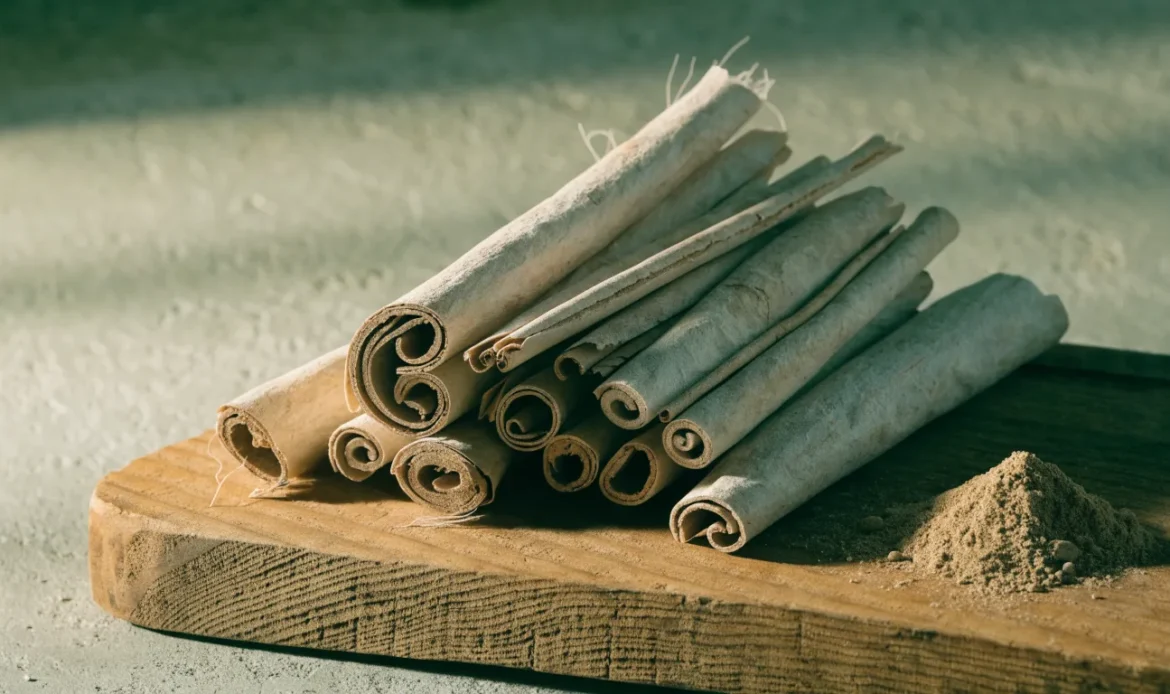
- Look and texture: Ceylon (salon) quills are thin, soft, and layered. Cassia quills are thicker and harder, often as a single curl. (spicelibrary.org)
- Color and aroma: Ceylon tends to be lighter in color and has a delicate, sweet aroma. Cassia is darker and stronger, with a sharper, more pungent scent. (spicelibrary.org)
- Flavor use: Many cooks prefer Ceylon for desserts, custards, and delicate teas because it reads as milder. Cassia is often used where a bold cinnamon flavor is desired. These are culinary preferences, not medical claims. (webmd.com)
- Chemistry note (what labels don’t always say): Cassia varieties can contain higher amounts of a compound called coumarin. Because of that difference some regulatory agencies discuss limits on long-term intake of high-coumarin cinnamon. This is why people sometimes choose Ceylon for regular, daily use — but always follow label instructions and professional advice for any health-related choices. (en.wikipedia.org)
4. Why the name “salon” appears (marketing and origin)
- The word “salon” as used in spice marketing appears to be a trade or legacy label linked to the historic name Ceylon (former British name for Sri Lanka) or to quality-grade claims. Some trade writing and marketing pieces say “salon” points to Sri Lankan origin or a premium grade of Ceylon cinnamon; others use it as a brand-style term. The usage is inconsistent across markets. (linkedin.com)
- Practical takeaway: the label “salon” can be a helpful hint but not a guarantee of species or quality. Always look for botanical name, origin, and any certification or traceability info on the product label.
5. How to check a cinnamon product (shopping checklist)
Use this checklist when you buy cinnamon labeled “salon” or “Ceylon”:
- Label check: Is the botanical name printed? Look for “Cinnamomum verum” or “Cinnamomum zeylanicum.” If the label shows only “cinnamon” without a species or origin, assume it may be cassia. (kew.org)
- Origin: Does the package say “Sri Lanka” or “Ceylon”? That is consistent with Ceylon cinnamon sourcing. (kew.org)
- Form: Are the sticks thin and multiple-layered (Ceylon/salon) or thick and solid (cassia)? Photos or product descriptions often show this. (spicelibrary.org)
- Smell test (if you can sniff before buying): Mild, sweet — likely Ceylon; strong, sharp — likely cassia. Avoid judging solely by aroma online. (webmd.com)
- Certified claims: Look for organic, fair-trade, origin-verified, or third-party testing claims if that matters to you. These tell you about supply chain practices, not botanical purity by themselves.
- Seller transparency: Reputable sellers list botanical names, origin, and processing details. If a listing uses “salon cinnamon” but gives no further detail, contact the seller or look for another product. (gosupps.com)
Decision guide (short): If you want mild, multi-use cinnamon for baking and everyday use → pick products listing Cinnamomum verum or Sri Lanka origin. If you need a bolder, less expensive ground cinnamon for heavy spicing → cassia may be the common choice, but check labels.
6. Cooking and cultural context (how people use salon/Ceylon cinnamon)
- In Sri Lanka and many South Asian recipes, true cinnamon is prized not only for flavor but also as part of spice blends and fragrant dishes. It appears in sweets, teas, rice dishes, and festive cooking. (kew.org)
- In Caribbean kitchens, cinnamon (both Ceylon and cassia) is used in drinks, desserts, and savory stews. Trade and colonial histories mean that names and uses vary across islands. A product called “salon cinnamon” in Caribbean stores often signals the seller’s intention to offer Ceylon-style cinnamon, but you can confirm with the label. (See our Caribbean botanicals collection for related spices and sourcing notes.) /shop/caribbean-botanicals/
- Recipe note: For baked goods that rely on cinnamon as a subtle background flavor, many bakers prefer the lighter, more complex notes of Ceylon. For strong, spicy profiles (like some spice rubs), cassia’s robustness can be desirable. These choices are culinary, not health recommendations. (webmd.com)
7. Storage, shelf life, and practical prep
- Keep whole cinnamon sticks in an airtight container, away from light and heat. Ground cinnamon loses aroma faster than sticks. No single term like “salon” changes basic storage needs.
- To refresh ground cinnamon aroma, grind fresh from sticks with a spice grinder or microplane. The thin, multi-layered quills of Ceylon grind more easily than the dense cassia sticks.
- Label tip: Write the purchase date on the jar. If you can, buy small amounts of the cinnamon you use often to keep flavor fresh.
8. Safety notes — what labels and studies do (and do not) show
- Cinnamon is a food spice. Most culinary use is safe for ordinary food quantities.
- For supplement or high-dose uses, note that different cinnamon types have different chemical profiles (for example, cassia commonly contains more coumarin than Ceylon). Regulatory and safety discussions focus on coumarin because very high intake of coumarin can be a concern with long-term, large-dose exposure. If you plan to use cinnamon in concentrated forms or as supplements, consult label guidance and a qualified professional. (en.wikipedia.org)
- Salon/Ceylon is not a medicinal brand name. Do not assume that “salon” means a tested or certified health formulation. Ask sellers for lab reports if you need compositional data for health-related uses. (alibaba.com)
9. How this relates to sea moss (a clear distinction)
Zen Wholesalers sells Caribbean botanicals and sea moss products on separate product routes. It is important to keep these lines distinct:
- Cinnamon (salon/Ceylon or cassia) is a plant spice from tree bark. Sea moss (various species of seaweed) is a marine algae product. They are different commodities with different supply chains and safety questions.
- Seaweed and sea moss can be high in iodine and have supplement-specific safety considerations. If you are thinking about sea moss as a supplement, consult reputable guidance on iodine in seaweed products and safety in supplements. See public resources on seaweed, iodine, and sea moss supplements for more background. (ncbi.nlm.nih.gov) (See References [1], [2], [4], and [5] for seaweed and supplement safety discussions.)
- Practical note: Buying cinnamon labeled “salon” tells you nothing about sea moss. If you shop both categories, read each product label on its own terms. /shop/ and /shop/caribbean-botanicals/
10. A simple comparison table (useful quick guide)
| Feature | Salon / Ceylon cinnamon (C. verum) | Cassia cinnamon (common commercial types) |
|---|---|---|
| Typical label terms | “Cinnamomum verum”, “Ceylon”, sometimes “salon” | “Cinnamon” without species, or listed as cassia/Chinese/Indonesian/Vietnamese |
| Stick structure | Thin, soft, multi-layered quills | Thick, hard quills, often a single curl |
| Aroma & taste | Mild, sweet, delicate | Strong, sharp, pungent |
| Common origin | Sri Lanka, southern India | China, Indonesia, Vietnam |
| Culinary use | Delicate desserts, teas, everyday use | Bold spice blends, heavy baking, rubs |
| Chemistry note | Lower typical coumarin | Often higher coumarin levels |
(Use the table as a quick shopping tool. It summarizes typical differences; individual products can vary.)
11. Practical buying decision guide (short checklist)
- If you want milder, “true” cinnamon for daily use, look for:
- “Cinnamomum verum” or Sri Lanka/Ceylon on the label.
- Thin quills or product photos showing layered sticks.
- Transparent seller info about origin.
- If you want strong, economical cinnamon for bold spice use, check for:
- Clear indication of cassia or country of origin (China/Indonesia/Vietnam).
- Thicker, harder sticks.
- If label is vague:
- Contact the seller for botanical name and origin.
- Choose another product if you need Ceylon specifically.
12. FAQs
Q: Is salon cinnamon the same as Ceylon cinnamon?
A: In most marketplace uses, yes — “salon cinnamon” is commonly used to mean Ceylon (true) cinnamon. But because the term is not a regulated botanical name, check the package for “Cinnamomum verum” or “Sri Lanka/Ceylon” to be sure.
Q: Does salon cinnamon have different cooking uses than regular cinnamon?
A: Salon/Ceylon is milder and sweeter, so many cooks prefer it for desserts and teas. Cassia (often sold simply as “cinnamon”) is stronger and suits bold dishes. These are culinary choices, not health claims.
Q: Can I use salon cinnamon every day?
A: For normal culinary amounts (spices in food and drinks), Ceylon or cassia are commonly used. If you plan very large or concentrated doses (supplements or extracts), check product details and follow guidance from qualified professionals due to chemical differences between cinnamon types.
Q: How can I be sure a seller’s “salon cinnamon” is genuine?
A: Look for botanical name (Cinnamomum verum), stated origin (Sri Lanka/Ceylon), clear photos showing quill structure, or third-party certifications. If that information is missing, ask the seller before buying.
Q: Is salon cinnamon related to sea moss or seaweed?
A: No. Cinnamon is a tree bark spice. Sea moss is a marine algae product. They are distinct products with different sourcing and safety considerations. For seaweed and sea moss safety information, consult public guidance on iodine and supplement labeling. (See References.)
Q: If a package says just “cinnamon,” what should I assume?
A: If a product only says “cinnamon,” it may be cassia or a blend. For specific culinary or safety concerns, choose products that explicitly list the species or origin.
13. What you can check next (next-question guide)
- On the product page or label, can you find the botanical name? If yes, you can be confident about species. If no, ask the seller.
- Do product photos show thin or thick quills? Thin layered quills point to Ceylon.
- Do you need a mild or a strong cinnamon for your recipes? That determines which species suits you.
- If you’re buying supplements containing sea moss or cinnamon, ask for lab certificates and ingredient breakdowns.
These are the next concrete steps a shopper can take to make a better decision.
Conclusion
“Salon cinnamon” usually refers to Ceylon, or “true,” cinnamon in marketing language. The term is not a formal botanical name, so the best way to be sure is to read the label for the botanical name (Cinnamomum verum), stated origin (Sri Lanka/Ceylon), or clear product photos. Choose Ceylon/salon for softer, sweeter notes and cassia for a stronger punch. If you have safety concerns about supplements or regular high-dose use, consult product lab reports and a qualified professional. For Caribbean botanical shopping, browse our collection and contact us with product questions. /shop/caribbean-botanicals/ /shop/ /learn/ /wholesale/ /contact/ /
Continue reading
Frequently asked questions
What should I check first?
Start with the product or ingredient label, the source information, and whether the seller can answer clear questions.
Is this a replacement for professional advice?
No. Use this article as general education. Ask a qualified professional for personal medical, legal, or food-safety guidance.
Where can I learn more?
Use the Zen Wholesalers Learning Library to compare related guides and choose a useful next question.
References
- [1] Harvard T.H. Chan School of Public Health, “Seaweed.” https://nutritionsource.hsph.harvard.edu/seaweed/
- [2] Smyth PPA. “Iodine, Seaweed, and the Thyroid.” European Thyroid Journal, 2021. https://pmc.ncbi.nlm.nih.gov/articles/PMC8077470/
- [3] Food Standards Australia New Zealand, “Survey of iodine levels in seaweed and seaweed containing products,” updated 2025. https://www.foodstandards.gov.au/science-data/monitoring-safety/surveyofiodinelevels
- [4] Operation Supplement Safety, “Sea Moss in Dietary Supplements.” https://www.opss.org/article/sea-moss-dietary-supplements
- [5] Blikra MJ et al. “Consequences of acute and long-term excessive iodine intake: A literature review focusing on seaweed as a potential dietary iodine source.” 2024. https://doi.org/10.1111/1541-4337.70037
- Kew (Royal Botanic Gardens), Cinnamon (Cinnamomum verum) profile.
- AEM article discussing salon vs cassia and market usage.
- Business Insider / trade commentary referencing “salon cinnamon” and origin.
- Spice and plant resources summarizing Ceylon vs cassia characteristics.
- Product listings and seller pages that use “salon cinnamon” in marketing.