
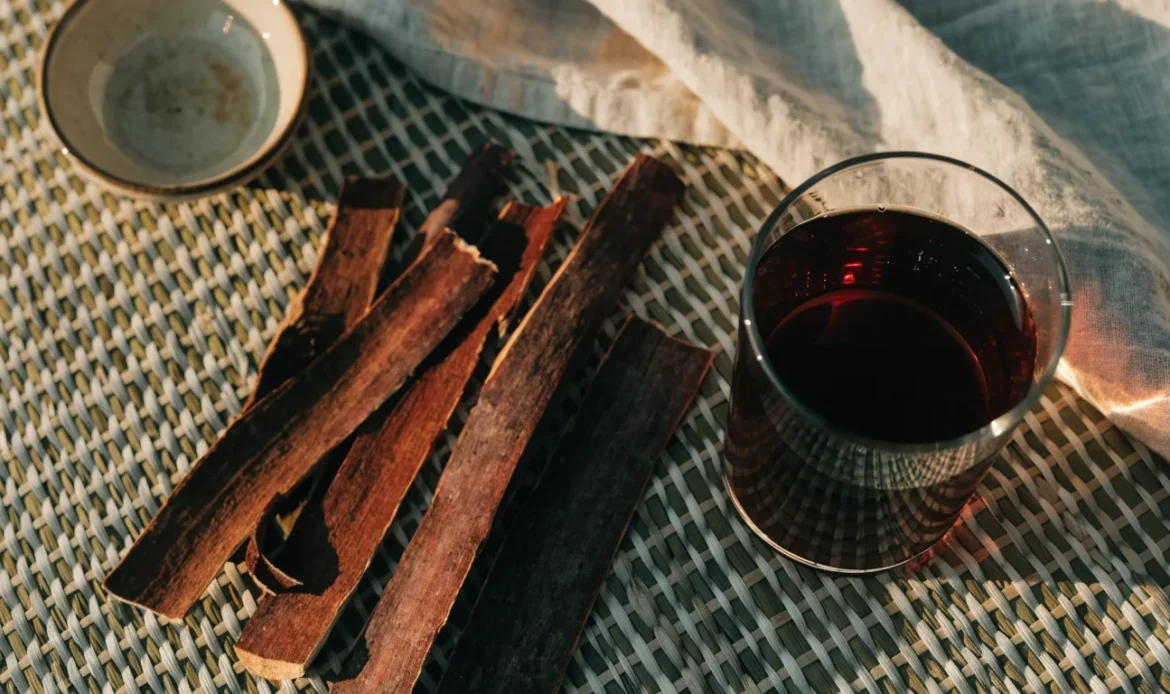
Short answer: Mauby (Trinidad) is a traditional Caribbean beverage made by boiling the bark of mauby trees with spices and sweetener. It has a bitter-sweet, aromatic taste. You can buy mauby as raw bark, as a syrup or concentrate, or as a ready-to-drink beverage. This guide explains what mauby is, how it’s prepared, what to look for when you buy it, and how to choose the right format for your needs.
What is mauby?
- Mauby is a Caribbean drink. It’s made from the bark (and sometimes roots or wood) of trees commonly called “mauby” in the region. Different islands may use slightly different local species. Local names and processing styles vary.
- The drink’s flavor is bitter at first and then sweet. People usually add sugar or other sweeteners and spices like cinnamon, aniseed or vanilla.
- Mauby has a long history in Caribbean kitchens. In Trinidad, it is a common street and home drink, sold chilled over ice or kept as a syrup concentrate for mixing.
- Important distinction: mauby is a bark-based botanical beverage. It is not seaweed or “sea moss.” Seaweed and sea moss are entirely different ingredients and carry different handling and safety notes. If you also use seaweed products, treat them separately and follow guidance for those products. References145
Botanical identification and names — what to expect
- The word “mauby” refers to the drink and to several trees that produce the bark used in the drink. Exact species vary by island.
- Labels and product descriptions often say simply “mauby bark,” “mauby concentrate,” or “Trinidad mauby.” A trustworthy seller will describe whether the product is whole bark, cut bark, or a syrup/concentrate.
- If botanical Latin names are listed, that can help you research the plant. But many small producers do not include Latin names. Clear, accurate product descriptions are more useful than fancy names.
How mauby is commonly prepared (overview)
Common steps used in Trinidad-style mauby:
- Rinse the bark to remove dust.
- Soak or boil the bark in water to extract flavor and color.
- Strain out solids.
- Re-boil the liquid with sugar and spices to taste.
- Cool, chill, and serve over ice.
Below you’ll find a practical home recipe and notes for making larger batches.
Practical home recipe (Trinidad-style mauby)
This recipe is a starting point. Adjust to taste.
Ingredients (makes about 1.5–2 quarts / 1.5–2 liters):
- 2–3 ounces (50–85 g) dried mauby bark (cut or shredded)
- 8 cups (2 liters) water
- 1–1 1/2 cups sugar (or to taste), or alternative sweetener
- 1–2 cinnamon sticks
- 3–4 whole star anise or 1 tsp anise extract (optional)
- 1 tsp vanilla extract (optional)
- Ice and lemon or lime slices for serving (optional)
Steps:
- Rinse the bark under cool water to remove surface dust.
- Place bark and water in a pot. Bring to a boil, then lower heat and simmer 30–60 minutes. The water will darken and smell aromatic.
- Turn off heat and let the mixture cool for 15–30 minutes for stronger flavor. Strain through a fine sieve or cheesecloth into a heatproof bowl.
- Return strained liquid to the pot. Add sugar and spices. Heat gently until sugar dissolves. Taste and adjust sweetness.
- Cool completely. Chill in the fridge. Serve over ice and add citrus if you like.
Notes:
- Some cooks soak the bark overnight and then simmer for a shorter time. Others simmer longer for a darker brew. Both approaches are common.
- Commercial concentrates use stronger ratios and may add preservatives or stabilizers. Read labels if you buy syrup or bottled mauby.
Forms of mauby you can buy
- Whole or cut dried bark — for home brewing. This gives you the most control over strength and spices.
- Syrup or concentrate — for quick drinks. You dilute with water or soda water.
- Ready-to-drink bottled mauby — grab-and-go; variety in sweetness and spice strength.
- Blended mixes — sometimes a powdered mix or tea blend appears; read ingredients carefully.
Each form has trade-offs. Bark is best if you want to brew from scratch. Concentrate is handy for consistent flavor. Bottled drinks are convenient but often sweeter.
Flavor profile and serving traditions
- Flavor: Bitter, woodsy, aromatic, then sweet. The bitter edge is a signature trait many fans expect.
- Spices: Cinnamon and anise or star anise are common. Vanilla and nutmeg appear in some recipes.
- Serving: In Trinidad, mauby is often served cold with ice. It can be sold by street vendors, made at home for family meals, or served at social events.
- Variations: Some versions use added citrus, ginger, or other spices. The balance of bitter and sweet differs across households and products.
Safety notes and what mauby is not
- Mauby is a botanical bark beverage, not a seaweed product.
- If you use seaweed or sea moss products separately, be aware that seaweed can contain variable amounts of iodine and minerals. That has different safety implications than bark beverages. Sources on seaweed and iodine explain that mineral content is variable and can affect intake if consumed in large amounts. References1235
- If you are pregnant, nursing, taking medication, or have a health condition, ask a healthcare provider before adding new, concentrated botanical drinks to your regular diet. This is general advice and not a claim about mauby itself.
How to choose mauby: what to check on the label or from a seller
When you shop for mauby (Trinidad) — whether bark, syrup, or bottled drink — check these items:
- Ingredient list: Is it mostly mauby bark and water? Are there added preservatives, artificial colors, or flavorings?
- Form: Whole bark (for brewing) vs. syrup vs. ready drink. Choose the form that fits how you plan to use it.
- Processing notes: Does the seller say “dried bark,” “cut bark,” or “concentrate”? That affects brewing time and strength.
- Country or island of origin: Many products list “Trinidad” or “Caribbean.” Origin notes are helpful but not proof of quality.
- Producer contact: A supplier who lists contact info is easier to ask about sourcing, processing, and recommended brewing ratios.
- Packaging: For dried bark, look for sealed, dry packaging. For syrups, check for secure caps and refrigeration recommendations.
- Allergen and additive labeling: If you have allergies or are avoiding certain additives, read labels closely.
If you buy from a small vendor or market, ask how they prepared the product. A vendor who brews or bottles mauby may be open about ingredients and sugar level.
Decision guide table — which mauby format fits you
| Use case | Best format | Pros | Cons |
|---|---|---|---|
| Home brewing and custom flavor | Dried/cut mauby bark | Full control of strength and spices; long shelf life if dry | Takes time to brew; requires storage |
| Quick mixing for parties | Syrup / concentrate | Fast, consistent flavor; easy to scale | Often sweet; check ingredients |
| On-the-go drinking | Bottled ready-to-drink | Convenient; no prep | Usually sweeter; fixed flavor |
| Wholesale / foodservice | Bulk dried bark or commercial concentrate | Efficient for large batches; cost per serving lower | Requires storage and brewing equipment |
| Taste testing / first try | Small bottled or small packet syrup | Low risk, immediate sample | May not reflect home-brew experience |
Use the table to match format to your needs. If you want to experiment with spices, start with dried bark. If you need speed, pick concentrate.
Practical checklist before buying mauby (quick)
- Is the product labeled “mauby bark,” “mauby syrup,” or “ready-to-drink”? (Circle the form you need.)
- Are all ingredients listed? (Yes / No)
- Is there contact info for the seller? (Yes / No)
- For dried bark: Is the package clean and dry? (Yes / No)
- For syrup: Are refrigeration or storage instructions provided? (Yes / No)
- Does the sugar level suit your taste? (Low / Medium / High)
- Are there any preservatives, colorings, or unexpected additives? (List)
- If buying in bulk: Ask about processing date and recommended shelf handling.
Keep this checklist on your phone or print it when shopping.
Storage and shelf life guidance (general, practical)
- Dried bark: Keep cool and dry in an airtight container. Use within a year if kept dry and pest-free.
- Concentrates and syrups: Follow producer storage instructions. Refrigerate after opening as directed.
- Bottled drinks: Check “best by” or bottling date. Store unopened bottles away from direct sun. Refrigerate after opening.
Do not rely on vague claims like “never expires.” If packaging lacks storage guidance, contact the seller to confirm.
Buying in bulk or wholesale
If you need larger quantities for events or resale, ask suppliers:
- Do they supply cut bark or concentrated syrup in large containers?
- What is their lead time and minimum order quantity?
- Do they provide documentation on ingredients and processing?
- Can they supply sample batches first?
For business buyers, it is reasonable to ask for clear written answers and to request sample testing of syrup strength or flavor before a big order. For wholesale inquiries, you can check our wholesale page or contact us directly. (/wholesale/ and /contact/)
Taste testing: how to evaluate a mauby sample
When you try a new mauby product, taste it cold and at room temperature. Look for:
- Aroma: woody, spicy notes.
- First sip: bitter edge is normal.
- Aftertaste: expect a sweet finish if sugar was added.
- Balance: Does the spice or sweetness overwhelm the bark flavor?
- Clarity: For brewed mauby, a clear, deep color is common; sludgy or muddy liquid can mean poor strain or sediment.
Write down your impressions so you pick consistently for future buys.
Where to buy Caribbean botanicals and related items
If you want other Caribbean ingredients or botanicals to make mauby or similar drinks, check specialty sections for Caribbean botanicals. We list options and related items in our store section. (/shop/caribbean-botanicals/, /shop/) For background reading about Caribbean beverages and botany, explore our learning hub. (/learn/)
What information you can check, and what it cannot prove
When a vendor tells you a product is “authentic” or “Trinidad mauby,” you can check:
- Ingredient list and product form (bark vs. syrup vs. bottled).
- Seller contact and openness about processing.
- Photos of the product and packaging.
What those checks cannot prove:
- They cannot prove exact botanical species unless the seller documents it.
- They cannot prove past handling or storage in a market setting unless the seller provides records.
- They cannot prove a product’s long-term safety for a specific medical condition.
If you need guaranteed traceability (for business or regulatory reasons), ask suppliers for documentation or certificates and for sample testing if required.
Next useful questions to ask a seller
- What exactly is in the product (full ingredient list)?
- Is the product pure bark, or are other botanicals included?
- How was the bark dried and stored?
- Do you recommend a brewing ratio for your bark or concentrate?
- Can you provide sample sizes before a large purchase?
Asking these will give you clearer, practical answers.
Conclusion
Mauby Trinidad is a classic Caribbean bark drink with a bitter-sweet, spiced character. You can make it from dried bark, buy syrup for ease, or pick bottled drinks for convenience. When choosing mauby, look for clear ingredient lists, packaging that keeps the product dry or refrigerated as needed, and sellers who answer questions about processing. Mauby is a culinary product with a strong cultural footprint. Learn what you want to control (sweetness, spice, strength) and pick the product format that matches your needs.
Helpful pages:
- Browse Caribbean botanicals: /shop/caribbean-botanicals/
- Explore related learning: /learn/
- See our general shop: /shop/
- Wholesale inquiries: /wholesale/
- Contact us with product questions: /contact/
Continue reading
Frequently asked questions
Is mauby the same as sea moss?
No. Mauby is made from tree bark. Sea moss is a seaweed. They are different ingredients with different tastes, uses, and safety notes. See seaweed safety references for guidance on seaweed products. References14
Can I make mauby without sugar?
Yes. You can reduce or omit sugar and sweeten with alternatives or fruit. The drink will be more bitter. Many home brewers adjust sweetness to personal taste.
How long does brewed mauby keep?
Home-brewed mauby kept in a sealed container in the fridge is usually best within several days to a week. Check smell and clarity. For commercial guidance, follow the producer’s storage instructions.
What spices are traditional in Trinidad mauby?
Cinnamon and anise (or star anise) are common. Vanilla and nutmeg also appear in some recipes. Spice choice varies widely by household.
Can I buy mauby bark wholesale?
Yes, many sellers supply bark in larger quantities. Ask about minimum orders, packing, and lead time. For wholesale options, see our wholesale page. (/wholesale/)
Does mauby have health benefits?
This article explains culinary and cultural uses. We do not make health claims. If you have health concerns, consult a qualified healthcare professional before adding concentrated botanical products to your diet.
References
- Harvard T.H. Chan School of Public Health, “Seaweed.” https://nutritionsource.hsph.harvard.edu/seaweed/
- Smyth PPA. “Iodine, Seaweed, and the Thyroid.” European Thyroid Journal, 2021. https://pmc.ncbi.nlm.nih.gov/articles/PMC8077470/
- Food Standards Australia New Zealand, “Survey of iodine levels in seaweed and seaweed containing products,” updated 2025. https://www.foodstandards.gov.au/science-data/monitoring-safety/surveyofiodinelevels
- Operation Supplement Safety, “Sea Moss in Dietary Supplements.” https://www.opss.org/article/sea-moss-dietary-supplements
- Blikra MJ et al. “Consequences of acute and long-term excessive iodine intake: A literature review focusing on seaweed as a potential dietary iodine source.” 2024. https://doi.org/10.1111/1541-4337.70037