
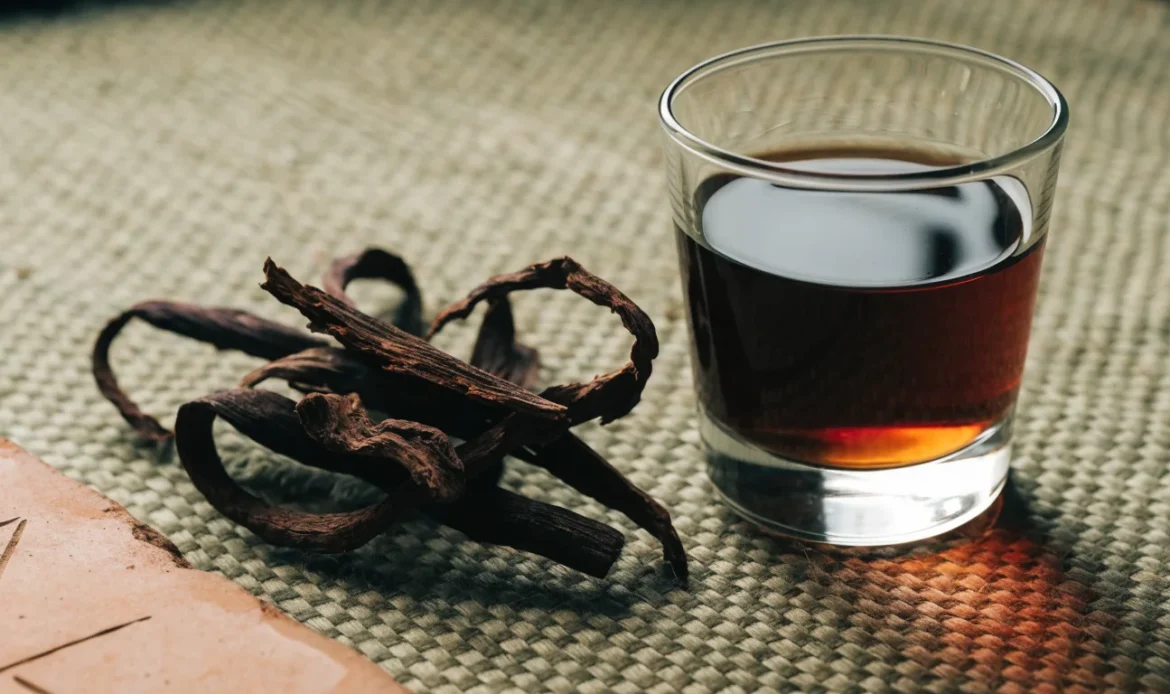
Short answer: Mauby syrup is a sweet, spiced syrup made from boiled bark and/or root pieces of trees commonly called mauby (sometimes mabi or mabo). It is a traditional Caribbean flavoring used to make a chilled drink, mixers, and culinary syrups. The syrup’s taste is bitter‑sweet and spiced. Read on to learn what mauby syrup is, how it’s made, how to use it, and how to choose a bottle.
What is mauby syrup?
Mauby syrup is a concentrated liquid made by boiling tree bark and other plant parts, then sweetening and spicing the strained liquid. People then dilute the syrup in water, milk, or club soda to make a refreshing drink. In the Caribbean, mauby is a common homemade beverage and a sold product in shops and markets.
- Name notes: You will see mauby spelled many ways — maubi, mabi, mabo, or mauby. These variations refer to the same family of traditional drinks and syrups across islands.
- Flavor: Expect a bittersweet base with warm spices like cinnamon, clove, and anise in many recipes. The finish is slightly tannic (like some teas).
Cultural and culinary context
Mauby is part of everyday life in parts of the Caribbean. Families make it for home use and vendors sell bottled syrup or ready-to-drink mauby. Recipes differ by island and household. Some people prefer a sweeter, milder version. Others keep it more bitter and spice-forward.
Because mauby is a botanical beverage, recipes vary with available local plants and taste traditions. This variety means a single bottle may not represent “authentic” mauby everywhere. It simply reflects one local recipe or producer’s version.
What plants are used (botanical identification)
Mauby is made from the bark or roots of certain trees that are locally called mauby or mabi. Different islands and vendors may use slightly different species or mixtures. Common to mauby drinks is a bark base that yields tannins and astringency. Producers may also add other herbs and spices when making a syrup.
Important: mauby is not sea moss. Sea moss is a marine algae product and comes from seaweed. Mauby comes from tree bark. If you see a product that mixes the two, read the label closely. The two are different botanically and in flavor. If you want sea moss products, look for product details specific to seaweed and sea moss rather than mauby.
How mauby syrup is made — home and commercial methods
Home and small-scale methods:
- Break or chip the bark into small pieces.
- Boil the bark in water for 30–90 minutes. Timing varies by recipe.
- Strain the liquid to remove solids.
- Sweeten with cane sugar, brown sugar, or molasses while the liquid is warm.
- Add spices (cinnamon, clove, anise, ginger) and simmer a few minutes more.
- Cool and bottle. Store in the refrigerator.
Commercial methods:
- Producers use similar steps but adjust time, temperature, and filtration to scale.
- Commercial bottles often list added preservatives, sweeteners, or “natural flavors.” Read labels if you want fewer additives.
- Bottled syrup may be sold as a concentrate to be diluted, or as a ready-to-drink product.
What the process changes:
- Boiling time and bark-to-water ratio change bitterness and strength.
- Sugar type and amount change sweetness and mouthfeel.
- Added spices shift aroma and complexity.
What you can check and what it cannot prove:
- Ingredient lists show what the maker adds.
- Labels cannot prove precise bark species unless the maker states it.
- Nutrient or contaminant levels (if a seller does not publish test results) cannot be known from the label alone.
Common formats: syrup, concentrate, ready-to-drink, and raw bark
- Syrup / Concentrate: A bottled, sweetened extract meant to be diluted. This is the most common retail format.
- Ready-to-drink: Pasteurized mauby beverage sold cold or shelf-stable.
- Raw bark or packaged bark chips: Sold for home brewing.
- Extracts and flavorings: Less common; used by bakers and mixologists.
Table: Format comparison (useful quick guide)
| Format | What it is | How you use it | Pros | Cons |
|---|---|---|---|---|
| Syrup / Concentrate | Sweetened, strained mauby liquid | Dilute with water or soda | Long shelf life unopened; versatile | Variable sugar levels; needs dilution |
| Ready-to-drink | Bottled mauby beverage | Drink as sold | Convenient | May be less concentrated; higher sugar in some versions |
| Raw bark | Dried bark pieces | Boil and sweeten at home | Control over strength and additives | Takes time and skill |
| Extracts/flavorings | Concentrated flavor | Add to drinks or recipes | Small amounts deliver flavor | May not be traditional in taste |
Flavor and pairing ideas
Mauby flavor pairs well with:
- Citrus: lime or lemon brightens the syrup.
- Milk or plant milk: some people make a creamy mauby drink.
- Club soda or ginger beer: creates a fizzy mauby cocktail or mocktail.
- Dark rum or spiced rum: used in Caribbean cocktails (if you drink alcohol).
- Baked goods: a little syrup can flavor cakes or glazes.
Quick serving ideas:
- Classic: 1 part syrup to 6–8 parts cold water, add ice and lime.
- Fizzy: syrup + tonic or club soda + lime.
- Spiced milk: a small amount of syrup stirred into cold milk over ice.
Adjust dilution to taste. If you prefer less sweetness, use less syrup or dilute more.
Buying guide — what to check on the label
Before you buy a mauby syrup, check:
- Ingredient list: Are there only bark, water, sugar, and spices? Or are there long chemical names?
- Sugar type: cane sugar, brown sugar, molasses, or high-fructose corn syrup?
- Preservatives: e.g., citric acid is common; others may appear.
- “Natural flavors” vs. named spices: named spices are clearer.
- Allergen statements: makers should declare allergens if present.
- Product format: concentrate vs ready-to-drink.
- Country or region of production: useful for traceability.
- Storage instructions: refrigerated after opening or shelf-stable.
Decision guide (short checklist)
- Do I want control (raw bark) or convenience (syrup/ready-to-drink)?
- Do I want low added sugar? Check grams per serving on ready-to-drink bottles. For syrups, ask for sugar percentage if available.
- Do I prefer a simple ingredient list? Look for products with few ingredients.
- Is traceability important? Look for producers who list where they source bark.
- Do I want to use mauby in cocktails or cooking? Choose a concentrated syrup.
- Need wholesale quantities? Contact suppliers that offer bulk or wholesale options.
You can use our checklist below when evaluating a bottle (print or save this).
Practical checklist — Buying a mauby syrup
- [ ] Ingredient list is clear and simple.
- [ ] Sugar source listed (sugar, brown sugar, molasses).
- [ ] No unnecessary artificial additives.
- [ ] Storage instructions match how I plan to use it.
- [ ] Bottle format fits use (concentrate vs ready-to-drink).
- [ ] Producer contact or trace info is available.
- [ ] Allergen and preservative information included.
- [ ] For wholesale: clear lead times and minimum order quantities.
Storage and shelf life (general guidance)
- Unopened commercial syrup: follow label. Many concentrates are shelf-stable until opened.
- After opening: most mauby syrups keep best refrigerated. Use within the timeframe on the label.
- Homemade syrup: refrigerate and use within 1–3 weeks depending on sugar content and sanitation.
- Signs a syrup may be bad: off smell, visible mold, cloudy film, or unexpected bubbling (fermentation).
Because recipes and sugar levels vary, follow the producer’s guidance. If a label lacks storage info, err on the side of refrigeration.
Safety notes and what the label cannot tell you
Mauby syrup is a botanical product. That means:
- Ingredients can vary by batch and maker.
- Labels tell you what is added but often not exact quantities of compounds found naturally in bark.
- If you have health conditions or take medications, check with a healthcare professional before using botanical syrups regularly.
Important difference with seaweed and sea moss:
- Sea moss is a seaweed product that may contain iodine and other marine minerals. Mauby is a tree-bark product, not a seaweed. If a product mixes mauby and sea moss, label reading is essential. For context, seaweed products can be high in iodine; relevant sources discuss iodine in seaweed and caution on intake. See the References section for more on seaweed and iodine. [1][2][3][5]
- If you are concerned about iodine or seaweed in any product, check the label for seaweed/sea moss ingredients or third-party lab results. Operation Supplement Safety notes that sea moss in supplements is a specific category to watch. [4]
How to use mauby syrup in recipes (practical steps)
Basic mauby drink
- Measure syrup and cold water. Start with 1:6 syrup to water.
- Stir until blended.
- Add ice and a squeeze of lime.
Fizzy mauby
- 1 part syrup, 4–6 parts chilled club soda, ice, lime wedge.
Mauby cooler with milk
- 1 part syrup, 4 parts cold milk or plant milk, shake with ice and strain.
Mauby cocktail (alcohol option)
- 1–1.5 oz mauby syrup, 1.5 oz dark rum, 0.5 oz lime juice, shake with ice.
Baking glaze
- Mix mauby syrup with a little hot water to thin. Brush on cakes or loaves for spice notes.
Adjust sweetness and dilution to taste. When you switch brands, test a small batch because syrup strength varies.
Label reading: words to understand
- “Concentrate” — meant to be diluted.
- “Ready-to-drink” — drink as sold.
- “Natural flavors” — can be vague; named spices (cinnamon, clove) are clearer.
- “Preservative-free” — helpful, but check storage instructions.
- Nutrition facts (on ready-to-drink): servings, sugar per serving, and calories give an idea of added sugar.
- “Made with mauby bark” — good. If a product is called “mauby flavor” without bark listed, it may be an artificial flavoring blend.
Wholesale and sourcing questions to ask a supplier
If you are buying mauby in bulk for retail or foodservice, ask the supplier:
- Minimum order quantities and lead times.
- Ingredient specification sheets.
- Shelf life and storage requirements.
- Packaging options (gallon, drum, retail bottle).
- Allergen and cross-contact statements.
- Traceability and country of production.
- Third-party testing or QC procedures.
If you want to explore wholesale, our wholesale page explains options and contact steps: Wholesale inquiries (/wholesale/).
Where mauby fits in a Caribbean botanicals shop
Mauby syrup belongs with other botanical syrups and traditional drinks. If you sell or stock mauby:
- Offer both concentrate and ready-to-drink formats if possible.
- Give clear brewing instructions for raw bark products.
- Offer recipes to help buyers experiment.
- Include labeling details so buyers can make informed choices.
Browse related products at our Caribbean botanicals shop: Caribbean botanicals (/shop/caribbean-botanicals/). See all shop categories: Shop all (/shop/). For learning resources: Learn more (/learn/).
Next question you might ask
If you want to buy or sell mauby, the next useful question is: “Which product format fits my use: concentrate, ready-to-drink, or raw bark?” Use the checklist above to compare. If you need bulk pricing or product specs, ask the supplier for ingredient lists, shelf-life data, and minimum orders.
If you’re unsure about a label or ingredient term, save a photo of the label and contact the producer or supplier with specific questions. You can also reach out to us via our contact page: Contact us (/contact/).
Conclusion
Mauby syrup is a traditional Caribbean syrup made from boiled bark and spices. It’s a flexible ingredient for drinks and recipes. Recipes and strength vary, so read labels and taste small amounts when switching brands. Mauby is distinct from seaweed or sea moss; check labels if you are avoiding marine ingredients. Use the checklist in this article when buying, and ask suppliers for clear product specs if you need wholesale or commercial quantities.
Explore our Caribbean botanicals for mauby and related items: Caribbean botanicals (/shop/caribbean-botanicals/). See other products: Shop all (/shop/). Learn more about botanical products and safe use: Learn more (/learn/). Visit our homepage: Home (/).
Continue reading
Frequently asked questions
Is mauby syrup alcoholic?
No. Mauby syrup itself is non-alcoholic. It is a sweet concentrate or drink. Alcohol appears only if you add liquor to make cocktails.
Is mauby the same as sea moss or seaweed?
No. Mauby is made from tree bark. Sea moss and seaweed are marine algae. Do not assume one is the other. If a product contains sea moss, it should be listed separately on the label.
How sweet is mauby syrup?
Sweetness varies by recipe and brand. Commercial concentrates are usually fairly sweet so they dilute well. If you want lower sugar, check the label or choose raw bark to brew your own.
Can I make mauby syrup at home?
Yes. The basic steps are boiling bark in water, straining, sweetening, and adding spices. Home batches vary in strength and shelf life. Refrigerate and use within a few weeks.
Are there safety concerns with drinking mauby?
Mauby is a botanical product. If you have allergies, medical conditions, or take medications, check ingredients and, if needed, ask a healthcare professional. Also check whether a product mixes mauby with other botanicals like sea moss, which have different constituents.
How long does a bottle last after opening?
Follow the producer’s instructions. Many syrups are best refrigerated after opening. Homemade syrup typically keeps 1–3 weeks in the fridge. Look for signs of spoilage like mold, off-odors, or unexpected cloudiness.
References
- [1] Harvard T.H. Chan School of Public Health, “Seaweed.” https://nutritionsource.hsph.harvard.edu/seaweed/
- [2] Smyth PPA. “Iodine, Seaweed, and the Thyroid.” European Thyroid Journal, 2021. https://pmc.ncbi.nlm.nih.gov/articles/PMC8077470/
- [3] Food Standards Australia New Zealand, “Survey of iodine levels in seaweed and seaweed containing products,” updated 2025. https://www.foodstandards.gov.au/science-data/monitoring-safety/surveyofiodinelevels
- [4] Operation Supplement Safety, “Sea Moss in Dietary Supplements.” https://www.opss.org/article/sea-moss-dietary-supplements
- [5] Blikra MJ et al. “Consequences of acute and long-term excessive iodine intake: A literature review focusing on seaweed as a potential dietary iodine source.” 2024. https://doi.org/10.1111/1541-4337.70037