
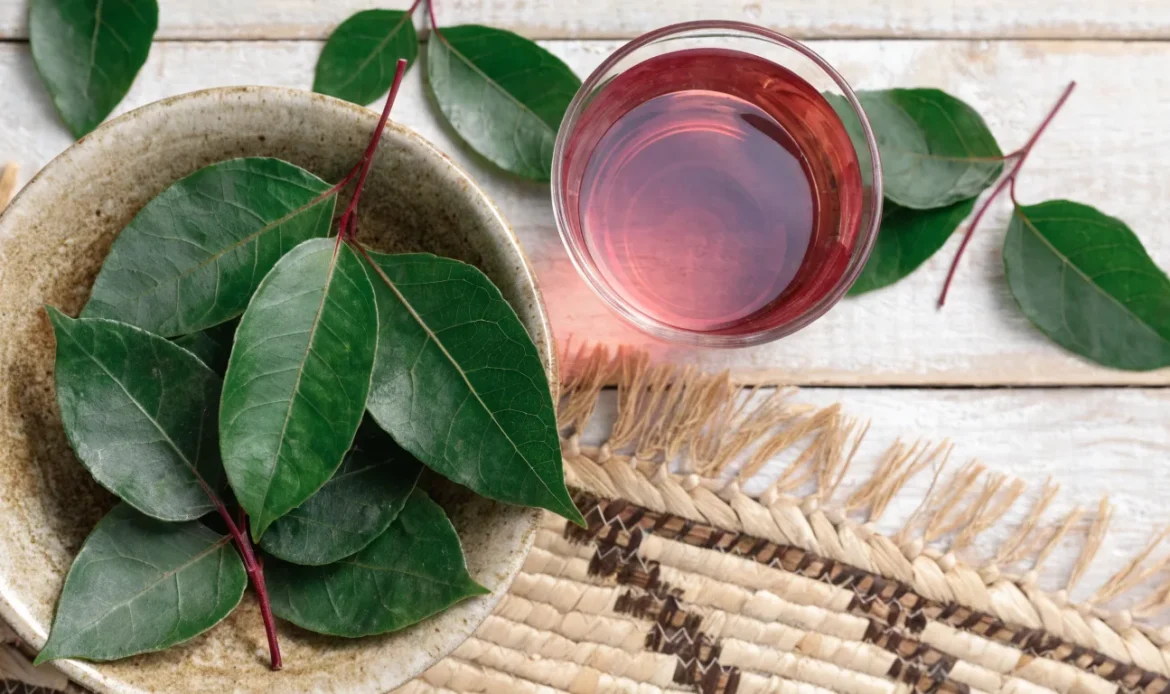
Short answer: St Johns Bush is a Caribbean wild herb (commonly identified as Justicia secunda or related names). It is a leafy, shrubby plant used in local foods and in “bush tea” traditions. It is a terrestrial herb — not a seaweed or sea moss — and should be treated and sourced differently.
Why this page: if you want a quick clear ID, a practical way to brew it, and a realistic checklist for buying or using St Johns Bush, this article gives step-by-step guidance and the next questions to ask.
What is “St Johns Bush”? — definition and names
- Common name: St Johns Bush (also written St. John’s Bush or Johns Bush in product listings).
- Botanical name most often used in Caribbean ethnobotany: Justicia secunda (synonyms and related names appear in older taxonomic lists). This name links the common herb called “St Johns Bush” to a group in the Acanthaceae family. (comsec-web-static.s3.eu-west-1.amazonaws.com)
What that means in plain words: it’s a leafy, low shrub often found in roadside banks, thickets, and garden borders in the Lesser Antilles and nearby parts of northern South America. The flowers are usually reddish to purplish and the leaves are opposite on the stem.
Note on spelling and confusion: “St Johns Bush” is not St. John’s Wort and is not the same as any seaweed or sea moss. Sellers and local users sometimes shorten or vary the name. If you are buying the herb, check for the botanical name and photos to be sure you have the right plant.
Botanical ID — how to recognize it
- Habit: a shrubby, straggling herb up to about 1 meter tall. Leaves occur in opposite pairs. Flowers form in narrow clusters and are often a dull purplish-red. (comsec-web-static.s3.eu-west-1.amazonaws.com)
- Scientific names you may see: Justicia secunda (often listed in plant databases and herbarium records). Some catalogs use Dianthera secunda as a synonym. If a seller lists a different Latin name, ask for a photo or specimen to confirm. (powo.science.kew.org)
Why the botanical name matters: common names vary by island and vendor. The Latin name helps you confirm which species you are actually buying. If a vendor cannot supply a botanical name or clear photos, that is a valid reason to pause the purchase.
Where it grows and cultural context
- Region: St Johns Bush is recorded across the Lesser Antilles and parts of northern South America. It appears in local plant guides and herbarium records for islands such as St. Lucia, Dominica, and nearby areas. (comsec-web-static.s3.eu-west-1.amazonaws.com)
- Cultural role: in Caribbean communities, “bush” herbs are part of everyday cooking, tea rituals, and midwifery or women’s traditional care practices. Sellers and family recipes may call for St Johns Bush as a single-herb tea or mix it with other “bush” herbs. These uses are cultural and traditional. (stlucianseamosscompany.com)
Important caution about traditional uses: ethnobotanical accounts describe many traditional uses. Those reports reflect local practice and history. They are not clinical proof of medical benefit. If you are considering the herb for health reasons, discuss it with a qualified healthcare provider.
Culinary and preparation basics — how people use St Johns Bush
Common culinary formats you will find:
- Dried loose leaf (most common).
- Tea bags or blended herbal tea mixes.
- Fresh leaf when available locally (less common for shipping). (stlucianseamosscompany.com)
How to brew a simple St Johns Bush tea (traditional, general method):
- Use 1–2 teaspoons of dried leaf per cup (start light).
- Pour boiling water over the leaf in a cup or pot.
- Cover the container and steep 8–15 minutes, depending on taste.
- Strain and drink plain or add citrus, cinnamon, or ginger for flavor. (stlucianseamosscompany.com)
Notes on taste and strength: the herb can be “bold” and earthy. Steeping longer makes a stronger flavor. If you are new to it, start with a smaller amount and shorter steep time.
Storage and freshness: keep dried leaf in a cool, dry container away from direct sun. Properly stored, dried herbs keep aroma and color longer. Sellers often ship in resealable pouches or jars.
Safety and what you should check before using or buying
Key safety points to remember:
- St Johns Bush is a land plant. It does not carry seaweed-type iodine issues, but it may still carry plant-typical contaminants like dust, pollen, or, rarely, pesticide residues. Ask the seller about harvesting and drying methods. (comsec-web-static.s3.eu-west-1.amazonaws.com)
- If you are pregnant, nursing, on medication, or have a medical condition, check with a healthcare professional before using any concentrated herbal tea. Traditional use does not equal proven safety for all people. (opss.org)
- If a product claims strong medical benefits (e.g., cures, fixes fertility, or promises specific disease outcomes), treat that as marketing language. Sellers are allowed to describe cultural or historical uses, but clinical claims need rigorous proof. (opss.org)
What to ask a vendor (short checklist)
- Can you show the botanical name or supplier photo? (Prefer a Latin name like Justicia secunda.) (powo.science.kew.org)
- Where and how was the herb harvested and dried? (wild-harvested vs. farmed; sun-dried vs. kiln-dried); ask for basic processing details.
- Is the herb sold as a single ingredient or as a blend? If blended, ask what other herbs are included.
- Any testing or third‑party checks done (microbial, pesticide)? If a seller claims testing, ask who did it and for a certificate. (opss.org)
Why testing matters: for seaweed or sea moss, testing often targets heavy metals and iodine. For dried land herbs, testing often looks at microbial load, pesticides, and foreign matter. Treat claims of testing as a document request, not a promise.
How St Johns Bush differs from sea moss and seaweed
Short, clear differences:
- Plant type: St Johns Bush is a terrestrial herb (flowering plant). Sea moss and seaweed are marine algae (aquatic plants with very different biology). (comsec-web-static.s3.eu-west-1.amazonaws.com)
- Nutrients and risks: seaweed is a known source of dietary iodine and sometimes heavy metals. That makes seaweed a different regulatory and safety category than dried land herbs. If you use both types of products (herbs and seaweed/sea moss), consider them separately for sourcing and safety. (pmc.ncbi.nlm.nih.gov)
- Use and preparation: sea moss is often rehydrated, made into gels, or used as a thickener. St Johns Bush is prepared as a dry leaf tea. Their culinary roles do not overlap. (stlucianseamosscompany.com)
If you are buying from a vendor that sells both sea moss and St Johns Bush, check labeling carefully. Each product needs its own sourcing and safety information.
Formats and how to choose — a practical decision guide
Use this table to match your need with the common product format:
| Your goal | Format to consider | Why it fits | What to check |
|---|---|---|---|
| Quick tea at home | Dried loose leaf or tea bags | Easy to measure and brew; consistent taste | Confirm ingredient list, photos, and basic processing notes. (stlucianseamosscompany.com) |
| Gift or travel use | Tea bags | Convenient and portioned | See if bags are single-ingredient or blends. |
| Traditional ritual or extended brewing | Bulk loose leaf | You can brew larger batches and blend with other herbs | Ask about harvest date and drying method. (seamossandnaturalherbs.com) |
| First-time buyer who wants reassurance | Small sample size from a reputable seller | Low cost to try; assess aroma and taste | Ask seller about returns and check reviews. |
| If you also use sea moss products | Keep herbs and seaweed separate | Different sourcing and safety needs (iodine/heavy metals for seaweed) | Check label and testing documents for seaweed products. (pmc.ncbi.nlm.nih.gov) |
Decision tip: if you plan to drink a cup most days, buy a modest bulk amount. If you only try it occasionally, choose a small packet or tea bag to test flavor and tolerance.
Practical checklist before you brew or buy
- Verify botanical name (e.g., Justicia secunda) and ask for a clear photo. (powo.science.kew.org)
- Confirm single-ingredient status if you want pure St Johns Bush.
- Ask how it was harvested and dried (wild vs. farmed; sun or shade drying). (stlucianseamosscompany.com)
- Request any available testing information (microbial, pesticide). If none, assume the product is untested. (opss.org)
- Start with a small cup and mild steep time to check taste and personal tolerance.
- Store in an airtight container away from heat and light.
Next steps — what to do now
If you want to try St Johns Bush:
- Buy a small sample or a 1–2 oz packet from a vendor who provides photos and a botanical name. (stlucianseamosscompany.com)
- Brew a mild cup and note aroma and taste. Keep notes on steep time and amount.
- If you plan regular use, ask the vendor about harvest date, processing, and any testing. If you have a health condition, check with a clinician first. (opss.org)
If you are a buyer or retailer:
- Ask suppliers for photos of the fresh plant and the dried leaf, plus basic harvest and drying notes. For wholesale, ask about volume, shelf stability, and return policy before committing. (For wholesale inquiries, prepare your sourcing checklist.) (powo.science.kew.org)
Conclusion
St Johns Bush is a named Caribbean herb most often tied to the plant Justicia secunda. It is a terrestrial leafy herb used in local culinary and “bush tea” traditions. If you plan to buy or use it, verify the botanical name, start with small amounts when brewing, and ask sellers for clear sourcing and processing information. Treat cultural uses as interesting and valuable context, but not as proof of medical benefit. If you also use sea moss products, keep safety checks for each product type separate because their sourcing and risk profiles differ.
Useful internal links
- Home
- Browse Caribbean botanicals: Caribbean Botanicals
- Learn more about our herbs: Learn
- View general products: Shop
- Questions or orders: Contact
Frequently asked questions
Is St Johns Bush the same as St. John’s Wort?
No. St Johns Bush (often Justicia secunda) is different from St. John’s Wort (Hypericum spp.). They are different plant families and have different uses and cautions. Always check the botanical name.
Is St Johns Bush a sea moss or seaweed?
No. St Johns Bush is a terrestrial herb (a flowering plant). Sea moss and seaweed are marine algae and have different nutrient profiles and safety questions.
How do I brew it for the first time?
Start with 1 teaspoon of dried leaf per cup. Pour boiling water, cover, steep 8–10 minutes, strain, and taste. Adjust amount and time on later tries.
Are there safety risks from heavy metals or iodine like with seaweed?
Heavy metals and iodine concerns are most often discussed for seaweed. For land herbs like St Johns Bush, typical concerns center on pesticide residues, microbial contamination, or misidentification. Ask the seller about harvesting and testing.
Where can I buy small amounts to try?
Look for reputable herbal vendors that sell small packets or tea bags. Ask for photos and processing details before buying. Product pages from Caribbean herb sellers commonly list brewing steps and package sizes.
If I use sea moss and St Johns Bush, are there any interactions?
There is no widely documented interaction between the two, but seaweed products can add iodine and other minerals to the diet. If you use both regularly and you have thyroid conditions or take certain medicines, check with your healthcare provider.
References
- A Guide to the Medicinal Plants of Coastal Guyana — entry for “ST JOHNS-BUSH (Justicia secunda).” (Medicinal plant description and traditional uses).
- Plants of the World Online (Kew Science), Justicia secunda / Dianthera secunda — taxonomic and distribution notes.
- St. Johns Bush product and brewing information (example vendor page).
- Harvard T.H. Chan School of Public Health — The Nutrition Source: Seaweed / Aquatic Foods (context on seaweed vs. land herbs).
- Smyth PPA. “Iodine, Seaweed, and the Thyroid.” European Thyroid Journal, 2021 (iodine and seaweed context).
- Food Standards Australia New Zealand, “Survey of iodine levels in seaweed and seaweed containing products” (FSANZ).
- Operation Supplement Safety (OPSS), “Sea Moss in Dietary Supplements” (consumer safety context for sea moss and supplement testing).
- [1] Harvard T.H. Chan School of Public Health, “Seaweed.” https://nutritionsource.hsph.harvard.edu/seaweed/
- [2] Smyth PPA. “Iodine, Seaweed, and the Thyroid.” European Thyroid Journal, 2021. https://pmc.ncbi.nlm.nih.gov/articles/PMC8077470/
- [3] Food Standards Australia New Zealand, “Survey of iodine levels in seaweed and seaweed containing products,” updated 2025. https://www.foodstandards.gov.au/science-data/monitoring-safety/surveyofiodinelevels
- [4] Operation Supplement Safety, “Sea Moss in Dietary Supplements.” https://www.opss.org/article/sea-moss-dietary-supplements
- [5] Blikra MJ et al. “Consequences of acute and long-term excessive iodine intake: A literature review focusing on seaweed as a potential dietary iodine source.” 2024. https://doi.org/10.1111/1541-4337.70037