
Short answer
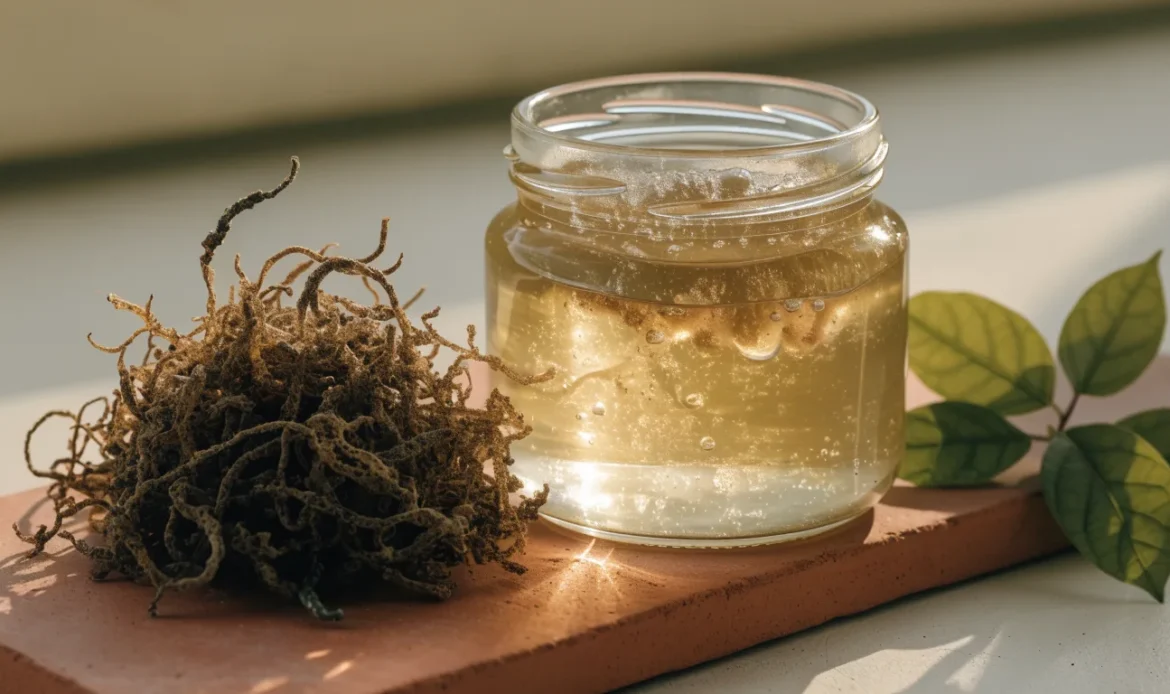
Sea moss sprouts are the young, tender pieces of sea moss sold while they are still fresh or newly regrown. Sellers use the term for small, delicate fronds or live seaweed cuttings that look like “sprouts.” If you want a mild texture and fresher flavor for blending or eating raw, sprouts can be a good choice. If you need long storage or a shelf-stable product, consider a dried form or powder instead.
Why this matters
Different forms of sea moss behave very differently in the kitchen and in storage. Knowing what “sprouts” means helps you pick the right format for your use and avoid surprises from sellers who use the word in different ways.
What are sea moss sprouts?
Sea moss sprouts usually mean one of two things in the market:
- Young fronds harvested early in the seaweed’s growth cycle. These look small and tender compared with full-grown fronds.
- Live or rehydrated pieces of sea moss that are kept moist and marketed like a “fresh” product. Sellers may call these sprouts because they appear fresh and sprout-like.
The term is not a scientific label. Different sellers use it in different ways. Always ask how the seller defines “sprouts” before you buy.
What they are not
- “Sprouts” are not a special processed extract or a guaranteed lab-tested product. They are a format or a harvest stage.
- They are not the same as a dried seaweed, powder, or pre-made gel. Those are separate formats with different uses.
How sea moss sprouts are typically produced
Common ways sellers and harvesters handle sprouts:
- Harvest young fronds from the wild or from cultivated ropes and sell them fresh.
- Trim older sea moss to encourage regrowth and sell the new cuttings as sprouts.
- Keep small pieces moist in seawater or saltwater tanks and move them to cold storage for sale.
Methods vary by supplier and region. Ask what the seller did: where it was harvested, whether it was rinsed, and how it was stored before sale.
What you can check
- Ask whether the product is fresh-harvested or rehydrated from dried stock.
- Ask if the product was rinsed after harvest and how many times.
- Ask for storage instructions and the recommended use window after delivery.
Uses for sea moss sprouts
Culinary uses
- Add raw to salads or bowls for a briny texture.
- Blend into smoothies for texture and mild sea flavor.
- Use as a garnish or in cold dishes where a tender texture matters.
- Make gel from fresh sprouts by soaking, blending, and straining (see the steps below).
Non-culinary uses
- Some people keep live sea moss sprouts for display in aquaria or as part of a wet display. If you do, check local rules for keeping marine plants.
Simple preparation steps
- Rinse the sprouts gently in fresh water to remove sand and small debris.
- Inspect for pieces that look slimy, discolored, or have a bad smell. Discard these.
- If you plan to eat raw, do a final rinse and use cold. If you prefer cooked, blanch in boiling water briefly or simmer as desired.
- Discard soaking water. Do not reuse it for cooking.
Safety note
Seaweed can contain variable levels of iodine and other elements depending on where it grew and how it was handled. People with thyroid concerns should check with their health provider before adding new seaweed products to regular diets. See the References for more on iodine and seaweed variability [1][2][5]. Also, regulatory surveys find that iodine and other content can vary by product and batch [3].
How sea moss sprouts compare with other sea moss formats
Choosing a format depends on how you plan to use sea moss and how you want to store it. Below is a practical comparison table to help decide.
Decision table: formats at a glance
| Format | What it is | Texture & taste | Best uses | Pros | Cons |
|---|---|---|---|---|---|
| Sea moss sprouts | Small, fresh or newly regrown fronds | Tender, mild sea flavor | Raw dishes, smoothies, garnishes, fresh gel | Fresh texture; quick to use | Short shelf life; needs cold chain |
| Fresh whole fronds | Larger, fully grown wet fronds | Chewier, stronger sea flavor | Cooking, traditional recipes | Full flavor; versatile | Short shelf life; bulky |
| Dried sea moss | Dried whole ones | Rehydrates to firm texture | Long-term storage, gel making | Long shelf life; easier to ship | Needs rehydration; flavor changes |
| Sea moss gel | Blended, hydrated sea moss | Smooth, jelly-like | Spreads, smoothies, topical uses | Ready to use; easy to measure | Perishable once made |
| Powder / capsules | Dried, milled or encapsulated | No texture; powdered taste | Capsules, smoothies, shelf-stable recipes | Stable; portable | Processing removes texture; variable concentration |
Notes on the table
- “Pros” and “Cons” describe typical trade-offs. Exact quality and storage depend on handling and supplier practices.
- If you need long-term storage and predictable supply, dried or powdered formats are easier to manage.
- If you want the freshest flavor and texture, sprouts or fresh fronds may be preferred.
Buying checklist: what to ask and look for
This checklist helps you decide whether sea moss sprouts are right for you and how to choose a reliable specimen.
Before you buy
- Ask the seller to define “sprouts” for that product.
- Ask where it was harvested or grown. If they can’t say, treat the answer as incomplete.
- Ask how the product was rinsed and stored after harvest.
- Ask whether the product was treated with anything (preservatives, cleaners, or additives).
- Ask for recommended storage and use window after delivery.
Inspect the product on arrival
- Smell it. A fresh ocean smell is normal. A strong foul odor is a red flag.
- Look for uniform color. Dark brown, green, or gold colors can be normal. Bright white or very dark black spots may indicate damage or contamination.
- Check texture. Sprouts should feel tender and not slimy in a way that signals spoilage.
- Ask the seller for instructions if anything looks off.
Red flags to avoid
- Seller cannot explain what “sprouts” means for that listing.
- No storage or handling instructions are provided.
- The product has a strong off-odor or visible mold.
- The product arrives warm after long shipping.
When to ask for testing or documentation
- If you plan to use the product regularly and want to manage intake of minerals like iodine, ask for any available lab testing for iodine or heavy metals.
- Note: not all sellers test routinely. A lack of testing does not automatically mean the product is unsafe. It means you have less data.
How to clean and make a simple gel from sprouts
A basic, no-hype method to make gel:
- Rinse the sprouts in cool running water to remove sand and debris.
- Soak in cool fresh water for several minutes. Swish gently.
- Drain and rinse again. Discard the soak water.
- Place the cleaned sprouts in a blender. Add fresh water to cover.
- Blend until smooth. If needed, strain through a fine sieve to remove coarse bits.
- Store the gel in a clean, sealed container in cold storage.
Safety reminders
- Discard the first soak water. It can contain sand and surface debris.
- If the sprouts smell bad after rinsing, do not use them.
- Ask your seller how long fresh sprouts typically keep under refrigeration.
Storage and shelf-life guidance
Fresh formats need cold storage and faster use. Processed formats last longer but lose fresh texture.
Practical tips
- Keep sprouts cold during transit and refrigeration on arrival.
- Follow the seller’s guidance on use windows.
- If you want long storage, consider dried, powdered, or frozen forms instead of fresh sprouts.
Why you should ask rather than rely on rules
- Shelf life depends on how the product was harvested, rinsed, and stored.
- Different suppliers will give different recommended timelines. Ask and follow their guidance.
Sourcing and safety: what you can check and what you cannot prove
What you can check
- Supplier answers about harvest area and handling.
- Visible signs of good handling: cold chain, clean packaging, no off-odors.
- Any available test reports the seller will share.
What information is not a guarantee
- A seller’s origin claim does not prove low or high iodine, contaminant levels, or specific mineral content without lab testing.
- A clean look and good smell do not prove absence of trace contaminants.
- Routine screening varies across sellers and countries; ask for details if testing matters to you.
Regulatory and scientific context
- Seaweed composition varies by species, season, and location. That affects minerals such as iodine [1].
- High iodine intake can affect thyroid function in some people. If you have thyroid issues, talk with a health professional before using seaweed products frequently [2][5].
- Government surveys show iodine and nutrient levels in seaweed products can vary across batches and brands. Buyers who need consistent intakes should ask for lab data [3].
- Consumer advice outlets note sea moss supplements and products can vary in composition and testing practices. Ask sellers about testing and quality control [4].
Who should choose sea moss sprouts?
Consider sprouts if:
- You want fresh texture in raw or lightly prepared dishes.
- You can store and use the product quickly after delivery.
- You prefer buying a less-processed product.
Consider other formats if:
- You need a shelf-stable option for infrequent use.
- You want consistent dosing or convenience (powder, capsules).
- You want a long-term bulk supply without refrigeration.
Questions to ask before buying (quick list)
- What do you mean by “sprouts” for this listing?
- Where and when was this batch harvested?
- How was it rinsed and stored after harvest?
- Are there any preservatives or treatments applied?
- What is the recommended storage method and use window?
- Can you share any lab test results for iodine or contaminants?
Next steps and helpful guides
If you want to learn more about sea moss formats and sourcing, visit our Learn hub for more articles: /learn/. If you want to browse formats that last longer, see our shop: /shop/. If you buy in bulk or for retail, our wholesale options are listed here: /wholesale/. For questions about a product or an order, contact us at /contact/. Return to our home page at /.
Conclusion
Sea moss sprouts are a fresh-format option that gives a tender texture and mild sea flavor. The label “sprouts” means different things to different sellers, so ask clear questions about harvest, rinsing, and storage before buying. If you need longer storage or consistent dosing, consider dried, powdered, or gel forms instead. When in doubt, ask the seller for handling details and any available lab tests. For more on formats and next steps, visit our /learn/ section or contact us at /contact/.
Continue reading
Frequently asked questions
Are sea moss sprouts safe to eat?
Fresh sea moss sprouts can be safe if they are cleaned and stored properly. Seaweed can contain variable mineral levels. People with thyroid conditions should check with a health professional before adding seaweed regularly. Ask the seller how they rinsed and stored the sprouts [1][2][5].
How long do sea moss sprouts last?
Fresh sprout shelf life depends on harvesting, rinsing, and cold storage. Ask the seller for a recommended use window. If you need long storage, choose dried or frozen formats instead.
Can I make sea moss gel from sprouts?
Yes. Clean the sprouts, blend with fresh water, and strain if needed. Store the gel cold. Follow the seller’s storage recommendations for the fresh sprouts you used.
How do sprouts differ from dried sea moss?
Sprouts are fresh or newly regrown wet fronds. Dried sea moss is dehydrated and can be stored longer. Dried moss needs rehydration before some uses and will have a different texture after rehydration.
Should I worry about iodine and other minerals?
Seaweed contains iodine and other minerals that vary by species and location. People with thyroid issues should consult a health professional before using seaweed products frequently. Government and scientific reviews note that levels vary across products and batches [1][2][3][5].
What if the product smells bad when it arrives?
A strong off-odor can indicate spoilage. Contact the seller and do not eat the product. Inspect packaging and storage instructions to help resolve the issue.
References
- [1] Harvard T.H. Chan School of Public Health, “Seaweed.” https://nutritionsource.hsph.harvard.edu/seaweed/
- [2] Smyth PPA. “Iodine, Seaweed, and the Thyroid.” European Thyroid Journal, 2021. https://pmc.ncbi.nlm.nih.gov/articles/PMC8077470/
- [3] Food Standards Australia New Zealand, “Survey of iodine levels in seaweed and seaweed containing products,” updated 2025. https://www.foodstandards.gov.au/science-data/monitoring-safety/surveyofiodinelevels
- [4] Operation Supplement Safety, “Sea Moss in Dietary Supplements.” https://www.opss.org/article/sea-moss-dietary-supplements
- [5] Blikra MJ et al. “Consequences of acute and long-term excessive iodine intake: A literature review focusing on seaweed as a potential dietary iodine source.” 2024. https://doi.org/10.1111/1541-4337.70037