
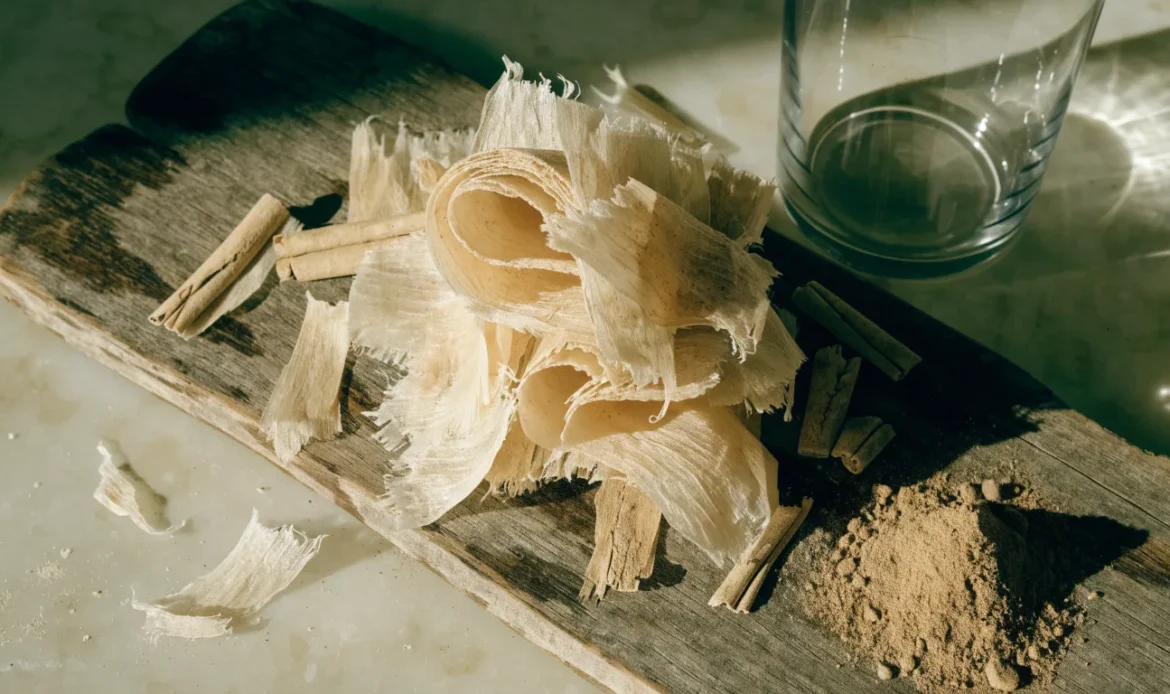
Short answer: “Cylon cinnamon” usually refers to Ceylon cinnamon — the true cinnamon from the Cinnamomum verum tree. It has a milder, sweeter flavor and a finer, crumbly stick structure compared with cassia. If you see the word “Cylon” it is often a misspelling or variant of “Ceylon.” Below you will find clear ID tips, culinary uses, buying and storage guidance, and a plain explanation of how cinnamon relates to sea moss products.
What people mean by “Cylon cinnamon”
- The common, correct name is Ceylon cinnamon. The botanical name is Cinnamomum verum (or Cinnamomum zeylanicum in older texts).
- The word “Cylon” appears in product listings and conversations as a misspelling, phonetic spelling, or variant. When a label says “Cylon,” read it as a cue to check the product details for “Ceylon” or “true cinnamon.”
- Ceylon cinnamon is a bark spice. It comes from the inner bark of a small evergreen tree. The bark is harvested, sun-dried, and rolled into quills or ground into powder.
Why that distinction matters:
- Ceylon is one of several tree species whose bark is used as cinnamon. Another common type is cassia (often labeled just “cinnamon” in many stores). The two differ in flavor, texture, and culinary fit.
Botanical ID: Ceylon vs cassia (easy checks)
If you want to know what you have, here are simple, observable differences.
Appearance
- Ceylon: Thin, fragile layers form a soft, multiple-layered quill. The interior is pale tan.
- Cassia: Thicker, harder bark. Often looks like a single, hard tube or a rolled sheet. Darker reddish-brown.
Texture and smell
- Ceylon: Light, delicate, and fragrant. It breaks easily by hand.
- Cassia: More woody and tough. Stronger and spicier aroma.
Labeling tips
- Look for the botanical name Cinnamomum verum for Ceylon.
- If the label only says “cinnamon” with no species, it is often cassia in many markets.
- If a seller uses “Cylon” check product photos and the ingredient panel to confirm.
Flavor and culinary uses
What Ceylon is best for
- Baking and desserts that need a subtle, sweet cinnamon note.
- Dishes where you want aroma without an overpowering heat.
- Delicate drinks, homemade syrups, and gentle spice blends.
What cassia is best for
- Heavier cooking, like stews, braises, and robust spice mixes.
- Dishes that tolerate a stronger, more astringent cinnamon flavor.
Using sticks versus ground
- Whole quills are good for infusing liquids, like simmered milk, syrups, or teas.
- Ground cinnamon mixes easily into batters, spice rubs, and drinks.
- Whole sticks hold aroma longer in storage than ground powder.
Cooking note
- Cassia has a stronger flavor than Ceylon. When substituting cassia for Ceylon, use a smaller amount and adjust to taste.
Forms you will see in store
- Quills or sticks: Whole, rolled bark. Best for infusion and long simmering.
- Ground powder: Fine or coarse. Convenient for baking and quick mixing.
- Broken pieces: Bits of bark used for blends or potpourri.
- Extracts and oils: Concentrated flavor forms used in flavoring and perfumery. (If you buy extracts, read labels for carrier oils and purity.)
Buying: what to check before you buy
Buying cinnamon involves decisions about species, form, and purity. Use this short checklist when choosing:
Decision checklist (quick)
- Does the label show a botanical name (Cinnamomum verum)? If yes, likely Ceylon.
- Are there clear product images of quills or powder?
- Is the product whole bark or ground? Whole bark lasts longer.
- Does the seller list origin or processing details? This helps traceability.
- Are there added ingredients? (Some ground products include anti-caking agents.)
- Does the seller offer a return policy or product notes about freshness?
- If you plan to use cinnamon with other botanicals (like sea moss), check the product label for any blended claims.
Below is a table that helps you decide based on common use-cases.
| Choose if you want… | Form to pick | Why |
|---|---|---|
| Gentle, sweet cinnamon for desserts | Ceylon quills or ground Ceylon | Milder flavor and fine texture |
| Strong, bold cinnamon for long-cooked dishes | Cassia sticks or ground cassia | Robust flavor stands up to heat |
| Long storage and bulk use | Whole quills | Whole bark keeps aroma longer |
| Quick sprinkle or baking measurement | Freshly ground | Easy to mix and blend |
| A labeled, traceable product | Item with botanical name and origin info | Easier to confirm authenticity |
Practical buying tips
- Buy from sellers who show clear photos. Look for close-ups of the bark surface.
- Prefer whole quills if you want freshness. Grind at home when needed.
- If buying ground cinnamon, check the ingredient list. It should list only cinnamon.
Storage and shelf habits
Keep cinnamon fresh with simple steps:
- Store in a cool, dark, dry place.
- Use airtight containers to protect aroma.
- Whole quills resist stale aroma longer than powder.
- Avoid direct sunlight and humid places like above a stove.
Why this matters
- Spices lose aroma when exposed to air, heat, and light. Good storage keeps flavor longer. This is culinary quality, not a safety issue.
Cooking tips and simple uses
- Toast whole sticks briefly in a dry pan to wake up the oils before using them in hot liquids.
- Infuse milk or plant-based milk with a quill and a low simmer for a warm spice base for drinks.
- Add a small piece of quill to slow-cooked dishes and remove before serving.
- Mix ground Ceylon into oatmeal, desserts, and coffee for a milder cinnamon note.
- Use whole quills in syrups or poaching liquids to extract a clean cinnamon flavor.
Recipe starter idea (no claims)
- Simmer 1 quill in 2 cups of water or milk for 10–20 minutes. Remove quill. Sweeten and serve warm. Adjust strength by time and number of quills.
How to tell if a product really is Ceylon (sensible checks)
- Look for the botanical name Cinnamomum verum.
- Examine the bark: many thin layers in a soft roll suggest Ceylon.
- Ask the seller for photos of the split bark or quill ends. The inner layers for Ceylon will be thin and crumbly.
- Check for third-party labeling or tests only when available. If none are provided, rely on photos, botanical names, and return policies.
A plain statement about certainty
- Visual checks and labeling can increase confidence but do not prove origin by themselves. Only specific laboratory tests or reliable supplier traceability can confirm species with certainty. If this matters to you, ask the seller about traceable sourcing or testing.
Cinnamon and sea moss — a clear separation
Zen Wholesalers is a sea moss retailer and carries botanicals in the Caribbean botanicals range. It is common for customers to wonder how spices like cinnamon interact with sea moss products. Here are simple facts and checks.
Key points
- Cinnamon is a tree bark spice. Sea moss (a seaweed) is a marine algae product. They are different materials and different categories.
- Adding cinnamon to a sea moss preparation changes flavor. It does not change the marine mineral profile of the seaweed itself.
- Seaweed products can contain iodine and other marine minerals. Those are properties of the seaweed, not the spice.
Safety and nutrients — what to check
- If you are concerned about iodine from seaweed, look to reliable sources about seaweed and iodine. Seaweed can be a significant iodine source in the diet. For general information on seaweed and iodine, see reputable nutrition and regulatory sources. [1][2][3][5]
- Cinnamon does not alter the iodine content of seaweed. However, if a product mixes sea moss with other ingredients, check the product label for ingredient amounts and nutrition or advisory statements.
When to read labels carefully
- When you buy pre-mixed products (sea moss blends, supplements, or flavored gel), read the full ingredient list and any advisory statements.
- For fortified or processed items, check whether nutritional analysis or a certificate of analysis (COA) is provided. Suppliers sometimes supply COAs; others do not.
Further reading and official guidance
- For general seaweed nutrition info: Harvard T.H. Chan School of Public Health’s overview of seaweed. [1]
- For technical literature on iodine and seaweed and possible health consequences if iodine intake is excessive: scientific reviews and regulatory surveys discuss iodine variation in seaweed. [2][3][5]
- For consumer guidance on sea moss in supplements: operation supplement safety has an informational article on sea moss and supplements. [4]
No medical advice
- This article does not give medical advice. If you have health concerns related to iodine, thyroid function, or a medical condition, consult a qualified healthcare professional.
Buying decision guide (practical)
Use this short decision flow for buying cinnamon labeled “Cylon” or “Ceylon”:
- Is the product labeled with a botanical name?
- Yes → Check pictures for thin-layered quills. If consistent, likely Ceylon.
- No → Treat as unspecified. Assume it may be cassia unless seller clarifies.
- Do you need whole quills or ground powder?
- Whole quills → choose quills for longer aroma storage and infusion.
- Ground → choose recently ground, check for single-ingredient label.
- Will you use it with sea moss or other botanicals?
- Yes → Check full ingredient list and product advisories. If pre-mixed, request COA or nutrition facts if iodine or mineral content is a concern.
- No → Choose based on culinary preference.
- Is traceability important?
- Yes → Ask the seller for origin and processing details.
- No → Visual checks and return policy may be sufficient.
Where to look next on our site
- Browse our Caribbean botanicals collection for spices and botanicals: /shop/caribbean-botanicals/
- See related botanicals and pantry items in our shop: /shop/
- Learn more about sea moss and marine botanicals on our Learn pages: /learn/
- If you buy in bulk or want wholesale options, visit: /wholesale/
- Return to the home page: /
Conclusion
“Cylon cinnamon” commonly points to Ceylon cinnamon, the true cinnamon from the Cinnamomum verum tree. Ceylon has a milder, sweeter flavor and a thin, layered quill. Cassia is the other common cinnamon type; it is stronger and harder. Use Ceylon for delicate desserts and infusions. Use cassia for robust dishes that need a strong cinnamon note. When buying, check the botanical name, product photos, and ingredient list. If you plan to use cinnamon with sea moss or other marine botanicals, read labels for complete ingredient and advisory information. For nutrition or medical questions about seaweed and iodine, consult reliable sources and health professionals.
Continue reading
Frequently asked questions
Is “Cylon” the correct spelling for Ceylon cinnamon?
No. “Ceylon” is the standard spelling. “Cylon” often appears in listings as a misspelling or variant. If you see “Cylon,” check the product for the botanical name or images.
How can I tell real Ceylon cinnamon from cassia at home?
Look at the quill. Ceylon has thin, soft layers and a paler inner bark. Cassia is thicker and harder, often darker. If in doubt, ask the seller for a close-up photo and the botanical name.
Does cinnamon affect iodine in sea moss?
No. Cinnamon is a spice and does not change the iodine or mineral content of sea moss. If you use pre-mixed products, check labels for any added ingredients or nutrition details.
Should I choose whole quills or ground cinnamon?
Whole quills keep flavor longer and are good for infusions. Ground cinnamon is convenient for baking and quick mixing. Whole quills let you grind small amounts as needed.
Where can I find reliable info about seaweed iodine?
Trusted sources include university nutrition pages and regulatory surveys. See Harvard’s seaweed overview and scientific reviews on iodine variability in seaweed. [1][2][3][5]
I have a medical condition related to my thyroid. Can cinnamon help?
This article does not provide medical advice. Cinnamon is a spice for flavor. For any medical questions, especially about thyroid or iodine intake, consult a qualified healthcare provider.
References
- [1] Harvard T.H. Chan School of Public Health, “Seaweed.” https://nutritionsource.hsph.harvard.edu/seaweed/
- [2] Smyth PPA. “Iodine, Seaweed, and the Thyroid.” European Thyroid Journal, 2021. https://pmc.ncbi.nlm.nih.gov/articles/PMC8077470/
- [3] Food Standards Australia New Zealand, “Survey of iodine levels in seaweed and seaweed containing products,” updated 2025. https://www.foodstandards.gov.au/science-data/monitoring-safety/surveyofiodinelevels
- [4] Operation Supplement Safety, “Sea Moss in Dietary Supplements.” https://www.opss.org/article/sea-moss-dietary-supplements
- [5] Blikra MJ et al. “Consequences of acute and long-term excessive iodine intake: A literature review focusing on seaweed as a potential dietary iodine source.” 2024. https://doi.org/10.1111/1541-4337.70037