
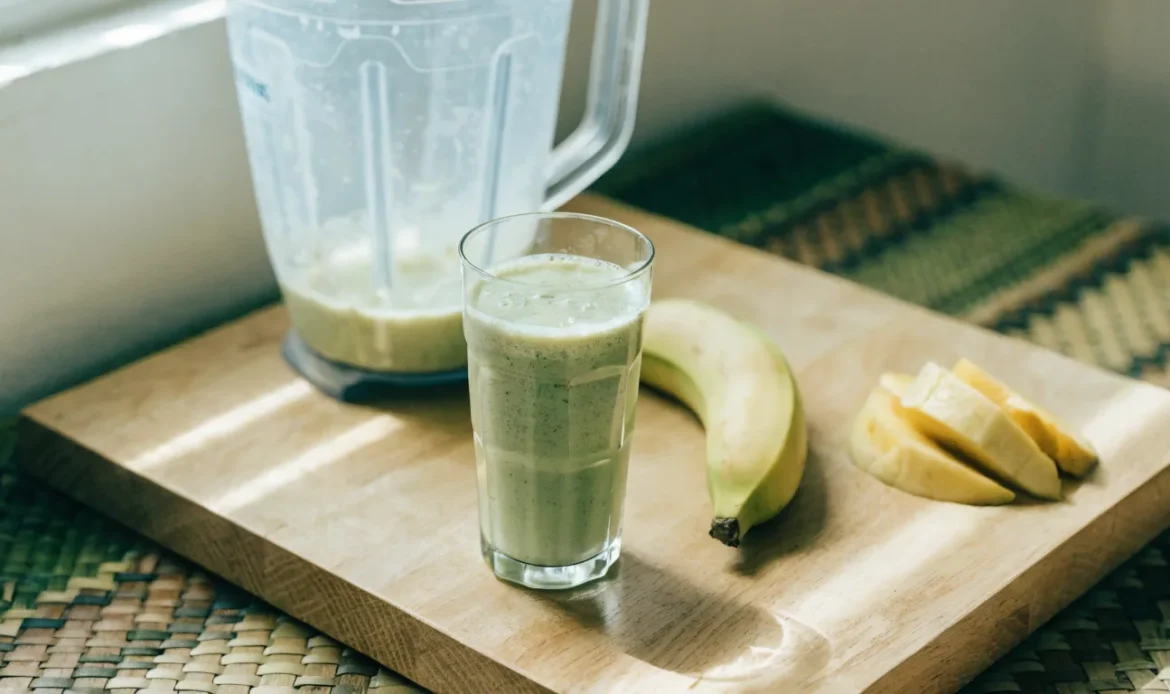
Short answer: A sea moss smoothie is a blended drink that uses sea moss (dried, gel, or powder) to add texture and mild flavor. To make one, clean and prepare your sea moss, add fruit or other ingredients, blend until smooth, and store safely. Read on for step-by-step preparation, food-safety notes, recipe versions, and buying guidance.
What this guide covers
- How to prepare dried sea moss into gel and use it in a smoothie.
- How to use store-bought sea moss gel or powder.
- Safe handling and storage practices to check for spoilage.
- Simple recipes and substitutions.
- Questions to ask if you plan to buy sea moss for regular use.
Note: This page explains food preparation and safety. It does not promise health or medical results. People with thyroid conditions or on iodine-related medications should consult a health professional before adding seaweed products to their regular diet. Seaweed iodine content can vary widely [1][2][3][5].
Quick overview: forms of sea moss and how they fit into smoothies
- Dried (raw) sea moss: Needs washing and soaking. You can turn it into gel first.
- Sea moss gel: Ready to add to smoothies. Texture ranges from spoonable to runny.
- Powder: Meant to be mixed directly into smoothies or drinks.
Each form works. Choose based on how much prep you want to do and the texture you like.
Why you might choose sea moss in a smoothie
- It helps thicken smoothies without using many processed thickeners.
- It has a mild ocean-like flavor that blends well with fruit and cocoa.
- Forms vary so you can control texture: gel gives body; powder mixes in.
Do not expect fixed nutrient amounts. Minerals in seaweed differ by species and source, so iodine content and mineral profile are variable [1][3][5].
Safety notes to check first
- If you have thyroid disease, are pregnant, or take iodine-related medication, talk with a healthcare provider before regular use. Seaweed can contain variable iodine levels, which affect some people [2][5].
- Use clean water and a clean container when you soak or make gel.
- If your sea moss product is sold as a supplement, check product labels and third-party testing where available. Some supplement products can vary in purity and content [4].
- Watch for signs of spoilage: off smells, visible mold, or color changes. If in doubt, discard.
Ingredients and tools (for one large or two medium smoothies)
Ingredients (basic)
- 1 ripe banana (fresh or frozen) or 1 cup frozen fruit
- 1 cup liquid (plant milk, dairy milk, or water)
- 1–2 tablespoons prepared sea moss gel OR 1 tablespoon powdered sea moss OR 1/4 to 1/2 cup soaked, drained sea moss (see notes)
- Optional: 1/2 cup greens (spinach or kale), 1 tablespoon nut butter, or sweetener to taste
- Ice or frozen fruit to chill
Tools
- Blender (high-speed is helpful)
- Fine strainer or colander (for rinsing)
- Large bowl for soaking
- Airtight jar for storing gel
- Measuring spoons and cups
Note on amounts: Use less sea moss if you are new to it. Start small and increase by taste and texture.
How to prepare dried sea moss into gel (step-by-step)
This method turns dried sea moss into a spoonable gel you can keep in the fridge.
- Inspect and rinse
- Break dried sea moss into pieces if needed.
- Rinse under cool running water. Move the pieces so sand and debris wash away.
- Soak
- Place rinsed sea moss in a bowl and cover with clean water. Let it soften until it expands and becomes pliable.
- Change the water if it looks cloudy, then rinse again.
- Final rinse and drain
- After soaking, give it a final rinse and drain well. Remove any remaining dark spots or tough bits.
- Blend to gel
- Place the drained sea moss in a blender with fresh water. A common ratio to make a smooth gel is about one part sea moss (drained) to two parts water. Blend until smooth.
- Adjust the water to get a thicker or thinner gel.
- Store
- Transfer the gel to a clean, airtight jar. Keep it cold and use within a reasonable period; follow local food safety guidance and check the product label if available.
- If you freeze portions, label them with the date and thaw in the fridge before using.
Notes:
- Soaking times and final consistency will vary by batch and species. Test and adjust ratios to match the texture you prefer.
- If you buy pre-made gel, check the label and skip the soaking step.
Basic sea moss smoothie recipe (reproducible)
Yield: 1 large or 2 medium smoothies
Ingredients
- 1 ripe banana (fresh or frozen)
- 1 cup mixed frozen berries
- 1 cup almond milk (or other liquid)
- 1 tablespoon sea moss gel (or 1 teaspoon powdered sea moss)
- Optional: 1 tablespoon chia seeds or 1/2 cup plain yogurt
Steps
- Add the banana, frozen berries, and almond milk to the blender.
- Add the sea moss gel or powder.
- Blend until smooth. Stop and scrape down the sides if needed.
- Taste. Add sweetener or extra liquid for a thinner texture.
- Pour and enjoy.
Adjustments
- For more body, add 1–2 tablespoons of sea moss gel.
- For a thinner drink, add more liquid or use less gel.
Recipe variations (mix and match)
Green Smoothie
- Swap berries for 1 cup spinach and 1 small apple.
- Add 1 tablespoon sea moss gel.
- Blend until smooth.
Tropical Smoothie
- Use 1/2 cup frozen mango, 1/2 cup frozen pineapple, 1/2 banana.
- 1 cup coconut water or coconut milk.
- 1 tablespoon sea moss gel.
Chocolate Almond Smoothie
- 1 banana, 1 tablespoon cocoa powder, 1 cup almond milk.
- 1 tablespoon almond butter.
- 1 tablespoon sea moss gel.
Protein Boost
- Add 1 scoop unflavored protein powder or 1/2 cup Greek-style yogurt.
- Start with 1 tablespoon sea moss gel, then adjust.
Using powder instead of gel
- Powder disperses differently. Start with 1/2 to 1 teaspoon per smoothie.
- Mix well to avoid clumping.
Substitutions and pantry swaps
- Liquid: Use dairy, plant milk, or water. Choose based on taste and texture.
- Sweeteners: Honey, maple syrup, or dates. Add to taste.
- Thickeners: Avocado or oats can replace or supplement sea moss gel.
- Fruit: Use any frozen or fresh fruit you like. Frozen fruit chills and thickens without ice.
Texture tips
- If the smoothie is too thick: add more liquid in small amounts and blend again.
- If too thin: add frozen fruit, ice, or a little more sea moss gel.
- A high-speed blender gives a smoother result, especially with seeds, greens, or powders.
Food-safety and storage guidance (practical, cautious)
- Use clean water and clean bowls for soaking and blending.
- Keep sea moss gel and prepared smoothies cold after making them.
- Label homemade gel with the prep date and use your senses: look, smell, and check texture for signs of spoilage. Discard if any mold, sour smell, or unexpected color appears.
- If you buy pre-made gel, read the label for storage advice and follow that guidance.
- Freezing portions of gel or smoothie is an option to keep it longer. Thaw in the fridge before reuse.
Important note: Seaweed products can vary in mineral and iodine levels. People with thyroid conditions, pregnant people, or those on iodine-sensitive medications should consult a health professional before frequent use [1][2][5]. Also, when you choose supplements or processed sea moss products, look for trusted lab testing or transparent sourcing because supplement content can be inconsistent [4].
Choosing sea moss: decision guide
Use this short decision guide to pick a form of sea moss based on how much prep time you want and where you will use it.
| Goal | Best form | Notes |
|---|---|---|
| Least prep | Sea moss gel (ready to use) | Good for smoothies; check label for storage guidance. |
| Long shelf, flexible use | Dried sea moss | Needs soaking and cleanup. Good if you want to make gel in batches. |
| Easy to measure | Powder | Mixes directly in blender but may clump; start with small amounts. |
| Buy in bulk for business | Dried or powdered | Consider storage and safe prep plans; ask suppliers for test results if buying for resale. |
Do not assume one form is nutritionally identical to another. Mineral content depends on species and source [1][3][5].
Practical checklist: Sea Moss Smoothie Prep
- [ ] Buy the form you prefer: dried, gel, or powder.
- [ ] Inspect dried sea moss for debris; rinse until clear.
- [ ] Soak dried moss until soft, then rinse and drain.
- [ ] Blend with fresh water to make gel (if using dried).
- [ ] Clean blender and tools after use.
- [ ] Label and store gel in a clean jar in the cold section of your fridge.
- [ ] Add 1–2 tablespoons gel (or measured powder) to your smoothie.
- [ ] Taste and adjust liquid, sweetener, or texture.
- [ ] Use or freeze leftovers promptly and check for spoilage before reuse.
- [ ] If you have thyroid concerns, consult a clinician.
Buying tips and questions to ask a supplier
If you plan to buy sea moss regularly, ask sellers these practical questions:
- What form of sea moss do you sell (dried, gel, powder)?
- How should I store your product, and what is the recommended use-by guidance?
- Do you provide a Certificate of Analysis or test results for heavy metals, iodine, or microbial testing?
- How is it harvested and processed? (This helps assess handling practices.)
- Can you provide a sample or small quantity so I can test it in recipes?
If you need larger quantities for resale or food service, contact suppliers about bulk options, storage, and lead times. For commercial or wholesale interest, it is appropriate to discuss testing and traceability before purchase.
Explore our site pages for more resources:
- Browse other recipes: /learn/recipes/
- Learn more about sea moss and food safety: /learn/
- Ready to buy small quantities: /shop/
- For large orders or wholesale questions: /wholesale/
- Questions? /contact/
What we cannot prove here
- We cannot say how much iodine your particular sea moss product contains without lab data. Iodine levels differ by species and harvest location [1][3][5].
- We cannot promise that any specific product is free of contaminants unless a supplier provides credible, current test results.
- We cannot predict how your body will react. If you have medical conditions, speak to your clinician.
Next question to ask
After you try a basic smoothie, useful next questions are:
- Do I prefer gel, powder, or dried sea moss for daily use?
- Do I want a thicker or thinner texture in my smoothies?
- If I buy in bulk, can the supplier provide testing and storage guidance?
If you want to explore recipes, check more ideas at /learn/recipes/. If you plan to buy, visit /shop/ or contact us via /contact/ to ask about ordering or bulk options on /wholesale/.
Conclusion
A sea moss smoothie is simple to make and flexible. Prepare sea moss gel from dried moss, or use gel or powder straight away. Start with small amounts, blend with fruits or cocoa, and practice safe handling. Because seaweed varies in iodine and mineral content, check product information and consult a health professional if you have thyroid or pregnancy concerns [1][2][3][5]. Use clean tools, store properly, and enjoy experimenting with flavors.
Continue reading
Frequently asked questions
How much sea moss should I add to a smoothie?
Start small. For most people, 1 teaspoon to 1 tablespoon of gel or a small measured amount of powder is a good start. Increase later to reach the texture you like. Watch the flavor and body of the drink and adjust.
Can I use frozen sea moss?
If you have frozen prepared gel, thaw it in the refrigerator before adding to a smoothie. If you have frozen raw sea moss, thaw and rinse before transforming it into gel.
Does sea moss taste very fishy?
Sea moss has a mild ocean flavor. When blended with fruit, cocoa, or nut milks, it usually blends into the background and acts more as a texturizer.
Is store-bought sea moss gel safe?
Many prepared gels are safe when handled and stored properly. Check the product label, storage instructions, and any testing information provided by the seller. If the product has an off smell or mold, discard it. For supplement-type products, look for transparency about testing [4].
Who should avoid seaweed products?
People with known thyroid disease, those taking iodine-sensitive medication, and pregnant people should consult a health professional before frequent consumption of seaweed products. Seaweed iodine content varies and can affect iodine intake [1][2][5].
Can I make a smoothie ahead and take it to work?
You can prepare a smoothie ahead, but keep it cold and use food-safety practices. If you plan to consume it later, store it in a sealed container in a cooler or fridge and check it before drinking.
References
- Harvard T.H. Chan School of Public Health, “Seaweed.” https://nutritionsource.hsph.harvard.edu/seaweed/
- Smyth PPA. “Iodine, Seaweed, and the Thyroid.” European Thyroid Journal, 2021. https://pmc.ncbi.nlm.nih.gov/articles/PMC8077470/
- Food Standards Australia New Zealand, “Survey of iodine levels in seaweed and seaweed containing products,” updated 2025. https://www.foodstandards.gov.au/science-data/monitoring-safety/surveyofiodinelevels
- Operation Supplement Safety, “Sea Moss in Dietary Supplements.” https://www.opss.org/article/sea-moss-dietary-supplements
- Blikra MJ et al. “Consequences of acute and long-term excessive iodine intake: A literature review focusing on seaweed as a potential dietary iodine source.” 2024. https://doi.org/10.1111/1541-4337.70037