
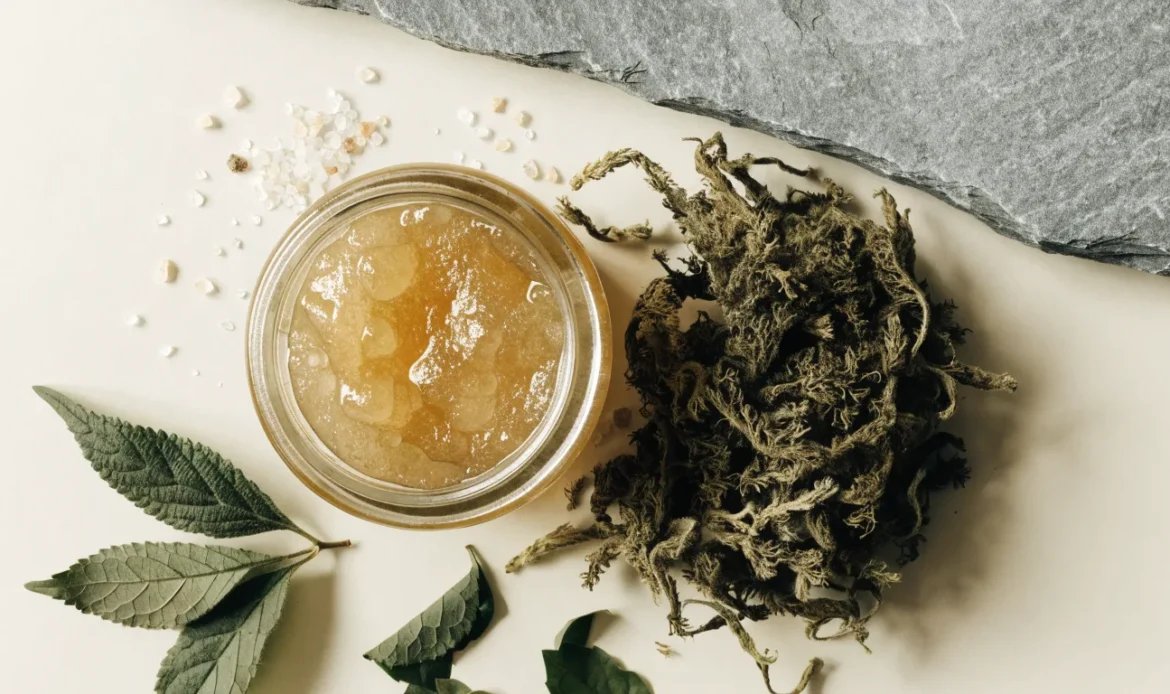
Short answer: Premium sea moss is seaweed sold with clearer quality checks and clearer handling. That usually means the seller provides more detail about where it was harvested, how it was cleaned and dried, and whether any lab testing was done. Premium does not have a single industry definition, so buyers must ask for specifics.
What “premium” means for sea moss
Sellers use the word “premium” in different ways. For one buyer, premium means hand-harvested and sun-dried. For another, it means the product was lab-tested for contaminants. There is no single standard word you can rely on by itself.
Common features that sellers call premium
- Clear labeling about processing. For example, a package might say how the sea moss was dried or cleaned.
- Fewer added ingredients. Premium products often have no dyes or fillers listed on the label.
- Traceability or harvest information. A premium listing may give a harvest area or batch code.
- Testing or certificates. Premium products may come with third-party lab reports for heavy metals, microbes, or iodine.
What “premium” labels cannot prove on their own
- A label that says “premium” does not prove safety or nutrient levels. Only lab tests do.
- Statements about origin are only as good as the traceability documents behind them.
- Marketing photos or words cannot show processing details like how quickly product went from sea to drying.
What you can check before you buy
Ask for or look for:
- Batch or lot numbers and a harvest date or season.
- A recent lab report showing tests that matter to you (heavy metals, microbes, iodine).
- Clear ingredient list with no hidden fillers.
- A seller return policy and contact address.
Formats of premium sea moss and how to choose
Premium sea moss comes in several formats. Each format has trade-offs. Pick the format that fits how you plan to use it.
Raw dried sea moss
- What it is: Whole or cut dried pieces of sea moss.
- Pros: Long shelf life when dry. Easier to inspect visually.
- Cons: You must rehydrate and make gel or cook with it.
Sea moss gel
- What it is: Rehydrated sea moss that has been blended with water into a gel.
- Pros: Ready to use in recipes and smoothies.
- Cons: Shorter fridge life. More handling can hide processing issues unless packaging is clear.
Powdered sea moss
- What it is: Dried sea moss milled into a powder.
- Pros: Easy to measure and add to foods.
- Cons: Harder to visually inspect. Powder may include fillers if label is unclear.
Capsules or tablets
- What it is: Powdered sea moss in pill form.
- Pros: Convenient dosing for some buyers.
- Cons: Less flexible for culinary use. Check the capsule ingredients.
Tinctures or extracts
- What it is: Concentrated liquid extracts of sea moss in other liquids.
- Pros: Smaller volume, easy to add to liquids.
- Cons: Methods and solvents used may vary. Ask about the extraction method.
How to match format to use
- Kitchen use or smoothies: Gel or powder.
- Travel or convenience: Capsules or small jarred gels.
- Bulk or making your own gel: Raw dried sea moss.
How to check sea moss quality before you buy
Below is a practical checklist you can use when evaluating a premium sea moss product. Ask the seller for any missing items you care about.
| Checkpoint | What to look for or ask | Why it matters |
|---|---|---|
| Ingredient list | Clear list with only sea moss and any added water or natural preservatives | To avoid hidden fillers or dyes |
| Harvest/Batch info | Harvest date/season and batch or lot number | Helps with traceability and quality control |
| Lab testing | Third-party lab report for heavy metals, microbes, iodine (if available) | Tests help identify contaminants and extreme iodine levels [4] |
| Packaging | Sealed, labeled with storage advice and contact info | Proper packaging limits contamination |
| Appearance (dried) | Natural color variations, not bright artificial colors; few fragments of sand | Dried pieces are easier to inspect visually |
| Smell | Mild ocean smell; not sour or rotten | Strong off-odors can mean poor handling |
| Texture (hydrated) | Soft and flexible when rehydrated; not slimy or disintegrated | Texture shows if it has been over-processed |
| Seller info | Clear return policy and ways to contact the company | Good service helps if there is a problem |
| Processing method | Sun-dried, mechanically dried, cold-dried—ask which | Drying method affects shelf stability and handling |
| Storage advice | Whether to refrigerate gel and how to store dried product | Keeps product fresh longer |
If the seller cannot provide at least basic answers on harvesting and testing, ask more questions. If they still cannot answer, consider looking elsewhere.
Safety notes: iodine and testing
Seaweeds, including sea moss, can contain iodine. Iodine levels vary a lot between seaweed types and between harvests. This variability means that a single product can be low iodine in one batch and higher in another batch. For that reason:
- If you are concerned about iodine or have a thyroid condition, ask for an iodine test for the batch you plan to buy. Clinical guidance is best discussed with a health professional. Sources that examine iodine and seaweed note wide variability and potential effects on the thyroid [2][5].
- Food-safety surveys show that iodine levels in seaweed products vary by product and source. National food safety groups monitor this and publish results [3].
- Testing for heavy metals and microbes is also relevant. Operation Supplement Safety recommends that sea moss products used as dietary supplements be tested and properly labeled [4].
What lab testing can and cannot tell you
- A lab report can show current levels of specific contaminants in a tested batch. It cannot guarantee future batches will be the same unless the seller tests each batch and provides reports.
- A clean lab report reduces risk. It does not guarantee a health benefit. It simply documents that levels of a tested substance were below the limits or within a given range for that sample.
How premium sea moss is typically processed
Processing steps that affect quality and handling:
- Harvesting: Sea moss is taken from the water. Harvest methods differ. Faster transport from sea to drying usually reduces spoilage.
- Cleaning: Sea moss is rinsed to remove sand and debris. Good cleaning reduces foreign matter.
- Drying: Products may be sun-dried, air-dried, or machine dried. Drying method affects color, texture, and shelf stability.
- Packaging: Proper sealing keeps dried product dry. Gel needs refrigerated packaging.
- Testing and labeling: Premium sellers often have more documentation about these steps.
What sellers sometimes omit
- How quickly the product went from harvest to drying.
- Whether samples from each batch are tested.
- The exact harvest location (some will share region; others will not).
How to prepare and use premium sea moss
Basic steps to make sea moss gel from dried product
- Rinse: Rinse dried sea moss in cool water until water runs mostly clear.
- Soak: Cover with fresh water and soak until soft. Times vary; check product guidance.
- Blend: Add the soaked sea moss with fresh water to a blender and blend until smooth.
- Store: Keep gel refrigerated. Use within the storage guidance on the product label.
Ways to use sea moss gel and powder
- Add to smoothies for texture.
- Blend into soups or sauces as a thickener.
- Use small amounts in baked goods or puddings.
- Use topically as a simple skin mask (test on a small skin area first).
Practical tips
- Make small batches of gel first to learn how you like the texture.
- Use filtered water for soaking if you are concerned about tap taste.
- Keep a clean spoon in the gel jar to avoid introducing microbes.
Buying tips and what to ask the seller
Ask these direct questions before you buy:
- Do you provide a batch-specific lab report? Which tests were done?
- What is the harvest date or season for this product?
- How was this sea moss dried and stored?
- Are there any additives or preservatives?
- What is your return policy if the product does not meet expectations?
Notes on pricing and value
- Higher prices may reflect more testing and tighter processing control. But price alone does not guarantee safety or testing. Ask for documentation.
- For bulk or wholesale purchases, ask about batch testing and handling procedures across the whole shipment.
If you want to try a seller
- Start with a small order so you can inspect and test the product for your needs.
- Keep communication records and any lab reports you receive.
Practical decision checklist
Use this short guide when choosing a premium sea moss product.
Step 1 — Purpose
- Do you want to use it in cooking or as a supplement? Choose gel/powder for cooking. Choose capsules for convenience.
Step 2 — Inspection
- Can you see photos of the actual batch or product? Does it look natural?
- Is packaging sealed and labeled?
Step 3 — Testing
- Can the seller provide a recent lab report? Ask for heavy metals, microbial testing, and iodine if you are concerned.
Step 4 — Ask about processing
- How was it dried and cleaned?
- How long between harvest and drying?
Step 5 — Buy small, test at home
- Try a small amount first.
- Rehydrate and check smell and texture.
Step 6 — Keep records
- Save lab reports and the receipt.
- Note any reactions or issues.
This checklist is a practical way to reduce risk. It does not guarantee safety. Lab tests and clear traceability reduce uncertainty but do not remove it entirely.
Conclusion
“Premium sea moss” is a label that signals the seller believes the product has higher quality controls. But the word alone does not guarantee safety or value. The best way to judge a product is to look for clear labeling, ask for batch-specific test results, inspect appearance and smell, and test a small amount first. If you have thyroid or other health concerns, ask a clinician and request iodine testing for the specific batch. Use the checklist in this guide to make a practical buying decision.
Want to learn more or browse formats? Visit our learning center at Learn more (/learn/). See available product types in our catalog at Shop (/shop/). If you buy in bulk, learn about our options at Wholesale (/wholesale/). For questions or batch reports, contact us at Contact (/contact/). Return to our homepage for general info: Zen Wholesalers (/).
Frequently asked questions
How can I tell if sea moss is real or mixed with fillers?
Check the ingredient list. If the label lists only sea moss and water (for gels), it is less likely to have fillers. For dried or powdered products, ask the seller for a full ingredient declaration and for a batch lab report if you remain unsure.
Is premium sea moss safer than regular sea moss?
“Premium” can mean more documentation and controls. That may reduce some risks. However, safety depends on actual practices and testing, not the marketing term. Ask for test results and batch information.
Should I worry about iodine in sea moss?
Seaweeds can vary a lot in iodine content. People with thyroid concerns should consult a clinician and ask for iodine testing on the specific batch. National and scientific sources note this variability and the potential for high iodine in some seaweed products [2][3][5].
How should I store sea moss gel and dried sea moss?
Keep dried sea moss dry and in a sealed container. Keep gel refrigerated and follow the seller’s storage guidance. Use a clean spoon each time to reduce contamination.
Can I use sea moss every day?
Use frequency depends on your reason for using it and any health considerations. Because seaweed iodine content varies, talk with a clinician about regular use if you have health concerns. Testing of the batch helps inform safe use.
What should I ask a seller if I buy wholesale?
Ask for batch testing protocols, handling and packaging procedures, lead times, traceability details, and a copy of their return policy. For wholesale, ask how they sample and test larger shipments.
References
- Harvard T.H. Chan School of Public Health, “Seaweed.” https://nutritionsource.hsph.harvard.edu/seaweed/
- Smyth PPA. “Iodine, Seaweed, and the Thyroid.” European Thyroid Journal, 2021. https://pmc.ncbi.nlm.nih.gov/articles/PMC8077470/
- Food Standards Australia New Zealand, “Survey of iodine levels in seaweed and seaweed containing products,” updated 2025. https://www.foodstandards.gov.au/science-data/monitoring-safety/surveyofiodinelevels
- Operation Supplement Safety, “Sea Moss in Dietary Supplements.” https://www.opss.org/article/sea-moss-dietary-supplements
- Blikra MJ et al. “Consequences of acute and long-term excessive iodine intake: A literature review focusing on seaweed as a potential dietary iodine source.” 2024. https://doi.org/10.1111/1541-4337.70037