
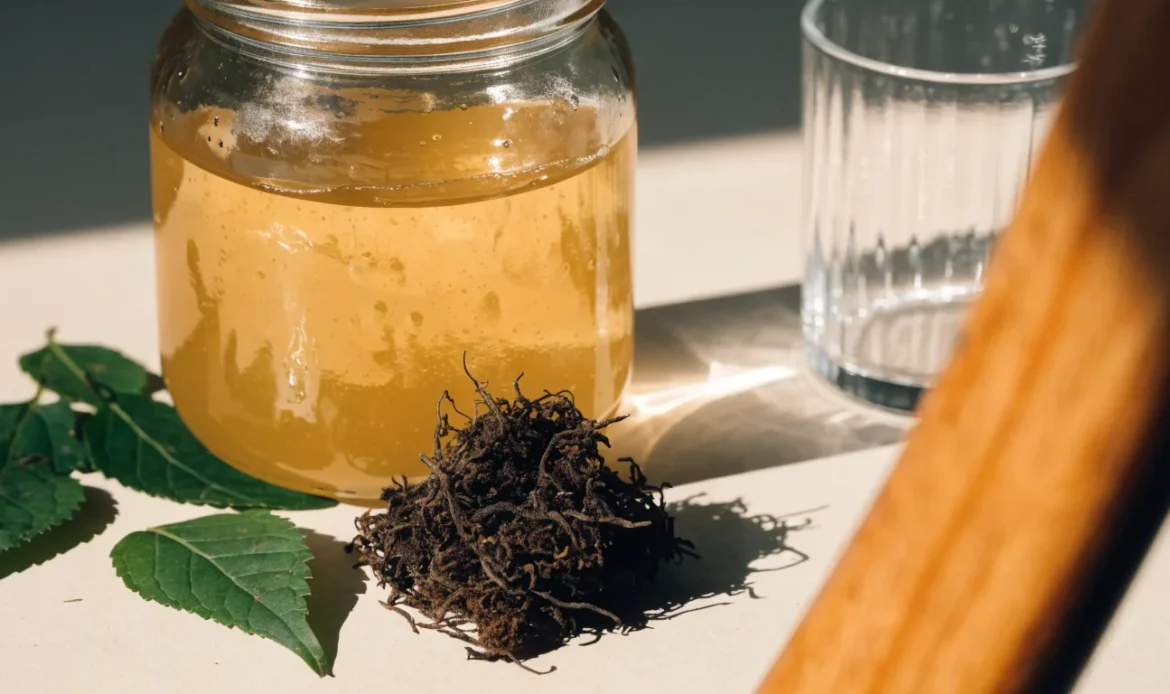
Short answer: Sea moss has practical uses as a food ingredient and a source of minerals and fiber for some people. It also carries real risks because iodine and other components vary a lot, and supplements can be inconsistent. Read the pros and cons below, then use the decision checklist to pick the right format and seller for your needs.
What is sea moss?
Sea moss is a common name for certain red seaweeds used as food and ingredient. People use it dried, cooked, blended into gels, ground into powders, or put in capsules. It is part of the broader group called seaweed, which includes many species with different textures and colors. Seaweed can contain minerals and fiber and is eaten in many coastal cuisines around the world [1].
Sea moss is more a food ingredient than a single defined medicine or nutrient. That means its make-up can vary by species, where it grew, time of year, and how it was processed. Those differences matter for both the benefits and the risks. The rest of this article explains those differences and helps you make a safe choice.
Quick list of the main sea moss pros and cons
- Pros: culinary uses, texture and thickening, source of fiber and minerals, plant-based ingredient formats, many product formats to fit use.
- Cons: iodine and mineral levels are highly variable; possible contamination; inconsistent supplement quality; potential interactions with thyroid conditions or medications.
Now read the full details so you can judge what matters most for you.
Sea moss pros — what people use it for
These are common, real reasons people choose sea moss. These points describe what sea moss can do in a kitchen or as a supplement ingredient. None of them promise a medical effect.
- Culinary uses and texture
Sea moss can make foods thicker or smoother. It is used as a gelling or binding agent in drinks, desserts, and recipes. For people who cook plant-based foods, it can replace some animal-based thickeners.
- Source of fiber and minerals (varies)
Seaweed in general contains fiber and a range of minerals. Sea moss may contribute dietary fiber and trace minerals as part of a mixed diet [1]. Exact amounts differ by species and harvest.
- Plant-based and multi-format ingredient
Sea moss is sold dried, as gel, as powder, and in capsules. That lets people choose a form that fits their recipe, convenience, or storage needs.
- Culinary tradition and flavor profile
Some cooks prefer a mild ocean flavor as part of certain dishes. Sea moss can add subtle flavor or mouthfeel without strong fishiness when prepared correctly.
- Shelf-life and storage options (product dependent)
Dried sea moss and sealed powders can be stored longer than fresh gel. Gel and fresh forms need refrigeration. Labels should tell you how to store each product.
These pros are about use and convenience. They are not claims that sea moss will fix health problems or produce specific medical effects.
Sea moss cons — seamoss cons you should know
These downsides matter more for safety and for people with certain health conditions. Read them carefully.
- Iodine content is variable and can be high
Seaweed can contain iodine. The amount depends on species, place and season of harvest, and processing. Some seaweeds have high iodine; others have less. That variability makes it hard to predict how much iodine a serving will provide. Excess iodine can affect the thyroid in sensitive people, so the uncertainty is important to note [2][3][5].
- Supplements and products can be inconsistent
Commercial sea moss supplements vary in content and quality. Some products do not list iodine or mineral amounts. Others may mix species or include additional ingredients. Independent testing or clear product lab reports are the most reliable way to know what is in a given product [4].
- Possible contamination with pollutants or heavy metals
Seaweed grows in the ocean and can accumulate environmental contaminants. The risk depends on where it was harvested and how it was processed. This is not a claim that all sea moss is contaminated, but it is a known reason to prefer verified sources and testing [1].
- Digestive changes and texture sensitivity
Some people notice changes in digestion, gas, or stool when they start new fiber sources. Sea moss is a fiber-rich seaweed; initial digestive changes are possible. If you have a sensitive stomach, start with small amounts and watch how you feel.
- Interaction concerns for certain people
People with thyroid conditions, or who take thyroid medicines, should be cautious because of iodine variability. Pregnant people, people breastfeeding, and those with known iodine sensitivity should consult their clinician before regular use. Research on iodine and seaweed suggests extra care for these groups [2][5].
- Product preparation and storage mistakes
Homemade gel or improperly stored products can spoil. Follow label storage instructions and use clean equipment when making or handling sea moss gel.
These seamoss cons are about uncertainty and quality control. You can manage many of them by choosing tested products and by consulting a clinician when needed.
How to read the evidence and the limits of current knowledge
Seaweed nutrition and safety are well-studied in some fields, but many variables affect any single product. Here are practical points about what the science can and cannot tell you.
- What science can tell you
Studies and reviews show seaweed can contain important minerals and that iodine content varies widely by species and harvest. Reviews also document that excessive iodine intake can affect the thyroid [2][5]. Food safety agencies monitor iodine in seaweed products and publish survey results showing variability [3]. Consumer-safety groups note variability in supplements and recommend testing and clear labeling [4].
- What science cannot tell you for an individual jar or batch
You cannot know the iodine or contamination level of a single product without testing it. Published averages or surveys help show patterns, but they do not guarantee the content of any specific brand, harvest, or batch. That makes label transparency and third-party testing meaningful.
- What to watch for in product claims
Clear labels that state species, harvest region, and lab testing are useful. Labels that do not list any specifics or that promise broad health benefits without data should raise questions. Independent lab reports are the best way to reduce uncertainty.
Formats: which sea moss form fits your needs?
Below are common forms and practical notes to help you choose.
- Dried raw (whole pieces)
Pros: long storage, versatile for recipes.
Cons: needs soaking and cleaning; quality depends on harvest.
- Prepared gel (soaked and blended)
Pros: ready for smoothies and desserts; easy to use.
Cons: perishable; requires refrigeration; batch quality varies.
- Powder (freeze-dried or ground)
Pros: easy to measure; shelf-stable if sealed.
Cons: processing steps may change nutrient profile; check label for additives.
- Capsules or tablets
Pros: convenient dose form, no mixing needed.
Cons: contents vary; may hide ingredient amounts; often lack species or iodine info.
For any format, choose sellers who give clear sourcing and testing details.
How to shop safely: questions to ask and checks to make
When you shop for sea moss, these items help you reduce risk and choose a product that matches your needs.
- Ask for species or type name. Different species can vary in mineral content.
- Ask where and when it was harvested. Location and season affect composition.
- Ask for third-party lab reports or certificates if available. Look for tests that list iodine and contaminants.
- Check the ingredient list and other additives. Some products are blends or include stabilizers.
- Check storage and use instructions carefully, especially for gels.
- For capsules and powders, ask about standardization and testing for heavy metals or contaminants.
- If you have thyroid disease, are pregnant, or take thyroid medicine, consult a clinician before regular use.
These checks will not eliminate all uncertainty, but they help you make a more informed decision.
Practical decision checklist
Use this checklist to decide which format or product to buy. Answer the questions for yourself, then follow the guidance.
- Purpose: Why do I want sea moss? (food thickening, recipe use, supplement convenience)
- If culinary: favor dried or gel forms.
- If convenience: consider powder or capsule.
- Need for dosing info: Do I need predictable iodine or mineral amounts?
- If yes: look for products with third-party lab testing that list iodine and mineral content.
- If no: choose a product for taste and texture, but be cautious with frequency.
- Storage and shelf life: Can I refrigerate if needed?
- If you cannot refrigerate: choose sealed dried or powder formats.
- Medical factors: Do I have thyroid issues, pregnancy, or other health concerns?
- If yes: speak to a clinician before starting sea moss regularly.
- Quality checks: Does the product list species, harvest source, processing, and testing?
- If yes: this is a positive sign.
- If no: ask seller for clarification or choose another product.
Decision table (short guide)
| Use case | Best formats | Key questions to ask |
|---|---|---|
| Cooking & texture | Dried pieces, prepared gel | Is it species-stated? How should I rehydrate? Any rinsing steps? |
| Daily convenience | Powder | Is it pure sea moss? Any additives? Any test results? |
| Supplement form | Capsules/tablets | Are batch tests available? What is the serving content? |
| Wholesale or large quantity | Dried bulk | What harvest dates and testing are provided? Is there traceability? |
Follow the checklist before buying. If testing is not available and iodine content matters to you, reconsider frequent use.
Practical handling and preparation tips
- Clean and rinse dried sea moss well before use. This is a standard kitchen step to remove sand or debris. Rinse until the water clears, then soak according to the recipe or label directions [1].
- Prepare gel with clean equipment. Homemade gels should be refrigerated and used within the time recommended by food-safety guidance or the product label.
- If you buy prepared gel, check the label for storage temperature and “use by” guidance. Do not leave gel at room temperature unless label permits it.
- For powders and capsules, store them sealed and dry, away from heat and humidity.
These are common-sense food-safety steps. They help reduce spoilage and visible debris issues.
Next steps and useful guides
If you want more detail, use these internal resources:
- Learn general product types and care at our main learning hub: Learn.
- Browse product formats and see what we offer: Shop.
- If you need large quantities or wholesale options: Wholesale.
- Questions or custom orders? Contact our team: Contact.
- Return to the homepage for company background and resources: Home.
These links point you to practical next steps. Use them to compare formats and check seller transparency.
Conclusion
Sea moss can be a useful food ingredient and a convenient way to add seaweed to meals. The main pros are culinary utility and being a plant-based source of fiber and minerals. The main seamoss cons are uncertainty around iodine and other minerals, possible contamination, and inconsistent supplement labeling. Those downsides are not reasons to avoid sea moss entirely. They are reasons to ask clear questions, prefer products with testing or transparent labels, and talk with a clinician if you have thyroid issues, are pregnant, or take related medications.
Use the decision checklist in this article to choose the right format for your needs. If you are unsure about a product’s content or safety, ask the seller for test results or pick a product with documented lab data. That approach reduces risk and helps you make a practical choice.
Frequently asked questions
What are the main sea moss pros and cons?
Pros include culinary use, texture, and being a plant-based source of fiber and minerals. Cons include high and variable iodine, possible contaminants, and inconsistent supplement labeling. You should check product details and consult a clinician if you have health concerns [1][2][4].
Is sea moss safe for people with thyroid conditions?
Sea moss can contain iodine, and iodine may affect thyroid function in some people. Because iodine content varies, people with thyroid disease or anyone taking thyroid medicine should speak with their clinician before regular use [2][5].
How do I know if a sea moss product is tested?
Look for labels that reference third-party testing, certificates of analysis, or lab reports that list iodine and contaminant results. If a seller cannot provide testing information or specific ingredient details, treat that as a red flag [4].
Are there different colors or species of sea moss, and do they matter?
Yes. There are different species and colors (red, gold, purple-brown tones). Species differences and harvest conditions can affect texture and mineral content. Ask the seller which species is offered and how they process it. Species alone does not tell you exact iodine or contaminant levels [1].
Can I make my own sea moss gel safely?
You can make gel at home using dried sea moss, water, and clean equipment. Rinse thoroughly, soak, blend, and refrigerate. Be mindful of storage time and follow food-safety best practices. Homemade gel does not have lab testing, so you cannot know iodine or contaminant levels without independent analysis.
How should I store sea moss products?
Store dried sea moss and sealed powders in a cool, dry place. Prepared gels usually need refrigeration. Always follow the product label. If storage instructions are missing, ask the seller before buying.
References
- Harvard T.H. Chan School of Public Health, “Seaweed.” https://nutritionsource.hsph.harvard.edu/seaweed/
- Smyth PPA. “Iodine, Seaweed, and the Thyroid.” European Thyroid Journal, 2021. https://pmc.ncbi.nlm.nih.gov/articles/PMC8077470/
- Food Standards Australia New Zealand, “Survey of iodine levels in seaweed and seaweed containing products,” updated 2025. https://www.foodstandards.gov.au/science-data/monitoring-safety/surveyofiodinelevels
- Operation Supplement Safety, “Sea Moss in Dietary Supplements.” https://www.opss.org/article/sea-moss-dietary-supplements
- Blikra MJ et al. “Consequences of acute and long-term excessive iodine intake: A literature review focusing on seaweed as a potential dietary iodine source.” 2024. https://doi.org/10.1111/1541-4337.70037