
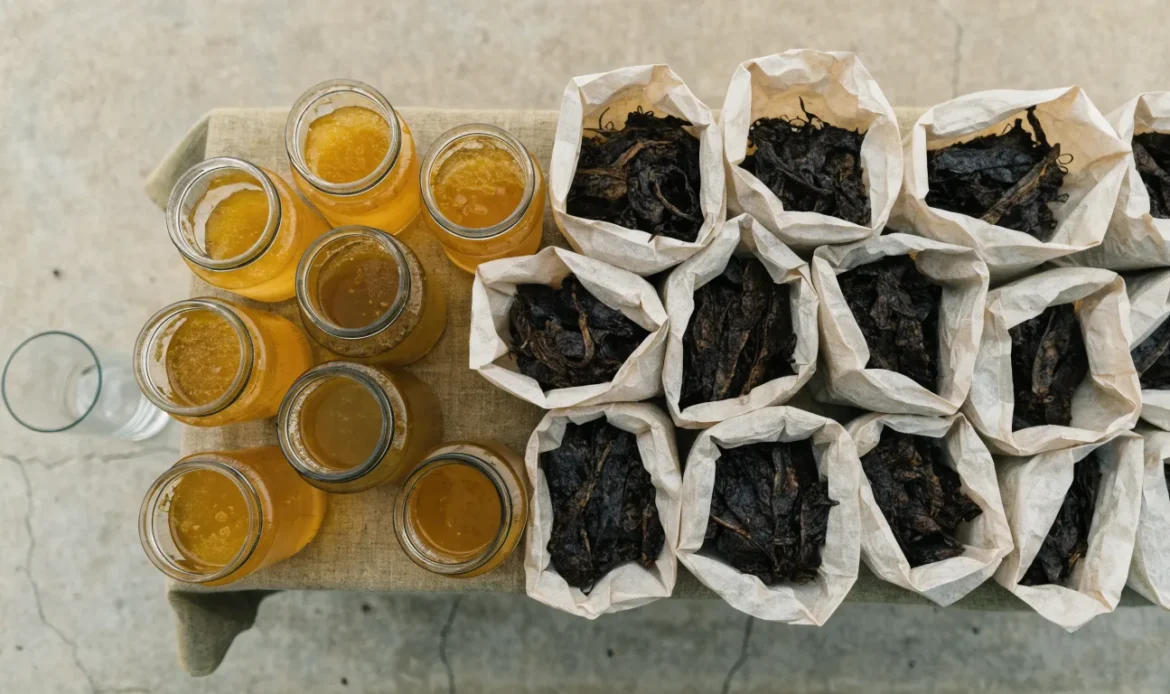
Short answer: Yes — you can often find “organic” sea moss near you, but the label alone is not proof. Check certification, testing, and seller transparency. If you need help deciding, use the checklist below to compare local stores, markets, and online sellers.
Why this matters: sea moss is sold in many forms. Labels vary. A clear shopping plan helps you avoid common problems and pick the format you prefer.
How to use this guide: Read the quick checks. Use the decision checklist when you shop. If you want more context, read the sections below that explain terms, safety, and buying options.
What “organic” can mean for sea moss
“Organic” usually refers to farming and processing rules set by an official body. For plant foods grown on land, organic certification covers soil, pesticides, fertilizers, and handling. For seaweed, the system is less uniform worldwide. That makes the claim “organic” more complicated for sea moss.
- Some countries or certifiers offer seaweed or aquaculture organic standards. These rules vary.
- A plain “organic” label on a packaged product does not always say which certifier made the claim. Ask which agency issued the certification.
- Even with organic farming, seaweed can absorb minerals and contaminants from seawater. Certification does not guarantee specific nutrient levels or the absence of all contaminants. For this reason, look for recent test results or a certificate of analysis (COA) when possible.
What you can check quickly:
- Is a certifier named on the label?
- Can the seller show a certificate or a certifier website link?
- Does the product list a harvest location or a packing facility?
Remember: labels can help, but they do not answer every safety or quality question.
Common forms of sea moss you may find nearby
Formats influence storage, use, and shelf life. Each format has pros and cons.
- Raw / dried sea moss (whole): The whole sea moss is harvested and dried. It is shelf-stable if kept dry. You usually rehydrate and rinse it before use.
- Sea moss gel (ready-to-use): Rehydrated and blended into a gel. Easy to add to foods. Gel needs refrigeration and has a shorter shelf life.
- Powdered sea moss: Dried and ground into a powder. Easy to measure and add to smoothies. Powder can be packaged in jars or packets.
- Capsules / tablets: Powdered sea moss in pills. Convenient but may contain fillers or other ingredients.
- Blended products: Sea moss mixed with other herbs or fillers. Read the ingredient list.
When comparing, ask how the product was processed and what preservative steps were used. Processing method affects taste, texture, and how you will use the product.
How to verify organic claims and product quality
Labels alone do not tell the whole story. Use these steps when you find “organic sea moss near me.”
- Ask for certification details
- Request the name of the certifier and the certificate number.
- Look up the certifier online to confirm it covers seaweed or aquaculture.
- Ask for a Certificate of Analysis (COA)
- A COA is a lab report that lists what was tested and the results.
- Useful tests include heavy metals, microbiology, and iodine content.
- A COA gives a snapshot for a batch, but it does not guarantee every batch will match.
- Check ingredient and origin labeling
- Does the package list an origin (region or country)?
- Is there a harvest or pack date?
- Is the product single-ingredient sea moss or a blend?
- Check storage and handling in the shop
- Dried sea moss should be kept dry and away from strong odors.
- Gel products must be refrigerated.
- Ask how the seller stores returned or older stock.
- Ask about small-batch traceability
- Some sellers can tell you the harvest date and batch number.
- Traceability is useful when products are tested.
What labels cannot prove
- Exact mineral or iodine levels without a COA.
- Absence of all contaminants unless lab-tested.
- Safety for people with specific medical conditions; that requires personal medical advice.
Caution: If a seller refuses to name a certifier or will not provide a COA upon request, treat their “organic” claim with caution.
Safety notes: iodine and contaminants
Seaweeds, including sea moss, can contain iodine and other minerals. Iodine levels vary by species, location, and season. High iodine intake can affect thyroid function in some people. For safety, people with thyroid conditions or who take certain medications should speak with a healthcare professional before adding concentrated seaweed products to their diet [2][5].
Key points from public guidance and research:
- Iodine content varies widely in seaweeds and seaweed products. Labels rarely tell exact iodine amounts unless a lab test is done [1][3].
- Excessive iodine intake can cause both short-term and long-term thyroid effects in sensitive individuals [5].
- Independent testing of products is the only way to know iodine and contaminant levels for a given batch [2][4].
If you have thyroid disease, are pregnant, or take medicines that interact with iodine, ask your healthcare provider about seaweed use. Do not rely on seller claims alone.
References for these points: Harvard School of Public Health on seaweed and iodine variability [1]; review articles on iodine and seaweed effects [2][5]; national surveys showing variable iodine levels in seaweed products [3]; consumer safety resources on sea moss supplements [4].
Where to look: local shops, markets, and online options
You can look in several places when searching for organic sea moss near you. Each option has trade-offs.
Local options:
- Health food stores and co-ops
- Pros: Staff may answer questions. You can inspect packaging in person.
- Cons: Stock may be limited.
- Ethnic grocery stores and fish markets
- Pros: Some carry fresh or dried seaweed and may source from specialized suppliers.
- Cons: Certifications and testing may not be provided.
- Farmers’ markets and local sellers
- Pros: Chance to ask direct questions about sourcing and processing.
- Cons: Informal sellers may lack formal certification or testing.
- Natural product fairs or pop-up vendors
- Pros: Meet sellers and learn about their practices.
- Cons: Variable documentation.
Online options:
- Brand websites and online marketplaces
- Pros: Often more product variety and more space to post COAs, certificates, and detailed product pages.
- Cons: You cannot inspect product in person. Shipping affects price and timing.
- Wholesale suppliers (if you need bulk)
- Pros: May offer larger quantities and batch documentation.
- Cons: Minimum order sizes and different return policies.
When you find a product online, ask the seller for the COA and certifier details if they are not already published.
Practical decision checklist: buying organic sea moss near me
Use this checklist in stores or when contacting sellers. Print it or save it on your phone.
| Check | Yes / No / Ask | Why it matters |
|---|---|---|
| Is a certifier named on the label? | · Shows which standard is claimed | |
| Can the seller show a certification document? | · Confirms the certifier named the product | |
| Is a COA (lab report) available for the batch? | · Shows results for contaminants and iodine | |
| Is the origin or harvest location listed? | · Helps evaluate environmental risk and traceability | |
| Is there a harvest or pack date? | · Helps judge freshness, especially for gel | |
| Are ingredients and other additives listed? | · Reveals blends or fillers | |
| Is the product single-ingredient sea moss? | · Easier to compare across sellers | |
| Is storage in the shop appropriate (dry or refrigerated)? | · Prevents spoilage or cross-contamination | |
| Are returns and shelf-life policies clear? | · Important if you have concerns after purchase | |
| Can the seller explain processing steps (drying, washing, heating)? | · Processing affects use and safety | |
| Is packaging intact and labeled with batch info? | · Batch info helps with COA matching |
How to use the checklist:
- Ask the seller these questions in person or by message.
- If answers are missing or vague, request documents.
- Keep a copy of the COA and certificate for your records.
How to compare formats for your needs
Short guide to pick a format that fits your lifestyle.
- You want convenience: Choose gel or capsules. Check refrigeration needs and ingredient lists.
- You want control over preparation and storage: Choose dried sea moss or powder.
- You plan to use large amounts or sell: Ask wholesale sellers about batch COAs and shelf stability.
Also consider taste, texture, and how you intend to use sea moss in recipes.
Questions to ask sellers of “organic sea moss near me”
- Which certification body issued your organic claim?
- Can you share the certification document?
- Can you provide a recent COA for this batch?
- What species of sea moss is this?
- Where and when was it harvested?
- How was it processed and stored before sale?
- What is the shelf life and recommended storage?
- Do you have the batch or lot number on the package?
These questions help establish transparency. Transparent sellers usually answer directly or provide documents.
When to be cautious
- No certifier named or no certificate provided.
- No COA available after you request it.
- Vague origin, no harvest/pack date.
- Very low price that seems inconsistent with market norms (may indicate unknown sourcing).
- Sellers that avoid questions about testing or processing.
A cautious approach does not imply danger in every case. It simply means you should seek more information before buying.
Useful next guides and links
- Learn more about sea moss basics and safe preparation at our learn hub: Learn.
- If you want a deeper guide on how to prepare dried sea moss, see this step-by-step in our learning section: Preparation Guide.
- Browse product types and formats in our shop: Shop.
- If you need bulk quantities or product documentation, contact our wholesale team: Wholesale.
- Have a question or need documents before you buy? Reach out to us: Contact.
- Return to our homepage for general info: Home.
(Note: These links point to our informational and contact pages so you can request certifier details and COAs directly.)
Conclusion
Finding organic sea moss near you is possible. But “organic” on a label is only one part of the story. Ask for certifier names, a certificate of organic status, and a recent COA for the batch. Check packaging for origin, batch number, and pack date. Inspect storage and ask sellers clear questions about processing. If you have a thyroid condition or other health concerns, consult a healthcare professional before using concentrated seaweed products. Use the decision checklist when shopping. That will help you compare options and make an informed choice.
Frequently asked questions
Can a seller label sea moss “organic” without proof?
Some sellers do. A label alone is not proof. Ask for the certifier name and the certificate document. If the seller cannot provide those details, treat the claim with caution.
Will “organic” mean the sea moss has less iodine or contaminants?
Not necessarily. Organic certification focuses on production and processing rules. It does not guarantee specific iodine levels or the absence of contaminants. A lab report (COA) is needed to know those numbers [1][3].
How do I read a COA?
A COA lists what was tested and the results. Look for tests for heavy metals, microbiology, and iodine. Note the date and whether the COA applies to the batch you are buying. If you do not understand a COA, ask the seller to explain or consult a lab or qualified third party.
Is fresh sea moss better than dried?
“Better” depends on use. Fresh or gel is ready to use and convenient. Dried is shelf-stable and gives you control over cleaning and preparation. Both need proper handling and storage.
Should I avoid sea moss if I have a thyroid condition?
People with thyroid conditions should consult a healthcare professional before using seaweed products. Seaweeds can contain variable iodine levels, and excessive iodine can affect thyroid function in some people [2][5].
Can I buy sea moss wholesale for resale?
Wholesale options exist. If you plan to resell, ask wholesalers for batch COAs, certification documents, and traceability info. Also check local rules for labeling and food safety.
References
- Harvard T.H. Chan School of Public Health, “Seaweed.” https://nutritionsource.hsph.harvard.edu/seaweed/
- Smyth PPA. “Iodine, Seaweed, and the Thyroid.” European Thyroid Journal, 2021. https://pmc.ncbi.nlm.nih.gov/articles/PMC8077470/
- Food Standards Australia New Zealand, “Survey of iodine levels in seaweed and seaweed containing products,” updated 2025. https://www.foodstandards.gov.au/science-data/monitoring-safety/surveyofiodinelevels
- Operation Supplement Safety, “Sea Moss in Dietary Supplements.” https://www.opss.org/article/sea-moss-dietary-supplements
- Blikra MJ et al. “Consequences of acute and long-term excessive iodine intake: A literature review focusing on seaweed as a potential dietary iodine source.” 2024. https://doi.org/10.1111/1541-4337.70037