
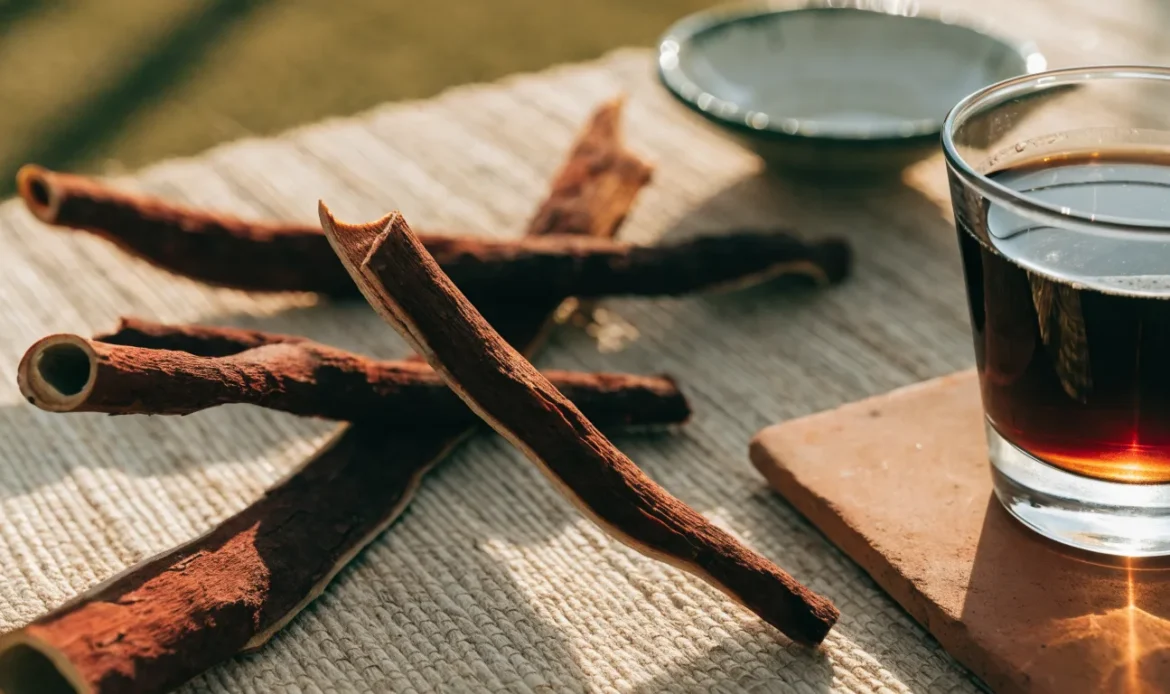
Short answer: The mauby tree is a small Caribbean tree (mainly Colubrina elliptica and related Colubrina species) whose dried bark is brewed or fermented to make the traditional Caribbean drink called mauby (also mabi, mavi, or mabi). You can buy bark as dried pieces, powder, concentrates, or bottled mauby. Check species name, packaging, sight and smell, and simple safety items before you buy.
Why this matters now: people choose mauby for taste, culture, and home brewing. This guide explains the tree, how the bark is used, how to prepare it safely at home, and practical checks to make good buying decisions.
What is the mauby tree?
- The common name “mauby” (also spelled mabi, mavi, mawby, or maubi) refers both to the drink and to trees in the genus Colubrina whose bark is used to make it. The most commonly cited species are Colubrina elliptica and Colubrina arborescens. These are small evergreen trees native to the Caribbean region, parts of Florida, and nearby tropical areas. (powo.science.kew.org)
- Appearance in brief: mauby trees are usually shrubs or small trees. They have a smooth bark and can grow in coastal and inland habitats of the Caribbean. Local names and uses vary by island and language. (fairchild.gardenexplorer.org)
- Botanical note: Colubrina is in the buckthorn family (Rhamnaceae). Multiple Colubrina species may be used for the drink depending on local availability; some pick the bark of one species over another for flavor. If species identity matters to you, ask the seller for the Latin name. (en.wikipedia.org)
What is “mauby” (the drink) and how is the bark used?
- Basic definition: Mauby is a beveragestradition in the Caribbean. Makers steep or boil the wood bark, add spices (common spices include cinnamon, anise or star anise, cloves, and sometimes citrus peel), sweeten to taste, and optionally ferment a bit to build a mild effervescence. The final flavor is usually bittersweet and aromatic. Preparation methods and sweetness vary by island and by household. (figaroshakes.com)
- Two common preparation styles:
- Quick brew (non-fermented concentrate): Bark and spices are simmered, strained, sweetened, and chilled. This yields a straightforward soft drink-style mauby.
- Fermented mauby (traditional method): After boiling and sweetening, a small amount of a previous batch or a culture is added and the mixture is left at room temperature a few days for a mild natural fermentation and gentle fizz. Fermented versions can have a slightly sharper, more complex taste. Recipes and timing differ across the Caribbean. (figaroshakes.com)
- What part of the tree is used: primarily the dried bark. Some traditional recipes also use other parts (less commonly leaves or fruit) in certain islands, but dried bark is the most common commercial form. (powo.science.kew.org)
How to identify, inspect, and buy mauby bark: practical decision guide
When you plan to buy mauby bark (dried bark, powder, concentrate, or bottled mauby), use this short checklist and the decision table below to pick the form that fits your needs.
Checklist — quick pre-buy questions
- Is the species listed (Latin name such as Colubrina elliptica or C. arborescens)? Ask if unclear.
- Does the seller describe harvest and drying methods? (sun-dried, kiln-dried, or packaged from a supplier)
- Is packaging intact and sealed? Any signs of moisture or mold inside the bag?
- Does the product have a neutral, woody aroma (not sour, musty, or chemically strong)?
- For powders or concentrates: is there a safety or contact email you can ask about processing?
- For bottled mauby: is an ingredients list and best-by date present?
- If buying wholesale: request photos of inventory, and ask about lot-to-lot consistency.
Decision table — product form, common pros, what to check
| Product form | Typical use | Pros | What to check before buying |
|---|---|---|---|
| Dried bark (chunks/strips) | Home brewing (boil or ferment) | Long shelf life if dry; most traditional | Look for clean, dry pieces; no mold, no foreign matter; species name; sealed packaging. (ufdcimages.uflib.ufl.edu) |
| Powdered bark | Quick brewing, tinctures, blends | Easier to steep; good for fast extraction | Fine powder may hide contaminants; check supplier transparency and smell for rancidity or chemical odor. (iplantz.com) |
| Concentrate / syrup | Ready-to-dilute at home | Convenient, consistent taste | Check ingredients, sugar level, and storage instructions. Look for production date. |
| Bottled (ready-to-drink) | Immediate consumption | No prep needed | Check label, ingredient list, and shelf date. For carbonation, check packaging pressure safety. |
| Wholesale bulk | Foodservice or resale | Cost-effective for large use | Ask for photos, species name, harvest method, drying and packing details, and sample lots. |
(Use the table to decide which form fits your kitchen or business needs. For wholesale, request samples before committing to a large order.)
Sources that support botanical identity and traditional use: Kew and botanical gardens list Colubrina species as the primary sources; cultural and recipe pages document the brewing and fermentation practices.
How to prepare mauby at home — two simple methods
Note: these are basic, practical outlines. Recipes and amounts vary by household and island. Taste as you go.
1) Quick mauby concentrate (non-fermented)
- Rinse 1–2 ounces (small handful) of dried mauby bark under cool water to remove dust.
- Put bark in a pot with 1–2 quarts of water.
- Add spices: a cinnamon stick, a few crushed cloves, and 1–2 star anise or a half teaspoon of aniseed. Add a strip of orange peel if you like.
- Simmer gently for 20–40 minutes, then remove from heat and let cool for another 30 minutes.
- Strain into a jar. Add sugar or sweetener to taste while still warm so it dissolves. Chill before drinking. Dilute concentrate with cold water or soda water as desired. (jiggerandjoy.com)
2) Traditional lightly fermented mauby
- Follow the quick-brew steps, but add extra sugar (this feeds the ferment).
- After cooling to room temperature, add 1–2 tablespoons of a previous mauby batch (or a “starter” such as a small amount of ginger bug or commercial yeast, if you use one).
- Cover with a cloth and leave at room temperature 24–72 hours. Check every 12 hours. When a mild fizz and pleasant aroma develop, refrigerate to slow fermentation.
- Taste and adjust sweetness. Fermentation times and flavors differ widely by recipe and climate. (figaroshakes.com)
Home prep notes and safety tips
- Keep everything clean and use sanitized jars for storage.
- If you see fuzzy mold, strong off smells, or film growth, discard the batch. Mild cloudiness and gentle fizz can be normal in fermentation; mold or strongly sour or rotten smells are not. If unsure, err on the side of caution.
- Store concentrates and finished bottles in the refrigerator. For fermented mauby, refrigeration slows fermentation and preserves flavor.
Quality and safety: what you can check, and what you cannot prove without testing
What you can check yourself
- Visual inspection: bark should look dry and woody; no dark wet spots, powdery white mold, or insects.
- Smell: woody, slightly bitter or aromatic. Strong chemical or rotten smells indicate problems.
- Packaging: sealed, labeled, and with contact info for the seller helps traceability.
- Seller transparency: ask which Colubrina species is used, where it was harvested, and how it was dried. Sellers who can answer clearly usually have better traceability.
What simple checks cannot prove
- Chemical residues, pesticides, or heavy metals in wild-harvested bark cannot be determined by smell or sight. Only lab tests can confirm those. If this is a concern, ask the supplier for test reports or for product sourced from suppliers who provide testing documentation.
- Microbiological contamination (pathogens) in bulk dry goods: visual inspection doesn’t confirm safety. Proper drying and clean handling reduce risk, but they do not replace testing.
Why transparency matters: mauby bark is often wild-harvested. Good suppliers will share harvest and drying practices, and will be willing to supply lot photos or sample material. If you need to use bark in commercial food production, require documented sourcing and, if appropriate, lab testing for contaminants.
For clarity: mauby is a tree bark product, not a seaweed or sea moss product. Seaweed and sea moss are marine algae and have different safety concerns (for example, variable iodine and possible heavy metals). If you purchase both kinds of ingredient for your kitchen, keep sourcing and safety rules separate for plant bark and for marine products. For background on seaweed safety issues (iodine, heavy metals), see authoritative food and health sources.
Buying mauby bark for a business or wholesale
If you are buying mauby bark in bulk or for resale, add these steps:
- Request a sample lot before a full order.
- Ask for species identification and whether the supplier uses Colubrina elliptica or another Colubrina species. Different species can yield different flavors. (powo.science.kew.org)
- Ask how the bark was processed (sun-dried vs kiln-dried), and whether it was stored in a dry, ventilated area.
- Ask for photos of storage and packing facilities and for typical packaging units (kg/lb).
- If you intend to sell finished drinks, check local food regulations on fermented drinks and bottled products.
If you are interested in wholesale options from Zen Wholesalers, see our Caribbean botanicals collection and wholesale page for contact and availability: /shop/caribbean-botanicals/ and /wholesale/. For general product browsing go to /shop/ or the homepage /. If you want to ask about product details or place a custom order, please reach out at /contact/. (These links will connect you with product listings and ordering pathways.)
Practical checklist — quick buyer readiness guide
Use this before you buy:
- [ ] Seller lists Latin species name (e.g., Colubrina elliptica)
- [ ] Packaging sealed, labeled, and not damp
- [ ] No visible mold, insects, or strong off-odors
- [ ] Seller provides harvest/drying description
- [ ] For bulk: a sample or photos are provided before order
- [ ] For powdered/concentrate: supplier contact and processing notes are given
- [ ] If you will sell finished food/drink: supplier will provide traceability info suitable for your local food authority
If any checklist item fails, ask questions or request a different lot.
Flavor, culinary uses, and serving ideas
- Flavor profile: bittersweet, woody, and aromatic. Many people pair it with citrus and cooling ice; it can be made carbonated by fermenting or adding soda water. Sugar levels vary by recipe. (caribsoulbites.com)
- Common culinary uses:
- Chilled refreshment served over ice.
- Mixer for mocktails or cocktails (use sparingly and taste first).
- Ingredient in small-batch specialty beverages for cafes or Caribbean-themed menus.
- Concentrate can be used like a syrup to flavor sparkling water or iced teas. (food.com)
Remember: because recipes differ by island, try a few small batches and adjust spice and sugar levels until you find the balance you prefer.
Conclusion
The mauby tree and its bark are an important Caribbean culinary ingredient. Dried bark from Colubrina species is the traditional base for mauby, which can be brewed quickly or fermented for a mildly fizzy drink. When buying, focus on seller transparency, visible product quality, and simple safety checks. If you plan to use mauby commercially or need strict guarantees, ask suppliers for samples and documentation. Mauby is distinct from sea moss or seaweed; treat each ingredient with its own sourcing and safety checklist.
If you want help selecting a form for your kitchen or business, we can show product photos, explain typical lot sizes, and provide sample requests—start at /shop/caribbean-botanicals/ or reach out via /contact/. For wholesale needs see /wholesale/, and for general browsing visit /shop/ or the home page /.
Continue reading
Frequently asked questions
What species make mauby bark?
The most commonly cited species are Colubrina elliptica and Colubrina arborescens. Local preferences vary by island. Always ask the seller for the Latin name if species identity matters.
Is mauby the same as sea moss or seaweed?
No. Mauby is brewed from tree bark (Colubrina species). Sea moss and other seaweeds are marine algae and are different ingredients with different safety considerations. If you are concerned about iodine or heavy metals, those are issues typically discussed for seaweed products, not tree bark. See general seaweed guidance for details.
Can I ferment mauby at home safely?
Yes, many households ferment mauby. Use clean jars and utensils, follow simple sanitation steps, and discard any batch that shows fuzzy mold, strong rotten smells, or other signs of spoilage. If unsure, keep small trial batches and refrigerate when you reach the desired fizz.
What should I check on packaged mauby bark?
Look for intact, sealed packaging; a clear listing of ingredients (ideally the Latin species); no signs of moisture or mold; and a vendor who answers questions about harvest and drying. For powders and concentrates, ask about processing and storage.
Does mauby have health benefits?
Traditional cultures may attribute various qualities to mauby, but this guide does not make claims about health outcomes. Scientific evidence for health effects of mauby bark in humans is limited and not conclusive. If you have health conditions or take medications, consult a healthcare professional before trying new herbal preparations.
Where can I buy mauby products from Zen Wholesalers?
Start at our Caribbean botanicals collection: /shop/caribbean-botanicals/. For wholesale inquiries use /wholesale/ and for general shopping use /shop/. Contact us directly at /contact/ for product questions. You can also learn more about botanical sourcing at /learn/. (These pages will point you to current product listings and purchasing steps.)
References
- Colubrina elliptica — Plants of the World Online (Kew).
- Colubrina elliptica — Fairchild Tropical Botanic Garden.
- Mauby: traditional recipes and fermentation notes — Figaro Shakes (cultural ferment write-up).
- Research note: some constituents of mabi bark (Colubrina arborescens and related species).
- Practical recipes and quick-brew methods — Food and recipe pages (example recipe pages and guides).
- General note on traditional and bottled mauby: Wikipedia (overview of names and uses).
- Harvard T.H. Chan School of Public Health, “Seaweed.” https://nutritionsource.hsph.harvard.edu/seaweed/
- Smyth PPA. “Iodine, Seaweed, and the Thyroid.” European Thyroid Journal, 2021. https://pmc.ncbi.nlm.nih.gov/articles/PMC8077470/
- Food Standards Australia New Zealand, “Survey of iodine levels in seaweed and seaweed containing products,” updated 2025. https://www.foodstandards.gov.au/science-data/monitoring-safety/surveyofiodinelevels
- Operation Supplement Safety, “Sea Moss in Dietary Supplements.” https://www.opss.org/article/sea-moss-dietary-supplements
- Blikra MJ et al. “Consequences of acute and long-term excessive iodine intake: A literature review focusing on seaweed as a potential dietary iodine source.” 2024. https://doi.org/10.1111/1541-4337.70037