
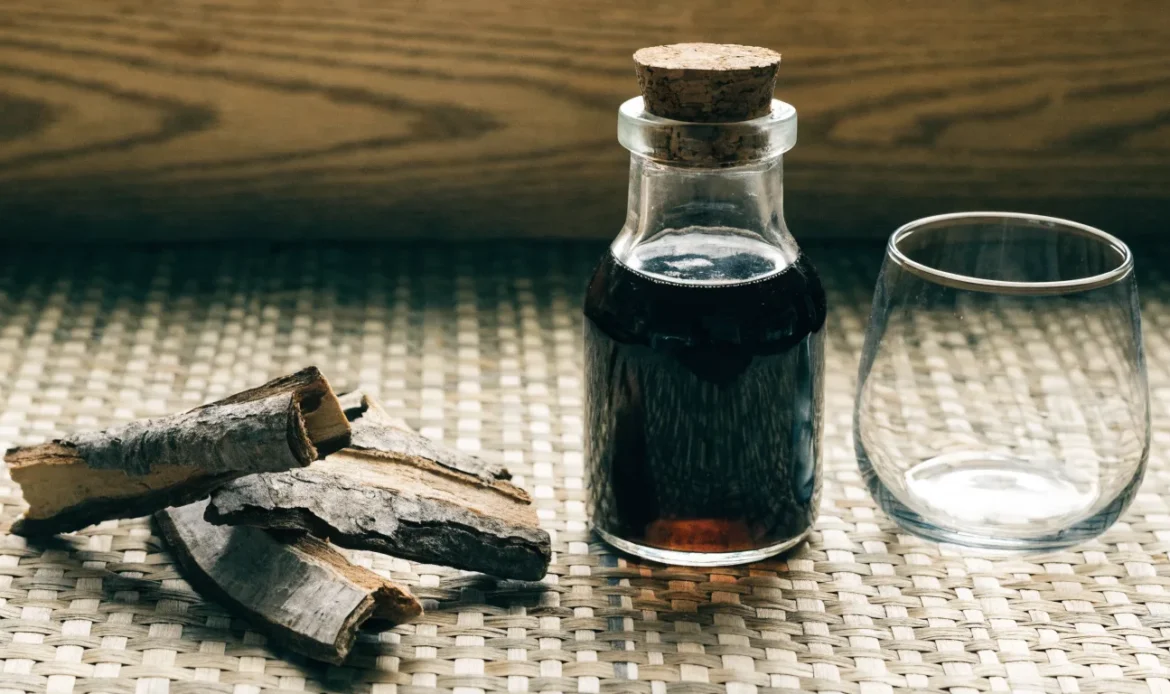
Short answer: Bois bande is a Caribbean name for the dried bark (and sometimes root or wood) taken from several tropical trees — most often Richeria grandis — that people in the region have used as a traditional tonic. This guide explains what it is, what parts and product forms you may find for sale, how people prepare it as a tea or infusion, safety cautions, and how to choose a supplier or product.
What is “bois bande”?
- The name
- “Bois bande” (also written bois bandé, bwa bandé) comes from French/Creole and literally means “stiff” or “erect wood,” a folk name that reflects traditional uses and stories. (en.wikipedia.org)
- Botanical identity
- The label “bois bande” is not a single species name. In the Caribbean the name most often refers to Richeria grandis, but several other trees are sold under the same common name in different places (for example, Parinari campestris and Roupala montana). This creates taxonomic and market confusion. (en.wikipedia.org)
- What parts are used
- Sellers and traditional users most commonly use bark and small wood chips. Sometimes roots, small branches, or powdered bark appear in mixtures and bottles. Ethnobotanical sources and field studies describe bark and wood pieces as the usual plant parts prepared as decoctions or infusions. (repository.naturalis.nl)
Which species might you actually be buying?
Because “bois bande” is a vernacular (common) name, products labeled bois bande can come from different trees. The most commonly cited species in Caribbean accounts are:
- Richeria grandis — commonly named bois bandé in parts of the Lesser Antilles and nearby mainland South America. (en.wikipedia.org)
- Parinari campestris — appears under the same name in some markets and literature. (en.wikipedia.org)
- Roupala montana — also recorded in botanical lists as “bois bande” in some islands. (fao.org)
Market products may also mix or substitute other species. When species identity matters to you, ask the seller for a botanical name and supplier information. If no botanical name is available, be cautious because different species can have different chemistry and safety profiles.
Traditional uses and cultural context
- Traditional role
- In many Caribbean islands and parts of northern South America, bois bande appears in folk medicine and local tonic recipes. It is commonly sold at herbal markets or bottled in spirit-based “bitter tonic” mixtures. Ethnobotanical studies document its use in multi-ingredient drinks and as a single-ingredient decoction. (repository.naturalis.nl)
- How it fits in local foodways
- Bois bande is often prepared as a hot tea or steeped in rum or other spirits and consumed in small amounts. It may be combined with spices such as cinnamon, allspice, or sweeteners in local recipes. These practices are cultural and culinary as much as medicinal. (repository.naturalis.nl)
- What the scientific literature says
- Ethnobotanical literature records traditional claims and recipes. Laboratory or clinical evidence confirming those traditional claims is limited or absent for most putative effects. Scientific study of the chemistry and safety of specific species is sparse compared with more commonly researched plants. Researchers note the cultural importance of such tonics while calling for careful study rather than assuming effects. (repository.naturalis.nl)
Common product forms you will see for sale
- Dried bark chips or slivers — loose pieces to steep or simmer. These are closest to traditional material. (spicecaribbean.com)
- Powdered bark — ground into a finer form for teas, capsules, or mixing. Powder may be less distinct in smell and harder to visually verify. (spicecaribbean.com)
- Tea bags — pre-packed portions of bark or powder for convenience. (spicecaribbean.com)
- Tinctures or spirit infusions — bark steeped in alcohol; sold in bottles. These are common in local “bitter tonic” traditions. (repository.naturalis.nl)
Each form changes how you prepare it, how easy it is to strain, and how long it keeps at home.
How to make bois bande tea or infusion (simple, traditional-style method)
Note: This is a preparation method shared as a culinary/traditional technique, not a medical prescription. Follow package instructions when provided. Start with small amounts to check tolerance.
- Measure 1–2 tablespoons of loose bark chips (or one tea bag). If you have powder, use about 1 teaspoon to start.
- Put the bark or powder in a small pot with 1 to 2 cups of water.
- Bring to a gentle boil, then reduce heat and simmer 10–20 minutes. Simmer more for a stronger extract. Simmering releases more of the bark’s soluble components than just steeping. (repository.naturalis.nl)
- Strain the liquid into a cup. If you used powder, you will likely need a fine strainer or cloth.
- Sweeten or spice to taste (cinnamon, nutmeg, or a little sugar/honey). Some people add a splash of rum to make a spirit infusion instead of a plain tea. (spicecaribbean.com)
If you make a tincture (alcohol infusion), follow proven tincture-making safety steps: use a high-proof spirit, keep plant material submerged, store in a cool dark place, and label clearly. If you choose that route, consult reliable sources on tincture-making and local laws.
Safety, unknowns, and what you should check
What we know:
- Traditional use is well documented in ethnobotanical surveys. (repository.naturalis.nl)
- Multiple species are sold under the same name, so identity can be unclear. (gbif.org)
What we do not know or cannot prove from available sources:
- There are few rigorous clinical trials proving specific health outcomes from bois bande. Ethnobotany records use and belief, not confirmed therapeutic effects. (repository.naturalis.nl)
- Chemical composition can vary by species, plant part, harvest time, and processing method. Species substitutions change the chemistry. (eitp.fr)
Practical safety tips:
- If you are pregnant, trying to become pregnant, breastfeeding, taking prescription medicine, or have a chronic health condition, consult a healthcare professional before using traditional botanical products. This is especially important with herbs where clinical data are limited.
- Start with a small serving and wait to see how you react. Watch for allergic reactions, digestive upset, or unusual symptoms.
- Ask sellers for the botanical name, harvest region, and how the product was processed. If a vendor cannot provide basic information, consider another supplier. (wikiphyto.org)
How bois bande differs from sea moss (why Zen Wholesalers sells them in different categories)
- Different kingdoms: Bois bande is dried bark/wood from trees (land plants). Sea moss (also sold by some Caribbean suppliers) is a marine seaweed — a very different plant type with different nutrients and risks. Treat them as separate product lines. (nutritionsource.hsph.harvard.edu)
- Different safety notes: Seaweed products can be high in iodine and may contain heavy metals, depending on species and harvest area. That creates separate labeling and safety considerations for sea moss versus dried bark products. If you plan to use both, consider the separate safety profiles and talk with a clinician if you have thyroid disease or take thyroid medication. (nutritionsource.hsph.harvard.edu)
- Zen Wholesalers note: If you are researching both product types, we have separate educational resources for sea moss and Caribbean botanicals. See our Caribbean botanicals collection for wood-and-bark items and our seaweed/sea-moss pages for algae-based products. (Internal links below.)
Buying checklist — what to ask and look for
Use this checklist when you consider purchasing bois bande in any form.
- [ ] Botanic name provided (e.g., Richeria grandis, Parinari campestris, Roupala montana). If the seller cannot name a species, note that identity is unclear. (en.wikipedia.org)
- [ ] Product form clear: bark chips, powder, tea bags, or tincture. Know which you prefer. (spicecaribbean.com)
- [ ] Sourcing or origin info: where was it harvested, and was it wild-collected or farmed? (Answer may be vague; still ask.) (naturalhistory.si.edu)
- [ ] Processing and storage: ask how it was dried, ground, and stored. Powdered material is harder to visually verify. (spicecaribbean.com)
- [ ] Labeling: is there a batch/lot number, and does the seller provide contact info? Legitimate vendors will answer basic questions. (wikiphyto.org)
- [ ] Preparation instructions and any vendor cautions. Match any vendor guidance to your planned use. (spicecaribbean.com)
- [ ] Price comparability: check similar products so you know the market range. If one offer looks far cheaper, verify identity and quality.
- [ ] If you are concerned about contaminants or adulteration: ask if the seller conducts third-party testing (not all do). If results are unavailable, factor that into your decision.
Quick decision guide: Which product form is right for you?
| Form | Typical prep | Pros | Cons | Best if you want… |
|---|---|---|---|---|
| Bark chips / slivers | Simmer 10–20 min, strain | Traditional, easy to inspect visually | Needs straining; takes longer | The most traditional experience and visible verification. (spicecaribbean.com) |
| Powder | Stir, fine strain, or capsule | Convenient, easy to mix | Hard to verify species visually; may be dusty | Quick mixing or capsule filling; space-saving. (spicecaribbean.com) |
| Tea bag | Steep like tea | Convenience, single-serve | Pre-measured — less flexible | On-the-go single cups, easier to prepare. (spicecaribbean.com) |
| Tincture / alcohol infusion | Use drops or small measure | Long shelf life in alcohol; strong extract | Alcohol content; potency varies | People who want small, shelf-stable doses and a spirit-based tradition. (repository.naturalis.nl) |
Practical storage tips
- Keep dried bark and powder in airtight containers away from heat, light, and humidity. Store bags or jars where they will stay dry.
- Label homemade tinctures and infusions with date and plant name. Use a cool dark cabinet.
- Follow any “best by” guidance on purchased products. If no guidance is present, treat non-hygroscopic dried bark as a pantry herb and check for off smells, dampness, or discoloration before use.
Next steps and how Zen Wholesalers can help
- Learn: Browse educational resources to compare botanicals and sea moss. See our Caribbean botanicals collection for more items and descriptions: Caribbean Botanicals.
- Shop: If you are ready to buy traditional botanicals or compare forms, visit our main shop: Shop.
- Wholesale or bulk: If you are a retailer or practitioner interested in larger quantities, see our wholesale options: Wholesale.
- Questions: Contact our team with sourcing or product questions: Contact. For background on seaweed vs land botanicals, check our learning pages: Learn. You can also return to the homepage: [/].
Conclusion
Bois bande is a traditional Caribbean botanical name that refers to bark or wood from several tree species. It appears in markets as chips, powders, tea bags, and tinctures. Ethnobotanical sources document widespread traditional use and many local recipes, but clinical evidence about specific, repeatable effects is limited. When buying, ask for botanical names, prefer suppliers who share sourcing details, follow simple preparation steps, and consult a clinician when you have health concerns. If you also use sea moss or other seaweed products, remember those are different products with different safety notes.
Frequently asked questions
Is bois bande the same as sea moss?
No. Bois bande is dried bark or wood from certain trees. Sea moss is a seaweed (marine algae). They are different plants with different nutrients and safety issues. If you use both, treat them as separate products.
Which species is “real” bois bande?
There is no single botanical species that covers all market products. Richeria grandis is commonly called bois bandé in parts of the Caribbean, but Parinari campestris and Roupala montana are also sold under the same name in some places. Ask sellers for the botanical name if species identity matters to you.
Are there known side effects?
Formal safety data are limited. People can have digestive upset or allergic reactions to any botanical. Because scientific study is sparse for many species sold as bois bande, check with a clinician before use if you have health conditions or take medicines.
How do I prepare it?
The common home method is to simmer bark chips in water for 10–20 minutes, then strain and drink. Powdered products or tea bags have simpler instructions on their labels. Follow vendor directions and start with a small amount to assess tolerance.
Can I buy bois bande online?
Yes, sellers offer bark chips, powders, tea bags, and tinctures online. When buying, use the checklist above: ask for species name, prep instructions, and supplier contact details. If identity and sourcing are unclear, consider asking for a refund policy or choosing a different vendor.
References
- van Andel T., Mitchell S., Volpato G., Vandebroek I., Swier J., Ruysschaert S., Rentería Jiménez C., Raes N. “In search of the perfect aphrodisiac: Parallel use of bitter tonics in West Africa and the Caribbean.” Journal of Ethnopharmacology, 2012.
- Richeria grandis / Bois bandé — GBIF and botanical listings.
- Plant use and vernacular names (Pl@ntUse / PlantNet).
- Ethnobotany and traditional product descriptions (Museum/Natural History and regional guides).
- Examples of product forms and preparation notes from market descriptions and vendor education pages.
- Harvard T.H. Chan School of Public Health, “Seaweed.” https://nutritionsource.hsph.harvard.edu/seaweed/
- Smyth PPA. “Iodine, Seaweed, and the Thyroid.” European Thyroid Journal, 2021. https://pmc.ncbi.nlm.nih.gov/articles/PMC8077470/
- Food Standards Australia New Zealand, “Survey of iodine levels in seaweed and seaweed containing products,” updated 2025. https://www.foodstandards.gov.au/science-data/monitoring-safety/surveyofiodinelevels
- Operation Supplement Safety, “Sea Moss in Dietary Supplements.” https://www.opss.org/article/sea-moss-dietary-supplements
- Blikra MJ et al. “Consequences of acute and long-term excessive iodine intake: A literature review focusing on seaweed as a potential dietary iodine source.” 2024. https://doi.org/10.1111/1541-4337.70037