
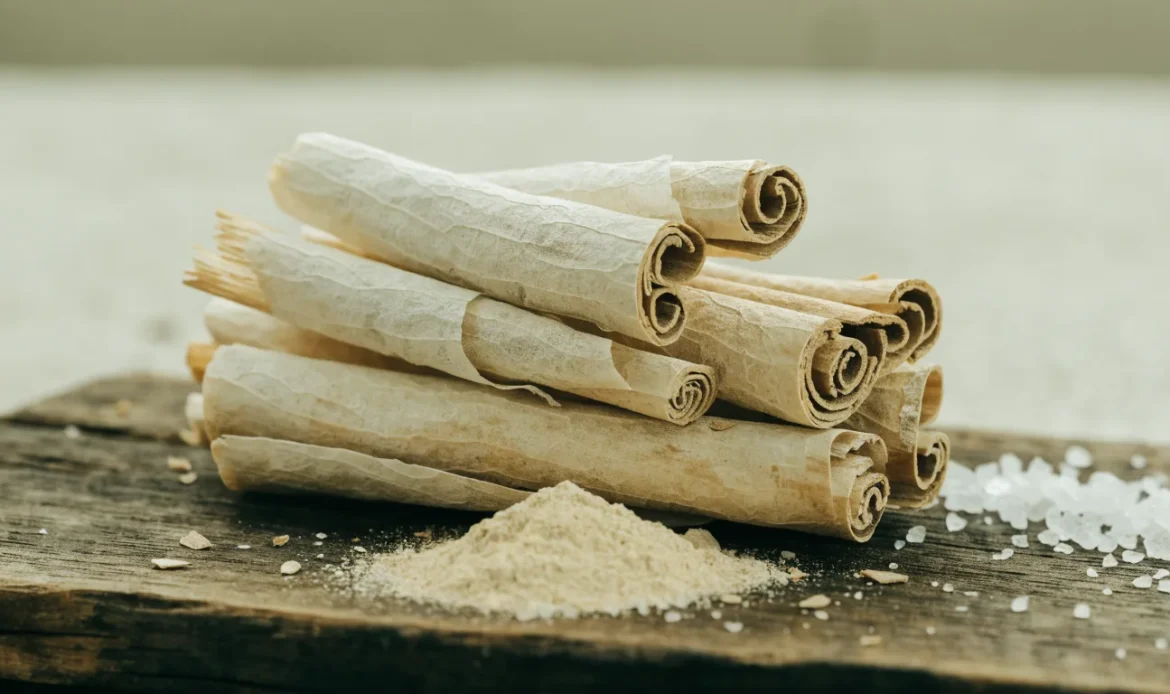
Short answer: “Celine cinnamon” is almost always a misspelling or typo for Ceylon cinnamon — the spice from Cinnamomum verum, often called “true cinnamon.” This guide explains the name, how Ceylon differs from other cinnamon types, how to check labels and products, and how to pick cinnamon for cooking or sale. It also clearly separates cinnamon facts from sea moss and other island botanicals.
What people mean by “Celine cinnamon”
- Most sellers and shoppers use “Celine cinnamon” when they mean Ceylon cinnamon. Ceylon cinnamon is the common English name for the bark of Cinnamomum verum. (powo.science.kew.org)
- If you see “celine” in a store or on a label, ask the seller what botanical name they mean. Labels are not always precise. Many products simply say “cinnamon” without stating the species. (nccih.nih.gov)
Why this matters
- Different cinnamon species come from different trees. They look, smell, and behave differently in cooking. Some species are more common in global trade than Ceylon. (pmc.ncbi.nlm.nih.gov)
Botanical ID — Cinnamomum verum and other species
- True or “Ceylon” cinnamon is Cinnamomum verum (sometimes seen as C. zeylanicum). It is native to Sri Lanka and parts of South Asia. The name “Ceylon” comes from Sri Lanka’s old colonial name. (powo.science.kew.org)
- Other commonly used cinnamon-like barks are called cassia species (for example C. cassia, C. burmanni, C. loureiroi). These are often sold simply as “cinnamon” in many markets. They are related but botanically distinct. (ncbi.nlm.nih.gov)
How to spot the species on a label
- Best sign: the botanical name Cinnamomum verum or the words “Ceylon cinnamon” printed on the package. (dsld.od.nih.gov)
- If the label only says “cinnamon” and lists a country other than Sri Lanka, it may be cassia or another species. Labeling rules vary by country, so ask the seller if you need certainty. (nccih.nih.gov)
Physical differences: quills, bark, and ground spice
- Ceylon cinnamon quills are thinner and more fragile. They often form many thin layers rolled into a soft stick. Cassia quills are thicker, harder, and usually single-layered. Visual checks work best with whole bark. (pmc.ncbi.nlm.nih.gov)
- Ground cinnamon is harder to tell by sight. Scent and taste can help, but scientific identification requires lab testing or supplier documentation. If the correct species is critical for you, ask for the botanical name or a certificate of origin. (nccih.nih.gov)
Flavor and culinary uses
- Ceylon cinnamon has a mild, sweet, and delicate aroma. It pairs well with desserts, custards, light sauces, and delicate teas. Cassia tends to be stronger, more astringent, and works well in bold baking, stews, or spice blends where a strong cinnamon note is wanted. (indianspices.com)
- In many Caribbean and South Asian cuisines, both kinds of cinnamon appear in recipes. The choice depends on tradition and the dish’s flavor profile. When a recipe simply says “cinnamon,” either type will often work, but the final taste will vary.
Safety and label clarity — what to check
- One chemical difference to know: cassia species commonly have higher levels of coumarin than Ceylon cinnamon. Coumarin is a natural compound found in some plants. Regulatory and health bodies note this difference but also stress that labels and species identification matter. If coumarin exposure is a concern for you, look for products labeled Cinnamomum verum or “Ceylon.” (ncbi.nlm.nih.gov)
- Spice labels may not list the species. Ground products are especially prone to ambiguity. Retailers sometimes use “true cinnamon” or “Ceylon” on premium products to indicate Cinnamomum verum. Still, ask or request the botanical name when you need certainty. (dsld.od.nih.gov)
Important limitation: You cannot tell the species or chemical levels by sight or smell alone for powdered spice. Testing or supplier documentation is the only reliable method if you need precise composition.
Cultural and culinary context — short history and uses
- Ceylon cinnamon has a long culinary history in South Asia and Sri Lanka. It has been traded for centuries and is associated with milder, aromatic spice profiles. (pmc.ncbi.nlm.nih.gov)
- Cassia species have long been grown in East and Southeast Asia. They are cheaper to produce in many regions and therefore more common in world trade. Many home cookbooks and commercial spice blends use cassia because of its stronger aroma and lower cost. (ncbi.nlm.nih.gov)
Cinnamon in retail and wholesale — what buyers can check
If you buy cinnamon for home use, a shop, or for blending into other products, check these points:
- Botanical name on the label (Cinnamomum verum = Ceylon). (dsld.od.nih.gov)
- Country of origin. Producers in Sri Lanka are the main source of Ceylon cinnamon. (powo.science.kew.org)
- Form: quills vs ground. Quills are easier to inspect visually. Ground forms require trust in the supplier. (pmc.ncbi.nlm.nih.gov)
- Supplier transparency: ask for a product spec sheet or source statement if species matters to you. (nccih.nih.gov)
If you sell cinnamon (retail or wholesale), consider including botanical name and country of origin on labels or product pages. Customers appreciate clarity, and it reduces confusion around terms like “Celine” vs “Ceylon.”
Storage and shelf life basics
- Keep cinnamon in a cool, dark, dry place. Use an airtight container. Whole quills retain aroma longer than ground powder. Light, air, and heat speed aroma loss. (powo.science.kew.org)
Where cinnamon is not related to sea moss
- Cinnamon is a tree bark spice from land plants (genus Cinnamomum). It is entirely different from sea moss or seaweed, which are marine algae or aquatic plants. Do not confuse spice listings with sea moss or seaweed products. If you search botanical or store categories, cinnamon belongs in dried spices, while sea moss belongs with seaweeds and marine botanicals. For reliable background on seaweed and sea moss, see resources about seaweed science and safety. (nutritionsource.hsph.harvard.edu)
Practical decision guide: Choosing cinnamon for kitchen or shop
Use this table to make a clear choice. It helps whether you are a home cook, a cafe owner, or a wholesale buyer.
| Question to ask | Why it matters | What to look for |
|---|---|---|
| Do you need “true” Ceylon specifically? | Ceylon (C. verum) has a distinct, milder aroma and different composition than cassia. | Look for “Cinnamomum verum” or “Ceylon cinnamon” on label or spec sheet. (dsld.od.nih.gov) |
| Will you use whole quills or ground spice? | Quills allow visual ID; ground needs trust/documentation. | Buy quills when possible for inspection. For ground, request supplier info. (pmc.ncbi.nlm.nih.gov) |
| Is country of origin important? | Ceylon historically comes from Sri Lanka. Other species come from other regions. | Check the origin; Sri Lanka suggests true Ceylon but ask for botanical name. (powo.science.kew.org) |
| Is coumarin exposure a concern? | Cassia often has more coumarin than Ceylon. | If concerned, prefer Ceylon and request species confirmation. Do not expect lab numbers on a retail bag. (ncbi.nlm.nih.gov) |
| Do you need organic or specific certifications? | Certifications show production claims but do not always prove species. | Ask for both species and certification documents. Check labels or supplier documentation. (nccih.nih.gov) |
| Do you need a certificate of analysis (CoA)? | CoAs provide lab-verified data when needed for product or regulatory reasons. | Request CoA from wholesale suppliers if legal or formulation accuracy matters. |
A short checklist for buying cinnamon
- Read the label for the botanical name (Cinnamomum verum). (dsld.od.nih.gov)
- Prefer whole quills if you want to inspect the bark. (pmc.ncbi.nlm.nih.gov)
- Ask the seller for country of origin and any supplier documentation. (powo.science.kew.org)
- If buying ground spice, consider buying small amounts from trusted brands to test aroma and flavor. Ground spice mixes can hide species differences. (nccih.nih.gov)
- Store in an airtight container in a cool, dark place. Use quills longer than powdered spice for freshness. (powo.science.kew.org)
How to use Ceylon cinnamon in the kitchen (practical tips)
- Toast whole quills briefly in a dry pan to awaken the oils before adding to stews or broths. Remove quills before serving. (indianspices.com)
- For baking, sift ground cinnamon into dry ingredients to avoid clumps. Adjust quantity to taste; Ceylon is milder than cassia. (pmc.ncbi.nlm.nih.gov)
- For beverages, infuse whole quills in hot water or milk for a gentle cinnamon taste. Crush a quill lightly with a spoon before steeping for more aroma. (indianspices.com)
Quality signals and transparency to ask suppliers
- Botanical name on the label (Cinnamomum verum). (dsld.od.nih.gov)
- Country of origin, ideally Sri Lanka for Ceylon. (powo.science.kew.org)
- Evidence of traceability (farm, mill, or cooperative). Even a short origin statement helps. (nccih.nih.gov)
- Certificate of analysis (CoA) on request for bulk or wholesale orders. CoAs are standard for businesses that need verified specs. (nccih.nih.gov)
What a careful buyer or food maker should do next
- If you need a specific species for flavor or regulatory reasons, request the botanical name and a certificate of origin before you buy. (nccih.nih.gov)
- If you already have ground cinnamon and need species info, contact the brand or seller for documentation. If they cannot provide it, buy a small sample from a trusted supplier and compare flavor and performance. (dsld.od.nih.gov)
- If you use sea moss or marine botanicals in your product lineup, keep cinnamon clearly separated in product descriptions and menus so customers do not confuse the categories. See our seaweed/sea moss background links for safety context. (nutritionsource.hsph.harvard.edu)
Conclusion
Most of the time, “Celine cinnamon” is a typo for Ceylon cinnamon (Cinnamomum verum). If the exact cinnamon species matters to you, check the botanical name, inspect whole quills when possible, and ask sellers for origin and documentation. Ground cinnamon often needs supplier trust or testing to verify species. Keep cinnamon labeling clear and separate from marine botanicals like sea moss. When in doubt, ask for the botanical name or a certificate of analysis before buying in bulk.
Useful internal resources
- Learn more about our Caribbean botanicals at /shop/caribbean-botanicals/.
- See general product listings at /shop/.
- Read more about marine botanicals and information at /learn/.
- Learn about wholesale options at /wholesale/ and contact our team at /contact/.
- Visit our homepage: /.
Continue reading
Frequently asked questions
Is “Celine cinnamon” a real botanical name?
No. It is almost always a misspelling or variant of “Ceylon cinnamon,” which is the common name for Cinnamomum verum. If you see “Celine” on a product, ask the seller what they mean.
How can I tell Ceylon cinnamon from cassia at home?
With whole quills, look for thin, multi-layered rolls — those are typical of Ceylon. Cassia quills are thicker and harder. Powdered cinnamon is hard to tell apart visually; ask for the botanical name or source.
Does Ceylon cinnamon have different safety concerns than other kinds?
Ceylon and cassia differ in some natural compounds. Cassia often has higher coumarin levels. If you need to limit coumarin for any reason, choose products labeled Cinnamomum verum and consult supplier documentation. Do not assume ground spice labels always show species.
Can I substitute one cinnamon for another in recipes?
Yes. You can substitute, but expect a change in intensity and aroma. Ceylon is milder; cassia is stronger. Adjust quantities to taste.
Where can I learn more about sea moss and marine botanicals?
For seaweed and sea moss background, look at trusted science-based sites about seaweed nutrition, safety, and supplements. These outline differences between marine plants and land spices. See references below.
Should spice sellers include the botanical name on the label?
It’s a good practice. Botanical names reduce ambiguity. For wholesale or retail that emphasizes quality, listing Cinnamomum verum or Cinnamomum cassia helps buyers make informed choices.
References
- “Seaweed.” Harvard T.H. Chan School of Public Health, The Nutrition Source. https://nutritionsource.hsph.harvard.edu/seaweed/.
- “Sea Moss in Dietary Supplements.” Operation Supplement Safety. https://www.opss.org/article/sea-moss-dietary-supplements.
- Cinnamomum verum entry, Plants of the World Online (Kew).
- NCCIH — Cinnamon: Usefulness and Safety (overview covering cinnamon types and labeling issues).
- Cinnamomum species review and context (PMC / scientific review).
- Literature on coumarin and differences between cinnamon species (e.g., review mentioning coumarin levels in cassia vs Ceylon).